Find the Best Composting & Food Waste Companies for Your Business
No obligation • Fast responses • Nationwide coverage

Why you can trust Restaurant Waste Disposal
Restaurant Waste Disposal is a leading U.S. resource for comparing restaurant composting, food-waste recycling, grease trap cleaning, and used cooking oil collection services. Our editorial team researches providers, checks credentials, and organizes unbiased information so operators can make informed decisions. Companies cannot pay to change ratings or placement.
Search providers near you
Top Composting & Food Waste Companies in Clifton, New Jersey Ranked
For restaurants and food-handling establishments in Clifton, managing organic waste is a critical operational and environmental consideration. While the city itself does not mandate a universal commercial food scrap recycling program, New Jersey state law requires large-scale generators to divert this material from landfills. This creates a landscape where proactive food waste management is not just a sustainability practice but a compliance necessity for many businesses, driving them toward specialized commercial haulers who can provide tailored collection, proper containers, and clear guidelines to navigate contamination rules effectively.
Understanding your obligations and options is the first step toward an efficient and compliant organics diversion program.
Community Compost Company
1501 Madison St, Hoboken, NJ 07030
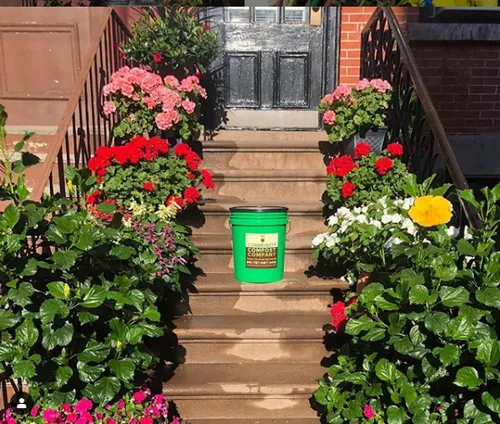
Community Compost Company provides food waste collection and composting services for restaurants and residents in New York, NY. They offer a simple system where customers collect food scraps in provided buckets for weekly pickup. The company recycles all types of food waste, including meats and dairy, transforming it into nutrient-rich compost that supports soil health and reduces landfill waste. Community Compost Company is committed to environmental education and making composting accessible to everyone.

Green Bucket Compost
Woodbridge, NJ
Green Bucket Compost is a food waste and composting service based in Woodbridge, NJ, focused on diverting food waste from landfills through sustainable methods. They work with anaerobic digestion facilities like Trenton Renewables to process all types of food waste, including packaging, turning it into renewable energy and compost. Their services cover residential pickups, commercial food waste management for restaurants, hotels, and schools, as well as municipal drop-off and curbside collection programs across several New Jersey counties and towns. Founded by Isaiah Green, the company emphasizes scalable and efficient waste diversion solutions to support community sustainability goals.
Royal Waste Services
187-40 Hollis Ave, Jamaica, NY 11423
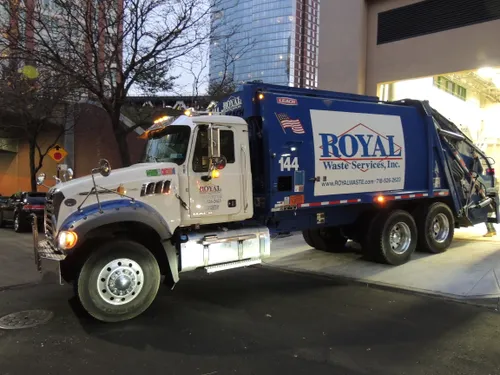
Royal Waste Services provides comprehensive waste management solutions in New York, NY, specializing in food waste composting, trash pickup, single stream recycling, dumpster rentals, and bulk waste removal. Serving Manhattan, Bronx, Brooklyn, and Queens, they operate 24/7 to support businesses with sustainable waste diversion strategies. With over 25 years of experience, Royal Waste owns and operates in-house recycling facilities to ensure environmentally responsible disposal and compliance with NYC commercial recycling laws.
Navigating New Jersey's Food Waste Recycling Mandate
The primary driver for commercial food scrap recycling in Clifton is the New Jersey Department of Environmental Protection (NJDEP) Food Waste Recycling Law. This regulation mandates that any business, including restaurants, supermarkets, and food processors, that generates 52 or more tons of food waste per year must separate and recycle this material. The law is designed to significantly reduce the volume of organic matter entering landfills, where it decomposes and produces methane, a potent greenhouse gas.
For a Clifton restaurant, determining if you meet this 52-ton threshold is crucial. This volume is equivalent to roughly one ton of food waste per week. High-volume kitchens, cafeterias, and banquet facilities are most likely to fall under this mandate. Compliance isn't just about avoiding potential penalties; it's about aligning with state environmental goals and potentially unlocking operational savings through reduced trash disposal costs.
Local Municipal Services vs. Commercial Haulers
The City of Clifton's public works department focuses its organics recycling efforts primarily on residential services, such as leaf and yard waste collection 1. For commercial entities, especially those governed by the state mandate, the solution lies with private sector providers. These commercial compost pickup services are equipped to handle the specific volume, frequency, and compliance reporting needs of food service businesses.
Engaging a private hauler means receiving a service tailored to your kitchen's output. This is the recommended and most straightforward path for Clifton restaurants subject to the state law or any business seeking to reduce its environmental footprint.
Key Components of a Commercial Food Waste Program
Implementing a successful organics diversion program involves several key components, from container selection to staff training.
Container Types and Placement: Commercial haulers typically provide the collection bins as part of their service. These often range from 32-gallon to 96-gallon wheeled carts, similar to trash bins but designated for food scraps only. Proper placement in the kitchen (e.g., near prep stations, dish pits) and potentially in a loading dock or alley for pickup is essential for workflow integration. Some providers also supply certified compostable bin liners to keep containers clean and simplify collection.
Collection Schedules: Pickup frequency is customized based on your waste volume. A busy restaurant may require weekly or even multiple-times-per-week service, while a smaller cafe might manage with bi-weekly pickups. Consistent, reliable collection is vital to prevent odor issues and ensure you never run out of bin space during a busy service period.
Strict Contamination Controls: This is arguably the most critical aspect for success. Contaminated loads-those containing non-compostable materials-can be rejected by composting facilities, leading to disposal fees and wasted effort. The universal rule is: only food scraps. This includes fruit and vegetable peels, coffee grounds, eggshells, and spoiled food. Crucially, no plastic bags-even those labeled "compostable" or "biodegradable"-are allowed in most New Jersey programs 2. Other common contaminants include liquids, fats/oils/grease, bones, and any form of packaging. Clear signage and ongoing staff education are necessary to maintain a clean stream.
Find the perfect composting & food waste companies for your needs
Get personalized recommendations and expert advice
Operational Benefits and Potential Cost Considerations
Adopting a food scrap recycling program extends beyond regulatory compliance. Operationally, separating heavy, wet food waste from your general trash can reduce the volume and weight of your solid waste, potentially lowering garbage collection costs. It also promotes a cleaner waste area and can enhance your business's sustainability profile, which is increasingly valued by customers and the community.
Costs for commercial composting services in Clifton are not fixed and vary by provider. Pricing typically depends on the volume of waste, the frequency of pickup, and the specific hauler's rates. While there is an added service cost, it can be offset by reductions in traditional trash hauling expenses. Furthermore, businesses should investigate potential state grants or incentives designed to support compliance with environmental mandates, which can help mitigate initial setup or ongoing service costs 3 4.
Getting Started: Steps for Clifton Restaurants
- Conduct a Waste Audit: Estimate your weekly food waste output to determine if you surpass the 52-ton-per-year state mandate. Even if you don't, recycling organics is a valuable practice.
- Research Local Haulers: Identify and contact commercial composting service providers that operate in the Clifton area, such as Java's Compost, to request quotes and service details 5.
- Plan Your Kitchen Workflow: Designate collection bins, decide on placement, and order any necessary compostable liners from your hauler.
- Train Your Team: Conduct thorough training for all kitchen and cleaning staff on what goes in the compost bin versus the trash or recycling. Use clear, multilingual signage.
- Monitor and Adjust: Review the program regularly with your staff and hauler to address contamination issues or adjust pickup frequency as your needs change.
By taking these steps, Clifton food businesses can turn a waste management challenge into an operational improvement and a demonstrable commitment to environmental stewardship.
Frequently asked questions
Sources
Footnotes
-
Compost, Mulch and Topsoil - City of Clifton, NJ - eCode360 - https://ecode360.com/8515250 ↩
-
program - https://cdnsm5-hosted.civiclive.com/UserFiles/Servers/Server_6189660/File/City%20Hall/Dep.%20of%20Public%20Works/Compost_FAQs_8.11.20.pdf ↩
-
Food Waste Recycling rules - https://dep.nj.gov/dshw/swpl/fw/food-waste-recycling-rules/ ↩
-
Pittsburgh Commercial Composting: Environmental Compliance Guide For Businesses - myshyft.com - https://www.myshyft.com/blog/commercial-composting-pickup-service-contracts-pittsburgh-pennsylvania/ ↩
-
Commercial Compost Pickup Service - https://www.javascompost.com/commercial-pickup ↩