Find the Best Composting & Food Waste Companies for Your Business
No obligation • Fast responses • Nationwide coverage

Why you can trust Restaurant Waste Disposal
Restaurant Waste Disposal is a leading U.S. resource for comparing restaurant composting, food-waste recycling, grease trap cleaning, and used cooking oil collection services. Our editorial team researches providers, checks credentials, and organizes unbiased information so operators can make informed decisions. Companies cannot pay to change ratings or placement.
Search providers near you
Top Composting & Food Waste Companies in Cherry Hill, New Jersey Ranked
For restaurants in Cherry Hill, managing food scraps and organic waste is not just an environmental consideration-it's a state-mandated requirement for larger generators. New Jersey's Food Waste Recycling Law establishes clear rules for diverting organic material from landfills, meaning local food service businesses must navigate private hauling contracts, strict contamination protocols, and specific operational changes. This guide outlines the essential steps for compliance, from understanding the legal thresholds to selecting a service provider and implementing an effective back-of-house system for food waste diversion and composting.
Bennett Compost
5650 Rising Sun Ave, Philadelphia, PA 19120
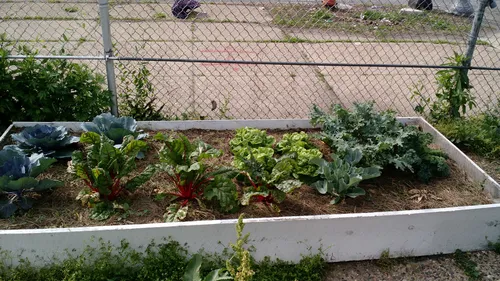
Bennett Compost provides food waste and composting services for restaurants and residents in Philadelphia, PA. The company offers weekly pickups of food scraps and other compostable materials, helping to reduce landfill waste by diverting organic material into nutrient-rich compost. Bennett Compost serves a variety of clients including coffee shops, breweries, florists, offices, and residential buildings, tailoring solutions to different compostable volumes. Founded in 2009 by Tim Bennett and now co-owned with Jennifer Mastalerz, the company diverts over 150 tons of waste each month and supports more than 6,000 households and businesses. Their service includes delivering clean compost bins and premium compost products during pickups.
Trenton Renewables
1600 Lamberton Rd, Trenton, NJ 08611
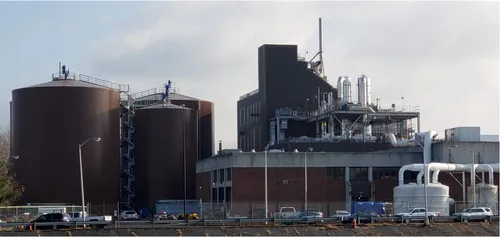
Trenton Renewables is a food waste recycling and renewable energy company based in Trenton, NJ. They serve restaurants and other organizations by managing food waste through anaerobic digestion, converting it into renewable energy, premium compost, and recaptured packaging. The company operates as a Class I Renewable Energy Facility and is qualified under New Jersey's Food Waste Law. Their process helps reduce landfill waste and CO2 emissions while supporting environmental sustainability.
Understanding New Jersey's Mandatory Food Waste Recycling Law
The foundation of food scrap management in Cherry Hill is state law, not a local municipal program. The New Jersey Department of Environmental Protection (NJDEP) mandates that large food waste generators recycle their organic material. This law is designed to reduce landfill methane emissions and create valuable compost or renewable energy.
Who is Required to Comply? The mandate specifically applies to businesses that generate an average of 52 tons or more of food waste per year 1. For a restaurant, this translates to roughly one ton of food scraps per week. It's crucial for restaurant owners and managers to conduct a waste audit to determine if they meet this threshold. Even if a business is below this mandatory limit, voluntarily recycling food waste can reduce trash disposal costs and enhance sustainability credentials.
The Role of Private Haulers Since Cherry Hill Township does not operate a universal commercial food waste collection service, compliant businesses must contract with private waste haulers permitted by the state. These specialized providers transport collected food scraps to approved facilities, which may include composting sites or anaerobic digesters that convert waste into energy.
Setting Up Your Restaurant's Food Scrap Collection System
Once you've determined your eligibility and selected a hauler, the next step is establishing an efficient and compliant collection system on-site. This involves container logistics, staff training, and mastering contamination rules.
Containers and Collection Schedules Your chosen hauler will typically supply the collection containers. These are often sturdy, wheeled carts in sizes like 32, 64, or 96 gallons, fitted with secure lids to contain odors and pests 2. The pickup frequency-whether weekly, bi-weekly, or more often-is negotiated based on your establishment's volume and the hauler's route schedule. Proper placement for easy access by kitchen staff and hauler trucks is key to a smooth operation.
The Critical Importance of Preventing Contamination Perhaps the most vital aspect of a successful program is maintaining a clean stream of organic waste. Contamination can lead to rejected loads, extra fees, and undermines the composting process. Key rules include 3 4:
- No Plastic Bags: Standard plastic bags are prohibited. Only certified compostable bags (often made from plant-based materials like PLA) are acceptable, and you must confirm their use with your hauler.
- Drain All Liquids: Soups, oils, and other liquids must be kept out. They disrupt the composting process and can cause leakage issues.
- Strictly Food and Approved Paper: The bin should contain only food scraps (including meat, dairy, fruits, vegetables, and baked goods) and approved paper products like uncoated napkins, paper towels, and food-soiled cardboard. No glass, metal, plastic wrap, Styrofoam, or wax-coated materials.
Find the perfect composting & food waste companies for your needs
Get personalized recommendations and expert advice
Financial Considerations and Operational Benefits
Implementing a food waste recycling program involves cost but can also lead to long-term savings and positive outcomes.
Understanding the Costs Pricing for private food scrap hauling is not standardized. It varies significantly based on factors like the size and number of containers, pickup frequency, hauling distance, and the current market rates for processing5 6 7. Generally, you can expect to pay a premium over standard trash service due to the specialized handling and processing. However, by diverting heavy, wet organic waste from your trash stream, you may be able to reduce the size or frequency of your garbage collection, offsetting some of the new cost. The most effective strategy is to obtain detailed quotes from two or three NJDEP-approved haulers to compare service structures and pricing.
Beyond Compliance: The Advantages While driven by regulation, food waste recycling offers tangible benefits:
- Waste Diversion Goals: Significantly reduces the volume of material sent to landfills.
- Potential Cost Savings: Lower trash volumes can lead to lower trash hauling bills.
- Enhanced Sustainability Profile: Demonstrates environmental responsibility to increasingly eco-conscious customers.
- Resource Recovery: Turns waste into nutrient-rich compost for agriculture or renewable energy.
Creating an Effective Action Plan for Your Restaurant
Transitioning to food waste recycling requires a structured approach. Follow these steps to ensure a compliant and efficient program 8:
- Conduct a Waste Audit: Measure your food waste output for a typical week to confirm if you meet the 52-ton/year threshold. This can be as simple as tracking the weight of prep scraps and plate waste.
- Research Approved Haulers: Contact the NJDEP or check their resources for a list of permitted food waste haulers servicing the South Jersey and Cherry Hill area.
- Solicit and Compare Quotes: Reach out to multiple providers. Discuss your estimated volume, needed container types, desired schedule, and ask for a clear breakdown of all costs.
- Implement Staff Training and Bin Placement: Before service begins, train every kitchen and bussing staff member on what goes in the food scrap bin versus trash or recycling. Clear signage and strategically placed collection bins in prep and dish areas are essential for success.
- Monitor and Adjust: Regularly check your food waste bins for contamination and gather feedback from staff. Be prepared to adjust your internal processes or even your hauler service level as you refine your system.
Frequently asked questions
Sources
Footnotes
-
How to Recycle Food Waste in New Jersey - A GuideHow to recycle food waste in New Jersey - A guide - https://www.rts.com/blog/how-to-recycle-food-waste-in-new-jersey-a-guide/ ↩
-
Garbage collection guidelines and schedule - Somerville, NJ - https://www.somervillenj.org/garbage-collection-guidelines-and-schedule/ ↩
-
This is a list of what we do not recycle in our container bins: http://wallnj ... - https://www.wallnj.gov/DocumentCenter/View/8845/5-How-and-Where-to-Recycle ↩
-
The Business Of Food Waste Composting - https://www.biocycle.net/the-business-of-food-waste-composting/ ↩
-
NJDEP| Division of Sustainable Waste Management | Food Waste Recycling rules - https://dep.nj.gov/dshw/swpl/fw/food-waste-recycling-rules/ ↩
-
Township of Cherry Hill, NJ Solid Waste and Recycling ... - https://ecode360.com/34672453 ↩
-
Restaurant Recycling: 5 Tips For Better Waste Management - https://www.touchbistro.com/blog/restaurant-recycling-tips/ ↩
-
Sustainability | Recycling Resources - NJDEP - https://dep.nj.gov/sustainability/outreach-and-education/recycling-resources/ ↩