Find the Best Composting & Food Waste Companies for Your Business
No obligation • Fast responses • Nationwide coverage

Why you can trust Restaurant Waste Disposal
Restaurant Waste Disposal is a leading U.S. resource for comparing restaurant composting, food-waste recycling, grease trap cleaning, and used cooking oil collection services. Our editorial team researches providers, checks credentials, and organizes unbiased information so operators can make informed decisions. Companies cannot pay to change ratings or placement.
Search providers near you
Top Composting & Food Waste Companies in Bridgewater, New Jersey Ranked
For restaurants and food service businesses in Bridgewater, managing food scraps is a critical operational and environmental consideration. Unlike some New Jersey municipalities, Bridgewater does not offer a universal, town-run food waste collection program for commercial entities. This means that local eateries, from cafes to full-service restaurants, must proactively seek out private hauling services to divert their organic waste from landfills. Partnering with a dedicated food waste recycler is not just about disposal; it's a strategic step toward sustainability, potential cost management, and aligning with New Jersey's broader environmental goals to cut food waste by 50% by 2030. Navigating the rules for commercial organics recycling, understanding service options, and implementing an effective in-house system are key to a successful program.

Green Bucket Compost
Woodbridge, NJ
Green Bucket Compost is a food waste and composting service based in Woodbridge, NJ, focused on diverting food waste from landfills through sustainable methods. They work with anaerobic digestion facilities like Trenton Renewables to process all types of food waste, including packaging, turning it into renewable energy and compost. Their services cover residential pickups, commercial food waste management for restaurants, hotels, and schools, as well as municipal drop-off and curbside collection programs across several New Jersey counties and towns. Founded by Isaiah Green, the company emphasizes scalable and efficient waste diversion solutions to support community sustainability goals.
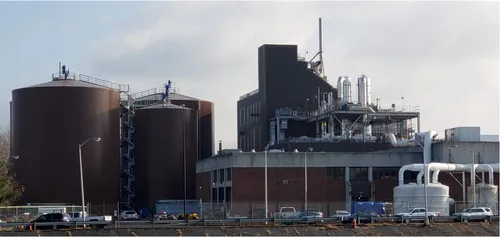
Trenton Renewables
1600 Lamberton Rd, Trenton, NJ 08611
Trenton Renewables is a food waste recycling and renewable energy company based in Trenton, NJ. They serve restaurants and other organizations by managing food waste through anaerobic digestion, converting it into renewable energy, premium compost, and recaptured packaging. The company operates as a Class I Renewable Energy Facility and is qualified under New Jersey's Food Waste Law. Their process helps reduce landfill waste and CO2 emissions while supporting environmental sustainability.
Understanding Your Food Waste Recycling Options
Since a municipal program isn't available, Bridgewater businesses must contract with private service providers. These companies specialize in collecting and processing organic material, turning what was once trash into valuable compost. Several providers, such as Java's Compost and Neighborhood Compost, operate in the region and offer tailored services for commercial clients. These services are designed to be flexible, accommodating the unique volume and schedule needs of different food service operations, from a small bakery producing mostly bread scraps to a high-volume restaurant with significant pre-consumer and post-consumer waste.
The first step is determining your eligibility and needs. Essentially, any business that generates food scraps is a candidate for these services. This includes restaurants, cafeterias, catering companies, and coffee shops 1. Providers will typically conduct an assessment to understand your waste stream before recommending a service plan. This ensures you get the right container sizes and pickup frequency, optimizing both efficiency and cost.
Container Types and Collection Schedules
Private haulers supply the necessary collection containers as part of their service. Common options include:
- 5-Gallon Buckets: Ideal for small operations, coffee shops, or for back-of-house prep areas to collect scraps before transferring to a larger bin.
- 32-Gallon to 96-Gallon Totes: These wheeled carts are standard for many small to mid-sized restaurants, similar in size to standard trash bins.
- Larger Roll-Off Carts or Dumpsters: For very high-volume generators, such as large institutional kitchens or food processors.
The containers are specifically designated for organics and are often labeled to prevent contamination. Collection schedules are customized. A donut shop might need pickup several times a week, while a dinner-only restaurant may manage with a weekly service. This flexibility is a significant advantage of private hauling, allowing you to control costs and ensure freshness, especially important in warmer months.
Critical Rules: Avoiding Contamination
This is the most crucial aspect of any food waste recycling program. Contamination occurs when non-compostable materials are placed in the organics bin. For businesses, strict "no contamination" rules are enforced by haulers and are mandated under New Jersey Department of Environmental Protection (NJDEP) regulations for large generators 2. Contaminated loads can be rejected, leading to extra fees or missed pickups.
What CAN go in your food waste bin:
- Fruit and vegetable scraps
- Meat, fish, bones, and dairy products
- Eggshells and coffee grounds (including filters)
- Bread, pasta, grains
- Paper napkins, uncoated paper towels, and pizza boxes (if free of wax coating)
- Certified compostable bags and serviceware (verify with your hauler)
What MUST STAY OUT:
- Plastic bags (unless they are certified compostable and approved by your hauler)
- Metal, glass, or foil
- Liquids, oils, or grease (these require separate handling/recycling)
- Styrofoam, rubber bands, or twist ties
- Any traditional plastic, even if labeled "biodegradable"
Success hinges on staff training. Clear signage, accessible bins, and ongoing education are essential to maintain a clean stream. Remember, while Bridgewater's local ordinances focus on general solid waste container specifications (e.g., sturdy plastic bins with lids under 96 gallons) 3 4, your private hauler's contamination standards for organics are typically much stricter.
Navigating New Jersey's Food Waste Regulations
It's important for Bridgewater businesses to be aware of the state regulatory landscape. The NJDEP has established Food Waste Recycling Rules that primarily affect "large food waste generators". A large generator is defined as a commercial entity that produces more than 52 tons of food waste per year and is located within 25 road miles of an authorized food waste recycling facility.
For most small to medium-sized restaurants in Bridgewater, this rule may not be a direct mandate, as generating 52 tons annually is a very high threshold (equivalent to roughly 2,000 pounds of waste per week). The rule typically targets large supermarkets, food distributors, and institutional cafeterias 5. However, the spirit of the law and the state's sustainability goals encourage all businesses to participate voluntarily. Proactively managing your food waste positions your business as an environmental leader and prepares you for any future regulatory changes.
Furthermore, New Jersey's overarching goal is to reduce food waste by 50% by 2030 6. The state provides resources and toolkits to help businesses of all sizes understand waste reduction, donation, and recycling opportunities 6. Even if not legally required, implementing a food waste diversion program contributes directly to this statewide objective.
Find the perfect composting & food waste companies for your needs
Get personalized recommendations and expert advice
Costs and Considerations for Your Business
The cost for private food waste hauling in Bridgewater is not standardized and varies by provider. It is typically based on several key factors:
- Volume of Waste: The size and number of containers you need.
- Frequency of Pickup: How often the hauler collects your full bins (e.g., weekly, twice-weekly, daily).
- Service Area and Logistics: Location-specific factors.
- Potential Setup Fees: Some providers may charge an initial fee for delivering and setting up dedicated bins.
You can expect a recurring monthly fee. To get an accurate picture, it's essential to contact providers like Java's Compost or Neighborhood Compost directly for a customized quote based on your specific operation 7 8. While this is an added line item, many businesses find that by diverting heavy, wet organics, they can reduce the size or frequency of their general trash service, potentially offsetting some of the new cost. The environmental and marketing benefits also add intangible value.
Implementing a Successful Program in Your Restaurant
Starting a food waste recycling program requires a clear plan. Here is a practical step-by-step guide:
- Contact Private Haulers: Research and reach out to at least two or three service providers operating in Somerset County. Companies like Java's Compost and Neighborhood Compost are a good starting point. Discuss your needs, request quotes, and ask about their contamination policies and processing facilities.
- Conduct a Waste Audit: Before signing a contract, spend a week tracking how much food waste you produce. This will help you choose the right service level and avoid over- or under-paying.
- Train Your Staff Thoroughly: This is the most critical step for long-term success. Hold a training session to explain the why and the how. Use clear signage above bins with pictures of what is and is not allowed. Designate a "green champion" on staff to monitor the bins and answer questions.
- Set Up Your Kitchen for Success: Place small collection buckets (like 5-gallon pails with lids) at every prep station and near dishwashing areas. Ensure there is a clearly marked, larger collection tote in a convenient spot for staff to empty the smaller buckets into. Make the compost bin as easy to use as the trash and recycling bins.
- Follow the Guidelines Religiously: Reinforce the "no contamination" rule. A single plastic glove or straw can compromise an entire load. Regularly check bins and provide feedback to your team.
- Explore Additional Services: Many food waste haulers can also provide information or referrals for related services like used cooking oil collection and grease trap cleaning, which are separate but important waste streams for restaurants.
By taking these steps, your Bridgewater restaurant can effectively manage its organic waste, reduce its environmental footprint, and contribute to a more sustainable local community. Turning food scraps into compost closes the loop, returning nutrients to the soil and completing a natural cycle right here in New Jersey.
Frequently asked questions
Sources
Footnotes
-
Municipal Compost Service - https://www.javascompost.com/municipal ↩
-
Food Waste Composting In New Jersey - BioCycle - https://www.biocycle.net/food-waste-composting-in-new-jersey/ ↩
-
Garbage collection guidelines and schedule - Somerville, NJ - https://www.somervillenj.org/garbage-collection-guidelines-and-schedule/ ↩
-
Township of Bridgewater, NJ Solid Waste - eCode360 - https://ecode360.com/8959725 ↩
-
Food Waste Recycling rules - https://dep.nj.gov/dshw/swpl/fw/food-waste-recycling-rules/ ↩
-
Sustainability | Food Waste Toolkit - NJDEP - https://dep.nj.gov/sustainability/outreach-and-education/food-waste-toolkit/ ↩ ↩2
-
Commercial Services - Neighborhood Compost - https://www.neighborhoodcompost.com/commercial-services ↩
-
Commercial Compost Pickup Service - https://www.javascompost.com/commercial-pickup ↩