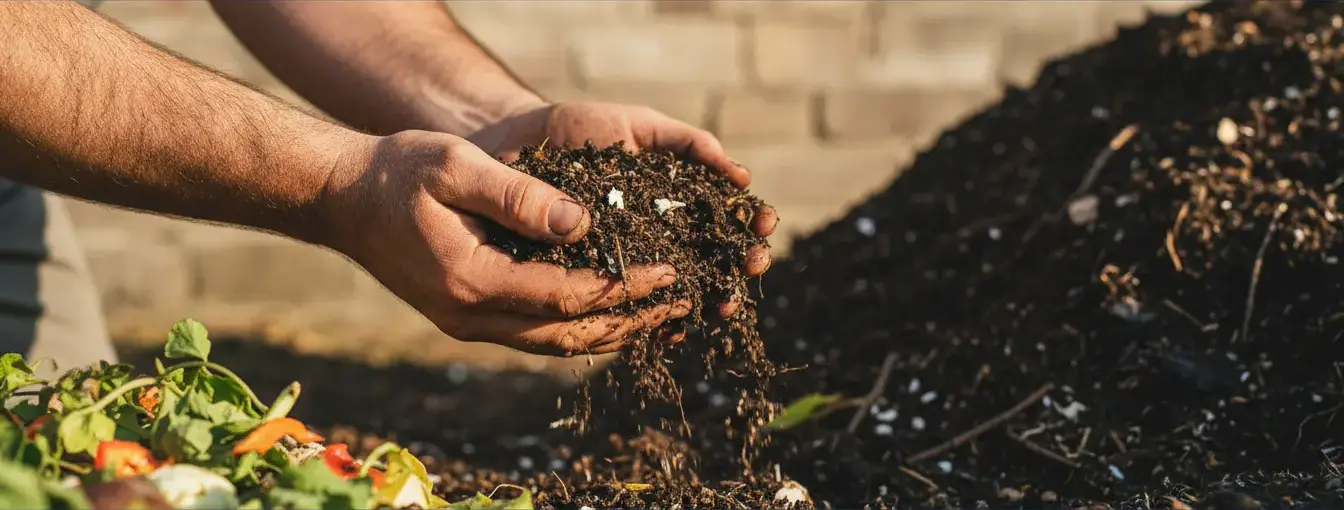
Find the Best Composting & Food Waste Companies for Your Business
No obligation • Fast responses • Nationwide coverage

Why you can trust Restaurant Waste Disposal
Restaurant Waste Disposal is a leading U.S. resource for comparing restaurant composting, food-waste recycling, grease trap cleaning, and used cooking oil collection services. Our editorial team researches providers, checks credentials, and organizes unbiased information so operators can make informed decisions. Companies cannot pay to change ratings or placement.
Search providers near you
Top Composting & Food Waste Companies in Wentzville, Missouri Ranked
For restaurants and food service businesses in Wentzville, managing organic waste is a critical operational and environmental consideration. While the city provides residential trash and recycling services through Meridian Waste, commercial entities, including restaurants, are responsible for arranging their own waste disposal, including any specialized organics recycling or composting programs. This means proactive management of food scraps and other biodegradable materials is essential for businesses looking to reduce landfill contributions, potentially lower disposal costs, and meet growing customer expectations for sustainability. Navigating the landscape of private haulers and understanding local guidelines is the first step toward an effective food waste diversion strategy.
Successfully implementing a food waste program requires understanding the separation between residential and commercial services. For Wentzville residents, Meridian Waste handles weekly trash and recycling collection with provided 95-gallon carts and offers an optional yard waste program 1. The rules are clear: keep trash and recycling separate, lids must close, and contamination-like putting food waste in the recycling cart-is prohibited 1. However, this municipal system does not extend to commercial food waste composting. Restaurants must seek out private waste management companies that offer commercial organics collection. This often involves contracting for additional bins specifically for food scraps and adhering to strict contamination rules to ensure the material is suitable for composting or anaerobic digestion.
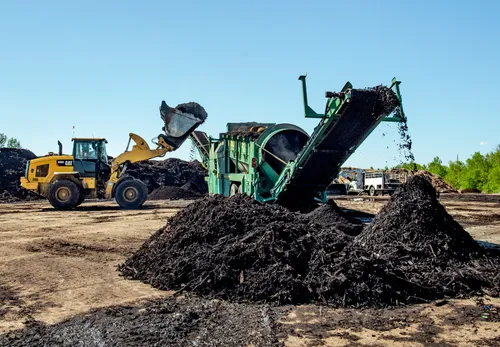
Understanding Commercial Organics Services in Wentzville
The City of Wentzville does not currently mandate or operate a specific commercial organics diversion program. Therefore, the responsibility falls on individual businesses to find a solution. This typically involves contracting directly with a private hauler. While major national providers like Waste Management or Republic Services may offer services in the area, there are also local and regional specialists focused on organic waste. The process begins with identifying providers who service St. Charles County and specifically offer commercial food waste pickup.
Key Steps for Restaurants to Start Composting
- Assess Your Waste Stream: Before contacting haulers, conduct a brief audit. Estimate the volume of food waste (pre-consumer scraps, post-consumer plate waste, spoiled inventory) your kitchen produces weekly. This will help you determine the size and number of containers you'll need.
- Research and Contact Haulers: Search for terms like "St. Louis area commercial composting," "Wentzville food waste pickup," or "commercial organics recycling Missouri". Reach out to multiple providers to get detailed quotes.
- Ask the Right Questions: When getting quotes, be sure to inquire about:
- Eligibility and Sign-up: Confirmation they service restaurants in Wentzville.
- Container Options: Types and sizes of bins or totes provided (e.g., 64-gallon wheeled carts, larger dumpsters).
- Collection Schedule: Frequency of pickup (weekly, bi-weekly, or customized based on your volume).
- Contamination Policies: Strict rules are universal. Ask what is accepted (e.g., food scraps, soiled paper, compostable serviceware) and what is prohibited (e.g., plastic bags, liquids, rubber bands). Understand the fees associated with contaminated loads 2.
- End Destination: Where the material goes-a local composting facility, an anaerobic digester, or a farm.
Navigating Contamination and Compliance
A successful organics program hinges on preventing contamination. Contaminated loads can be rejected by processing facilities, leading to disposal fees and undermining your sustainability efforts. Training staff is paramount. Clear signage in the kitchen and dish area, paired with dedicated, color-coded bins for food waste only, can drastically improve compliance. Remember, common contaminants include plastic wrap, rubber gloves, Styrofoam, and traditional plastic bags. If using bags, they must be certified compostable 3.
Find the perfect composting & food waste companies for your needs
Get personalized recommendations and expert advice
Cost Considerations for Food Waste Management
Pricing for commercial composting services is not standardized and can vary significantly. For a small to mid-sized restaurant in Wentzville, monthly costs can range widely, often starting from an estimated $50 to over $200 per month. This depends on several factors: the volume of waste (bin size and number), the frequency of pickup, the hauler's pricing structure, and transportation distance to the processing facility 4. It's important to get detailed, written quotes that outline all potential fees, including monthly service charges, per-pickup fees, and contamination penalties. While this represents an added line item, many businesses find that diverting organics can reduce the volume of their general trash, potentially offsetting some costs if they can downsize their standard trash service.
Beyond Pickup: On-Site and Alternative Solutions
For some restaurants, especially those with limited space or lower volumes of waste, traditional weekly pickup might not be the most efficient option. Alternatives exist:
- On-Site Composting: Businesses with sufficient outdoor space might explore small-scale on-site composting systems, though this requires dedicated management and may not handle all types of food waste.
- Community Drop-Offs: While less common for commercial volumes, researching local community gardens or farmers' markets that accept food scraps could be an option for very small quantities.
- Food Donation: Prioritizing the reduction of waste at the source is most effective. Partnering with local food rescue organizations to donate surplus, edible food is a powerful way to divert waste and support the community, separate from a composting program.
The Broader Impact and Regulatory Landscape
Implementing a food waste program aligns with broader environmental goals. Diverting organic material from landfills reduces methane emissions, a potent greenhouse gas, and creates valuable compost that can enrich soil 5. While Missouri does not have a statewide commercial food waste ban like some other states, being proactive positions your business favorably for any future regulations and demonstrates leadership in environmental stewardship 5. It also resonates with a growing segment of consumers who prefer to support businesses with verifiable sustainable practices.
Frequently asked questions
Sources
Footnotes
-
City of Wentzville, Missouri - Meridian Waste - https://www.meridianwaste.com/guidelines/meridian-waste-foristell-administration-hauling-transfer-station/city-of-wentzville-missouri/ ↩ ↩2
-
Yard-Waste Collection - City of Wentzville - https://www.wentzvillemo.gov/departments/utilities/solid-waste-recycling/yard-waste-collection/ ↩
-
Restaurant Food Waste Management Considerations - https://qapera.com/restaurant-food-waste-management-considerations/ ↩
-
Solid Waste and Recycling - City of Wentzville - https://www.wentzvillemo.gov/departments/utilities/solid-waste-recycling/ ↩
-
#ICYMI: A June 2025 ICF report reveals that our commercial food waste ban is working! We are diverting hundreds of thousands of tons of food waste from landfills and it's good for our economy. #FoodWaste #CompostNotLandfill #ReduceEmissions #CleanerAir https://www.mass.gov/doc/2025-commercial-organic-waste-ban-economic-report/download - https://www.facebook.com/massgov/posts/icymi-a-june-2025-icf-report-reveals-that-our-commercial-food-waste-ban-is-worki/1146562110991007/ ↩ ↩2