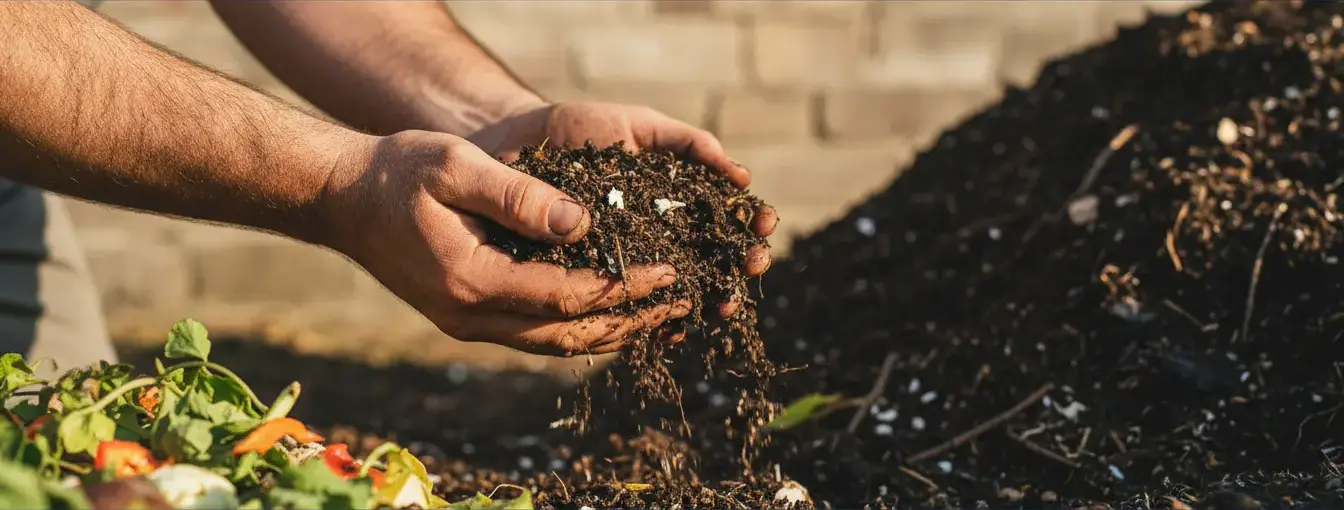
Find the Best Composting & Food Waste Companies for Your Business
No obligation • Fast responses • Nationwide coverage

Why you can trust Restaurant Waste Disposal
Restaurant Waste Disposal is a leading U.S. resource for comparing restaurant composting, food-waste recycling, grease trap cleaning, and used cooking oil collection services. Our editorial team researches providers, checks credentials, and organizes unbiased information so operators can make informed decisions. Companies cannot pay to change ratings or placement.
Search providers near you
Best Composting & Food Waste Companies in Missouri Ranked
For restaurant operators in Missouri, managing food scraps and organic waste is a growing opportunity for cost savings, sustainability, and community engagement. Unlike some states, Missouri does not have mandatory landfill bans or recycling laws for restaurant food waste, creating a landscape driven by voluntary action and local market solutions. This means you have the flexibility to design a program that fits your specific operational needs, whether through donation, animal feed, composting, or waste reduction strategies. By proactively addressing food waste, your business can reduce disposal costs, enhance its brand, and contribute to a more sustainable local economy.
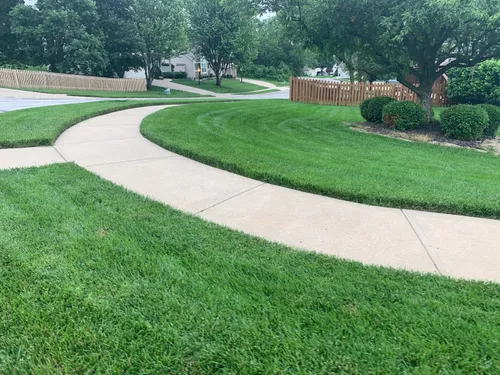
Missouri Organic Recycling
7700 E US Hwy 40, Kansas City, MO 64129
Missouri Organic Recycling is a Kansas City, MO-based company specializing in food waste composting and organic recycling services for restaurants and other commercial clients. They offer delivery and installation of mulch, compost, and soil products using a blower truck system, making it easier to apply materials in residential yards and commercial landscapes. Established in 2005, Missouri Organic Recycling has diverted over 3.2 billion pounds of food and green waste from local landfills, turning it into quality compost and soil products. Their services support sustainable waste management and environmental benefits in the Kansas City area.

Missouri Organic Recycling
11660 N Main St, Kansas City, MO 64155
Missouri Organic Recycling is a Kansas City, MO-based company specializing in food waste recycling and composting services for restaurants and other commercial clients. They provide high-quality compost, mulch, and soil products, along with delivery and blower truck installation services across the KC Metro area. The company has been diverting millions of pounds of food and green waste from local landfills since 2005, contributing to environmental sustainability through their closed-loop recycling process. Missouri Organic Recycling also supports landscape professionals and homeowners with locally produced soil blends and offers multiple convenient drop-off locations for yard waste.
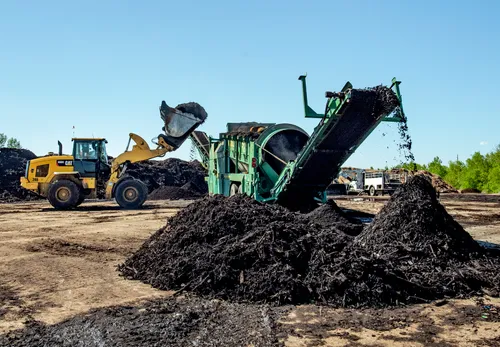
St. Louis Composting, Inc.
13060 County Park Rd, Florissant, MO 63034
St. Louis Composting, Inc. is based in Florissant, MO, and provides food waste and composting services primarily for restaurants and packaged food manufacturers. They operate nine locations in the St. Louis metro area, offering bulk delivery and retail pickup of compost, soil, mulch, and custom soils. The company specializes in depackaging food waste and organics to divert waste from landfills and convert it into certified compost products. Their services support national grocery retailers and food and beverage manufacturers in meeting waste diversion goals.
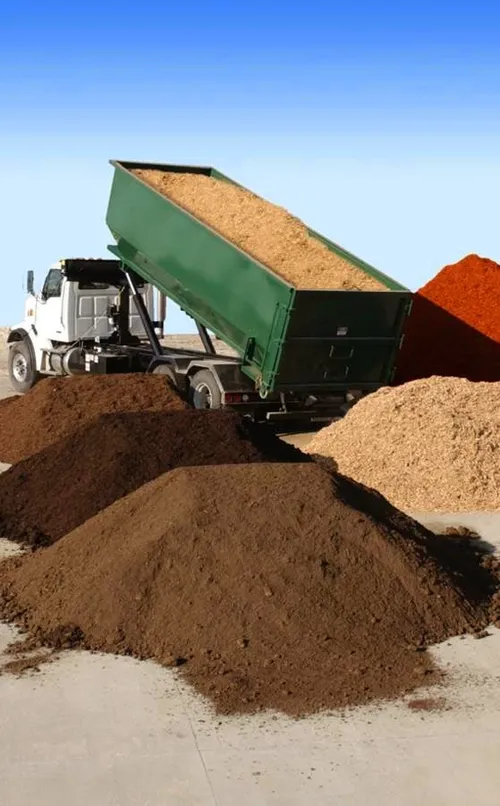
Missouri Organic Recycling (ONLY Open Saturdays)
1815 N Chouteau Trafficway, Kansas City, MO 64120
Missouri Organic Recycling in Kansas City, MO, specializes in food waste recycling and composting services for restaurants and other commercial clients. They offer delivery and installation of mulch, compost, and soil products throughout the KC Metro area, using a blower truck system for efficient placement. Established since 2005, the company has diverted billions of pounds of organic waste from local landfills, contributing to environmental sustainability through their closed-loop recycling process. Missouri Organic Recycling operates multiple locations and supports both residential and commercial landscaping needs.
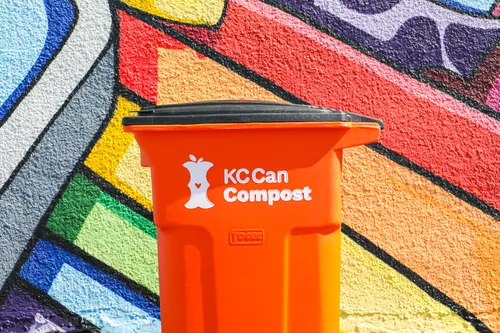
KC Can Compost
3119 Terrace St, Kansas City, MO 64111
KC Can Compost is a nonprofit organization based in Lees Summit, MO, focused on collecting food waste from restaurants and other sources to divert organic material from landfills. They provide composting services while also offering training and employment opportunities in green industry jobs for people facing barriers to employment. Their work helps reduce greenhouse gas emissions by turning food scraps into healthy soil and supports environmental justice through community education and leadership programs.
Understanding Missouri's Regulatory Landscape
Missouri's approach to food waste is primarily voluntary and educational. There is no statewide mandate that bans food waste from landfills, and no law requires restaurants to separate food scraps for composting or recycling 1 2. This regulatory environment places the decision-making power directly in the hands of business owners.
The Missouri Department of Natural Resources (DNR) encourages waste reduction through its "Reduce, Reuse, Recycle" initiatives, focusing on preventing waste at the source and finding beneficial uses for surplus food. While large-scale commercial composting operations require permits from the DNR, the state's rules are generally designed to facilitate, not mandate, organics diversion. It's important to note that some large food distributors or manufacturers may face specific rules, particularly if they are located near processing facilities, but these are not broadly applicable to most restaurants.
Practical Strategies for Restaurants
Without a top-down mandate, successful food waste management in Missouri hinges on implementing practical, cost-effective strategies. Here's a breakdown of the most viable options for foodservice businesses.
1. Food Donation: Feed People First
Donating edible, surplus food is one of the most impactful actions you can take. It's protected by the federal Bill Emerson Good Samaritan Food Donation Act, which shields donors from liability when donating in good faith to nonprofit organizations 3. Partnering with local food banks, shelters, or food rescue organizations not only addresses food insecurity but can also provide tax benefits and significantly bolster your restaurant's community image.
2. Explore Animal Feed Partnerships
In many parts of Missouri, food waste can be diverted for use as animal feed, particularly for swine. This option requires that the waste is properly handled and often heat-treated to meet animal health regulations 4. Establishing a relationship with a local farmer or a licensed service that collects food scraps for feed can be a straightforward diversion method, though it's crucial to ensure all health and safety protocols are followed.
3. Composting & Organics Recycling Services
For food scraps that cannot be donated or fed to animals, composting is the next best option. You can partner with private waste haulers or specialized compost collectors.
- Private Haulers: Major national providers like Republic Services and Waste Management, as well as regional or local composters, may offer separate organics collection services in metropolitan areas like St. Louis, Kansas City, or Springfield. This typically involves leasing a separate bin for food scraps.
- On-Site Composting: For restaurants with sufficient space, smaller-scale on-site composting systems (like tumblers or worm bins) can handle a portion of your waste. For any large-scale, commercial on-site composting operation, you must consult with the Missouri DNR regarding potential permit requirements 5.
4. Source Reduction: The Most Effective Tool
Before managing waste, focus on creating less of it. Conducting a waste audit can help identify where food is being lost-whether through over-preparation, spoilage, or plate waste. Adjusting purchasing, improving inventory management, and training staff on portion control and storage can lead to direct savings on food costs and reduce the volume of waste needing disposal 6 7.
Analyzing Costs and Potential Savings
Implementing a food waste diversion program involves an investment, but the long-term financial picture is often positive.
Initial Costs May Include:
- Service fees from a compost hauler or recycling service.
- Upfront costs for separate collection bins or containers.
- Staff time for training and program management.
Potential Areas for Savings & Value:
- Reduced Trash Hauling: Diverting heavy, wet organics can significantly reduce the volume and weight of your trash, potentially allowing you to downsize your garbage dumpster or reduce pickup frequency, leading to lower disposal bills.
- Tax Incentives: Donations of food may qualify for enhanced tax deductions.
- Brand Enhancement: Promoting your sustainability efforts can attract customers and improve employee morale.
- Future-Proofing: Adopting practices now prepares your business for potential future local ordinances or state regulations, avoiding a rushed compliance later 8.
Find the perfect composting & food waste companies for your needs
Get personalized recommendations and expert advice
Navigating Local Resources and Partnerships
Success often depends on local connections. Start by contacting your current waste hauler to inquire about organics collection options. Reach out to the Missouri Recycling Association (MORA) or your local solid waste management district for guidance and a list of service providers. Building relationships with local farms, food banks, and compost facilities can create a resilient, community-based waste diversion network. The Missouri DNR website is also a valuable resource for understanding permits and best practices for commercial organics management 9.
The Future of Food Waste in Missouri
While mandates are not currently driving change, the landscape is shifting. National trends, consumer expectations, and the economic benefits of waste reduction are pushing businesses and municipalities toward greater organics diversion 10 11. By taking action now, Missouri restaurants can lead this change, turning a waste stream into a resource, saving money, and building a reputation as a responsible community partner.
Frequently asked questions
Sources
Footnotes
-
Missouri Food Waste Policy - https://policyfinder.refed.org/missouri/ ↩
-
Restaurant Operator's Guide To Environmental Regulations Across ... - https://www.restaurantware.com/blogs/eco-friendly-solutions/restaurant-operators-guide-to-environmental-regulations-across-the-us ↩
-
Food Waste - Missouri Recycling Association - http://www.mora.org/food-waste.html ↩
-
Regional Resources to Reduce and Divert Wasted Food ... - https://www.epa.gov/sustainable-management-food/regional-resources-reduce-and-divert-wasted-food-across-united-states ↩
-
Permits Needed for Composting/ Yard Waste Facility Businesses - https://dnr.mo.gov/permits-certifications-registrations-licenses/by-business-type/composting-yard-waste-facility ↩
-
Food Waste - Missouri Department of Natural Resources - https://dnr.mo.gov/waste-recycling/reduce-reuse-recycle/what-to-do-with-specific/food ↩
-
Reducing Commercial and Community Food Waste | | Wisconsin DNR - https://dnr.wisconsin.gov/topic/Waste/CommercialFoodWaste.html ↩
-
The latest in food waste laws - https://blog.spoileralert.com/food-waste-laws ↩
-
Composting - Beyond the Backyard: Large-Scale Operations | Missouri Department of Natural Resources - https://dnr.mo.gov/waste-recycling/business-industry/permits-licenses-registrations/activities-potentially-exempt-solid-waste-regulations/composting-large-scale-commercial ↩
-
Organic Waste Bans And Recycling Laws To Tackle Food Waste - https://www.biocycle.net/organic-waste-bans-recycling-laws-tackle-food-waste/ ↩
-
Food Waste Bans and Targets - State Climate Policy Dashboard - https://www.climatepolicydashboard.org/policies/industry-materials-waste/food-waste-bans ↩