Find the Best Composting & Food Waste Companies for Your Business
No obligation • Fast responses • Nationwide coverage

Why you can trust Restaurant Waste Disposal
Restaurant Waste Disposal is a leading U.S. resource for comparing restaurant composting, food-waste recycling, grease trap cleaning, and used cooking oil collection services. Our editorial team researches providers, checks credentials, and organizes unbiased information so operators can make informed decisions. Companies cannot pay to change ratings or placement.
Search providers near you
Top Composting & Food Waste Companies in Lees Summit, Missouri Ranked
For restaurants and food service businesses in Lees Summit, managing organic waste is a critical operational and environmental consideration. Unlike cities with universal municipal programs, Lees Summit operates on a privatized waste collection system. This means your business has the freedom-and responsibility-to choose its own provider for trash, recycling, and crucially, food waste diversion. The good news is that the local market offers robust options, with over a dozen companies serving the area, including several that specialize in commercial organics recycling and composting services. Implementing a program to divert food scraps from the landfill can reduce disposal costs, meet customer expectations for sustainability, and contribute to a circular economy by turning waste into nutrient-rich compost.
Missouri Organic Recycling
7700 E US Hwy 40, Kansas City, MO 64129
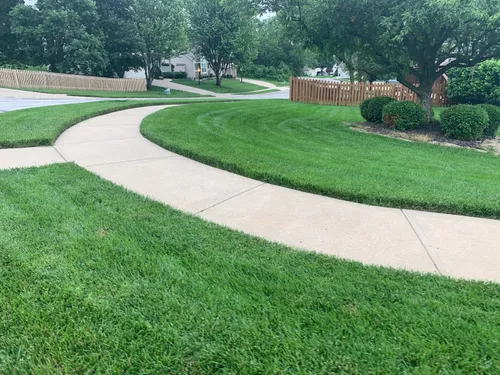
Missouri Organic Recycling is a Kansas City, MO-based company specializing in food waste composting and organic recycling services for restaurants and other commercial clients. They offer delivery and installation of mulch, compost, and soil products using a blower truck system, making it easier to apply materials in residential yards and commercial landscapes. Established in 2005, Missouri Organic Recycling has diverted over 3.2 billion pounds of food and green waste from local landfills, turning it into quality compost and soil products. Their services support sustainable waste management and environmental benefits in the Kansas City area.
Missouri Organic Recycling (ONLY Open Saturdays)
1815 N Chouteau Trafficway, Kansas City, MO 64120
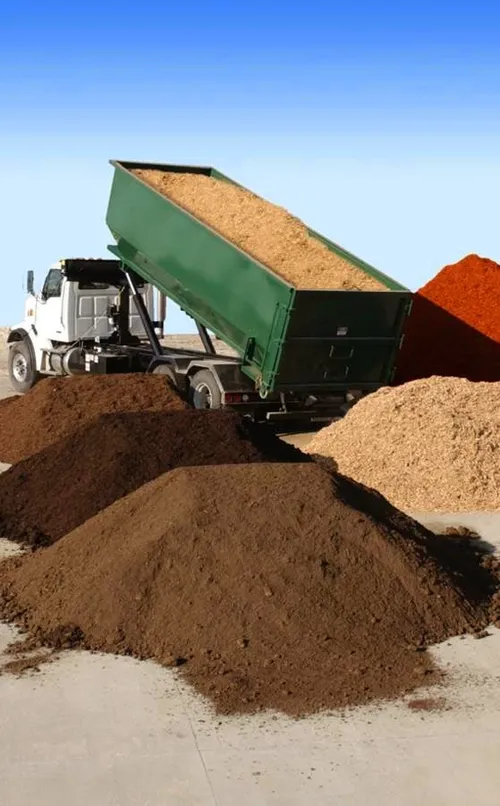
Missouri Organic Recycling in Kansas City, MO, specializes in food waste recycling and composting services for restaurants and other commercial clients. They offer delivery and installation of mulch, compost, and soil products throughout the KC Metro area, using a blower truck system for efficient placement. Established since 2005, the company has diverted billions of pounds of organic waste from local landfills, contributing to environmental sustainability through their closed-loop recycling process. Missouri Organic Recycling operates multiple locations and supports both residential and commercial landscaping needs.
KC Can Compost
3119 Terrace St, Kansas City, MO 64111
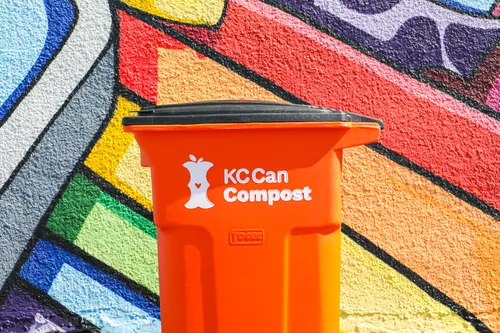
KC Can Compost is a nonprofit organization based in Lees Summit, MO, focused on collecting food waste from restaurants and other sources to divert organic material from landfills. They provide composting services while also offering training and employment opportunities in green industry jobs for people facing barriers to employment. Their work helps reduce greenhouse gas emissions by turning food scraps into healthy soil and supports environmental justice through community education and leadership programs.
Understanding Lees Summit's Waste Collection Landscape
The first step for any business is understanding the local framework. Lees Summit does not currently offer a city-run composting program for commercial entities. Instead, the city contracts with multiple private haulers, and businesses are required to select their own provider for all waste streams. This model emphasizes choice and competition but requires proprietors to conduct their own research to find a service that fits their specific needs for volume, schedule, and budget related to food waste.
This decentralized approach is common in many Missouri municipalities. For restaurant owners, it means the process for setting up organics recycling is similar to setting up standard trash service: you must identify a licensed hauler that offers the service in your area and enter into a direct contract with them. The city's role is more focused on licensing these haulers and ensuring overall compliance with waste ordinances rather than administering a single program.
Benefits of Commercial Food Waste Diversion
Diverting food waste from your trash stream isn't just an environmental gesture; it's a strategic business decision. Sending organic material to a composting facility instead of a landfill can lower your overall waste hauling costs, as you may be able to downsize your garbage dumpster or reduce pickup frequency. Beyond the potential for cost savings, a visible commitment to sustainability enhances your brand's reputation. Customers increasingly prefer to support businesses with verifiable green practices.
From a broader perspective, composting food waste has significant environmental benefits. When organic matter decomposes in a landfill, it produces methane, a potent greenhouse gas. In contrast, commercial composting processes this material aerobically (with oxygen) to create a valuable soil amendment. This closes the loop, returning nutrients to the earth and reducing the need for chemical fertilizers. For a restaurant, participating in this cycle is a tangible contribution to local environmental health.
How to Find and Choose a Composting Provider
With numerous providers available, selecting the right partner for your organics recycling needs is key. Start by contacting the major national waste management companies that service the Kansas City metro area, such as Waste Management and Republic Services. Inquire specifically about their commercial food waste collection programs in Lees Summit. These large operators often have established infrastructure and can provide comprehensive service bundles.
Next, research regional and local specialists. Companies like Missouri Organics focus specifically on organics recycling and may offer more tailored services, educational support, or competitive pricing for food scrap collection. A simple online search for "commercial composting Lees Summit" or "food waste hauling Kansas City" will yield several options. When evaluating providers, consider their experience with restaurants, contamination tolerance policies, and the end destination for the collected material-knowing your waste is being turned into compost locally can be an additional selling point for your business.
Find the perfect composting & food waste companies for your needs
Get personalized recommendations and expert advice
Setting Up Your Restaurant's Program: Containers and Logistics
Once you've selected a hauler, they will guide you through the setup process. Typically, this involves selecting appropriate containers. For food waste, providers usually supply dedicated bins, often colored green or brown to distinguish them from trash and recycling. These can range from 32-gallon wheeled carts (totes) for smaller kitchens to larger 1-3 cubic yard dumpsters for high-volume establishments. Your provider will help you determine the right size based on your estimated weekly output.
Scheduling is another critical component. Pickup frequency for organics is often weekly or bi-weekly for commercial accounts, but this can be adjusted based on your production volume and storage capacity. A reliable hauler will work with you to establish a schedule that prevents overflow and odor issues. Proper placement of the organics container is also important-it should be easily accessible to kitchen staff but situated to fit within your existing waste corral or pickup area.
What Can and Cannot Go in the Compost Bin
Strict adherence to contamination guidelines is the most important factor for a successful composting program. Contaminated loads (those containing non-compostable materials) can be rejected by the composting facility, resulting in extra fees and wasted effort. Your hauler will provide a specific list, but general guidelines are consistent.
Accepted materials typically include:
- All food scraps (cooked and uncooked)
- Meat, bones, and seafood
- Dairy products
- Fruits, vegetables, and bread
- Coffee grounds and filters
- Paper napkins, towels, and uncoated cardboard (like pizza boxes)
- BPI-certified compostable serviceware and bags (confirm with your hauler first)
Materials that must be excluded:
- Plastic bags (unless they are certified compostable and approved by your hauler)
- Styrofoam
- Glass, metal, or plastic of any kind
- Liquids, oils, and grease
- Diapers, pet waste, or sanitary products
- Rubber bands, twist ties, or packaging
Training Your Team for Success
The success of your food waste diversion program hinges on consistent participation from every team member. Comprehensive training is essential. Start by holding a kick-off meeting to explain the "why" behind the program-how it benefits the environment, the community, and potentially the business's bottom line. Then, provide clear, hands-on instruction on the "how."
Use visual aids like posters above the waste stations that clearly illustrate what goes in the compost, recycling, and trash bins. Consider a "waste audit" during the first few weeks to check for contamination and provide gentle, corrective feedback. Many haulers offer training materials or can even provide an on-site session. Empowering a "green champion" on your staff-someone passionate about the program-can help maintain momentum and ensure proper sorting practices become a standard part of your kitchen's routine.
Understanding Costs and Potential Savings
Pricing for commercial food waste collection is not one-size-fits-all. Costs are typically structured as a monthly fee based on several variables: the size of your collection container, the frequency of pickup, and the volume or weight of material collected. While specific prices require a direct quote, businesses can expect monthly fees to potentially range from $50 to over $200, depending on their scale of operation 1.
It's important to view this cost in the context of your total waste management expenses. By diverting heavy, wet organics from your standard trash stream, you may be able to reduce the size of your garbage dumpster or how often it's emptied. The fee for composting service could be partially or wholly offset by savings on your trash bill. When requesting quotes, ask providers to analyze your current waste stream and propose a bundled service plan that optimizes all your containers for both cost-efficiency and sustainability goals.
Frequently asked questions
Sources
Footnotes
-
Lee's Summit is working toward a municipal trash program. Here's what to know - https://www.kansascity.com/news/local/article311901041.html ↩