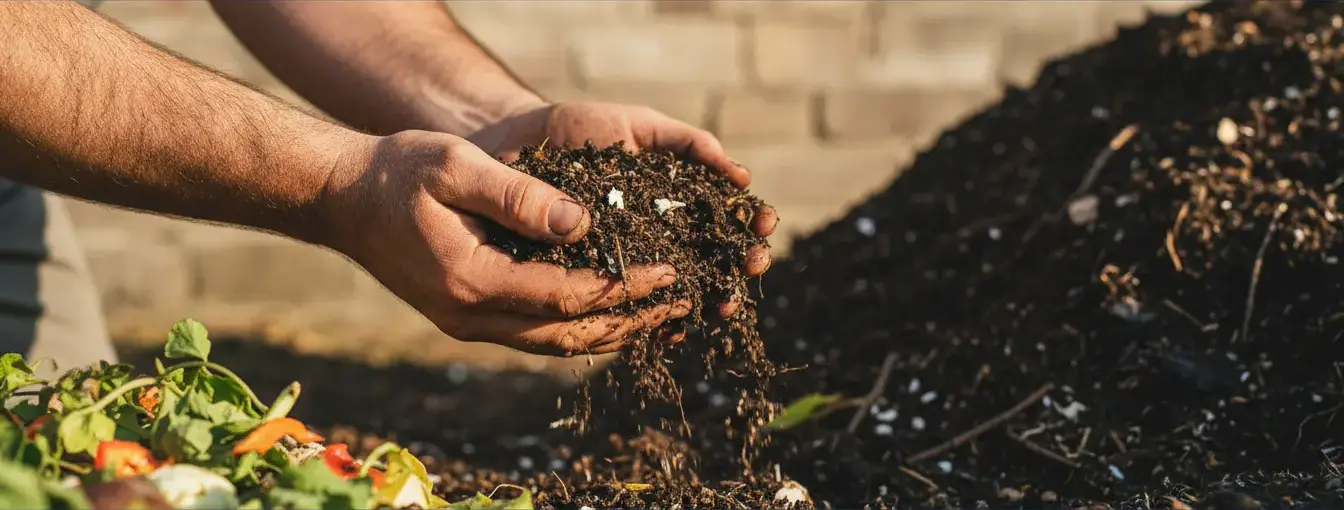
Find the Best Composting & Food Waste Companies for Your Business
No obligation • Fast responses • Nationwide coverage

Why you can trust Restaurant Waste Disposal
Restaurant Waste Disposal is a leading U.S. resource for comparing restaurant composting, food-waste recycling, grease trap cleaning, and used cooking oil collection services. Our editorial team researches providers, checks credentials, and organizes unbiased information so operators can make informed decisions. Companies cannot pay to change ratings or placement.
Search providers near you
Top Composting & Food Waste Companies in St Charles, Missouri Ranked
For restaurants and food service businesses in St. Charles, managing organic waste is a key operational and environmental consideration. While the city does not operate a municipal composting program for commercial entities, effective solutions are readily available through private waste haulers. By partnering with specialized providers, local eateries can divert food scraps from landfills, potentially reduce their overall waste disposal costs, and align with growing consumer expectations for sustainable practices. This guide outlines the practical steps, container options, and guidelines for establishing a successful food waste recycling program for your business.
St. Louis Composting, Inc.
13060 County Park Rd, Florissant, MO 63034
St. Louis Composting, Inc. is based in Florissant, MO, and provides food waste and composting services primarily for restaurants and packaged food manufacturers. They operate nine locations in the St. Louis metro area, offering bulk delivery and retail pickup of compost, soil, mulch, and custom soils. The company specializes in depackaging food waste and organics to divert waste from landfills and convert it into certified compost products. Their services support national grocery retailers and food and beverage manufacturers in meeting waste diversion goals.
St Louis Composting, Inc.
11294 Schaefer Dr, Maryland Heights, MO 63043
St Louis Composting, Inc. is based in St Charles, MO, offering food waste and composting services primarily for restaurants and packaged food manufacturers. They operate nine locations in the St. Louis metro area, providing bulk delivery and retail pickup of compost, soil, mulch, and custom soils. The company specializes in depackaging food waste and organics to divert waste from landfills and convert it into certified compost products. Their compost is STA certified and OMRI-listed, supporting sustainable waste management and environmental goals.
Understanding the Local Landscape for Organic Waste
In St. Charles, residential trash and single-stream recycling are managed through city contracts, but commercial organics diversion operates in the private sector 1. This means restaurants, cafes, grocery stores, and other food-related businesses must proactively seek out services for food scrap collection. The primary pathway is to establish a direct contract with a waste hauler that offers organic recycling services. Major national providers like Republic Services and Waste Management have a strong presence in the St. Charles and St. Louis County area and can provide tailored commercial food waste programs. This model offers flexibility, as services can be customized based on a restaurant's specific volume, space constraints, and budget.
Engaging in food waste recycling is more than just an eco-friendly choice; it can be a strategic business decision. Missouri has guidelines and goals for organic waste diversion, and participating businesses may find they can reduce their volume of general trash, which is subject to landfill tipping fees. Furthermore, demonstrating a commitment to sustainability can enhance a restaurant's brand reputation within the community. The process begins with a clear understanding of what can be composted and how to properly separate materials to avoid contamination, which is critical for the success of any organics program.
Key Service Providers and How to Get Started
The first step for any St. Charles restaurant is to contact local waste haulers to request a consultation and quote. When reaching out to providers like Republic Services or Waste Management, be prepared to discuss your establishment's specifics. Key information they will need includes your average weekly volume of food waste, your current trash and recycling pickup schedule, and the physical space available for additional containers behind your establishment.
Questions to Ask Your Potential Hauler:
- What container sizes and types do you provide for food scraps?
- What is the recommended collection frequency for my estimated volume?
- What are your specific contamination guidelines and policies for rejected loads?
- Can you provide a detailed cost breakdown, including any potential savings from reduced trash service?
- Where is the collected organic material taken for processing?
It's advisable to get quotes from multiple providers to compare services and costs. During these discussions, you can also request educational materials or staff training resources to help ensure your team properly implements the new separation system.
Find the perfect composting & food waste companies for your needs
Get personalized recommendations and expert advice
Container Options and Collection Logistics
Once you select a hauler, you'll work together to determine the right container solution for your space and needs. For most restaurants, options typically include:
- 64-Gallon or 96-Gallon Wheeled Carts: These are ideal for smaller cafes, bakeries, or restaurants with limited back-of-house space. They often feature locking lids to deter pests.
- 2 to 8 Cubic Yard Dumpsters: Larger establishments, hotels, or institutional kitchens may require dedicated dumpsters for organic waste. These are serviced with specialized trucks.
A critical component often required by haulers is the use of certified compostable bin liners (look for the BPI certification logo). These bags help keep containers clean, reduce odors, and prevent contamination, as traditional plastic bags are a major pollutant in the composting stream. Your hauler will establish a regular pickup schedule, which can range from daily for high-volume kitchens to once or twice a week for smaller operations.
What Can and Cannot Go in Your Compost Bin
Adhering to strict contamination guidelines is the most important factor for a successful program. Contaminated loads can be rejected by the processing facility, potentially resulting in additional fees for your business. Here's a general guide, though you should always confirm specifics with your service provider.
Accepted Materials (Typically Include):
- All food scraps: Fruits, vegetables, meat, bones, seafood, dairy products, and eggs.
- Food-soiled paper: Paper napkins, paper towels, uncoated paper plates, and pizza boxes (without plastic liners).
- Coffee-related waste: Coffee grounds and paper filters.
- Compostable serviceware: Items made from PLA, bagasse, or other fibers that are clearly labeled as commercially compostable (BPI-certified).
- Fats, oils, and grease: (Note: Used cooking oil is often collected as a separate, valuable recycling stream).
Strictly Prohibited Materials (Contaminants):
- Plastic bags (unless they are certified compostable).
- Styrofoam (polystyrene) of any kind.
- Traditional plastic, glass, or metal.
- Liquids (these should be drained before disposal).
- Non-compostable packaging, including "biodegradable" plastics that are not BPI-certified.
- Sanitary products, diapers, or pet waste.
Clear signage and staff training are essential to maintain a clean stream. Consider setting up a prep station with separate, clearly labeled bins for compost, recycling, and landfill trash to make the sorting process intuitive for kitchen staff.
The Business Case and Environmental Impact
Implementing a food waste diversion program involves an operational cost, but it also presents several potential financial and reputational benefits. By pulling wet, heavy organic material out of your general trash dumpster, you may be able to reduce the size or frequency of your trash service, offsetting some of the cost of the new composting service. Some waste contracts are structured to reward diversion.
Beyond direct costs, the environmental impact is significant. Food waste in a landfill decomposes anaerobically, producing methane, a potent greenhouse gas. When processed at a commercial composting facility like Republic's Bridgeton Organic Recycling center, organic material is turned into nutrient-rich compost or soil amendments, closing the loop in a valuable way 2. For a St. Charles restaurant, promoting this "farm-to-fork-to-farm" cycle can resonate strongly with customers who value sustainability, providing a tangible story to share about your business's commitment to the community and the planet.
Frequently asked questions
Sources
Footnotes
-
Trash Guidelines | St. Charles, MO - Official Website - https://www.stcharlescitymo.gov/349/Trash-Guidelines ↩
-
St. Charles County, MO Solid Waste Management Code - https://ecode360.com/27753774 ↩