
Find the Best Composting & Food Waste Companies for Your Business
No obligation • Fast responses • Nationwide coverage

Why you can trust Restaurant Waste Disposal
Restaurant Waste Disposal is a leading U.S. resource for comparing restaurant composting, food-waste recycling, grease trap cleaning, and used cooking oil collection services. Our editorial team researches providers, checks credentials, and organizes unbiased information so operators can make informed decisions. Companies cannot pay to change ratings or placement.
Search providers near you
Top Composting & Food Waste Companies in Florissant, Missouri Ranked
For restaurants in Florissant, managing organic waste isn't just about compliance-it's a strategic step toward sustainability and potential cost savings. While the city's municipal regulations focus on general commercial garbage and recycling through licensed haulers, dedicated food scrap diversion requires partnering with private waste service providers. These companies offer tailored organics recycling programs, turning what was once trash into valuable compost. Navigating this process involves understanding container requirements, contamination rules, and scheduling to integrate food waste recycling seamlessly into your daily operations.
St. Louis Composting, Inc.
13060 County Park Rd, Florissant, MO 63034
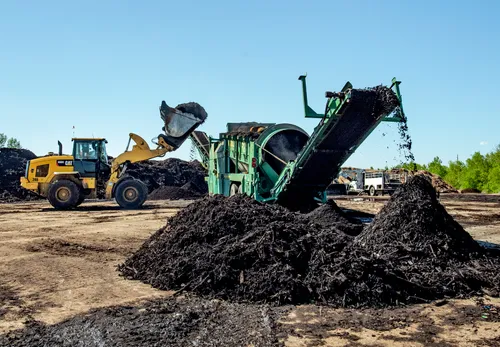
St. Louis Composting, Inc. is based in Florissant, MO, and provides food waste and composting services primarily for restaurants and packaged food manufacturers. They operate nine locations in the St. Louis metro area, offering bulk delivery and retail pickup of compost, soil, mulch, and custom soils. The company specializes in depackaging food waste and organics to divert waste from landfills and convert it into certified compost products. Their services support national grocery retailers and food and beverage manufacturers in meeting waste diversion goals.

St Louis Composting, Inc.
5841 Mine Haul Rd, Belleville, IL 62226
St Louis Composting, Inc. is based in Belleville, IL, and provides composting and food waste recycling services primarily for restaurants and packaged food manufacturers. They operate nine locations in the St. Louis metro area, offering bulk delivery and retail pickup of compost, soil, mulch, and custom soils. The company works with national grocery retailers and food and beverage manufacturers to divert food waste from landfills through depackaging and organic recycling services. Their compost products are STA certified and OMRI-listed, supporting sustainable waste management and soil health.
St Louis Composting, Inc.
11294 Schaefer Dr, Maryland Heights, MO 63043
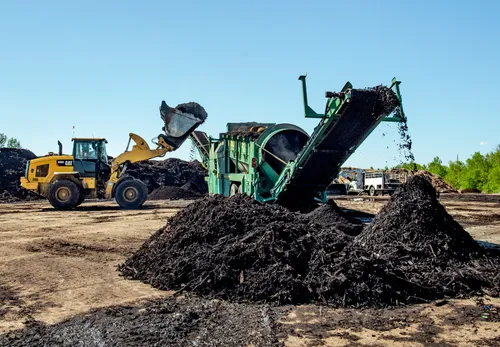
St Louis Composting, Inc. is based in St Charles, MO, offering food waste and composting services primarily for restaurants and packaged food manufacturers. They operate nine locations in the St. Louis metro area, providing bulk delivery and retail pickup of compost, soil, mulch, and custom soils. The company specializes in depackaging food waste and organics to divert waste from landfills and convert it into certified compost products. Their compost is STA certified and OMRI-listed, supporting sustainable waste management and environmental goals.
Understanding Florissant's Waste Framework
The City of Florissant establishes the foundational rules for all commercial waste handling. The municipal code requires that any business, including restaurants, must use a licensed hauler for the collection and transportation of garbage and rubbish. For establishments generating significant volume, there are specific mandates, such as placing approved containers larger than 95 gallons on a concrete pad. It's important to note that these regulations are designed for general solid waste. The city itself does not administer a municipal curbside composting program for food scraps, meaning restaurants seeking to divert organic waste must look to the commercial market for specialized solutions.
The Role of Private Haulers in Organics Recycling
This is where private waste and recycling companies become essential partners. Major national providers like Republic Services and Waste Management, as well as regional haulers serving the St. Louis area, offer commercial organics programs. These services are separate from your standard trash pickup and are designed specifically to handle food waste. By contracting for this service, your restaurant can ensure that food scraps are processed at a commercial composting facility rather than ending up in a landfill. This not only reduces your environmental footprint but can also align with growing customer expectations for sustainable business practices.
Setting Up Your Restaurant's Program
Eligibility and Getting Started
Virtually any food service business in Florissant is eligible to participate in a private food waste recycling program. The first step is to contact local haulers directly to inquire about their "Commercial Organics" or "Food Waste Recycling" services. During these discussions, you'll provide details about your establishment's size, type, and estimated weekly volume of food scraps. This information is crucial for the hauler to recommend an appropriate service level and provide an accurate cost estimate.
Choosing the Right Containers
Container selection is a key operational decision. Private haulers typically provide specialized bins for organics collection. For smaller kitchens or those with limited space, this might involve 32-gallon or 64-gallon totes with tight-sealing lids. For high-volume restaurants, cafeterias, or institutions, larger roll-off dumpsters or dedicated compactors may be the solution. These containers are specifically designed for organic material and are often a different color (like green) to distinguish them from trash and recycling bins, helping to prevent staff confusion and contamination.
Operational Guidelines for Success
Strict Contamination Controls
The single most critical factor for a successful food waste recycling program is preventing contamination. Composting facilities have strict standards because non-compostable materials can ruin entire batches of compost.
- What's IN: Acceptable items typically include fruit and vegetable scraps, meat and bones, dairy products, eggshells, coffee grounds with filters, tea bags, and soiled paper products like uncoated napkins, paper towels, and pizza boxes.
- What's OUT: You must exclude all plastic bags (unless specifically certified compostable), Styrofoam, glass, metals, rubber bands, and liquids like oils and soups. Pouring out liquids and scraping food from service ware is essential.
Managing Liners and Collection
For cleanliness and ease of use, many programs allow or require the use of compostable bag liners inside smaller kitchen collection pails. These liners must be certified by the Biodegradable Products Institute (BPI) to ensure they break down properly in an industrial composting setting. Your staff should be trained to tie off full liners and transfer them to the larger outdoor collection cart or dumpster provided by your hauler.
Pickup Schedules and Logistics
Pickup frequency is highly customizable and is established in your service contract. A small café might only need once-weekly collection, while a bustling restaurant may require pickups several times a week or even daily. The schedule is set based on your volume, container size, and to prevent odor or pest issues. Your hauler will specify placement requirements for the containers on pickup day, ensuring efficient service.
Find the perfect composting & food waste companies for your needs
Get personalized recommendations and expert advice
Financial Considerations and Benefits
Understanding the Costs
Implementing a food waste recycling program represents an additional line item on your waste management bill. Costs are not typically included in standard trash service and vary widely based on factors like container size, pickup frequency, and your geographic location within Florissant. For a smaller setup with a 64-gallon cart and weekly pickup, monthly fees might start in the range of $50 to $150. For larger operations requiring frequent dumpster service, costs can climb into the hundreds or more per month1. It's vital to get detailed quotes from multiple providers to compare pricing and service structures.
Potential for Savings and Value
While there is a cost to adding this service, it can lead to savings in other areas. By diverting heavy, wet food scraps from your general trash dumpster, you may be able to reduce the size of your garbage container or decrease the frequency of trash pickups, potentially lowering that portion of your bill. Furthermore, participating in organics recycling enhances your restaurant's green credentials, which can be a powerful marketing tool and a point of differentiation in a competitive market.
Compliance and Best Practices
Adhering to Local Codes
Even with a private organics program, your restaurant must still comply with Florissant's general commercial waste ordinances. This includes ensuring your hauler is properly licensed by the city and that all outdoor containers-whether for trash, recycling, or compost-are maintained in good condition, are not overfilled, and are stored in their designated areas. Keeping the area around your waste containers clean is not only a best practice for pest control but also a common municipal requirement.
Training Your Team for Success
A program is only as good as its execution. Comprehensive and ongoing staff training is non-negotiable. Use clear signage with pictures above collection bins in the kitchen and dishwashing areas. Conduct regular refreshers to address common mistakes. Empowering a "green champion" on your staff to monitor the bins and answer questions can dramatically improve participation and reduce contamination rates.
Taking the Next Steps
For Florissant restaurant owners and managers ready to explore food waste recycling, a proactive approach is best.
- Research Local Providers: Start by contacting waste haulers that service the Florissant area. Ask specific questions about their organics programs, including contamination policies, provided equipment, and pricing.
- Conduct a Waste Audit: Spend a week tracking how much food waste your kitchen produces. This data will make your conversations with service providers more productive and help you choose the right container size.
- Review the City Code: Familiarize yourself with Chapter 245 of the Florissant Municipal Code regarding commercial waste to ensure your overall waste management plan is compliant 2.
- Plan the Rollout: Once you select a provider, develop an internal communication and training plan before the new bins arrive. A smooth launch sets the tone for long-term success.
Diverting food scraps from the landfill is a tangible action that benefits the environment, can streamline your operations, and builds a positive reputation for your business in the Florissant community.
Frequently asked questions
Sources
Footnotes
-
City of Florissant, MO Containers For Garbage and Rubbish - https://ecode360.com/28080870 ↩
-
City of Florissant, MO Licensing, Collection and Transportation - https://ecode360.com/28080883 ↩