Find the Best Composting & Food Waste Companies for Your Business
No obligation • Fast responses • Nationwide coverage

Why you can trust Restaurant Waste Disposal
Restaurant Waste Disposal is a leading U.S. resource for comparing restaurant composting, food-waste recycling, grease trap cleaning, and used cooking oil collection services. Our editorial team researches providers, checks credentials, and organizes unbiased information so operators can make informed decisions. Companies cannot pay to change ratings or placement.
Search providers near you
Top Composting & Food Waste Companies in Kansas City, Missouri Ranked
For Kansas City restaurants and food service businesses, managing organic waste is no longer just a line-item expense-it's a strategic opportunity. The city offers a growing ecosystem of commercial food scrap recycling services, public initiatives, and innovative pilot programs designed to divert organic material from landfills. By partnering with local haulers or utilizing city resources, establishments can reduce their environmental footprint, potentially lower waste disposal costs, and contribute to a circular economy that turns food scraps into valuable compost for local soil. This guide outlines the key players, program structures, and practical steps for implementing a successful organics diversion strategy in Kansas City.
Commercial Composting Services for Kansas City Businesses
Kansas City's commercial food waste recycling landscape is primarily served by dedicated private haulers who offer tailored solutions. These providers handle the collection, transportation, and ensure the material is processed at a certified composting facility. For restaurants, this means a reliable, outsourced system for managing prep scraps, spoiled inventory, and post-consumer plate waste.
Two prominent local service providers are:
- Compost Collective KC (CCKC): This service offers commercial collection using 64-gallon wheeled totes. They provide compostable liner bags and operate on weekly collection schedules, with pricing structured in tiers that often decrease per unit as you add more totes, making it scalable for businesses of different sizes.
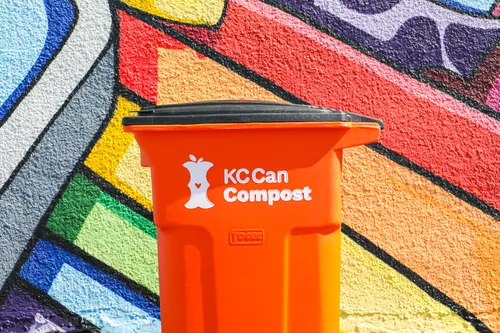
- KC Can Compost: This provider utilizes a system of smaller containers called "KC Cans," which are supplied with liners. They emphasize a partnership model that includes an initial free waste audit, staff training, and an online portal for customers to track their diversion impact and environmental savings.
Eligibility for these commercial organics recycling programs is broad, encompassing not only restaurants and cafes but also offices, schools, hospitals, and event venues. The first step is typically a consultation to assess your waste volume and recommend the right container size and pickup frequency.
Missouri Organic Recycling
7700 E US Hwy 40, Kansas City, MO 64129
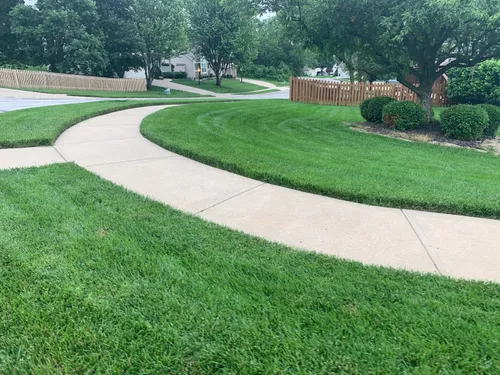
Missouri Organic Recycling is a Kansas City, MO-based company specializing in food waste composting and organic recycling services for restaurants and other commercial clients. They offer delivery and installation of mulch, compost, and soil products using a blower truck system, making it easier to apply materials in residential yards and commercial landscapes. Established in 2005, Missouri Organic Recycling has diverted over 3.2 billion pounds of food and green waste from local landfills, turning it into quality compost and soil products. Their services support sustainable waste management and environmental benefits in the Kansas City area.

Missouri Organic Recycling
11660 N Main St, Kansas City, MO 64155
Missouri Organic Recycling is a Kansas City, MO-based company specializing in food waste recycling and composting services for restaurants and other commercial clients. They provide high-quality compost, mulch, and soil products, along with delivery and blower truck installation services across the KC Metro area. The company has been diverting millions of pounds of food and green waste from local landfills since 2005, contributing to environmental sustainability through their closed-loop recycling process. Missouri Organic Recycling also supports landscape professionals and homeowners with locally produced soil blends and offers multiple convenient drop-off locations for yard waste.
Missouri Organic Recycling (ONLY Open Saturdays)
1815 N Chouteau Trafficway, Kansas City, MO 64120
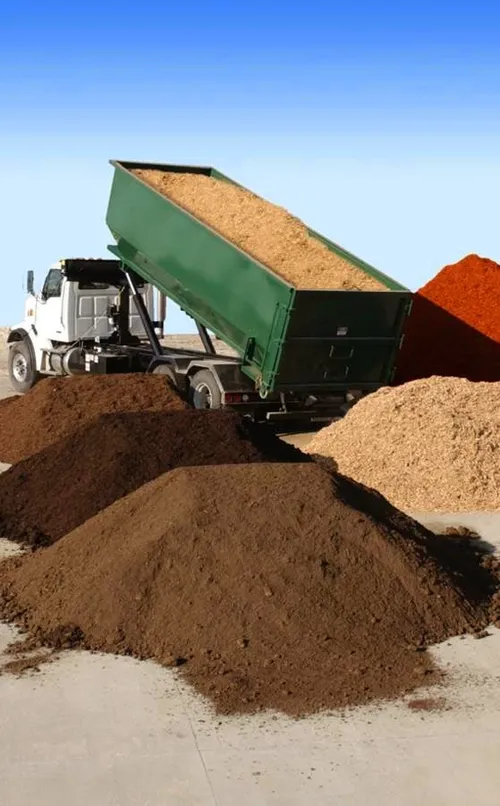
Missouri Organic Recycling in Kansas City, MO, specializes in food waste recycling and composting services for restaurants and other commercial clients. They offer delivery and installation of mulch, compost, and soil products throughout the KC Metro area, using a blower truck system for efficient placement. Established since 2005, the company has diverted billions of pounds of organic waste from local landfills, contributing to environmental sustainability through their closed-loop recycling process. Missouri Organic Recycling operates multiple locations and supports both residential and commercial landscaping needs.
KC Can Compost
3119 Terrace St, Kansas City, MO 64111
KC Can Compost is a nonprofit organization based in Lees Summit, MO, focused on collecting food waste from restaurants and other sources to divert organic material from landfills. They provide composting services while also offering training and employment opportunities in green industry jobs for people facing barriers to employment. Their work helps reduce greenhouse gas emissions by turning food scraps into healthy soil and supports environmental justice through community education and leadership programs.
Container Options and Collection Logistics
Choosing the right container system is crucial for kitchen workflow and contamination prevention. Services in Kansas City generally offer two main types:
- Larger Tote Systems (e.g., 64-gallon): These are similar in size to a standard recycling bin and are ideal for kitchens with higher volume food scrap generation or dedicated prep areas with space. They are often collected weekly.
- Smaller Can Systems (e.g., 5-13 gallon "KC Cans"): These countertop or under-counter bins are designed for easy access during food preparation. They use liners for clean disposal and are serviced regularly, with the frequency tailored to the business's needs.
Collection schedules are customized. Most providers will work with you to align pickups with your trash and recycling days or according to the pace at which your containers fill up. This flexibility ensures the system integrates smoothly with your existing operations without causing odor or space issues.
Preventing Contamination: The Key to Quality Compost
The success of any food scrap recycling program hinges on keeping non-compostable materials out of the stream. Contamination (like plastic, glass, or conventional plastic bags) can ruin entire batches of compost. Local haulers prioritize education to combat this.
The focus is on separating true food waste-including fruit and vegetable scraps, coffee grounds, eggshells, and baked goods-from other materials. Providers like KC Can Compost include staff training as a core part of their service to ensure everyone from dishwashers to head chefs understands what goes in the green bin. Clear signage and consistent bin placement are simple yet effective tools for maintaining a clean stream.
Find the perfect composting & food waste companies for your needs
Get personalized recommendations and expert advice
Understanding Costs and Potential Savings
Pricing for commercial food waste collection in Kansas City is typically volume-based. For a service like Compost Collective KC, commercial pricing can start in the range of $20-$30 per month for a single tote, with the per-tote cost decreasing as you add more volume 1 2. KC Can Compost structures its commercial pricing based on the specific service level and container needs determined during the audit 3.
While there is a direct cost for adding this service, many businesses find it leads to net savings. By diverting heavy, wet organic material from the trash, you can often reduce the size or frequency of your garbage dumpster service, offsetting the cost of composting. The free waste audits offered by providers are designed to identify these potential savings.
Public Programs and Drop-Off Options
Beyond private haulers, the City of Kansas City itself operates programs that businesses and residents can utilize.
- Public Drop-Off Sites: The city maintains kitchen scrap drop-off locations at various community centers and recycling centers. While primarily aimed at residents, these sites can be an option for very small food businesses or cafes with minimal organic waste to manage on a DIY basis 4.
- Innovative Pilot Programs: Kansas City is testing new technology to process food scraps. A notable pilot partnership with Mill involves installing special kitchen bins that grind and dehydrate food waste into a dry, inert material at municipal buildings like community centers and fire stations. This reduces volume and odor, showcasing the city's commitment to innovative waste solutions 5 6.
Getting Started with Organics Diversion
Implementing a food scrap recycling program involves a few key steps:
- Conduct a Internal Audit: Spend a week observing your waste. How much food waste do you generate? Where in the workflow is it created?
- Contact Service Providers: Reach out to local haulers like Compost Collective KC or KC Can Compost for a consultation and quote. Discuss container options, schedules, and their training support.
- Plan Your Kitchen Layout: Decide where collection bins will be placed-both at prep stations (small bins) and at the final collection point (large tote).
- Train Your Team: Use the resources from your provider to conduct a kick-off training. Emphasize the "why" and the "what" to ensure buy-in.
- Launch and Refine: Start the service, monitor for contamination, and be prepared to re-train or adjust bin placement as needed.
Diverting food waste is a tangible step toward sustainability that customers notice and appreciate. It aligns with Kansas City's broader environmental goals, including reducing landfill reliance as area landfills near capacity 7. By choosing to recycle organic material, local restaurants contribute directly to creating compost that can enrich community gardens and urban farms, closing the loop from farm to table and back again.
Frequently asked questions
Sources
Footnotes
-
Commercial - Compost Collective KC - https://www.compostcollectivekc.com/commercial-collection/ ↩
-
Thinking about composting? Here's how to start recycling your food ... - https://www.kcur.org/news/2023-01-11/composting-kansas-city-food-waste-recycling-landfill-bins-environment ↩
-
Commercial Organics Recycling in Kansas City - https://kccancompost.com/commercial ↩
-
Composting Program Kitchen Scrap Drop Off - https://www.kcmo.gov/city-hall/trash-and-recycling/compost ↩
-
Kansas City's new composting bins grind, dehydrate and report back | StateScoop - https://statescoop.com/kansas-city-mo-mill-composting-bins/ ↩
-
Expanding Food Waste Recycling - City of Kansas City - https://www.kcmo.gov/Home/Components/News/News/2541/16 ↩
-
Kansas City will start turning food waste into compost as area landfills near capacity | KCUR - https://www.kcur.org/news/2025-07-17/kansas-city-will-start-turning-food-waste-into-compost-to-avoid-the-landfill ↩