Find the Best Composting & Food Waste Companies for Your Business
No obligation • Fast responses • Nationwide coverage

Why you can trust Restaurant Waste Disposal
Restaurant Waste Disposal is a leading U.S. resource for comparing restaurant composting, food-waste recycling, grease trap cleaning, and used cooking oil collection services. Our editorial team researches providers, checks credentials, and organizes unbiased information so operators can make informed decisions. Companies cannot pay to change ratings or placement.
Search providers near you
Top Composting & Food Waste Companies in St Peters, Missouri Ranked
For restaurant owners and food service managers in St. Peters, managing organic waste is a critical operational and environmental consideration. While the city provides a strong foundation for commercial waste and recycling, establishing a dedicated food scrap diversion program requires proactive coordination. The City of St. Peters offers robust commercial waste services through its Recycle City facility, including a range of container sizes and a modern Material Recovery Facility (MRF) to process recyclables. However, a municipal-wide organics recycling or composting program for restaurants is not explicitly detailed, meaning businesses seeking to compost food waste must often navigate a combination of city resources and private service providers. Successfully diverting organic material from the landfill hinges on understanding local regulations, available container options, and the importance of preventing contamination in all waste streams.
St. Louis Composting, Inc.
13060 County Park Rd, Florissant, MO 63034
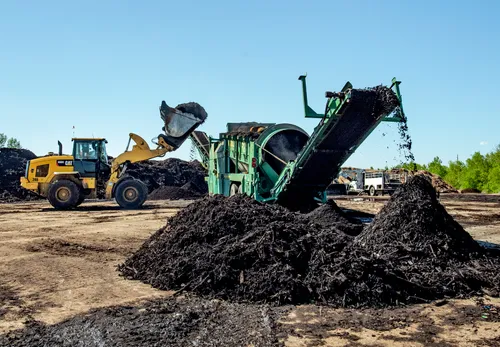
St. Louis Composting, Inc. is based in Florissant, MO, and provides food waste and composting services primarily for restaurants and packaged food manufacturers. They operate nine locations in the St. Louis metro area, offering bulk delivery and retail pickup of compost, soil, mulch, and custom soils. The company specializes in depackaging food waste and organics to divert waste from landfills and convert it into certified compost products. Their services support national grocery retailers and food and beverage manufacturers in meeting waste diversion goals.
St Louis Composting, Inc.
11294 Schaefer Dr, Maryland Heights, MO 63043
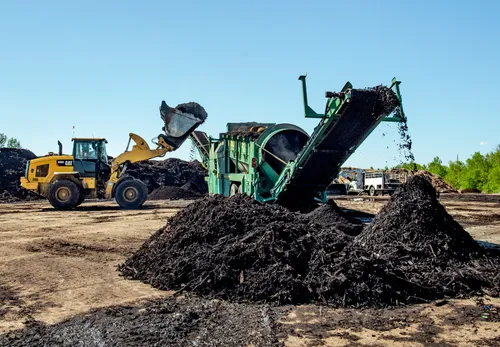
St Louis Composting, Inc. is based in St Charles, MO, offering food waste and composting services primarily for restaurants and packaged food manufacturers. They operate nine locations in the St. Louis metro area, providing bulk delivery and retail pickup of compost, soil, mulch, and custom soils. The company specializes in depackaging food waste and organics to divert waste from landfills and convert it into certified compost products. Their compost is STA certified and OMRI-listed, supporting sustainable waste management and environmental goals.
Understanding Commercial Waste Services in St. Peters
The City of St. Peters structures its commercial solid waste management to offer flexibility for businesses of varying sizes. The primary point of contact for restaurants is the city's Commercial Waste Services, operated out of Recycle City at 131 Ecology Drive. This facility is the hub for tailoring waste plans to specific business needs. For standard trash and recycling, the city provides a wide array of container options, from small ½-cubic-yard bins up to large 8-cubic-yard dumpsters, plus roll-off containers ranging from 20 to 40 yards for construction debris or large clean-outs. This infrastructure is essential, but it's important to note that these standardized containers are typically designated for general trash or commingled recyclables. Dedicated containers for source-separated food scraps are not a standard offering from the municipal service, indicating that specialized organic waste management requires additional steps.
The Role of Recycle City and the Material Recovery Facility (MRF)
A key asset for St. Peters businesses is the Recycle City complex and its new Material Recovery Facility (MRF). This facility is designed to efficiently sort and process commercial recyclables, which helps reduce contamination rates and improves the economics of recycling programs. For a restaurant, this underscores the city's commitment to proper waste stream separation. While the MRF focuses on traditional recyclables like cardboard, paper, plastics, and metals, its existence reflects a waste management philosophy that values diversion. When inquiring about food waste solutions, restaurants should initiate the conversation with Recycle City staff. They can provide the most current guidance on whether any pilot programs for organics exist, recommend licensed private haulers who specialize in food scrap collection, and explain how a dedicated composting stream might integrate with your existing trash and recycling pickup schedules.
Navigating Regulations and Compliance
Compliance with local and state regulations is a non-negotiable aspect of commercial waste management in Missouri. The City of St. Peters has codified ordinances governing solid waste to protect public health and the environment 1. For any business, including restaurants, proper storage, handling, and disposal of waste is legally required to avoid creating health hazards or environmental nuisances. Crucially, businesses that transport their own waste-or any third-party hauler you contract with-must secure the necessary permits to operate within the city 1. This means that if you partner with a private company for food waste collection, verifying their licensing is your responsibility. Adherence to these codes not only avoids potential fines but also supports the broader community's waste reduction goals. Proper separation of organic material can also mitigate issues like pests and odors associated with mixed waste, contributing to a cleaner and more compliant operation.
The Critical Issue of Contamination
Whether dealing with recycling or a potential food scrap stream, contamination is the enemy of efficient processing. Contamination occurs when non-recyclable or non-compostable materials are placed in the dedicated container. For example, a plastic wrapper or rubber glove tossed into a bin of food scraps can disrupt the composting process. The city's investment in the MRF highlights the importance placed on clean material streams 2. For a restaurant considering organics diversion, implementing clear staff training on what constitutes food waste (e.g., fruit and vegetable peels, coffee grounds, eggshells) and what does not (e.g., plastic film, utensils, styrofoam) is paramount. A well-managed, contamination-free organics stream is more valuable to processors and is key to making such programs sustainable and cost-effective in the long run.
Find the perfect composting & food waste companies for your needs
Get personalized recommendations and expert advice
Building a Food Waste Diversion Program: Steps for Restaurants
Given the current landscape, establishing a composting or food waste recycling program in St. Peters is a proactive endeavor. Here is a practical pathway for restaurant managers:
- Conduct a Waste Audit: Start by assessing the volume and type of organic waste your kitchen produces. This data is crucial for discussing service needs with providers.
- Contact Recycle City: Schedule a consultation with St. Peters' Commercial Waste Services at Recycle City. Discuss your goals for food waste diversion. They can clarify city guidelines, container logistics for a potential new waste stream, and provide referrals to licensed private haulers active in the area.
- Research Private Haulers: Major national waste management companies like Waste Management and Republic Services, as well as regional specialists, may offer commercial food scrap collection services in the St. Charles County area. Solicit quotes and service details from several providers.
- Evaluate Costs and Logistics: Understand the full cost structure, which will vary based on container size, pickup frequency, and the hauler's processing fees for organic material 3. Coordinate pickup schedules to align with your kitchen's production volume and space constraints for additional bins.
- Train Your Team and Launch: Develop simple, visual guides for staff. Clearly label new bins for food scraps only. Start the program and monitor for contamination, providing ongoing feedback to ensure success.
Container Options and Service Schedules
While the city offers standardized containers for trash and recycling, the specific bins for food waste collection will depend on your chosen hauler. These are often specialized carts designed to seal in odors and may be a different size than your other dumpsters. Service schedules are highly customizable based on your business's generation rate. A high-volume restaurant may need pickup several times a week, while a smaller cafe might only need weekly service. These details-container type, size, and pickup frequency-are typically finalized in the service agreement with your private provider or in coordination with Recycle City if a municipal option becomes available.
The Benefits of Diverting Organic Waste
Beyond regulatory compliance, diverting food scraps from the landfill offers tangible benefits for St. Peters restaurants. Environmentally, it reduces greenhouse gas emissions (as food decomposing in landfills produces methane) and creates nutrient-rich compost instead of waste. Economically, it can potentially lower disposal costs by reducing the volume of your most expensive waste stream-general trash. Furthermore, it enhances your business's sustainability profile, which is increasingly valued by customers and the community. By taking the initiative to manage food waste responsibly, your restaurant contributes directly to the city's broader waste reduction and recycling goals, supporting a cleaner St. Peters for everyone.
Frequently asked questions
Sources
Footnotes
-
City of St. Peters, MO Solid Waste - eCode360 - https://ecode360.com/28263424 ↩ ↩2
-
Trash Services | St Peters, MO - https://www.stpetersmo.net/207/Trash-Services ↩
-
Commercial Trash Services - St Peters, MO - https://www.stpetersmo.net/585/Commercial-Trash-Services ↩