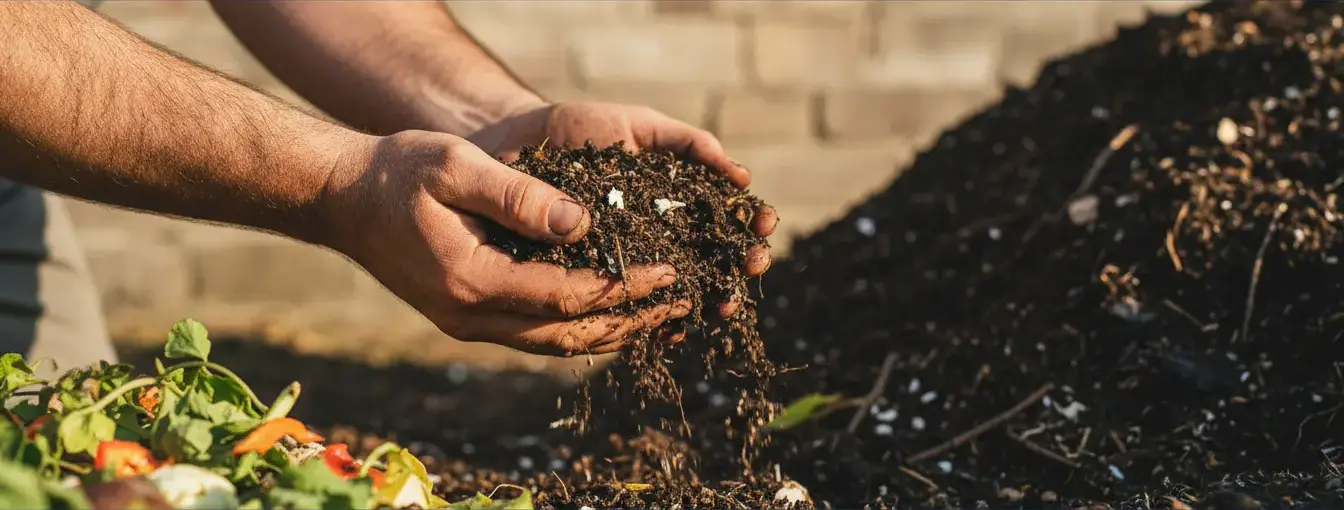
Find the Best Composting & Food Waste Companies for Your Business
No obligation • Fast responses • Nationwide coverage

Why you can trust Restaurant Waste Disposal
Restaurant Waste Disposal is a leading U.S. resource for comparing restaurant composting, food-waste recycling, grease trap cleaning, and used cooking oil collection services. Our editorial team researches providers, checks credentials, and organizes unbiased information so operators can make informed decisions. Companies cannot pay to change ratings or placement.
Search providers near you
Top Composting & Food Waste Companies in St Louis, Missouri Ranked
For St. Louis restaurants, managing food scraps and organic waste is more than just a line item-it's a key component of sustainability and operational efficiency. The city's commercial food waste recycling landscape is built on a network of private haulers and processors, offering tailored solutions to divert tons of material from landfills each year. By partnering with a dedicated organic waste service, food service businesses can reduce their environmental footprint, potentially lower their overall waste disposal costs, and align with growing consumer expectations for eco-conscious practices. This guide outlines the local providers, processes, and practical steps for implementing a successful organics diversion program in your establishment.
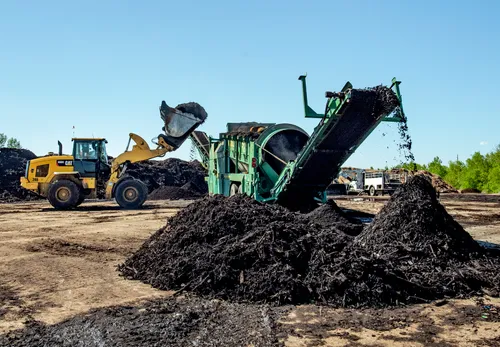
St. Louis Composting, Inc.
13060 County Park Rd, Florissant, MO 63034
St. Louis Composting, Inc. is based in Florissant, MO, and provides food waste and composting services primarily for restaurants and packaged food manufacturers. They operate nine locations in the St. Louis metro area, offering bulk delivery and retail pickup of compost, soil, mulch, and custom soils. The company specializes in depackaging food waste and organics to divert waste from landfills and convert it into certified compost products. Their services support national grocery retailers and food and beverage manufacturers in meeting waste diversion goals.
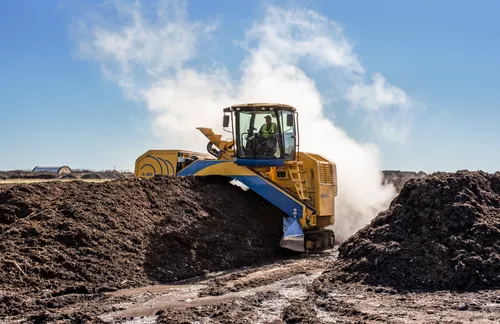
St Louis Composting, Inc.
5841 Mine Haul Rd, Belleville, IL 62226
St Louis Composting, Inc. is based in Belleville, IL, and provides composting and food waste recycling services primarily for restaurants and packaged food manufacturers. They operate nine locations in the St. Louis metro area, offering bulk delivery and retail pickup of compost, soil, mulch, and custom soils. The company works with national grocery retailers and food and beverage manufacturers to divert food waste from landfills through depackaging and organic recycling services. Their compost products are STA certified and OMRI-listed, supporting sustainable waste management and soil health.
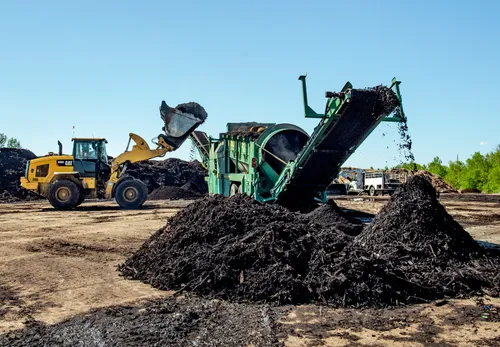
St Louis Composting, Inc.
11294 Schaefer Dr, Maryland Heights, MO 63043
St Louis Composting, Inc. is based in St Charles, MO, offering food waste and composting services primarily for restaurants and packaged food manufacturers. They operate nine locations in the St. Louis metro area, providing bulk delivery and retail pickup of compost, soil, mulch, and custom soils. The company specializes in depackaging food waste and organics to divert waste from landfills and convert it into certified compost products. Their compost is STA certified and OMRI-listed, supporting sustainable waste management and environmental goals.
Understanding Commercial Organics Recycling in St. Louis
A critical first step is understanding the regulatory framework. The City of St. Louis provides refuse collection services exclusively for residential properties 1 2. Therefore, all non-residential entities, including restaurants, cafes, and catering companies, are required by law to contract with private waste haulers for all their disposal needs 1. This mandate creates a direct market for specialized organic waste recycling services. You are already choosing a vendor for your trash and recycling; adding a dedicated food scrap collection service is a logical extension of that process.
The good news is that any restaurant generating food waste is eligible to participate. While community initiatives like "Project Compost" have targeted specific areas like downtown to boost participation, commercial food businesses citywide can enroll with a hauler 3. The system is designed to be scalable, from a small café with a single tote to a large hotel kitchen requiring frequent dumpster pickups.
Local Service Providers for Food Scrap Collection
Several key players facilitate organic waste recycling for St. Louis businesses. The most prominent local hauler specializing in this service is Total Organics Recycling (TOR). TOR provides commercial organic waste pickup for restaurants, schools, hospitals, and other institutions, transporting the collected material to processing facilities 4.
The primary end-point for this commercially collected material is St. Louis Composting, a large-scale commercial composting facility. This facility utilizes high-heat composting methods capable of processing a wide range of materials, including meat, dairy, and bones, which are often excluded from backyard compost piles. The finished compost is then sold for agricultural and landscaping use, closing the loop.
While entities like New Earth Farm offer valuable residential drop-off and subscription services, and non-profit models like KC Can Compost operate in neighboring regions, the backbone for consistent, high-volume restaurant food waste recycling in St. Louis is the partnership between private haulers like TOR and processors like St. Louis Composting 5.
What Can and Cannot Go in Your Compost Bin
Clear guidelines on acceptable materials are essential for a contamination-free program. Contamination with non-compostable items can disrupt the processing cycle and potentially result in rejected loads.
Accepted food waste typically includes:
- All food scraps and plate scrapings from customers.
- Fruit and vegetable trimmings from food prep.
- Meat, poultry, fish, bones, and seafood shells.
- Dairy products like cheese and yogurt.
- Bread, pasta, grains, and baked goods.
- Coffee grounds and filters, tea bags.
- Napkins and paper towels (if unused for chemical cleaning).
Materials to exclude (unless specifically confirmed by your hauler):
- Plastic bags, wrappers, or packaging.
- Conventional plastic utensils, straws, or serviceware.
- Glass, metal, or foam containers.
- Large quantities of cooking oils or liquids.
- "Compostable" plastics unless they are certified and your hauler explicitly accepts them. These often require industrial facilities to break down and can contaminate the stream if not properly managed 6.
Find the perfect composting & food waste companies for your needs
Get personalized recommendations and expert advice
Setting Up Your Service: Containers, Schedules, and Logistics
Implementing a food waste program involves practical logistics. Your service provider will typically supply specialized containers. These are often lidded, locking totes, frequently colored yellow to distinguish them from trash and recycling bins. Some services operate on a clean-swap system, where they leave a clean bin and take the full one on pickup day.
Pickup schedules are customized based on your establishment's volume of organic waste. Common frequencies include weekly or bi-weekly service, though larger generators may require more frequent pickups 7. The key is to size your container and schedule correctly to avoid overflow without paying for unused capacity. A reputable hauler will help you conduct a waste audit to determine the right fit.
Costs, Savings, and Program Management
The cost for commercial food waste recycling in St. Louis varies based on volume, container size, and pickup frequency. Providers generally offer custom quotes. While there is an added line item for this service, many restaurants find it can lead to net savings. By diverting heavy, wet organic material from your general trash dumpster, you can often downsize your regular trash service or reduce its pickup frequency, offsetting the cost of the composting program 8. Case studies of local programs indicate annual costs can range from a few hundred to a few thousand dollars, depending on the scale of operation 8 9.
Successful program management hinges on staff training and clear signage. Place collection bins in visible, accessible locations in both the back-of-house (kitchen prep areas, dish pits) and front-of-house (bus stations). Use simple, graphic signs above bins to remind staff and customers what goes where. This minimizes contamination and ensures high participation rates, maximizing the environmental and economic benefits of your program.
The Broader Impact of Restaurant Composting
Participating in organics recycling extends your restaurant's positive impact beyond the balance sheet. Diverting food waste from landfills reduces methane emissions, a potent greenhouse gas. It also supports the local circular economy by creating nutrient-rich compost that nourishes area farms and gardens 10. Furthermore, it demonstrates a tangible commitment to sustainability that resonates with employees and the growing segment of eco-conscious diners in St. Louis. It's a concrete step toward the city's broader waste reduction and sustainability goals, positioning your business as a community leader.
Frequently asked questions
Sources
Footnotes
-
Prepare for Residential Refuse Collection - City of St. Louis, MO - https://www.stlouis-mo.gov/government/departments/street/refuse/resident-collection/refuse-collection.cfm ↩ ↩2
-
Residential Refuse Collection Rules - City of St. Louis - https://www.stlouis-mo.gov/government/departments/street/refuse/resident-collection/rules.cfm ↩
-
17 Downtown St. Louis Eateries Taking Part in Project Compost - https://www.feastmagazine.com/restaurants/the-feed-17-downtown-st-louis-eateries-taking-part-in-project-compost/article_bca51832-00d3-11e2-aa65-001a4bcf6878.html ↩
-
Total Organics Recycling: Commercial Organics and Food Waste ... - https://www.totalorganicsrecycling.com/ ↩
-
Restaurant Waste Services in Missouri - https://restaurantdisposal.com/composting-food-waste/mo ↩
-
Compost Food Scraps | earthday365 - https://earthday-365.org/compost-food-scraps/ ↩
-
New Earth Farm: Residential Composting - St. Louis - https://compoststl.com/ ↩
-
Solution: Food Waste Recovery - OneSTL - http://www.onestl.org/toolkit/list/practice/food-waste-recovery ↩ ↩2
-
St. Louis Delivers Successful Commercial Food Waste Program - https://illinoiscomposts.org/case-studies/st-louis-delivers-successful-commercial-food-waste-program/ ↩
-
Organic Waste Pickup - St. Louis Composting - https://www.stlcompost.com/food-waste-recycling ↩