Find the Best Composting & Food Waste Companies for Your Business
No obligation • Fast responses • Nationwide coverage

Why you can trust Restaurant Waste Disposal
Restaurant Waste Disposal is a leading U.S. resource for comparing restaurant composting, food-waste recycling, grease trap cleaning, and used cooking oil collection services. Our editorial team researches providers, checks credentials, and organizes unbiased information so operators can make informed decisions. Companies cannot pay to change ratings or placement.
Search providers near you
Top Composting & Food Waste Companies in OFallon, Missouri Ranked
For restaurant owners and food service managers in O'Fallon, managing organic waste responsibly is a key operational and environmental consideration. While the city provides robust residential trash and recycling services, commercial food scrap diversion requires partnering with private waste haulers. Navigating the options for food waste recycling and composting can help your business reduce its landfill footprint, potentially lower waste costs, and meet growing customer expectations for sustainability. This guide outlines the local landscape, rules, and practical steps for implementing a successful organics diversion program in O'Fallon.
St. Louis Composting, Inc.
13060 County Park Rd, Florissant, MO 63034
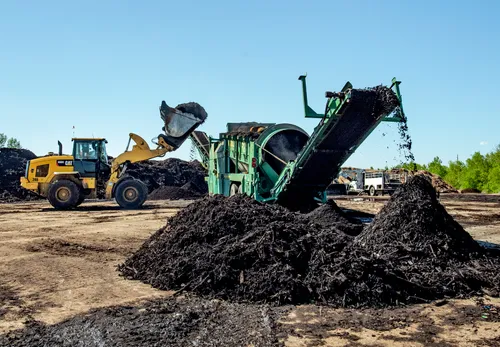
St. Louis Composting, Inc. is based in Florissant, MO, and provides food waste and composting services primarily for restaurants and packaged food manufacturers. They operate nine locations in the St. Louis metro area, offering bulk delivery and retail pickup of compost, soil, mulch, and custom soils. The company specializes in depackaging food waste and organics to divert waste from landfills and convert it into certified compost products. Their services support national grocery retailers and food and beverage manufacturers in meeting waste diversion goals.
St Louis Composting, Inc.
11294 Schaefer Dr, Maryland Heights, MO 63043
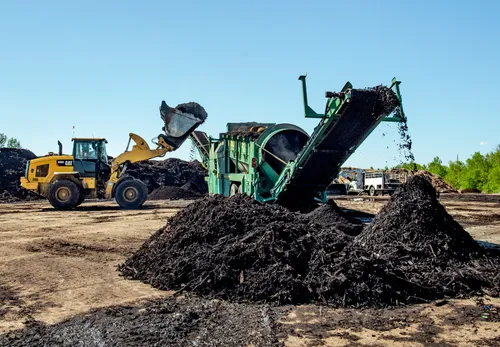
St Louis Composting, Inc. is based in St Charles, MO, offering food waste and composting services primarily for restaurants and packaged food manufacturers. They operate nine locations in the St. Louis metro area, providing bulk delivery and retail pickup of compost, soil, mulch, and custom soils. The company specializes in depackaging food waste and organics to divert waste from landfills and convert it into certified compost products. Their compost is STA certified and OMRI-listed, supporting sustainable waste management and environmental goals.
Understanding O'Fallon's Waste Management Structure
O'Fallon's Environmental Services department handles trash, recycling, and yard waste collection for residents, but does not operate a municipal composting program for commercial entities like restaurants 1. This means the responsibility for diverting food scraps from the landfill falls on individual businesses. The commercial sector must seek out private waste management companies that offer specialized organics collection services. This model is common in many Missouri municipalities, where commercial food waste recycling is driven by the private market rather than city mandate.
Finding a Commercial Food Waste Hauler
The first step is to contract with a private hauler that services the St. Louis metropolitan area, including O'Fallon. National providers like Waste Management and Republic Services often have commercial organics programs. Additionally, exploring local or regional providers can be beneficial. Companies such as Evergreen Recycling or services operating in the broader St. Charles and St. Louis county areas may offer tailored solutions. When researching, it's crucial to confirm they provide service to O'Fallon specifically and that their offerings include the collection of pre-consumer and post-consumer food waste for composting.
What to Ask Potential Providers
Getting clear quotes and service details is essential. Key questions include:
- Service Scope: Do you provide collection for composting, or for anaerobic digestion?
- Container Options: What types and sizes of indoor and outdoor containers do you supply?
- Pickup Schedule: How frequently is collection offered (e.g., daily, weekly)?
- Pricing Structure: What is the monthly cost, and are there fees for bin rental, liners, or contamination?
- Acceptable Materials: Can you provide a detailed list of what is and is not accepted in your organics stream?
Rules and Guidelines for Contamination-Free Collection
To ensure your food waste is successfully composted, adhering to strict guidelines is non-negotiable. Haulers and composting facilities must follow Missouri Department of Natural Resources (MoDNR) standards, and contamination can lead to rejected loads or additional fines 2. Clear communication and training for your entire staff are the foundations of a clean stream.
What CAN Typically Be Composted:
- All food scraps: fruits, vegetables, grains, bread, meat, bones, dairy, and eggs.
- Coffee grounds and paper filters.
- Unsoiled paper napkins, paper towels, and pizza boxes (free of wax coating).
- Certified compostable serviceware and bags (look for BPI or ASTM D6400 certification).
What CANNOT Go in the Compost Bin (Common Contaminants):
- Plastics: This includes bags (unless certified compostable), wrappers, utensils, and straws.
- Liquids: Cooking oils, grease, soups, and beverages.
- Other Non-Organics: Glass, metal, rubber bands, and Styrofoam.
- "Biodegradable" Plastics: These are not the same as compostable and often do not break down in commercial facilities.
Find the perfect composting & food waste companies for your needs
Get personalized recommendations and expert advice
Setting Up Your Kitchen for Success
A well-designed system inside your kitchen prevents contamination and makes participation easy for your team.
- Start Small: Begin by collecting pre-consumer scraps from food prep (peels, ends, spoiled produce) before expanding to post-consumer plate waste.
- Choose the Right Indoor Bins: Use small, lidded pails (5-10 gallon) with a foot pedal, lined with a certified compostable bag or newspaper. Place them conveniently at prep stations and dishwashing areas.
- Label Clearly: Use signs and labels with pictures to show exactly what goes in the compost bin versus trash or recycling.
- Designate an Outdoor Storage Area: Your hauler will provide a larger wheeled cart (typically 32-96 gallons). Ensure it's stored on a concrete pad in a shaded, accessible location for pickup.
Container Types and Collection Schedules
Service details will vary by provider. Common outdoor container sizes range from 32-gallon carts to 64- or 96-gallon rolling carts, similar in size to large trash or recycling bins. For high-volume establishments, dumpster-sized containers may be available. Pickup frequency is typically 1 to 3 times per week, depending on your establishment's output and the hauler's route. It's important to size your service correctly-too infrequent pickup can lead to odor and pest issues, while over-sizing means you're paying for unused capacity.
Understanding the Costs
Investing in food waste diversion involves operational costs. Pricing for commercial food scrap collection is not standardized and depends on volume, pickup frequency, and your chosen hauler 3. Restaurant owners can generally expect monthly fees to start in the range of $50 to $200 or more for a basic cart service. Additional costs may include one-time charges for bins or recurring fees for compostable liner bags. While this is an added line item, many businesses find they can offset costs by reducing the size or frequency of their trash dumpster service, as organics are diverted away from the general waste stream.
Benefits Beyond Compliance
While there is no city or state mandate requiring commercial food waste composting in O'Fallon at this time, the benefits of starting a program are compelling. Diverting organics reduces greenhouse gas emissions from landfills, creates nutrient-rich compost for agriculture, and demonstrates a tangible commitment to environmental stewardship. This can enhance your brand's reputation, align with corporate sustainability goals, and appeal to eco-conscious patrons. It's a proactive step toward a more circular and sustainable local economy.
Frequently asked questions
Sources
Footnotes
-
Environmental Services - City of O'Fallon, MO - https://www.ofallonmo.gov/departments/environmental_services/index.php ↩
-
City of O'Fallon, MO Solid Waste - eCode360 - https://ecode360.com/27595593 ↩
-
Used Cooking Oil Pickup vs Drop-Off-What's Best for Restaurants? - https://www.greaseprosrecycling.com/used-cooking-oil-pickup-vs-drop-off/ ↩