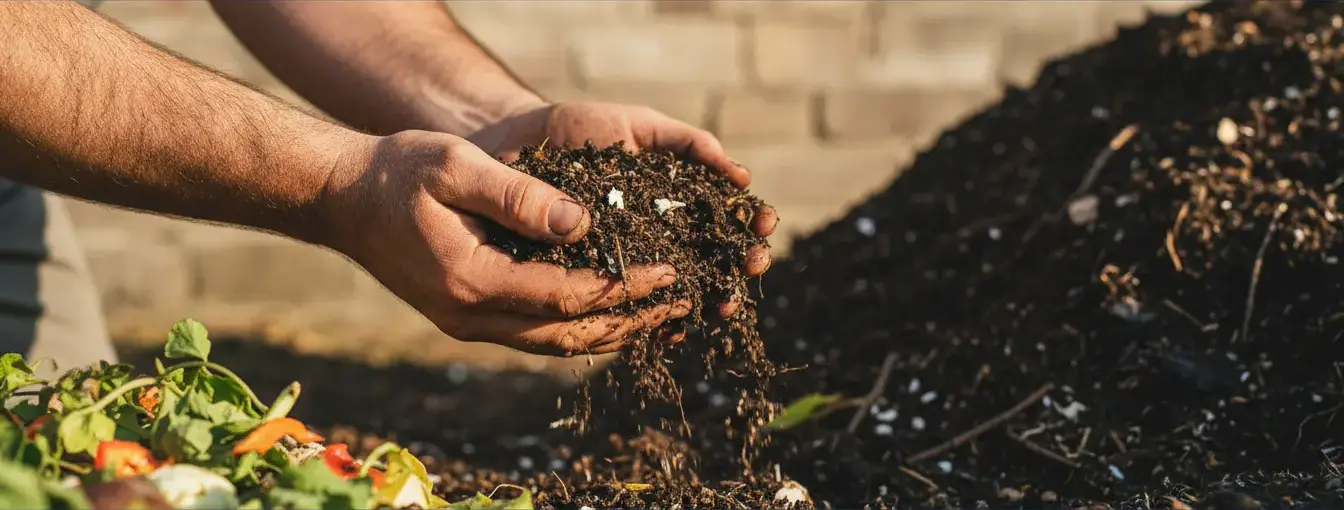
Find the Best Composting & Food Waste Companies for Your Business
No obligation • Fast responses • Nationwide coverage

Why you can trust Restaurant Waste Disposal
Restaurant Waste Disposal is a leading U.S. resource for comparing restaurant composting, food-waste recycling, grease trap cleaning, and used cooking oil collection services. Our editorial team researches providers, checks credentials, and organizes unbiased information so operators can make informed decisions. Companies cannot pay to change ratings or placement.
Search providers near you
Top Composting & Food Waste Companies in Independence, Missouri Ranked
For restaurant owners and managers in Independence, managing food scraps and organic waste is a critical operational and environmental consideration. Implementing a robust food waste diversion program can reduce landfill costs, support local sustainability goals, and meet growing customer expectations for eco-friendly practices. While specific municipal mandates common in other states may not be in place here, effective organic waste recycling is both achievable and beneficial through local services and proactive planning. This guide outlines the pathways available for Independence restaurants to handle food waste, from understanding local resources to setting up a successful composting or recycling system.
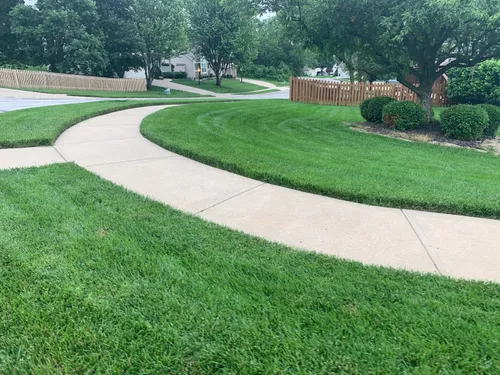
Missouri Organic Recycling
7700 E US Hwy 40, Kansas City, MO 64129
Missouri Organic Recycling is a Kansas City, MO-based company specializing in food waste composting and organic recycling services for restaurants and other commercial clients. They offer delivery and installation of mulch, compost, and soil products using a blower truck system, making it easier to apply materials in residential yards and commercial landscapes. Established in 2005, Missouri Organic Recycling has diverted over 3.2 billion pounds of food and green waste from local landfills, turning it into quality compost and soil products. Their services support sustainable waste management and environmental benefits in the Kansas City area.
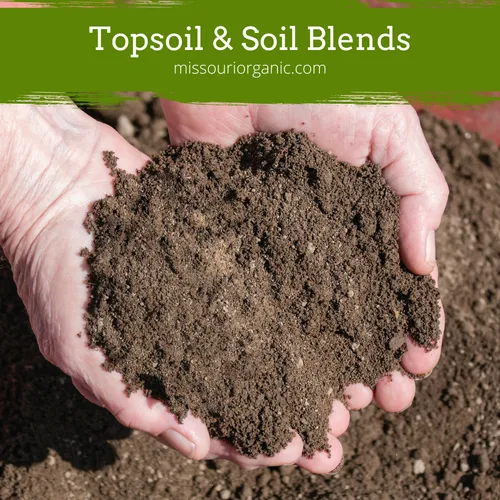
Missouri Organic Recycling
11660 N Main St, Kansas City, MO 64155
Missouri Organic Recycling is a Kansas City, MO-based company specializing in food waste recycling and composting services for restaurants and other commercial clients. They provide high-quality compost, mulch, and soil products, along with delivery and blower truck installation services across the KC Metro area. The company has been diverting millions of pounds of food and green waste from local landfills since 2005, contributing to environmental sustainability through their closed-loop recycling process. Missouri Organic Recycling also supports landscape professionals and homeowners with locally produced soil blends and offers multiple convenient drop-off locations for yard waste.
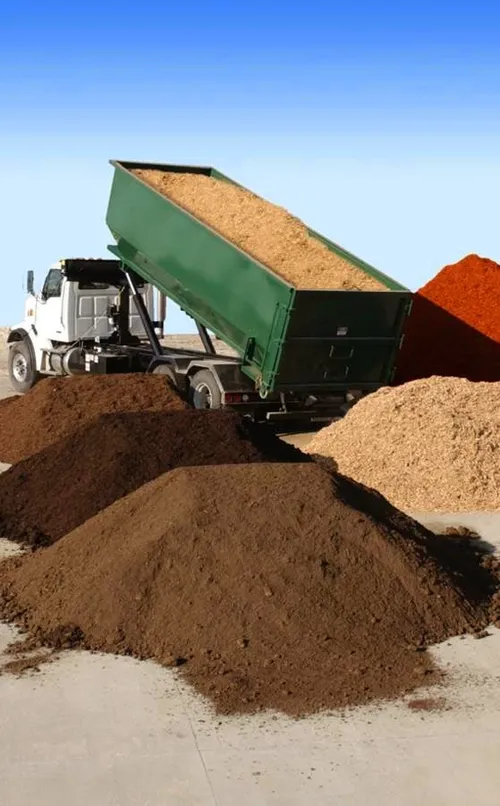
Missouri Organic Recycling (ONLY Open Saturdays)
1815 N Chouteau Trafficway, Kansas City, MO 64120
Missouri Organic Recycling in Kansas City, MO, specializes in food waste recycling and composting services for restaurants and other commercial clients. They offer delivery and installation of mulch, compost, and soil products throughout the KC Metro area, using a blower truck system for efficient placement. Established since 2005, the company has diverted billions of pounds of organic waste from local landfills, contributing to environmental sustainability through their closed-loop recycling process. Missouri Organic Recycling operates multiple locations and supports both residential and commercial landscaping needs.
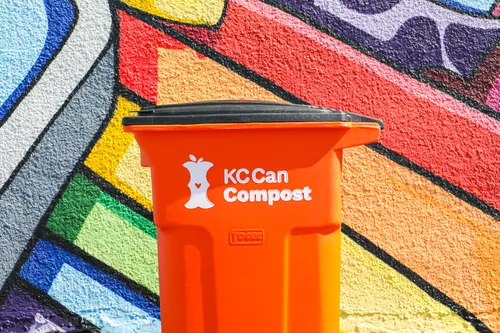
KC Can Compost
3119 Terrace St, Kansas City, MO 64111
KC Can Compost is a nonprofit organization based in Lees Summit, MO, focused on collecting food waste from restaurants and other sources to divert organic material from landfills. They provide composting services while also offering training and employment opportunities in green industry jobs for people facing barriers to employment. Their work helps reduce greenhouse gas emissions by turning food scraps into healthy soil and supports environmental justice through community education and leadership programs.
Understanding Organic Waste Recycling Options
Organic waste recycling encompasses more than just backyard composting. For restaurants, it typically involves the collection of food scraps, soiled paper products, and other compostable materials to be processed into nutrient-rich soil amendments or, in some cases, converted into energy through anaerobic digestion. In Independence, your primary avenues will be through private waste haulers or specialized organic waste collection services that operate within the Kansas City metropolitan area.
Key materials often accepted in commercial programs include fruit and vegetable trimmings, coffee grounds, eggshells, baked goods, and non-greasy paper like napkins and pizza boxes. It's crucial to distinguish these from used cooking oil and grease trap waste, which are handled by separate, specialized services for recycling or proper disposal. Establishing a clear separation at the source-between compostables, recyclables, and landfill trash-is the first step toward an efficient program.
Navigating Local Services and Providers
Since detailed public information on city-run commercial food waste programs in Independence is limited, direct inquiry is the most reliable method. Your existing waste hauler is an excellent starting point. Major national providers like Republic Services and Waste Management, which service the area, frequently offer organic waste collection as an add-on service for commercial clients. They can provide specifics on container sizes (such as 32-gallon, 64-gallon, or larger wheeled carts), collection frequency (e.g., weekly or multiple times per week), and associated costs.
Here is a proactive plan for gathering the information you need:
- Contact Your Current Hauler: Inquire directly about their food waste or organics recycling services for restaurants. Ask for a detailed quote.
- Reach Out to the City: The City of Independence's Public Works or Waste Management department can clarify if there are any local ordinances, incentives, or recommended providers for commercial organic waste 1.
- Research Local Initiatives: Explore resources from the Missouri Restaurant Association or Kansas City-area sustainability networks, which may have partnerships or guides for food waste reduction.
Find the perfect composting & food waste companies for your needs
Get personalized recommendations and expert advice
Key Questions to Ask Potential Service Providers
When evaluating a food waste recycling service, coming prepared with the right questions will help you compare options and set clear expectations. Use this checklist during your conversations:
- Service Scope: What specific materials are accepted and prohibited? What are the rules for contamination (e.g., plastic bags or utensils in the compost bin)?
- Logistics: What types and sizes of collection containers are provided? What is the pickup schedule, and how does it align with your kitchen's volume and pace?
- Compliance & Support: Do you provide training materials or bin labels for staff? How is contamination handled, and are there any fees associated with it?
- Cost Structure: What is the complete monthly fee? Does it include container rental, liners, and hauling, or are these itemized? Are there any cost-saving opportunities for reducing landfill bin pickup frequency?
Building an Effective In-House Program
Securing a hauler is only half the battle; successful implementation depends on seamless integration into your daily operations. Start with a pilot program in one area of the kitchen, such as prep stations, to work out the kinks. Use clearly labeled, dedicated bins with tight-fitting lids to control odors and prevent pests. Engage your staff from the beginning-explain the why behind the program and provide simple, clear instructions on what goes where. Recognizing team members or departments that excel at proper sorting can foster positive participation and significantly reduce contamination rates.
Benefits Beyond Waste Disposal
Diverting food waste from the landfill offers tangible benefits for your business. Many restaurants find they can downsize their regular trash dumpster or reduce pickup frequency, leading to direct cost savings on landfill fees. Furthermore, a commitment to organics recycling strengthens your brand's reputation as a responsible community member, appealing to a growing segment of environmentally conscious patrons. On a broader scale, these efforts contribute to regional goals of reducing methane emissions from landfills and creating valuable compost for local agriculture and landscaping.
Handling Related Waste Streams: Grease and Oil
A comprehensive food waste strategy also addresses used cooking oil and grease trap maintenance. These are separate, specialized waste streams that require dedicated services. Used cooking oil (UCO) is a valuable commodity for biodiesel production and should be collected in dedicated containers by a licensed renderer. Grease trap cleaning is a regulated necessity to prevent sewer line blockages and environmental harm. Many service providers offer bundled packages, so it's worth asking your food waste hauler or current provider if they can manage all three streams-solid organics, used oil, and grease interceptor service-for streamlined billing and coordination.
Frequently asked questions
Sources
Footnotes
-
Universal Waste | US EPA - https://www.epa.gov/hw/universal-waste ↩