Find the Best Composting & Food Waste Companies for Your Business
No obligation • Fast responses • Nationwide coverage

Why you can trust Restaurant Waste Disposal
Restaurant Waste Disposal is a leading U.S. resource for comparing restaurant composting, food-waste recycling, grease trap cleaning, and used cooking oil collection services. Our editorial team researches providers, checks credentials, and organizes unbiased information so operators can make informed decisions. Companies cannot pay to change ratings or placement.
Search providers near you
Top Composting & Food Waste Companies in Chesterfield, Missouri Ranked
For restaurants and food service businesses in Chesterfield, managing organic waste responsibly is a key operational and environmental consideration. While the city does not mandate commercial food waste diversion, a robust private market exists to help establishments implement composting and organics recycling programs. Partnering with a licensed hauler for food scrap collection can reduce landfill waste, potentially lower disposal costs, and align with growing consumer expectations for sustainable practices. Understanding local rules, container requirements, and contamination standards is the first step toward a successful program.
St. Louis Composting, Inc.
13060 County Park Rd, Florissant, MO 63034
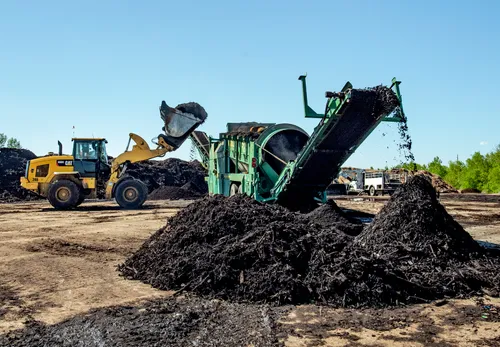
St. Louis Composting, Inc. is based in Florissant, MO, and provides food waste and composting services primarily for restaurants and packaged food manufacturers. They operate nine locations in the St. Louis metro area, offering bulk delivery and retail pickup of compost, soil, mulch, and custom soils. The company specializes in depackaging food waste and organics to divert waste from landfills and convert it into certified compost products. Their services support national grocery retailers and food and beverage manufacturers in meeting waste diversion goals.
St Louis Composting, Inc.
11294 Schaefer Dr, Maryland Heights, MO 63043
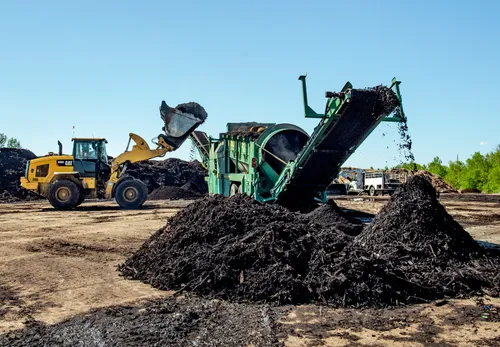
St Louis Composting, Inc. is based in St Charles, MO, offering food waste and composting services primarily for restaurants and packaged food manufacturers. They operate nine locations in the St. Louis metro area, providing bulk delivery and retail pickup of compost, soil, mulch, and custom soils. The company specializes in depackaging food waste and organics to divert waste from landfills and convert it into certified compost products. Their compost is STA certified and OMRI-listed, supporting sustainable waste management and environmental goals.
Understanding Chesterfield's Waste Framework
Chesterfield's municipal code focuses on ensuring all solid waste is handled properly through licensed facilities and haulers, rather than mandating specific waste streams like organics 1. This means the decision to compost is largely driven by business choice, cost-benefit analysis, and corporate sustainability goals. However, this regulatory environment also provides flexibility. Businesses can shop for services that best fit their volume, schedule, and budget without being locked into a one-size-fits-all city program. It's important to note that even without a mandate, all waste-including food scraps destined for composting-must be transported by a licensed waste hauler to a permitted processing facility 2.
The Business Case for Organic Waste Diversion
Diverting food waste from the landfill isn't just an environmental gesture; it's a strategic business decision. Landfill tipping fees for general trash can be significant, and by separating heavy, wet organic material, some businesses may reduce the size or frequency of their trash service. Furthermore, composting transforms waste into a valuable product for agriculture and landscaping, closing the loop in the local economy. For restaurants, visibly participating in organics recycling can enhance brand reputation and appeal to a clientele that values sustainability. While states like California and Massachusetts have implemented commercial food waste bans, Chesterfield businesses have the opportunity to be proactive leaders in waste reduction.
How to Set Up Commercial Composting Service
Initiating a food waste recycling program involves selecting a service provider and establishing an efficient internal collection system.
1. Selecting a Hauler: Begin by contacting major commercial waste providers serving the Chesterfield area, such as Republic Services or Waste Management, to request quotes for "commercial organics recycling" or "food waste collection". When comparing proposals, key questions include:
- What specific materials are accepted (e.g., meat, bones, dairy, compostable packaging)?
- What are the contamination policies and associated fees?
- What container sizes and types are provided?
- What is the pickup schedule and can it be tailored?
2. Containerization and Logistics: Your hauler will typically supply dedicated carts or bins for organics. These are often 64-gallon or larger wheeled carts with tight-fitting lids to contain odors and deter pests 3. Placement is critical: bins should be easily accessible for kitchen staff but situated to avoid disrupting customer areas. Many kitchens use small, lidded countertop or under-counter pails lined with certified compostable bags to collect scraps throughout the day, which are then emptied into the larger outdoor cart.
3. Internal Training and Separation: Success hinges on consistent staff participation. Clear, multilingual signage above collection stations is essential. Training should emphasize what goes in the compost bin versus recycling or trash. A common model is a "three-bin" system: one for compost (food scraps, soiled paper), one for recycling (cans, bottles, clean cardboard), and one for landfill trash (everything else). Regular audits can help identify contamination sources and retrain staff as needed.
Find the perfect composting & food waste companies for your needs
Get personalized recommendations and expert advice
Critical Guidelines for Contamination Prevention
Contamination is the primary reason compost loads are rejected. A contaminated batch can be sent to the landfill, negating your diversion efforts and potentially incurring extra fees from your hauler. For restaurants, maintaining a clean stream is paramount.
What CAN Typically Be Included:
- Fruit and vegetable scraps
- Meat, fish, and bones
- Dairy products
- Eggshells
- Coffee grounds and filters
- Tea bags (if staple-free)
- Food-soiled paper napkins, towels, and uncoated cardboard (like pizza boxes)
- Only hauler-approved, certified compostable bags and serviceware
What MUST Be Excluded:
- Plastic bags (unless specifically certified compostable by your hauler)
- Glass, metal, or foil
- Styrofoam and other plastics
- Liquids, oils, and grease (these require separate grease trap or used oil services)
- Rubber bands, twist ties, or utensils
- Any non-compostable packaging
Always confirm the exact list with your service provider, as acceptance can vary based on the processing facility they use.
Cost Considerations for Food Waste Programs
Pricing for commercial organics collection is not standardized and varies based on several factors. You can expect to pay a monthly service fee that typically covers the rental of the container and scheduled pickups. Key variables influencing cost include:
- Volume & Container Size: A 96-gallon cart will cost less than a 2-yard dumpster.
- Pickup Frequency: Weekly service is standard, but high-volume establishments may need twice-weekly pickups.
- Hauler & Competition: Getting multiple quotes is the best way to ensure competitive pricing.
- Contract Terms: Longer-term contracts may offer lower monthly rates.
While adding a compost service is an additional line item, a thorough waste audit might reveal that you can downsize your trash service frequency or container size, partially offsetting the new cost. The exact pricing, including any setup or delivery fees, requires a direct quote from providers in Chesterfield.
Beyond Collection: Grease Trap and Cooking Oil Management
A comprehensive food waste strategy also addresses fats, oils, and grease (FOG). Proper FOG management is critical to prevent sewer line blockages and is often regulated by local sewer authorities.
- Grease Trap Cleaning: Interceptors must be regularly pumped and cleaned by a licensed service to prevent overflows and compliance issues. This waste is typically processed at specialized facilities.
- Used Cooking Oil (UCO) Collection: Many providers offer free collection of UCO, which is then recycled into biodiesel or other products. This keeps it out of drains and landfills while sometimes providing a small rebate.
Integrating these services with your food scrap composting creates a holistic approach to managing all organic byproducts of your kitchen operations.
Staying Informed and Future Trends
While not currently mandated, waste regulations evolve. Business owners are advised to periodically check the Solid Waste & Recycling section of the City of Chesterfield's official website for any updates to local codes or new incentive programs 4. The success of mandatory programs in other states demonstrates the significant environmental and economic benefits of large-scale organics diversion 5. By establishing a composting program now, Chesterfield restaurants can future-proof their operations, contribute to community sustainability goals, and potentially gain a competitive edge.
Frequently asked questions
Sources
Footnotes
-
Solid Waste - City of Chesterfield, MO - eCode360 - https://ecode360.com/35261004 ↩
-
California Food Waste Policy - https://policyfinder.refed.org/california/ ↩
-
City of Chesterfield, MO In General - eCode360 - https://ecode360.com/35261005 ↩
-
Solid Waste & Recycling | Chesterfield, MO - Official Website - https://www.chesterfield.mo.us/318/Solid-Waste-Recycling ↩
-
#ICYMI: A June 2025 ICF report reveals that our commercial food waste ban is working! We are diverting hundreds of thousands of tons of food waste from landfills and it's good for our economy. #FoodWaste #CompostNotLandfill #ReduceEmissions #CleanerAir https://www.mass.gov/doc/2025-commercial-organic-waste-ban-economic-report/download - https://www.facebook.com/massgov/posts/icymi-a-june-2025-icf-report-reveals-that-our-commercial-food-waste-ban-is-worki/1146562110991007/ ↩