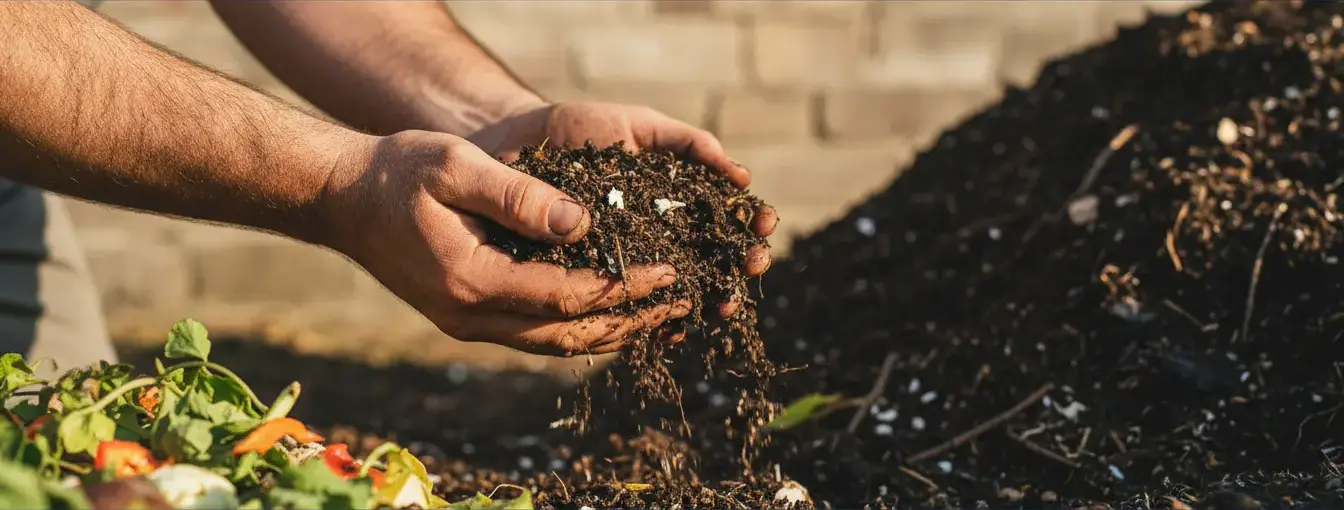
Find the Best Composting & Food Waste Companies for Your Business
No obligation • Fast responses • Nationwide coverage

Why you can trust Restaurant Waste Disposal
Restaurant Waste Disposal is a leading U.S. resource for comparing restaurant composting, food-waste recycling, grease trap cleaning, and used cooking oil collection services. Our editorial team researches providers, checks credentials, and organizes unbiased information so operators can make informed decisions. Companies cannot pay to change ratings or placement.
Search providers near you
Top Composting & Food Waste Companies in Blue Springs, Missouri Ranked
For restaurant owners and food service managers in Blue Springs, managing organic waste is a critical operational and environmental consideration. While the city does not currently offer a dedicated municipal food waste collection program for commercial entities, effective solutions are readily available through private waste haulers who specialize in organics recycling. Implementing a food scrap diversion program can reduce landfill waste, potentially lower overall disposal costs, and demonstrate a commitment to sustainability that resonates with the community. This guide outlines the practical steps, key providers, and essential guidelines for establishing a successful organics recycling system for your establishment.
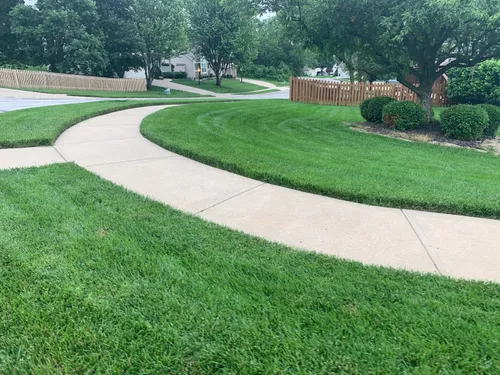
Missouri Organic Recycling
7700 E US Hwy 40, Kansas City, MO 64129
Missouri Organic Recycling is a Kansas City, MO-based company specializing in food waste composting and organic recycling services for restaurants and other commercial clients. They offer delivery and installation of mulch, compost, and soil products using a blower truck system, making it easier to apply materials in residential yards and commercial landscapes. Established in 2005, Missouri Organic Recycling has diverted over 3.2 billion pounds of food and green waste from local landfills, turning it into quality compost and soil products. Their services support sustainable waste management and environmental benefits in the Kansas City area.
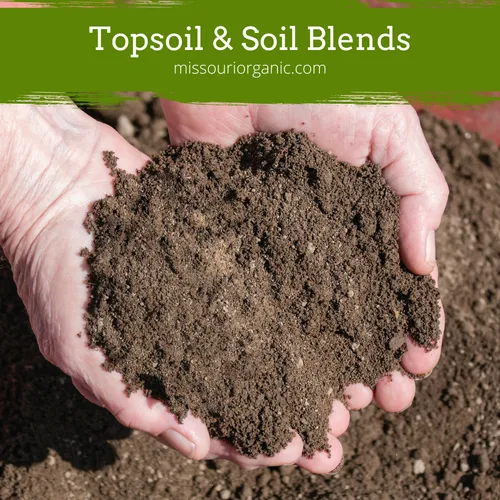
Missouri Organic Recycling
11660 N Main St, Kansas City, MO 64155
Missouri Organic Recycling is a Kansas City, MO-based company specializing in food waste recycling and composting services for restaurants and other commercial clients. They provide high-quality compost, mulch, and soil products, along with delivery and blower truck installation services across the KC Metro area. The company has been diverting millions of pounds of food and green waste from local landfills since 2005, contributing to environmental sustainability through their closed-loop recycling process. Missouri Organic Recycling also supports landscape professionals and homeowners with locally produced soil blends and offers multiple convenient drop-off locations for yard waste.
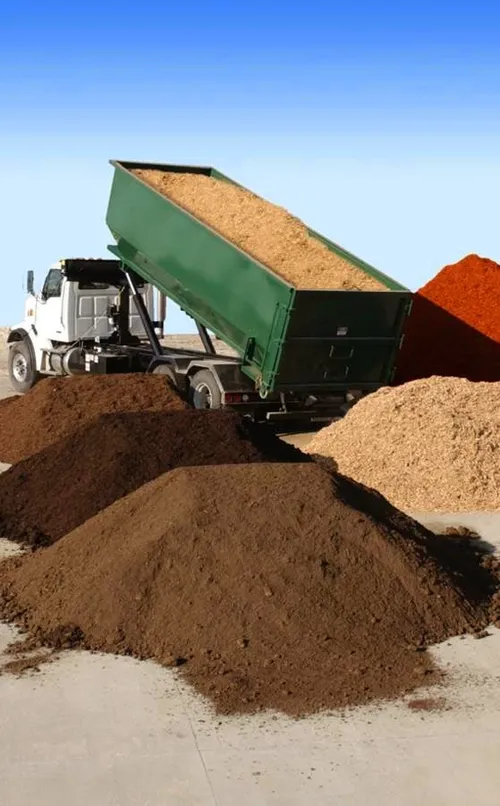
Missouri Organic Recycling (ONLY Open Saturdays)
1815 N Chouteau Trafficway, Kansas City, MO 64120
Missouri Organic Recycling in Kansas City, MO, specializes in food waste recycling and composting services for restaurants and other commercial clients. They offer delivery and installation of mulch, compost, and soil products throughout the KC Metro area, using a blower truck system for efficient placement. Established since 2005, the company has diverted billions of pounds of organic waste from local landfills, contributing to environmental sustainability through their closed-loop recycling process. Missouri Organic Recycling operates multiple locations and supports both residential and commercial landscaping needs.
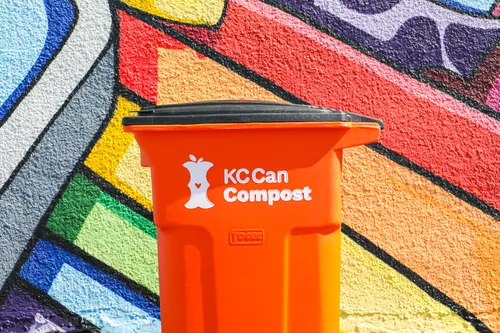
KC Can Compost
3119 Terrace St, Kansas City, MO 64111
KC Can Compost is a nonprofit organization based in Lees Summit, MO, focused on collecting food waste from restaurants and other sources to divert organic material from landfills. They provide composting services while also offering training and employment opportunities in green industry jobs for people facing barriers to employment. Their work helps reduce greenhouse gas emissions by turning food scraps into healthy soil and supports environmental justice through community education and leadership programs.
Understanding Your Food Waste Stream
The first step toward effective organic waste management is conducting a waste audit. This process involves analyzing the types and volumes of food scraps your kitchen generates, from prep waste like vegetable peels and eggshells to post-consumer plate waste and coffee grounds. Most private haulers offer this assessment as a complimentary service to help you right-size your program. Understanding your output is crucial for selecting appropriate container sizes and pickup frequencies, ensuring efficiency and cost-effectiveness from the start. Properly segregating organic material from trash and recyclables is the foundation of a clean, valuable compost stream.
Primary Service Providers in Blue Springs
Commercial food waste collection in Blue Springs is primarily handled by national and regional private waste management companies. These providers offer tailored organics recycling plans that can be bundled with your existing trash and recycling services.
- Waste Management: A leading national provider, Waste Management offers comprehensive commercial food waste solutions through its local Kansas City branch. They provide containers, collection, and ensure the organic material is processed at a commercial composting facility.
- Republic Services: Another major player in the region, Republic Services works with restaurants to design custom food scrap recycling programs. Contacting their local commercial sales team is essential for obtaining a detailed quote and service agreement.
Engaging directly with these providers is the most reliable way to establish service. They can clarify specific accepted materials, container options, and scheduling based on your restaurant's unique needs and volume.
What Can and Cannot Be Composted
Adhering to contamination guidelines is paramount for a successful program. Contaminated loads can be rejected, leading to additional fees and disrupting your recycling efforts. Here's a general breakdown, though you must always confirm specifics with your hauler.
Typically Accepted Food Scraps:
- Fruit and vegetable trimmings
- Meat, bones, and seafood
- Dairy products
- Bread, grains, and pasta
- Coffee grounds and paper filters
- Food-soiled paper (e.g., uncoated napkins, pizza boxes)
- Certified compostable serviceware and bags (must meet specific standards like BPI certification)
Common Contaminants to Exclude:
- Plastic bags (unless they are certified compostable)
- Liquids such as milk, soda, oil, or grease
- Styrofoam (polystyrene)
- Aluminum foil, glass, or metal utensils
- Traditional plastic, rubber, or latex
- Pet waste or diapers
Find the perfect composting & food waste companies for your needs
Get personalized recommendations and expert advice
Container Options and Collection Logistics
Your provider will help you select the right containers based on your kitchen's space and waste volume. Common options include:
- Carts: 32 to 96-gallon wheeled carts are ideal for kitchens with moderate waste or limited space. They are often used for daily collection of prep waste.
- Dumpsters: For high-volume generators, 2 to 8-yard dumpsters are standard. These are serviced by front-load or rear-load trucks on a scheduled basis.
Liners: The use of liners is often required to keep containers clean. Only certified compostable bags should be used, as traditional plastic bags are a major contaminant in the composting process 1.
Pickup Schedule: Frequency is determined by your volume and container size. Service can range from daily for very active kitchens to weekly or bi-weekly for smaller establishments. Your hauler will recommend a schedule during the initial waste audit to prevent overflow and odor issues.
Cost Structure and Considerations
Pricing for commercial food waste recycling is not one-size-fits-all. Costs are typically structured as a flat monthly service fee, which may include rental of the container and scheduled pickups. This fee can vary significantly based on:
- The size and type of container (cart vs. dumpster).
- The frequency of collection.
- Your location in Blue Springs.
- Whether the service is bundled with trash and recycling pickup.
While specific pricing is proprietary and requires a direct quote, monthly costs can range from approximately $50 to $150 or more for smaller accounts, scaling up into the hundreds for large-volume generators with frequent service 2 3. It's important to view this cost in the context of your total waste management bill; diverting organics can sometimes reduce the volume (and cost) of your general trash service.
Benefits Beyond Disposal
Implementing an organics diversion program offers tangible benefits for Blue Springs restaurants. Environmentally, it reduces methane emissions from landfills and creates nutrient-rich compost for local agriculture. Operationally, it can lead to cleaner kitchen areas by separating wet waste from dry trash. Furthermore, it strengthens your brand as a sustainable business, an attribute increasingly valued by customers and the community at large. Taking this step aligns your operations with broader environmental stewardship goals.
Frequently asked questions
Sources
Footnotes
-
Fees at a Glance - Jackson County MO - https://www.jacksongov.org/Government/Departments/Environmental-Health/Fees-at-a-Glance ↩
-
Missouri Home-Based Kitchen Food Production Guidance - https://health.mo.gov/safety/foodsafety/pdf/home-based-kitchen-food-prod-guidance.pdf ↩
-
Mobile Trucks - City of Columbia Missouri - https://www.como.gov/health/environmental-health/food-safety/food-service-establishments/mobile-trucks/ ↩