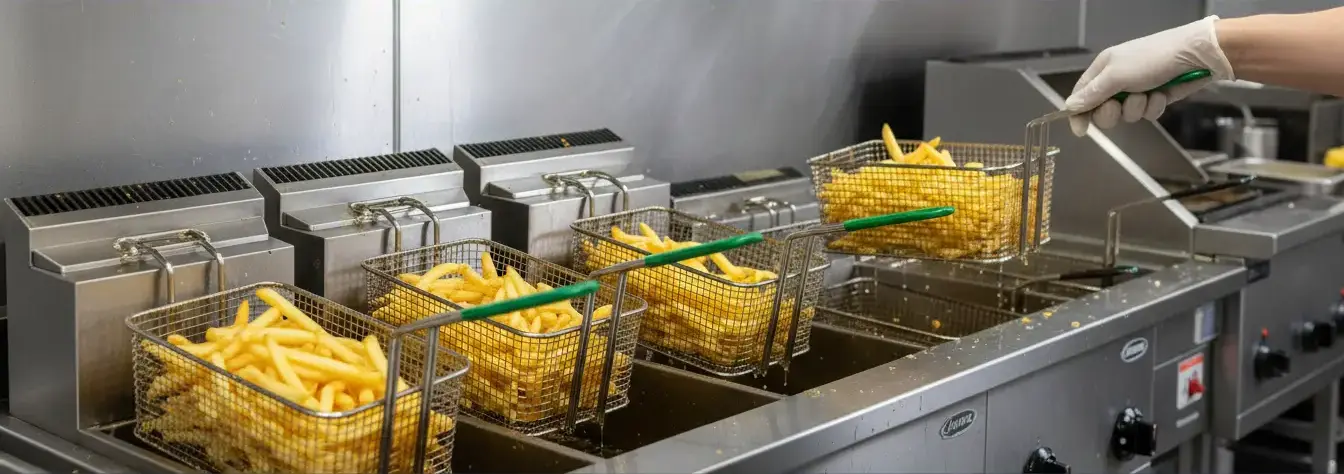
Find the Best Used Cooking Oil Collection Companies for Your Business
No obligation • Fast responses • Nationwide coverage

Why you can trust Restaurant Waste Disposal
Restaurant Waste Disposal is a leading U.S. resource for comparing restaurant composting, food-waste recycling, grease trap cleaning, and used cooking oil collection services. Our editorial team researches providers, checks credentials, and organizes unbiased information so operators can make informed decisions. Companies cannot pay to change ratings or placement.
Search providers near you
Top Used Cooking Oil Collection Companies in Alexandria, Virginia Ranked
For restaurants and food service establishments in Alexandria, managing used cooking oil (UCO) is more than just a routine cleanup task-it's a critical component of regulatory compliance, environmental stewardship, and potential operational revenue. The City of Alexandria enforces a specific Fats, Oils, and Grease (FOG) program designed to prevent costly and damaging sewer blockages and overflows. Properly handling your waste vegetable oil by partnering with a professional collection service transforms a messy byproduct into a valuable commodity recycled into biodiesel, animal feed, or industrial products. This guide outlines the local requirements, best practices, and benefits of establishing a reliable used cooking oil pickup system for your business.
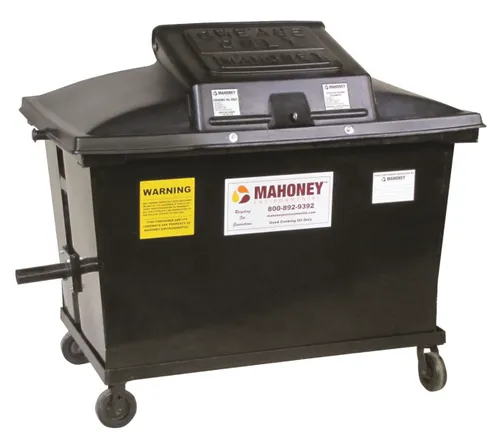
Understanding Alexandria's FOG Program and Regulations
The cornerstone of proper grease management in Alexandria is the city's Fats, Oils, and Grease (FOG) program. This initiative is mandated to protect the municipal sewer system from clogs and sanitary sewer overflows, which can lead to environmental harm and significant public works expenses 1. Compliance isn't optional; it's a key part of operating a responsible food service business.
Key regulatory components include:
- Grease Trap/Interceptor Requirements: Most food establishments are required to install and maintain a grease trap or interceptor. This device captures grease and solids from wastewater before it enters the sewer line, serving as the first line of defense 2 3.
- Proper Oil and Grease Storage: Used cooking oil must be stored in dedicated, clean, covered, and leak-proof containers, typically barrels or drums, placed on an impervious surface away from storm drains. Solidified grease and food scraps should be scraped into the trash, not washed down the drain.
- Documentation and Recordkeeping: Virginia state law requires that transporters of waste kitchen grease maintain detailed records for at least two years. This includes the generator's name and address, the date of collection, and the quantity of material collected. Reputable haulers provide a service ticket or manifest at each pickup, which you should retain for your own records and potential inspections.
The Step-by-Step Process for Oil Collection and Recycling
Implementing a seamless used cooking oil management system involves a clear, ongoing cycle.
- Collection at the Source: After frying or cooking, allow the oil to cool completely. Carefully pour the cooled waste vegetable oil from fryers and cookware into your designated storage barrel. Always use a funnel to minimize spills. Scrape food debris and wipe pots with paper towels before washing to keep grease out of the drain 4 5.
- Secure Storage: Position your collection barrels in a designated, cool, and secure area, such as a storage room or a locked enclosure on your loading dock. Keeping barrels sealed and in a controlled environment prevents contamination, odors, pest attraction, and even theft of the valuable oil.
- Scheduling Pickups with a Hauler: Partner with a licensed and permitted used cooking oil collection service. These providers will supply the collection containers (often at no cost), establish a regular pickup schedule based on your volume, and handle all the logistics of transport 6.
- Professional Pickup and Documentation: On the scheduled day, the hauler will collect the full barrels, replace them with clean ones if needed, and provide you with a service manifest. This document is your proof of proper disposal and is essential for regulatory compliance.
- Recycling into New Products: The collected oil is transported to a processing facility where it is cleaned and converted into valuable resources. The primary end product is biodiesel, a renewable fuel. It can also be used in the production of animal feed, industrial lubricants, and soaps 7.
Financial Benefits: Turning Waste into Revenue
One of the most compelling reasons to professionalize your UCO collection is the potential for financial return. Unlike many other waste streams that incur a disposal cost, used cooking oil can generate revenue.
- Potential for Payment: High-quality, well-maintained used cooking oil is a feedstock with market value. Collection companies often provide rebates or direct payments per gallon collected, effectively turning a waste product into a small revenue stream for your restaurant 8. Payment rates can vary based on market conditions, your volume, and the purity of the oil.
- Free Collection Services: Many haulers offer free collection containers and scheduled pickups, especially for establishments that generate consistent volumes. Their revenue comes from selling the recycled oil, so they provide the service to secure the feedstock 9.
- Offsetting Other Costs: The income from used cooking oil can help offset the necessary costs of other services like grease trap cleaning and maintenance, making your overall waste management budget more efficient 10.
Find the perfect used cooking oil collection companies for your needs
Get personalized recommendations and expert advice
Choosing a Collection Partner in Alexandria
Selecting the right service provider is crucial for reliable, compliant, and beneficial used cooking oil management. Look for a hauler permitted to operate in Virginia and familiar with Alexandria's specific FOG program requirements.
- Service Reliability: Ensure the company offers a consistent and flexible pickup schedule that matches your kitchen's production volume to prevent overflows and storage issues.
- Equipment and Support: A good partner provides sturdy, leak-proof containers and replaces them as needed. Some offer locked containers to secure your oil.
- Transparent Documentation: Choose a hauler that provides clear, detailed manifests or digital records for every pickup, simplifying your compliance and recordkeeping 11.
- Local Providers: Several companies service the Alexandria area. For example, Greasecycle is a family-owned operator that offers 24/7 service support and digital manifests 12. Grand Natural Inc. is another regional provider offering collection services and equipment in Alexandria.
Best Practices for Restaurant Kitchen Safety and Efficiency
Beyond the basic steps, adopting these best practices can optimize your system:
- Prevent Contamination: Never mix used cooking oil with water, soap, or other liquids. Contaminated oil loses significant value and can be more difficult to recycle.
- Filter Oil Regularly: If you filter fryer oil during use to extend its life, ensure the final waste oil is as free of food particles as possible before pouring it into the storage barrel.
- Designate a Responsible Staff Member: Train a specific team member or manager on the proper pouring, storage, and documentation procedures to maintain consistency and accountability.
- Secure Your Storage Area: A locked cage or enclosure for your barrels protects your asset from unauthorized siphoning and keeps your property tidy.
Proper used cooking oil collection is a win-win-win for Alexandria restaurants: it ensures regulatory compliance, supports environmental sustainability, and can contribute positively to your bottom line. By understanding the local FOG rules and partnering with a reputable hauler, you can efficiently manage this resource and focus on serving your customers.
Frequently asked questions
Sources
Footnotes
-
FOG Program | City of Alexandria, VA - https://www.alexandriava.gov/sewers/fog-program ↩
-
Navigating Legal Requirements for Used Cooking Oil Disposal - https://bakercommodities.com/blog/2024/02/08/legal-requirement-used-cooking-grease/ ↩
-
Fats, Oils and Grease (FOG) - Fairfax County - https://www.fairfaxcounty.gov/publicworks/fats-oils-grease ↩
-
WHAT IS FOG? - AlexandriaVA.Gov - https://www.alexandriava.gov/sites/default/files/2022-04/FSE_FOG%20Brochure_FINAL%207-10-19_2.pdf ↩
-
Restaurant Oil Disposal: Explained - Eazy Grease - https://eazygrease.com/how-do-restaurants-get-rid-of-their-oil/ ↩
-
Used Cooking Oil Collection Alexandria | Grand Natural Inc - https://www.grandnaturalinc.com/locations/used-cooking-oil-recycling-in-alexandria.html ↩
-
Used Cooking Oil (UCO) Collection Service For Restaurants - https://thegreasecompany.com/blog/restaurant-used-cooking-oil-collection/ ↩
-
Virginia Restaurant Grease & Used Cooking Oil Services - https://grease-cycle.com/virginia/ ↩
-
Used Cooking Oil Collection Services | NC, SC and VA - Grease Cycle - https://grease-cycle.com/cooking-oil-recycling-services/ ↩
-
Restaurant Used Cooking Oil Recycling & Disposal Guide - https://greaseconnections.com/restaurant-used-cooking-oil-disposal-recycling-revenue-guide/ ↩
-
Code of Virginia Code - Chapter 55.1. Waste Kitchen Grease - https://law.lis.virginia.gov/vacodefull/title3.2/chapter55.1/ ↩
-
Used Cooking Oil Recycling & Pickup for Restaurants | NC, SC, VA - https://grease-cycle.com/ ↩