Find the Best Used Cooking Oil Collection Companies for Your Business
No obligation • Fast responses • Nationwide coverage

Why you can trust Restaurant Waste Disposal
Restaurant Waste Disposal is a leading U.S. resource for comparing restaurant composting, food-waste recycling, grease trap cleaning, and used cooking oil collection services. Our editorial team researches providers, checks credentials, and organizes unbiased information so operators can make informed decisions. Companies cannot pay to change ratings or placement.
Search providers near you
Top Used Cooking Oil Collection Companies in Richmond, Virginia Ranked
For Richmond restaurants, managing used cooking oil (UCO) is a critical operational and environmental task. Proper grease recycling transforms a potential waste liability into a valuable resource for biodiesel production, while ensuring compliance with Virginia state regulations. By partnering with a registered collection service, food service establishments can streamline disposal, prevent costly sewer issues, and often benefit from rebate programs. This guide outlines the essential steps, local providers, and regulatory framework for effective used cooking oil management in the Richmond area.
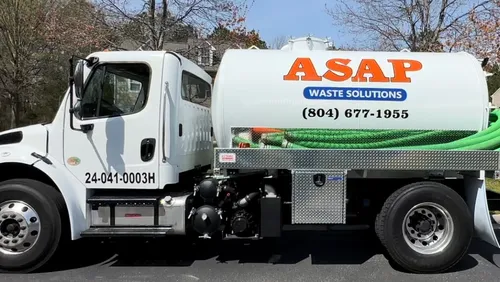
ASAP Waste Solutions
4010 Anita Ave, Midlothian, VA 23112
ASAP Waste Solutions is based in Richmond, VA, providing commercial septic and grease trap cleaning services. They specialize in handling fatty foods, vegetable oil, septic systems, and septic maintenance. The company emphasizes environmental health and safety while educating clients about waste management. Their team is experienced in grease trap cleaning and septic system maintenance, aiming to support environmental waste education.

Restaurant Technologies
6601 S Laburnum Ave suite a, Henrico, VA 23231
Restaurant Technologies is a used cooking oil collection company based in Richmond, VA. They provide an automatic cooking oil delivery and recycling service designed to reduce hazards and labor associated with manual oil management in commercial kitchens. Their Total Oil Management system includes installing tanks for fresh and waste oil, automatic fryer controls, and a closed-loop process that delivers fresh oil and removes used oil safely without entering the business. This end-to-end solution supports sustainability initiatives and helps restaurants maintain cleaner and safer operations.
Understanding Virginia's Regulatory Landscape
Navigating the legal requirements is the first step for any Richmond restaurant handling waste kitchen grease. In Virginia, all transporters of waste kitchen grease must be registered with the Virginia Department of Agriculture and Consumer Services (VDACS)1. This registration is a key safeguard, ensuring that companies handling your used oil are operating legally and responsibly. The state's Code, under Chapter 55.1, establishes clear rules for the transportation and documentation of this material.
For restaurants, compliance involves more than just hiring a registered hauler. Proper documentation is required, especially for recipients of large quantities-typically over 55 gallons-who must maintain records of the transporter and delivery details2 3. Adhering to these regulations not only avoids potential fines but also ensures your waste stream is contributing to the circular economy through legitimate biodiesel production channels.
Best Practices for On-Site Storage and Handling
Safe and efficient storage is the cornerstone of a successful grease recycling program. Proper handling begins in the kitchen: always allow oil to cool below 120°F before transferring it to a storage container4. Scrape food scraps from pots and pans first, and use paper towels to absorb any spills, ensuring only pure used oil enters your collection bin.
Storage containers should be dedicated, clean, airtight, and clearly labeled. They can be placed indoors or in a secure outdoor area. Using lidded containers is non-negotiable, as it prevents contamination from rainwater or debris and deters pests. Critically, used cooking oil must be kept completely separate from general garbage and storm drains to prevent environmental contamination and sewer blockages, which can lead to significant municipal fines.
The Integral Role of Grease Trap Maintenance
Used cooking oil collection cannot be viewed in isolation from overall grease management. The grease trap or grease interceptor is your first line of defense against fats, oils, and grease (FOG) entering the public sewer system. Regular grease trap pumping is essential for compliance with local sewer ordinances and to prevent debilitating clogs in your own plumbing5.
Many professional used cooking oil collection providers offer bundled services, handling both your UCO recycling and your grease trap maintenance on a coordinated schedule6. This integrated approach ensures comprehensive FOG management, maximizes operational efficiency, and simplifies vendor relationships. A well-maintained grease trap also improves the quality of your used cooking oil, which can be a factor in rebate calculations.
The Collection and Recycling Process Explained
The journey from your fryer to renewable fuel is a straightforward process managed by your service provider. Once you have stored your oil in the provided container, a registered transporter will pick it up on a pre-arranged schedule-whether weekly, bi-weekly, or monthly, depending on your volume.
The collected oil is then transported to a processing facility. Here, companies like Clean Energy Biofuels and others heat, filter, and purify the used cooking oil to remove food particles and water. This refined product, known as yellow grease, is then sold to biodiesel producers. It is repurposed into a clean-burning fuel for vehicles, heating oil, or other industrial products, completing a sustainable loop that benefits the environment 7.
Find the perfect used cooking oil collection companies for your needs
Get personalized recommendations and expert advice
Local Richmond Service Providers
Several reputable companies serve the Richmond market, offering reliable used cooking oil pickup and recycling. These providers are familiar with Virginia's specific regulations and can tailor services to your restaurant's needs.
- Clean Energy Biofuels: A provider that collects UCO in Richmond and converts it into biodiesel, emphasizing the local renewable energy cycle8.
- Grand Natural Inc: Offers used cooking oil recycling services in the Richmond area, focusing on proper containerization and regular pickup9.
- Mahoney Environmental: A national service with local operations, providing used oil pickup and recycling in Richmond, often alongside grease trap services.
- Restaurant Technologies: Provides a total management system for cooking oil, which can include delivery of fresh oil, collection of used oil, and equipment maintenance.
- Greasecycle: Services central Virginia, including Richmond, offering collection and recycling with a focus on converting waste into resources10.
When selecting a provider, confirm their current VDACS transporter registration and inquire about service bundling, container provisioning, and rebate structures.
Cost Structures and Potential Rebates
The financial model for used cooking oil collection can vary. For restaurants generating lower volumes-often under 100 gallons per month-pickup and recycling services are frequently provided at no charge. The recycling company's revenue comes from selling the processed feedstock to biodiesel plants.
For establishments with higher output, the dynamic can shift. Many providers offer rebate programs based on the quality and volume of oil collected. Rebates can range from $0.10 to $0.65 per gallon for volumes typically between 100 and 500+ gallons per month11 12. This revenue can offset the cost of other waste management services or even cover the entire disposal expense. It's important to discuss pricing and potential credits directly with providers, as structures can differ.
Environmental and Community Impact
Choosing professional used cooking oil recycling has a direct positive impact on Richmond's infrastructure and environment. Diverting UCO from landfills and sewers reduces strain on municipal wastewater treatment facilities and prevents sewer overflows, which are a major source of water pollution. The transformation into biodiesel creates a domestic, renewable energy source that lowers greenhouse gas emissions compared to fossil fuels.
By participating in this process, Richmond restaurants position themselves as responsible community partners. They contribute to Virginia's green economy and demonstrate a commitment to sustainable business practices, which is increasingly valued by customers and the community at large.
Frequently asked questions
Sources
Footnotes
-
Transporters of Waste Kitchen Grease - https://www.vdacs.virginia.gov/food-transporters-waste-kitchen-grease.shtml ↩
-
Navigating Legal Requirements for Used Cooking Oil Disposal - https://bakercommodities.com/blog/2024/02/08/legal-requirement-used-cooking-grease/ ↩
-
Code of Virginia Code - Chapter 55.1. Waste Kitchen Grease - https://law.lis.virginia.gov/vacodefull/title3.2/chapter55.1/ ↩
-
Used Cooking Oil Disposal: Complete Guide to Grease Pickups - https://greaseconnections.com/used-cooking-oil-disposal-guide-grease-pickups/ ↩
-
What Do Restaurants Do with Grease? - Mahoney Environmental - https://www.mahoneyes.com/what-do-restaurants-do-with-grease/ ↩
-
Used Cooking Oil Pickup & Recycling Services in Richmond, VA - https://www.mahoneyes.com/waste-oil-pickup-recycling-richmond-va/ ↩
-
Lynchburg VA Used Cooking Oil Recycling | Greasecycle - https://grease-cycle.com/virginia/lynchburg-used-cooking-oil-recycling/ ↩
-
Richmond VA Used Cooking Oil Collector | Clean Energy Biofuels - https://cleanenergybiofuels.com/virginia/richmond-va-used-cooking-oil-collector/ ↩
-
Used Cooking Oil Collection Richmond - https://www.grandnaturalinc.com/locations/used-cooking-oil-recycling-in-richmond.html ↩
-
Used Cooking Oil Collection Services | NC, SC and VA - Grease Cycle - https://grease-cycle.com/cooking-oil-recycling-services/ ↩
-
Cooking Oil Recycling & Disposal Richmond - https://www.rti-inc.com/richmond/ ↩
-
Restaurant Used Cooking Oil Recycling & Disposal Guide - https://greaseconnections.com/restaurant-used-cooking-oil-disposal-recycling-revenue-guide/ ↩