Find the Best Used Cooking Oil Collection Companies for Your Business
No obligation • Fast responses • Nationwide coverage

Why you can trust Restaurant Waste Disposal
Restaurant Waste Disposal is a leading U.S. resource for comparing restaurant composting, food-waste recycling, grease trap cleaning, and used cooking oil collection services. Our editorial team researches providers, checks credentials, and organizes unbiased information so operators can make informed decisions. Companies cannot pay to change ratings or placement.
Search providers near you
Top Used Cooking Oil Collection Companies in Charlottesville, Virginia Ranked
For Charlottesville restaurants, managing used cooking oil (UCO) is a critical operational task that intersects with regulatory compliance, environmental responsibility, and potential cost recovery. The process involves partnering with private collection services to ensure this waste stream is properly handled, stored, and recycled, keeping it out of local sewers and supporting the circular economy. Navigating the local and state requirements for grease trap maintenance and hauler registration is essential to avoid fines and contribute to the community's sustainability goals.
Understanding Local Regulations and Compliance
Operating a food service establishment in Charlottesville and Albemarle County means adhering to specific rules designed to protect the municipal sewer system. The primary regulatory framework is the Fats, Oils, and Grease (FOG) program managed by the Albemarle County Service Authority (ACSA). This program mandates that facilities install and properly maintain grease traps or interceptors.
- Permits and Inspections: Facilities are required to obtain a FOG permit from the ACSA, which involves a fee and subjects the establishment to periodic inspections to ensure grease control equipment is functioning correctly 1.
- State-Level Hauler Rules: At the state level, Virginia law requires any transporter of waste kitchen grease to be registered with the Virginia Department of Agriculture and Consumer Services (VDACS) 2. Reputable collection services will provide this documentation, and it's wise for restaurants to verify this registration as part of their vendor due diligence.
Proper used cooking oil collection is a key component of overall FOG compliance. By ensuring oil is captured in dedicated containers for recycling-rather than being washed down drains-restaurants significantly reduce the risk of sewer blockages and the associated costly penalties 3.
Best Practices for On-Site Storage and Handling
Effective used fryer oil management begins long before the collection truck arrives. Proper on-site handling preserves oil quality, ensures safety, and streamlines the pickup process.
- Secure, Sealed Containers: Restaurants should store cooled UCO in designated, sealed containers provided by their collection service. These are typically tamper-proof bins ranging from 55 to over 300 gallons, sized to match the kitchen's weekly volume. Secure storage prevents spills, deters pests, and minimizes the risk of theft, which can be a concern for a valuable commodity like grease 4.
- Maintaining Oil Quality: The value and recyclability of the oil depend on its purity. Kitchen staff should avoid introducing water, food scraps, or detergent into the collection container. A simple practice of wiping down fryer baskets and filtering oil during transfers can maintain a higher quality, which can translate to better rebate potential from collectors 5.
- Accessible Placement: Containers should be placed in a location that is easily accessible for service technicians, such as near a loading dock or rear alley, while still being in a secure area. This consideration helps ensure efficient, hassle-free pickups.
The Recycling Journey: From Kitchen to New Product
Once collected from your Charlottesville establishment, used cooking oil embarks on a transformation into valuable new products. Private haulers transport the oil to regional processing facilities where it undergoes filtration and purification.
The primary and most impactful end product is biofuel, specifically biodiesel. This renewable fuel can power vehicles and heating systems, directly displacing fossil fuels and reducing greenhouse gas emissions. Other recycling pathways include the production of animal feed supplements, industrial ingredients for soaps and detergents, and feedstock for anaerobic digesters that create biogas. This process ensures that a waste product is diverted from landfills and given a productive second life, supporting Virginia's and the broader region's green economy initiatives.
Find the perfect used cooking oil collection companies for your needs
Get personalized recommendations and expert advice
Financial Considerations: Costs, Rebates, and Value
The financial model for used cooking oil collection in Charlottesville often differs from standard waste disposal. While some services may charge a fee, it is common for restaurants to receive a rebate or payment for their oil, turning a waste line item into a minor revenue stream or cost offset.
- Potential for Earnings: The key factor is the volume and quality of oil generated. High-volume establishments with clean, well-maintained oil are in the best position to earn rebates. Payments can vary but are often influenced by market prices for renewable feedstocks 6 7.
- Cost Avoidance: Even if a rebate simply covers the cost of the service, the financial benefits extend further. Proper UCO collection is integral to maintaining a compliant FOG program. The cost of a regular pickup service pales in comparison to potential fines for sewer line blockages or the expense of emergency grease interceptor cleaning 8 9.
- Sustainability Value: Participating in a recycling program also carries intangible value, aligning your business with the environmental values of the Charlottesville community. It's a tangible practice that can be highlighted in sustainability messaging to customers.
Service Options for Charlottesville Restaurants
Food service operators in the area have several paths for managing their used fryer oil.
- Private Collection Services: The most common and convenient solution for restaurants is a scheduled pickup service from a private hauler. Companies like Greasecycle operate in the region, providing containers, regular collection (weekly, bi-weekly, or as-needed), and handling all logistics and documentation 10. These services are designed for any volume, from a single small bin to multiple large containers.
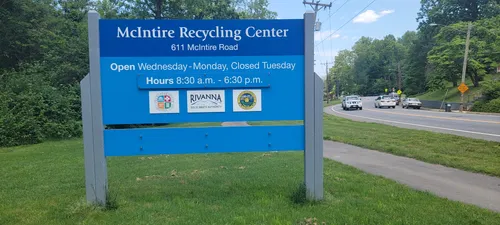
- Public Drop-Off Option: For smaller generators, such as very small eateries or even residential users, the McIntire Recycling Center (operated by Rivanna Authorities) accepts used cooking oil. This service is facilitated through a partnership with Five Star Septic and provides a responsible disposal alternative for those not generating enough volume for regular commercial pickup 11 12.
Choosing the right partner involves evaluating pickup frequency, container provisioning, reliability, and the transparency of their rebate structure. It's also crucial to confirm that the hauler is registered with VDACS to ensure full regulatory compliance 13.
Building a Sustainable Kitchen Operation
Integrating used cooking oil collection is more than a disposal task; it's a cornerstone of a modern, sustainable kitchen workflow. By establishing clear procedures for oil handling, training staff on best practices, and maintaining a good relationship with a reliable collector, Charlottesville restaurants can turn a routine operation into a point of pride. This systematic approach not only keeps your business compliant with ACSA and state regulations but also actively contributes to local and global recycling efforts, closing the loop on a valuable resource right here in Virginia.
Frequently asked questions
Sources
Footnotes
-
Code of Virginia Code - Chapter 55.1. Waste Kitchen Grease ↩
-
Used Cooking Oil Recycling & Pickup for Restaurants | NC, SC, VA ↩
-
Used Cooking Oil Disposal: Complete Guide to Grease Pickups ↩
-
Used Cooking Oil Collection Services | NC, SC and VA - Grease Cycle ↩
-
Charlottesville VA Used Cooking Oil Recycling | Greasecycle ↩
-
Used Cooking Oil Collection at McIntire Recycling Center - Rivanna Authorities ↩
-
Used cooking oil, grease now accepted at McIntire Recycling ... ↩