Find the Best Used Cooking Oil Collection Companies for Your Business
No obligation • Fast responses • Nationwide coverage

Why you can trust Restaurant Waste Disposal
Restaurant Waste Disposal is a leading U.S. resource for comparing restaurant composting, food-waste recycling, grease trap cleaning, and used cooking oil collection services. Our editorial team researches providers, checks credentials, and organizes unbiased information so operators can make informed decisions. Companies cannot pay to change ratings or placement.
Search providers near you
Best Used Cooking Oil Collection Companies in Virginia Ranked
For restaurants and food service businesses in Virginia, managing used cooking oil (UCO) is a critical operational and environmental responsibility. Proper collection and recycling prevent costly sewer backups, comply with state and local regulations, and can even turn a waste product into a resource for biofuel production. Navigating the rules from the Virginia Department of Environmental Quality (DEQ) and local Fats, Oils, and Grease (FOG) ordinances is essential for smooth and compliant operations. This guide outlines the key regulations, best practices, and service options for effective used cooking oil management across the Commonwealth.
McIntire Recycling Center
611 McIntire Rd, Charlottesville, VA 22902
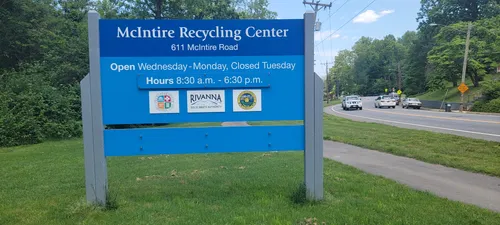
McIntire Recycling Center in Charlottesville, VA, offers a collection point for used cooking oil (UCO) and grease through a 300-gallon sealed container provided by Darden Environmental. The center supports recycling efforts by collecting UCO and grease for conversion into biofuels or animal feeds, helping to prevent sewer system blockages in the local area. Solidified fats and greases are also accepted, with additional motor oil and antifreeze collection available at the nearby Ivy Convenience Center.
Suburban Plumbing
160 Wellman St Ste C, Norfolk, VA 23502
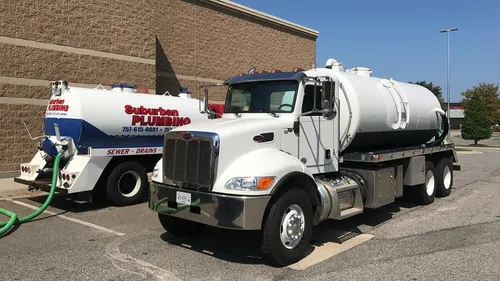
Suburban Plumbing is a locally-owned, family-run business providing commercial and residential plumbing services in Virginia Beach, VA. They specialize in grease trap cleaning, grease basket cleaning, waste oil collection, drain cleaning, dumpster cleaning, and commercial kitchen grease removal. Their fleet of specialized vac-trucks ensures complete grease removal without mess, and they handle all required municipal compliance reports. Suburban Plumbing serves the broader Hampton Roads area, including Norfolk, Hampton, and Chesapeake. Emergency service is available to support urgent needs.
ASAP Waste Solutions
4010 Anita Ave, Midlothian, VA 23112
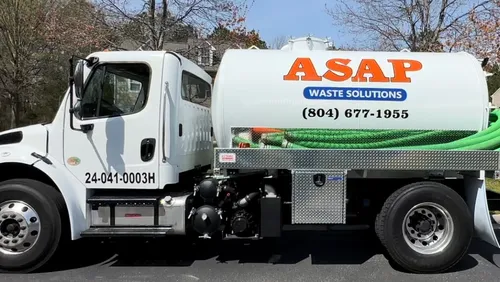
ASAP Waste Solutions is based in Richmond, VA, providing commercial septic and grease trap cleaning services. They specialize in handling fatty foods, vegetable oil, septic systems, and septic maintenance. The company emphasizes environmental health and safety while educating clients about waste management. Their team is experienced in grease trap cleaning and septic system maintenance, aiming to support environmental waste education.
Restaurant Technologies
6601 S Laburnum Ave suite a, Henrico, VA 23231
Restaurant Technologies is a used cooking oil collection company based in Richmond, VA. They provide an automatic cooking oil delivery and recycling service designed to reduce hazards and labor associated with manual oil management in commercial kitchens. Their Total Oil Management system includes installing tanks for fresh and waste oil, automatic fryer controls, and a closed-loop process that delivers fresh oil and removes used oil safely without entering the business. This end-to-end solution supports sustainability initiatives and helps restaurants maintain cleaner and safer operations.
Understanding Virginia's Regulatory Landscape
Virginia's approach to used cooking oil management involves a combination of state-level guidelines and stringent local ordinances. At the state level, the DEQ regulates businesses as used oil generators, requiring secure, labeled storage and proper handling to prevent environmental contamination. Transport of UCO by commercial haulers is regulated under general hazardous waste rules, meaning haulers must have an EPA Identification Number and use proper containers.
The most impactful regulations often come from your local municipality. Many cities and counties in Virginia have enacted specific FOG ordinances to protect their sewer infrastructure. For example, the Town of Culpeper requires food service establishments to obtain a FOG permit and have certified employees trained in proper disposal practices 1. Similarly, Fairfax County and the City of Virginia Beach enforce strict rules against pouring any fats, oils, or grease down drains, emphasizing the importance of proper containerization and professional collection 2. Failure to comply can result in significant fines and repair costs for sewer overflows.
Best Practices for Storage and On-Site Management
Safe and compliant storage is the first line of defense. The universal rule is to never pour used cooking oil down sinks, floor drains, or into dumpsters 3 4. This practice is the primary cause of sewer clogs and sanitary sewer overflows, which can lead to environmental damage and costly public works repairs.
Instead, follow these key storage protocols:
- Use Approved Containers: Store UCO in durable, leak-proof, food-grade containers like barrels or dedicated collection tanks. Lids must remain closed to prevent rainwater ingress and contamination 5.
- Ensure Secondary Containment: For larger storage volumes, containers should be placed within a secondary containment system (like a spill pallet) to capture any potential leaks or spills.
- Label Clearly: All containers must be properly labeled as "Used Cooking Oil" to avoid confusion and ensure safe handling by staff and collection personnel.
- Prevent Stormwater Contamination: Store containers in a protected area away from storm drains. Even small spills during transfer can harm local waterways.
Choosing a Professional Collection Service
Partnering with a licensed used cooking oil hauler is the most reliable way to ensure compliance and consistent waste removal. Professional services handle the complexities of transportation, recycling, and documentation.
- Verify Licensing: Always contract with a hauler that possesses a valid EPA ID number for transporting used oil, as required by Virginia regulations.
- Service Flexibility: Reputable providers offer customizable pickup schedules-whether weekly, bi-weekly, or monthly-to match your kitchen's production volume. Many can accommodate urgent pickups within a 48-hour window 6.
- Comprehensive Offerings: Look for services that include container delivery and maintenance, site cleanup after pickup, and provision of digital or paper manifests for your records. This full-service approach simplifies management and ensures a clean, safe work area 7.
Find the perfect used cooking oil collection companies for your needs
Get personalized recommendations and expert advice
Cost Structures and Potential Incentives
The cost for used cooking oil collection in Virginia varies based primarily on your establishment's volume and service frequency. Understanding the common pricing models can help in budgeting and service selection.
- Monthly Service Fees: This is a common model where you pay a fixed monthly charge. For small restaurants generating 10-20 gallons per week, fees might range from $60 to $120 per month. High-volume establishments producing 75+ gallons weekly can expect monthly fees from $300 to over $600 8.
- Per-Gallon Charges: Some haulers charge based on the volume collected. Rates can range from free pickup for very small amounts to $0.40-$0.65 per gallon for larger volumes 9. In some cases, if your oil is high-quality and volume is consistent, you may even receive a small rebate from the recycler.
- State Tax Credits: Virginia offers a tax credit for the purchase of equipment used in the recycling of waste oil, which can include certain on-site storage or handling equipment. It's important to note that these credits have specific limits and eligibility requirements, so consulting with a tax professional is advised.
A Step-by-Step Compliance Checklist
To maintain a compliant and efficient used cooking oil collection system, follow this actionable checklist:
- Contain and Secure: Immediately transfer cooled UCO into a dedicated, sealed, food-grade container. Never use containers that held chemicals or other non-food products.
- Know Your Local Ordinance: Contact your local public works or environmental services department to understand specific FOG permit requirements, employee training mandates, and inspection schedules.
- Contract with a Licensed Hauler: Select a professional collection service with a valid EPA ID. Ensure the contract details pickup frequency, container servicing, and emergency contact procedures 10 11.
- Train Your Staff: Educate all kitchen employees on the "no drain disposal" rule and your establishment's specific procedures for transferring and storing UCO 12.
- Monitor and Optimize: Keep a simple log of your UCO production. This data can help you adjust pickup schedules to avoid overflows and may help you qualify for better service rates or recycling rebates 13.
Frequently asked questions
Sources
Footnotes
-
Fats, Oils, and Grease (FOG) Regulation - Town of Culpeper, VA - https://www.culpeperva.gov/government/public_services/environmental_services/fats,_oils,_and_grease_(fog)_regulation.php ↩
-
Fats, Oils and Grease (FOG) - Fairfax County - https://www.fairfaxcounty.gov/publicworks/fats-oils-grease ↩
-
Disposal of Fats, Oil & Grease | City of Virginia Beach - https://pu.virginiabeach.gov/conservation-education/fats-oil-grease ↩
-
Used Cooking Oil Disposal Used Cooking Oil Bins Spills - https://www.fredericksburgva.gov/DocumentCenter/View/27084/2024-MARCH-FOG-NEWSLETTER ↩
-
Code of Virginia Code - Chapter 55.1. Waste Kitchen Grease - https://law.lis.virginia.gov/vacodefull/title3.2/chapter55.1/ ↩
-
Charlottesville VA Used Cooking Oil Recycling | Greasecycle - https://grease-cycle.com/virginia/charlottesville-used-cooking-oil-recycling/ ↩
-
Blacksburg VA Used Cooking Oil Recycling - Greasecycle - https://grease-cycle.com/virginia/blacksburg-cooking-oil-recycling/ ↩
-
Used Cooking Oil Pickup vs Drop-Off-What's Best for Restaurants? - https://www.greaseprosrecycling.com/used-cooking-oil-pickup-vs-drop-off/ ↩
-
Restaurant Used Cooking Oil Recycling & Disposal Guide - https://greaseconnections.com/restaurant-used-cooking-oil-disposal-recycling-revenue-guide/ ↩
-
Other Waste Generators | Virginia DEQ - https://www.deq.virginia.gov/land-waste/solid-hazardous-waste/hazardous-waste/hazardous-waste-requirements/other-rcra-handlers ↩
-
Lynchburg VA Used Cooking Oil Recycling | Greasecycle - https://grease-cycle.com/virginia/lynchburg-used-cooking-oil-recycling/ ↩
-
Used Cooking Oil Disposal - UVA Dine - https://pollutionprevention.virginia.edu/assets/docs/SOP/SOP_UsedCookingOilDisposalUVADine.pdf ↩
-
Discover Virginia's Waste Oil Laws and Incentives - EnergyLogic - https://energylogic.com/common-wealth-virginia-waste-oil-credit/ ↩