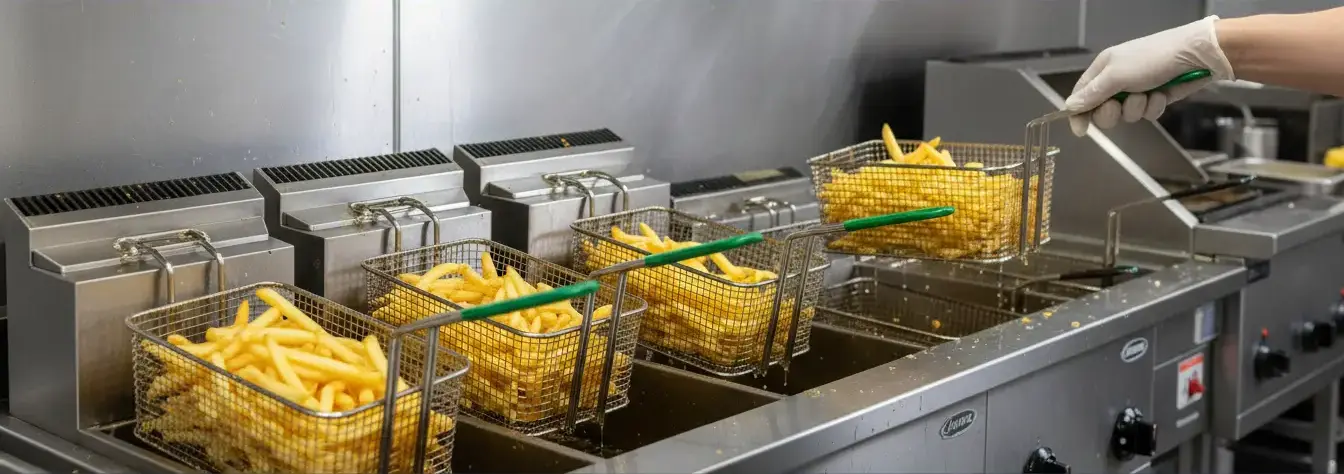
Find the Best Used Cooking Oil Collection Companies for Your Business
No obligation • Fast responses • Nationwide coverage

Why you can trust Restaurant Waste Disposal
Restaurant Waste Disposal is a leading U.S. resource for comparing restaurant composting, food-waste recycling, grease trap cleaning, and used cooking oil collection services. Our editorial team researches providers, checks credentials, and organizes unbiased information so operators can make informed decisions. Companies cannot pay to change ratings or placement.
Search providers near you
Top Used Cooking Oil Collection Companies in Indianapolis, Indiana Ranked
For restaurants in Indianapolis, managing used cooking oil (UCO) is a critical operational task that intersects with environmental responsibility, regulatory compliance, and even potential cost recovery. Properly handled, this waste stream can be safely and efficiently collected by licensed haulers who recycle it into valuable products like biodiesel. Navigating this process requires understanding local and state rules, implementing best practices for on-site storage, and selecting a reliable service partner. This guide outlines the essential steps for compliant and effective waste oil management for food service establishments in the Circle City.
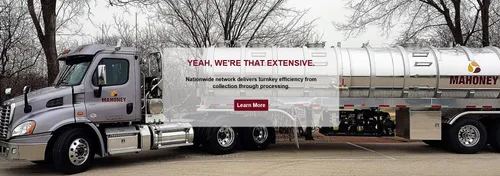
Mahoney Environmental
2535 Producers Av, Indianapolis, IN 46218
Mahoney Environmental is a cooking oil management company based in Indianapolis, IN, serving commercial kitchens throughout the state. They offer a range of services including fresh cooking oil delivery, used cooking oil pickup and recycling, grease trap cleaning and maintenance, as well as the design and installation of cooking oil equipment. Their used cooking oil is recycled into renewable diesel and sustainable aviation fuel, supporting environmental sustainability. Mahoney Environmental works with clients to create customized schedules for oil delivery and pickup, ensuring efficient kitchen operations and compliance with health codes.
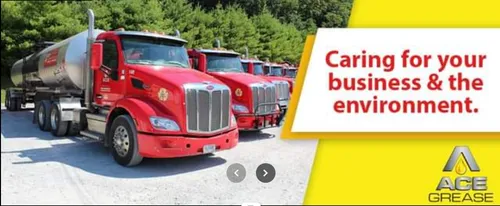
Ace Grease Service
1815 Kentucky Ave, Indianapolis, IN 46221
Ace Grease Service is a family-owned company based in Indianapolis, IN, specializing in used cooking oil collection and grease trap cleaning. With over 31 years of experience, they serve restaurants, hotels, hospitals, penal institutions, and large food manufacturing plants. The company collects used cooking oil and cleans grease traps to help keep kitchens and sewers clean, then processes and recycles the oil into products like plastics, soaps, livestock feed, and biodiesel fuel. Ace Grease Service operates across nine states in the Midwest with a fleet of modern trucks and equipment.
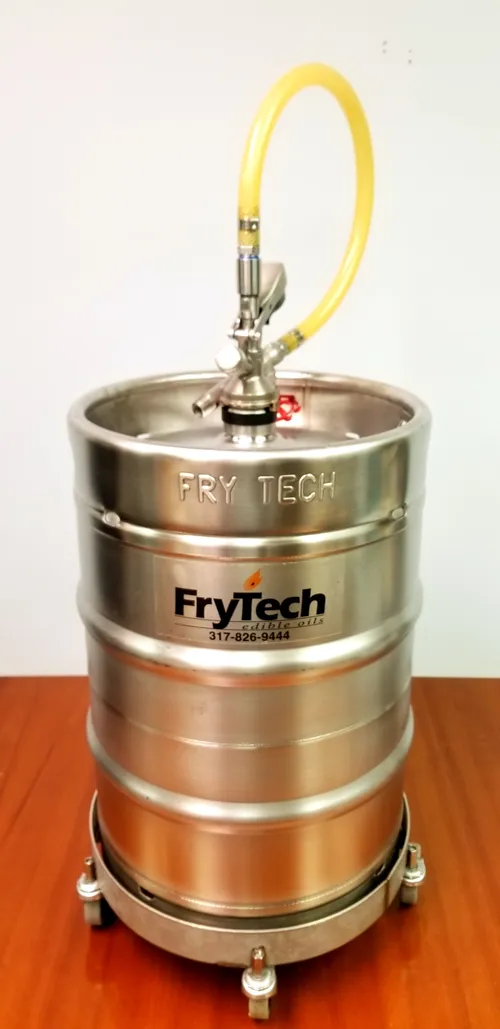
Fry Tech Edible Oils
4830 Industrial Pkwy, Indianapolis, IN 46226
Fry Tech Edible Oils is a cooking oil management company based in Indianapolis, IN. They provide cooking oil delivery, collection, pickup, and recycling services tailored to commercial kitchens such as restaurants, hospitals, schools, supermarkets, and convenience stores. Their service area covers Indiana, Michigan, Northern Kentucky, and Western Ohio. Fry Tech offers customized cooking oil management plans that include high-quality cooking oils with good nutritional value and stability, managing all aspects of delivery and collection to support their clients' operations.

Restaurant Technologies
is, 9703 E 153rd St #400, Noblesville, IN 46060
Restaurant Technologies is a used cooking oil collection company based in Carmel, IN. They offer an automatic cooking oil management system that includes bulk oil delivery, filtration, and recycling through a closed-loop process. Their service features the installation of tanks connected to fryers, allowing for safe and efficient oil handling without manual labor. The company operates a depot in Indianapolis and serves commercial kitchens looking to improve safety and sustainability while reducing labor associated with cooking oil management.
Understanding Local Regulations and Compliance
In Indianapolis, restaurant operators must adhere to specific rules for handling used fryer oil. The primary regulatory framework is Indiana's Used Oil Rule (329 IAC 13), which incorporates federal standards for proper collection, storage, and management. A fundamental and non-negotiable rule is to never pour used cooking oil down drains or mix it with regular trash, as this can lead to severe sewer blockages, environmental harm, and significant violations.
The state rule mandates that used oil must be stored in sealed, designated containers and collected by a licensed hauler for recycling 1. Compliance isn't just about avoiding fines; it's a core part of responsible business operations in Marion County. Proper management ensures that this waste is diverted from landfills and wastewater systems, supporting Indiana's broader environmental goals. Familiarizing yourself with these guidelines from the Indiana Department of Environmental Management (IDEM) is the first step toward a compliant and sustainable grease disposal program 1.
The Step-by-Step Process for Oil Collection
A systematic approach to grease recycling ensures safety, efficiency, and compliance. Here is the standard workflow for Indianapolis restaurants:
- Strain and Cool: After use, the oil should be strained to remove food particles and sediment. It is crucial to let the oil cool to a safe temperature (typically below 120°F) before transferring it to a storage container to prevent burns and container damage 2.
- Containerize: The cooled, strained oil is poured into a dedicated storage tank provided by your collection service. These containers are designed to be leak-proof and are often placed in a convenient outdoor location, though indoor options exist.
- Schedule Pickup: Your partnered hauler will establish a regular pickup schedule-weekly, bi-weekly, or monthly-based on your volume. They will pump the oil from your storage tank into their specialized collection truck.
- Haul and Recycle: The hauler transports the collected oil to a processing facility where it is recycled. The primary end product is biodiesel, a renewable fuel, transforming your kitchen waste into a valuable resource.
Best Practices for On-Site Storage and Safety
Effective on-site management is key to a smooth collection process. Proper storage prevents accidents, contamination, and even theft.
- Use Specialized Containers: Always store oil in the purpose-built, lockable containers provided by your recycling company. These tanks are designed to be durable, leak-proof, and secure 3.
- Ideal Placement: Position storage tanks outdoors on a stable, level surface, away from building drains, heat sources, and high-traffic areas. If an outdoor location isn't feasible, discuss secure indoor options with your provider.
- Prevent Contamination and Theft: Keep container lids locked when not in use. This prevents rainwater, debris, or unauthorized substances from contaminating the oil, which can lower its recycling value. Locking lids also deter theft, as used cooking oil has a market value 4.
- Clear Labeling: Ensure containers are clearly marked as "Used Cooking Oil" to avoid confusion with other materials.
Find the perfect used cooking oil collection companies for your needs
Get personalized recommendations and expert advice
Cost Structure and Potential Value Recovery
The cost for used cooking oil pickup services in Indianapolis varies primarily based on the volume of oil your restaurant generates and the frequency of service.
- Small Restaurants producing approximately 10-20 gallons per week might see monthly service fees in the range of $60 to $120.
- Medium to Large Establishments generating 30-50 gallons or more per week could have monthly costs between $150 and $300 5.
However, it's important to view this not just as a cost, but as a waste management service that can be offset. Many providers offer free storage tanks as part of their service agreement 6 7. Furthermore, because the collected oil has value as a feedstock for biodiesel, some companies offer rebates or direct payments for the oil. These payments can range from $0.10 to $0.65 per gallon, depending on market conditions and volume 8 9 10. For a high-volume kitchen, this payment can significantly reduce the net cost of service or even turn a waste product into a minor revenue stream.
Selecting a Service Provider in Indianapolis
Choosing the right partner is essential for reliable and compliant grease collection. Several established providers serve the Indianapolis area, each offering slightly different service models:
- Mahoney Environmental: A national provider offering comprehensive services including used cooking oil collection, recycling, and grease trap cleaning.
- Grand Natural Inc.: A local Indiana company that provides free containers, flexible indoor/outdoor storage solutions, and recycles all collected oil.
- Liquid Recovery Solutions (LRS): Offers customized storage units and handles scheduled collection and recycling 11.
- Frytech Edible Oils: Focuses on oil disposal and recycling services within Indiana.
When evaluating providers, consider their reliability, compliance record, frequency of service, and the transparency of their pricing or rebate structure. A good provider acts as a partner in helping you manage this aspect of your operations efficiently.
Environmental and Community Impact
Participating in a formal used cooking oil recycling program has a positive impact that extends beyond your kitchen. By diverting this material from landfills and sewers, Indianapolis restaurants contribute to cleaner local waterways and reduced strain on municipal wastewater treatment systems 12. The most significant environmental benefit is the transformation of waste oil into biodiesel. This renewable fuel burns cleaner than petroleum diesel, reducing greenhouse gas emissions and supporting a more circular economy right here in Indiana 13 14. Your restaurant's used fryer oil can literally help power local transportation in a more sustainable way.
Frequently asked questions
Sources
Footnotes
-
IDEM: Managing Waste: Used Oil - https://www.in.gov/idem/waste/hazardous-waste/used-oil/ ↩ ↩2
-
Used Cooking Oil (UCO) Collection Service For Restaurants - https://thegreasecompany.com/blog/restaurant-used-cooking-oil-collection/ ↩
-
Complying with Indiana's Used Oil Rule 329 IAC 13 - IN.gov - https://www.in.gov/idem/waste/files/hw_used_oil_rule.pdf ↩
-
How to Properly Store Used Cooking Oil for Recycling Pickup - https://nwbiofuel.com/blog/how-to-properly-store-used-cooking-oil-for-recycling-pickup/ ↩
-
Used Cooking Oil Pickup and Recycling Services in Indianapolis - https://www.grandnatural.com/locations/used-cooking-oil-recycling-in-indianapolis.html ↩
-
Used Cooking Oil Collection & Grease Trap Service in ... - https://www.mahoneyes.com/used-cooking-oil-recycling-indianapolis-in/ ↩
-
Used Cooking Oil Collection Indianapolis - https://www.grandnaturalinc.com/locations/used-cooking-oil-recycling-in-indianapolis.html ↩
-
Better Cooking Oil Collection for Indiana Eateries - https://evergreengrease.com/posts/better-cooking-oil-collection ↩
-
Used Cooking Oil Pickup vs Drop-Off - GreasePros Recycling - https://www.greaseprosrecycling.com/used-cooking-oil-pickup-vs-drop-off/ ↩
-
Restaurant Used Cooking Oil: Disposal, Recycling & Revenue Guide - https://greaseconnections.com/restaurant-used-cooking-oil-disposal-recycling-revenue-guide/ ↩
-
Used Cooking Oil Recycling Company & Grease Trap Services - https://liquidrecover.com/ ↩
-
Used Cooking Oil Disposal: Complete Guide to Grease Pickups - https://greaseconnections.com/used-cooking-oil-disposal-guide-grease-pickups/ ↩
-
Indiana Cooking Oil Disposal - Frytech Edible Oils - https://frytechoils.com/frytech-provides-indiana-cooking-oil-disposal/ ↩
-
Indiana Used Cooking Oil Recycling - Frytech Edible Oils - https://frytechoils.com/what-is-indiana-used-cooking-oil-recycling-and-how-do-you-find-a-used-cooking-oil-recycling-company/ ↩