Find the Best Used Cooking Oil Collection Companies for Your Business
No obligation • Fast responses • Nationwide coverage

Why you can trust Restaurant Waste Disposal
Restaurant Waste Disposal is a leading U.S. resource for comparing restaurant composting, food-waste recycling, grease trap cleaning, and used cooking oil collection services. Our editorial team researches providers, checks credentials, and organizes unbiased information so operators can make informed decisions. Companies cannot pay to change ratings or placement.
Search providers near you
Top Used Cooking Oil Collection Companies in Carmel, Indiana Ranked
For restaurants in Carmel, managing used cooking oil (UCO) is a critical operational and environmental responsibility. Proper disposal of this waste stream is not only mandated by local utility regulations but also presents an opportunity for sustainability and potential revenue. By partnering with a professional grease collection service, food service establishments can ensure compliance, protect their plumbing and the municipal sewer system, and contribute to the circular economy by turning waste into valuable resources like biodiesel. This guide outlines the essential practices, local rules, and benefits of establishing a reliable UCO management program in Carmel.
Mahoney Environmental
2535 Producers Av, Indianapolis, IN 46218
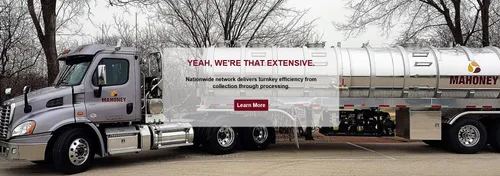
Mahoney Environmental is a cooking oil management company based in Indianapolis, IN, serving commercial kitchens throughout the state. They offer a range of services including fresh cooking oil delivery, used cooking oil pickup and recycling, grease trap cleaning and maintenance, as well as the design and installation of cooking oil equipment. Their used cooking oil is recycled into renewable diesel and sustainable aviation fuel, supporting environmental sustainability. Mahoney Environmental works with clients to create customized schedules for oil delivery and pickup, ensuring efficient kitchen operations and compliance with health codes.
Ace Grease Service
1815 Kentucky Ave, Indianapolis, IN 46221
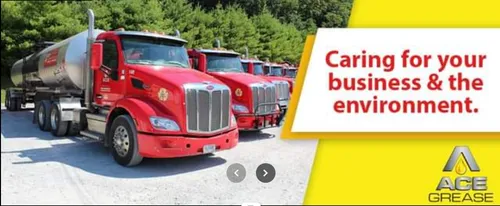
Ace Grease Service is a family-owned company based in Indianapolis, IN, specializing in used cooking oil collection and grease trap cleaning. With over 31 years of experience, they serve restaurants, hotels, hospitals, penal institutions, and large food manufacturing plants. The company collects used cooking oil and cleans grease traps to help keep kitchens and sewers clean, then processes and recycles the oil into products like plastics, soaps, livestock feed, and biodiesel fuel. Ace Grease Service operates across nine states in the Midwest with a fleet of modern trucks and equipment.
Fry Tech Edible Oils
4830 Industrial Pkwy, Indianapolis, IN 46226
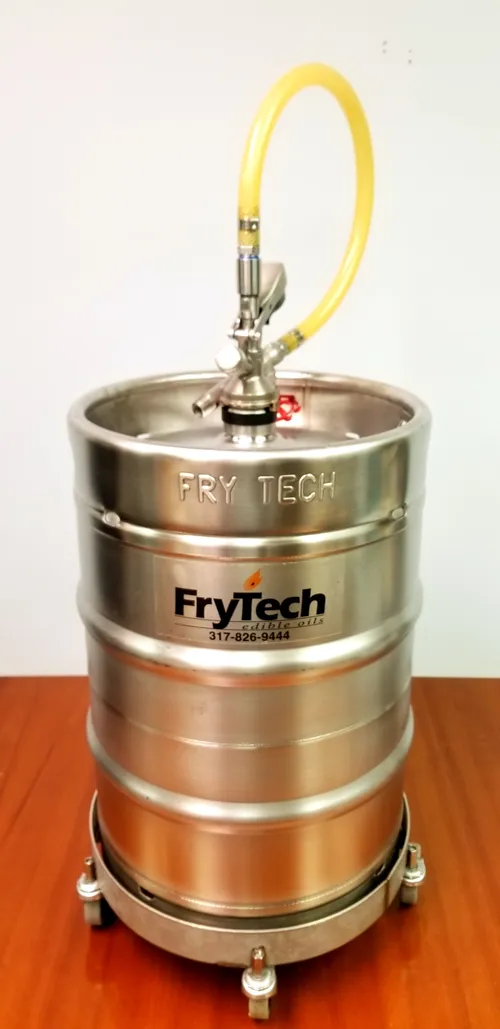
Fry Tech Edible Oils is a cooking oil management company based in Indianapolis, IN. They provide cooking oil delivery, collection, pickup, and recycling services tailored to commercial kitchens such as restaurants, hospitals, schools, supermarkets, and convenience stores. Their service area covers Indiana, Michigan, Northern Kentucky, and Western Ohio. Fry Tech offers customized cooking oil management plans that include high-quality cooking oils with good nutritional value and stability, managing all aspects of delivery and collection to support their clients' operations.
Restaurant Technologies
is, 9703 E 153rd St #400, Noblesville, IN 46060
Restaurant Technologies is a used cooking oil collection company based in Carmel, IN. They offer an automatic cooking oil management system that includes bulk oil delivery, filtration, and recycling through a closed-loop process. Their service features the installation of tanks connected to fryers, allowing for safe and efficient oil handling without manual labor. The company operates a depot in Indianapolis and serves commercial kitchens looking to improve safety and sustainability while reducing labor associated with cooking oil management.
Understanding Carmel's FOG Regulations
Carmel Utilities enforces specific Fat, Oil, and Grease (FOG) control regulations to protect the city's wastewater infrastructure from costly clogs and blockages. These rules are designed to prevent grease from entering the sewer system, where it can solidify and cause significant problems. For commercial kitchens, compliance is not optional; it's a fundamental requirement for operating responsibly within the community.
Key components of the local FOG program include:
- Prohibited Disposal Methods: It is strictly against code to pour used fryer oil, grease, or food scraps down sinks, floor drains, or garbage disposals. Scraped solids from grills, pots, and pans must be discarded into the trash.
- Grease Interceptor Maintenance: Most commercial food service establishments are required to have an exterior grease interceptor (or grease trap). These devices must be pumped out and cleaned by a licensed hauler at least every 90 days, unless an alternative schedule is approved by Carmel Utilities 1.
- Proper Storage for Collection: Used cooking oil intended for recycling must be stored in sealed, sturdy containers provided by or approved by your licensed collection service. These containers should be kept in a designated, accessible area for scheduled pickup 2.
Adhering to these guidelines helps restaurants avoid fines, severe sewer backups, and damage to their own plumbing systems.
The Step-by-Step Process for Oil Collection
Establishing a smooth, efficient workflow for handling used fryer oil is essential for kitchen safety and oil quality. A proper process maximizes the value of your oil and ensures seamless service from your collection provider.
Safe Handling and On-Site Preparation
Before oil is ever poured into a collection container, safe handling is paramount. Always allow oil to cool below 120°F to prevent burns and avoid damaging plastic storage containers 3. Once cooled, the oil should be filtered or strained to remove food particles and sediment. Using fine-mesh screens or dedicated filtering equipment helps produce a cleaner product, which is more valuable to recyclers. This step should be done over a dedicated container, never over a sink or drain.
Secure Storage and Theft Prevention
After preparation, oil must be transferred to a secure, lidded container. Professional collection services typically provide lockable, durable totes or drums for this purpose. These containers should be stored in a secure, designated area that is easily accessible for pickup trucks but not visible or accessible to the public. Securing your used cooking oil prevents unauthorized dumping, contamination, and theft, which has become an issue as the value of UCO for biodiesel has increased.
Scheduled Pickup and Recycling
Your service provider will establish a regular pickup schedule based on your oil volume-whether weekly, bi-weekly, or monthly. A licensed hauler will collect the full containers and replace them with clean, empty ones. The collected oil is then transported to a processing facility where it is recycled. In Indiana, a significant portion of used cooking oil is refined into biodiesel, a renewable fuel, or repurposed into ingredients for animal feed or industrial products 4. This process completes the cycle, diverting waste from landfills and sewers and creating new, useful commodities.
Find the perfect used cooking oil collection companies for your needs
Get personalized recommendations and expert advice
Financial Implications: Costs and Potential Rebates
Managing used cooking oil isn't just a cost of business; it can also be a small revenue stream. The financial model depends heavily on the quality and volume of oil you produce.
Many professional collection companies offer a rebate or payment for clean, uncontaminated used cooking oil. Rebate rates can vary based on market conditions for biodiesel feedstocks, but typically range from $0.10 to $0.65 per gallon 5 6. The key factor is purity: oil that is free of water, food debris, and other contaminants (like motor oil) commands the highest price. Conversely, heavily contaminated oil may incur a disposal fee, as it costs the recycler more to process 7 6.
Some providers may offer free pickup and container rental as part of their service, especially for establishments with high, consistent volume. Others may have a service fee. It's crucial to discuss the complete pricing structure-including any potential fees for service, container rental, or contamination-with your provider to understand the true net cost or benefit for your operation.
Choosing a Service Provider in Carmel
Selecting the right partner for your used cooking oil collection needs is a business decision that impacts your operations, compliance, and bottom line. Look for a licensed, insured, and reputable company with experience serving the Carmel and Hamilton County area.
Local and national providers, such as Mahoney Environmental and Evergreen Grease, offer services in this region 8. When evaluating providers, consider their reliability, pickup schedule flexibility, and the quality of their equipment. Ask specific questions about their rebate program structure, how they handle contaminated loads, and their reporting process. A good provider will help you optimize your on-site handling to improve oil quality and should be a resource for staying compliant with Carmel Utilities' evolving FOG regulations 8 9.
Implementing a professional used cooking oil management system is a clear win for Carmel restaurants. It ensures regulatory compliance, reduces environmental impact, contributes to local recycling efforts, and can provide a modest financial return. By treating used oil as a commodity rather than just waste, your establishment can operate more sustainably and efficiently.
Frequently asked questions
Sources
Footnotes
-
Carmel Utilities FOG Manual - https://carmelutilities.com/wp-content/uploads/2023/05/Fog_Manual.pdf ↩
-
§ 33.289 COMMERCIAL GREASE AND OIL COLLECTION SYSTEMS. - https://codelibrary.amlegal.com/codes/carmelwastewaterca/latest/carmelwastewater_ca/0-0-0-2214 ↩
-
Used Cooking Oil Disposal: Complete Guide to Grease Pickups - https://greaseconnections.com/used-cooking-oil-disposal-guide-grease-pickups/ ↩
-
Cooking Oil Collection Company Indiana - Frytech Edible Oils - https://frytechoils.com/cooking-oil-collection-company-indiana/ ↩
-
Better Cooking Oil Collection for Indiana Eateries - https://evergreengrease.com/posts/better-cooking-oil-collection ↩
-
Used Cooking Oil Pricing & Business Guide - Grease Connections - https://greaseconnections.com/used-cooking-oil-pricing-guide/ ↩ ↩2
-
Restaurant Used Cooking Oil Recycling & Disposal Guide - https://greaseconnections.com/restaurant-used-cooking-oil-disposal-recycling-revenue-guide/ ↩
-
Used Cooking Oil Collection & Grease Trap Service in ... - https://www.mahoneyes.com/used-cooking-oil-recycling-indianapolis-in/ ↩ ↩2
-
Fats, Oil & Grease - Carmel Utilities - https://carmelutilities.com/fats-oil-grease/ ↩