Find the Best Used Cooking Oil Collection Companies for Your Business
No obligation • Fast responses • Nationwide coverage

Why you can trust Restaurant Waste Disposal
Restaurant Waste Disposal is a leading U.S. resource for comparing restaurant composting, food-waste recycling, grease trap cleaning, and used cooking oil collection services. Our editorial team researches providers, checks credentials, and organizes unbiased information so operators can make informed decisions. Companies cannot pay to change ratings or placement.
Search providers near you
Best Used Cooking Oil Collection Companies in Indiana Ranked
For Indiana restaurants, managing used cooking oil (UCO) is a critical operational and environmental responsibility. Proper collection and recycling not only ensure compliance with state and federal regulations but also turn a waste product into a potential revenue stream. By partnering with a professional collection service, food service establishments can secure a convenient, safe, and often cost-effective solution for handling this material, diverting it from landfills and contributing to a circular economy. This guide outlines the key considerations for UCO management specific to Indiana.
American Grease & Septic
2501 S Kentucky Ave, Evansville, IN 47714
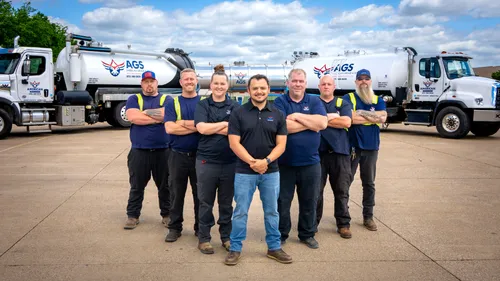
American Grease & Septic is based in Evansville, IN, providing grease trap cleaning, used cooking oil collection, and septic system services. They offer tailored solutions for projects, businesses, and events, including luxury restroom trailers and specialty waste management. The company emphasizes environmentally safe and compliant practices and provides annual programs along with emergency response. Known for their expertise in grease trap maintenance and septic system cleaning, American Grease & Septic has built a reputation for knowledgeable and professional service.
Mahoney Environmental
2535 Producers Av, Indianapolis, IN 46218
Mahoney Environmental is a cooking oil management company based in Indianapolis, IN, serving commercial kitchens throughout the state. They offer a range of services including fresh cooking oil delivery, used cooking oil pickup and recycling, grease trap cleaning and maintenance, as well as the design and installation of cooking oil equipment. Their used cooking oil is recycled into renewable diesel and sustainable aviation fuel, supporting environmental sustainability. Mahoney Environmental works with clients to create customized schedules for oil delivery and pickup, ensuring efficient kitchen operations and compliance with health codes.
Ace Grease Service
1815 Kentucky Ave, Indianapolis, IN 46221
Ace Grease Service is a family-owned company based in Indianapolis, IN, specializing in used cooking oil collection and grease trap cleaning. With over 31 years of experience, they serve restaurants, hotels, hospitals, penal institutions, and large food manufacturing plants. The company collects used cooking oil and cleans grease traps to help keep kitchens and sewers clean, then processes and recycles the oil into products like plastics, soaps, livestock feed, and biodiesel fuel. Ace Grease Service operates across nine states in the Midwest with a fleet of modern trucks and equipment.
Fry Tech Edible Oils
4830 Industrial Pkwy, Indianapolis, IN 46226
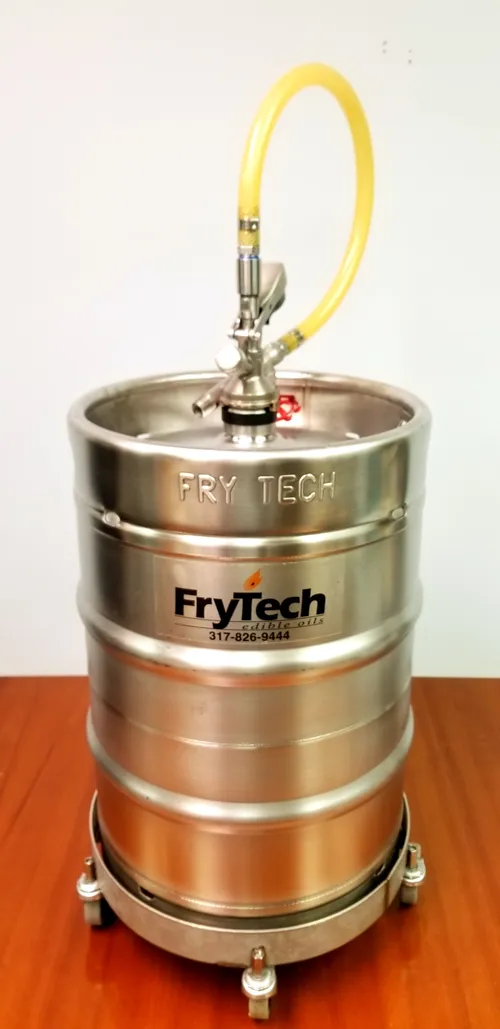
Fry Tech Edible Oils is a cooking oil management company based in Indianapolis, IN. They provide cooking oil delivery, collection, pickup, and recycling services tailored to commercial kitchens such as restaurants, hospitals, schools, supermarkets, and convenience stores. Their service area covers Indiana, Michigan, Northern Kentucky, and Western Ohio. Fry Tech offers customized cooking oil management plans that include high-quality cooking oils with good nutritional value and stability, managing all aspects of delivery and collection to support their clients' operations.

Restaurant Technologies
is, 9703 E 153rd St #400, Noblesville, IN 46060
Restaurant Technologies is a used cooking oil collection company based in Carmel, IN. They offer an automatic cooking oil management system that includes bulk oil delivery, filtration, and recycling through a closed-loop process. Their service features the installation of tanks connected to fryers, allowing for safe and efficient oil handling without manual labor. The company operates a depot in Indianapolis and serves commercial kitchens looking to improve safety and sustainability while reducing labor associated with cooking oil management.
Understanding Indiana's Used Oil Regulations
Indiana's regulatory framework for used oil, primarily under 329 IAC 13, aligns with federal standards to prevent environmental harm and promote recycling. The rules apply to any business generating used oil, including restaurants with fryers and cooking equipment. Core requirements focus on proper containment and handling to avoid releases into the environment.
Key regulatory points for Indiana businesses include:
- Storage: Used oil must be kept in leak-proof containers or tanks that are clearly labeled (e.g., "Used Oil") and in good condition. Containers must have tight-fitting lids and be stored in a designated area away from storm drains.
- Spill Prevention & Cleanup: Facilities must have measures in place to contain spills. Any spills must be cleaned up promptly and thoroughly to prevent environmental release 1.
- Prohibited Acts: It is illegal to mix used cooking oil with hazardous waste or to use it for dust suppression on roads or property 2 3.
- Transport: The transportation of used oil off-site must be handled by a licensed hauler. If the oil meets certain criteria (like a flashpoint below specific thresholds), it may be regulated as a hazardous material during transport, requiring compliance with U.S. Department of Transportation rules (49 CFR 171-180).
Adhering to these rules is not just about compliance; it establishes a foundation for safe, efficient recycling. Professional collection services are well-versed in these regulations and handle the complexities of transportation and documentation on your behalf.
The Value of Professional Pickup Services
For most restaurants, scheduled pickup by a dedicated service provider is the most practical and secure method for UCO collection. These services manage the entire process from container provision to final recycling.
How It Works: A provider typically supplies a secure, locked collection container (often a barrel or small tank) placed in a convenient location on your property, such as near the kitchen exit. You fill the container with cooled UCO, and the service performs regular pickups on a schedule that matches your volume-weekly, bi-weekly, or monthly. The hauler then transports the oil to a processing facility.
Key Benefits:
- Convenience & Reliability: Scheduled pickups ensure your oil is removed regularly, preventing overflow and mess.
- Security: Locked containers prevent theft, which is important as used oil has value on the commodities market.
- Compliance Assurance: Reputable haulers ensure transport and recycling meet all state (IDEM) and federal requirements, giving you peace of mind.
- Added Services: Many providers bundle used cooking oil collection with grease trap cleaning, streamlining waste management with a single, reliable vendor 4.
Cost Structure and Potential Revenue
The financial model for used cooking oil collection can vary significantly. It's not always a cost center; it can be revenue-neutral or even generate income depending on your volume and oil quality.
- For Lower Volume Generators: Restaurants producing smaller amounts (e.g., under 100 gallons per month) often benefit from free pickup services. The collector's revenue from selling the recycled oil covers the cost of service 5.
- For Higher Volume Generators: Establishments with high fryer usage may qualify for rebate programs. Collectors pay for the oil based on its market value, which fluctuates. Rebates can range from a few cents to over 50 cents per gallon, depending on quality and market conditions 6.
- The Quality Factor: The value of your UCO is directly tied to its purity. Oil with less water, food sediment, and other contaminants is more valuable to recyclers. Proper handling-like allowing oil to cool and using filters-can maintain higher quality and potentially increase rebates 7 8.
In essence, proper UCO management can offset or eliminate disposal costs and contribute to operational efficiency.
Find the perfect used cooking oil collection companies for your needs
Get personalized recommendations and expert advice
Best Practices for On-Site Storage & Handling
Proper handling before pickup protects your staff, property, and the value of the oil.
- Cool Completely: Always allow oil to cool completely before transferring it to a storage container to prevent burns and fire risk.
- Use Designated Containers: Only pour UCO into the provider's supplied container. Never use makeshift containers that may leak or break.
- Avoid Contamination: Do not mix used cooking oil with water, soap, sanitizer, or other liquids. Keep food debris to a minimum by using fryer filters. Contaminated oil loses value and is more difficult to recycle 9.
- Secure the Location: Place the collection container in a well-lit, accessible area for the hauler but not in a public right-of-way. Ensure the lid is locked after each use to prevent tampering or dumping of unauthorized waste.
- Know Your Capacity: Understand how much oil your container holds and your typical generation rate. This helps establish an appropriate pickup frequency with your provider to avoid overflows.
The Recycling Journey: From Waste to Resource
When collected properly, used cooking oil is a valuable feedstock for recycling, not waste. After pickup, it is taken to a processing facility where it undergoes several steps:
- Filtration and Cleaning: The oil is heated and filtered to remove food particles, water, and other impurities.
- Processing: The cleaned oil can be refined into various products. The most common end-uses include:
- Biofuel: A significant portion is converted into biodiesel, a renewable, cleaner-burning fuel for diesel engines 10 11.
- Animal Feed Additive: Processed fat can be used as an ingredient in livestock feed.
- Industrial Lubricants: It can be re-refined into base oils for industrial lubricants.
- Soaps and Cosmetics: Treated oil is a raw material in the production of soaps and other products.
By recycling, Indiana restaurants directly support the creation of renewable energy and sustainable products, reducing reliance on landfills and virgin fossil fuels.
Choosing a Collection Partner in Indiana
Selecting the right service provider is crucial. Here are key questions to ask potential partners:
- Licensing & Compliance: Are you licensed to transport used oil in Indiana? How do you ensure compliance with IDEM and DOT regulations?
- Service Details: What type of containers do you provide? How do you secure them? What is your standard pickup schedule, and how flexible is it?
- Pricing Model: Do you charge a fee for pickup, or is it free? Do you offer a rebate program? If so, how is the price per gallon determined and how often is it paid?
- Emergency Response: What is your procedure if I have a spill or an urgent need for an extra pickup?
- Sustainability: Where is my oil recycled, and what end products are made from it?
- References: Can you provide references from other restaurants in my area?
A reputable provider will be transparent in answering these questions and will help you establish a system that is safe, compliant, and tailored to your business's needs.
Frequently asked questions
Sources
Footnotes
-
Additional Information On Used Oil - IN.gov - https://www.in.gov/idem/waste/files/hw_used_oil_management_guidance.pdf ↩
-
Complying with Indiana's Used Oil Rule 329 IAC 13 - IN.gov - https://www.in.gov/idem/waste/files/hw_used_oil_rule.pdf ↩
-
Indiana Administrative Code, Rule 6, Section 6-4 - Used oil ... - https://regulations.justia.com/states/indiana/title-329/article-13/rule-6/section-4/ ↩
-
Used Cooking Oil Collection & Grease Trap Service in ... - https://www.mahoneyes.com/used-cooking-oil-recycling-indianapolis-in/ ↩
-
Used Cooking Oil Pickup vs Drop-Off-What's Best for Restaurants? - https://www.greaseprosrecycling.com/used-cooking-oil-pickup-vs-drop-off/ ↩
-
Used Cooking Oil Disposal: Complete Guide to Grease Pickups - https://greaseconnections.com/used-cooking-oil-disposal-guide-grease-pickups/ ↩
-
Restaurant Used Cooking Oil Recycling & Disposal Guide - https://greaseconnections.com/restaurant-used-cooking-oil-disposal-recycling-revenue-guide/ ↩
-
Better Cooking Oil Collection for Indiana Eateries - https://evergreengrease.com/posts/better-cooking-oil-collection ↩
-
Used Cooking Oil (UCO) Collection Service For Restaurants - https://thegreasecompany.com/blog/restaurant-used-cooking-oil-collection/ ↩
-
IDEM: Managing Waste: Used Oil - https://www.in.gov/idem/waste/hazardous-waste/used-oil/ ↩
-
Indiana Used Cooking Oil Recycling - Frytech Edible Oils - https://frytechoils.com/what-is-indiana-used-cooking-oil-recycling-and-how-do-you-find-a-used-cooking-oil-recycling-company/ ↩