
Find the Best Used Cooking Oil Collection Companies for Your Business
No obligation • Fast responses • Nationwide coverage

Why you can trust Restaurant Waste Disposal
Restaurant Waste Disposal is a leading U.S. resource for comparing restaurant composting, food-waste recycling, grease trap cleaning, and used cooking oil collection services. Our editorial team researches providers, checks credentials, and organizes unbiased information so operators can make informed decisions. Companies cannot pay to change ratings or placement.
Search providers near you
Top Used Cooking Oil Collection Companies in West Palm Beach, Florida Ranked
For restaurants and food service establishments in West Palm Beach, managing used cooking oil (UCO) is a critical operational and environmental responsibility. Proper grease trap and UCO removal isn't just about cleanliness; it's a state-mandated process that requires partnering with licensed haulers to ensure compliance, prevent costly sewer issues, and contribute to a circular economy. By transforming waste oil into renewable biodiesel, local businesses can enhance their sustainability profile while adhering to Florida's strict environmental regulations. This guide outlines the essential practices, benefits, and regulatory framework for effective used oil management in the Palm Beach area.
SWA Home Chemical and Recycling Center
14185 Military Trail, Jupiter, FL 33458
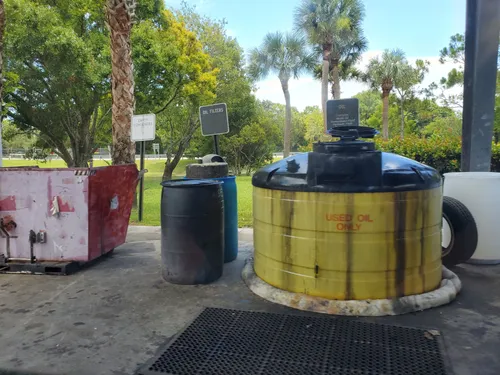
SWA Home Chemical and Recycling Center in Jupiter, FL, provides a safe drop-off location for household hazardous waste and recyclable materials. The center accepts various home chemicals, used motor oil, used cooking oil, batteries, paints, and fluorescent lamps, helping residents dispose of these items responsibly. It is part of a network of seven centers maintained by the Solid Waste Authority, offering convenient access for proper chemical and recycling disposal. The center emphasizes the importance of separating hazardous waste from regular garbage to protect public health and the environment.
Grease Beast LLC
West Palm Beach, FL
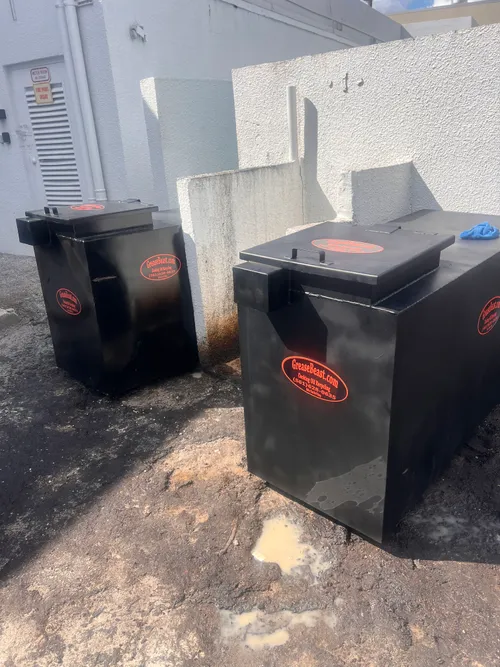
Grease Beast LLC is a used cooking oil collection company based in West Palm Beach, FL. They serve South Florida restaurants, hotels, catering services, and shopping centers by providing free used cooking oil pickup with supplied containers and personalized collection schedules. The company processes the oil by cleaning and testing it before recycling, contributing to local environmental sustainability. With nearly two decades of experience, Grease Beast is committed to supporting the community and promoting eco-friendly waste management.
Understanding Florida's Regulatory Framework for Grease Waste
In Florida, the disposal of used cooking oil and grease trap waste is tightly regulated by the Florida Department of Environmental Protection (FDEP). The primary rule governing this is FDEP Chapter 62-705, which classifies used oil as a hazardous material if not managed properly. For restaurant owners and managers, compliance is not optional. The law mandates that all grease waste must be collected and transported by a state-licensed hauler. Attempting to dispose of oil down drains or in dumpsters can lead to severe sewer blockages, environmental contamination, and significant fines from both the FDEP and local utilities like the City of West Palm Beach's Public Utilities department.
A cornerstone of compliance is maintaining meticulous documentation. Licensed haulers are required to provide a detailed manifest for every collection. Restaurants must keep these service manifests on-site for a minimum of one year for inspection purposes 1. This paper trail proves that the oil was handled legally from your kitchen to its final recycling destination at a permitted processing facility. Understanding these rules from the start helps businesses avoid penalties and operate with confidence.
The Step-by-Step Process of Professional UCO Collection
Engaging a professional used cooking oil collection service in West Palm Beach is a streamlined process designed for convenience and reliability.
-
Tank Installation & Storage: The service typically begins with the provider installing a secure, lockable storage tank at your location-often at no cost to your business. These containers are designed to be airtight and durable, preventing leaks, odors, and contamination. They can be placed in a convenient outdoor or indoor location, such as near your kitchen's rear exit.
-
Regular Collection: Once your oil has cooled, staff can safely pour it into the designated tank. Providers offer either scheduled pickups (e.g., weekly, bi-weekly) or automated collections triggered by a monitor that alerts the hauler when the tank is full. This "set-it-and-forget-it" system ensures you never have to worry about overflows or service interruptions.
-
Transportation & Recycling: The licensed hauler arrives, pumps the oil from your tank into their specialized truck, and provides you with a service manifest. The oil is then transported to a permitted recycling facility. There, it undergoes filtration and purification before being converted into biodiesel-a clean-burning, renewable fuel. This process ensures that your kitchen waste is diverted from landfills and given a productive second life.
Best Practices for On-Site Oil Storage and Security
Proper on-site storage is your first line of defense for safety, compliance, and cost-efficiency. Using the correct containers prevents spills that can create slip hazards and attract pests. Always store used oil in the dedicated, lockable tank provided by your hauler, never in makeshift containers 2. The location of your storage tank is also important. Choose a cool, dark, and secure area, such as a fenced-in section of your loading dock or a locked storage closet. This helps preserve the quality of the oil for recycling and acts as a deterrent against theft, as used cooking oil has black-market value 3 2.
Enhancing security around your storage area is a wise consideration. Simple measures like motion-sensor lighting, security cameras, or ensuring the collection hose connection point is locked can prevent unauthorized siphoning. Establishing a clear internal protocol for your staff on how and where to dispose of cooled oil is equally vital. This ensures the oil enters the proper recycling stream and doesn't accidentally end up causing a plumbing disaster.
Financial and Environmental Benefits for Your Business
Partnering with a used cooking oil collection service in West Palm Beach offers a compelling value proposition that goes beyond mere compliance. Financially, many providers offer their services-including the tank, pickup, and recycling-at no direct cost to the restaurant 4 5. The hauler monetizes the recycled oil by selling it to biodiesel producers, creating a symbiotic relationship. This model can represent direct savings compared to paying for waste removal or the far greater expense of repairing sewer line blockages and facing regulatory fines 6 7.
Find the perfect used cooking oil collection companies for your needs
Get personalized recommendations and expert advice
The environmental and branding benefits are equally significant. By recycling your UCO, your business actively reduces its carbon footprint and supports the production of renewable energy. This commitment to sustainability is a powerful message for your customers. You can market your restaurant's green initiatives, appealing to the growing segment of environmentally conscious diners in South Florida 8. It transforms a waste product into a positive part of your brand story, demonstrating corporate responsibility and community stewardship.
Choosing a Service Provider in West Palm Beach
Several reputable companies serve the West Palm Beach area, such as Eazy Grease, Grand Natural, and Grease Connections 9. When selecting a provider, ensure they are fully licensed by the state of Florida to transport grease waste. Ask about their service flexibility-do they offer automated monitoring or can they accommodate fluctuating volumes? Inquire about their recycling partners to confirm the oil is being processed into biodiesel at a permitted facility. A reliable provider will be transparent about their process, provide clear manifests, and help you maintain full compliance with FDEP and city regulations, turning a potential operational headache into a seamless, value-added service.
Frequently asked questions
Sources
Footnotes
-
Restaurant Grease Recycling Florida: Best Practices ... - https://www.greaseprosrecycling.com/restaurant-grease-recycling-florida/ ↩
-
Restaurant Oil Disposal: Explained - Eazy Grease - https://eazygrease.com/how-do-restaurants-get-rid-of-their-oil/ ↩ ↩2
-
Cooking Oil Recycling in Florida - Eazy Grease - https://eazygrease.com/cooking-oil-recycling-florida/ ↩
-
Used Cooking Oil Collection | Boca Raton | Free Pick up - https://greaseconnections.com/locations/fl/palm-beach/boca-raton/ ↩
-
Used Oil Disposal for Florida Restaurants: Best Practices - https://www.greaseprosrecycling.com/used-oil-disposal/ ↩
-
Grease Waste | Florida Department of Environmental Protection - https://floridadep.gov/waste/permitting-compliance-assistance/content/grease-waste ↩
-
Fats, Oil & Grease - City of West Palm Beach - https://www.wpb.org/Departments/Public-Utilities/Fats-Oil-Grease ↩
-
Grease Pickup Service Near Me | Florida's Guide to Used Oil ... - https://www.greaseprosrecycling.com/grease-pickup-service-near-me/ ↩
-
Used Cooking Oil Pickup and Recycling Services in West ... - https://www.grandnatural.com/locations/used-cooking-oil-recycling-in-west-palm-beach.html ↩