Find the Best Used Cooking Oil Collection Companies for Your Business
No obligation • Fast responses • Nationwide coverage

Why you can trust Restaurant Waste Disposal
Restaurant Waste Disposal is a leading U.S. resource for comparing restaurant composting, food-waste recycling, grease trap cleaning, and used cooking oil collection services. Our editorial team researches providers, checks credentials, and organizes unbiased information so operators can make informed decisions. Companies cannot pay to change ratings or placement.
Search providers near you
Best Used Cooking Oil Collection Companies in Florida Ranked
For Florida restaurants, managing used cooking oil (UCO) is a critical operational and environmental responsibility. Proper collection and recycling are governed by state regulations designed to protect local waterways and infrastructure, while also creating a valuable resource for biofuel production. Establishing a compliant program involves understanding specific storage rules, partnering with licensed haulers, and maintaining accurate records. This guide outlines the key steps, regulations, and practical considerations for effective used cooking oil management in the Sunshine State.
Proper handling starts with preventing environmental harm and adhering to Florida law. The Florida Department of Environmental Protection (FDEP) regulates used oil as a waste product, with strict rules against improper disposal. Pouring oil down drains or onto the ground is illegal, as it can cause severe sewer blockages, damage wastewater treatment facilities, and contaminate groundwater. A formal collection and recycling program turns this potential pollutant into a commodity, supporting the circular economy and helping businesses meet their sustainability goals.
GreenZone Environmental Services
Tampa, FL
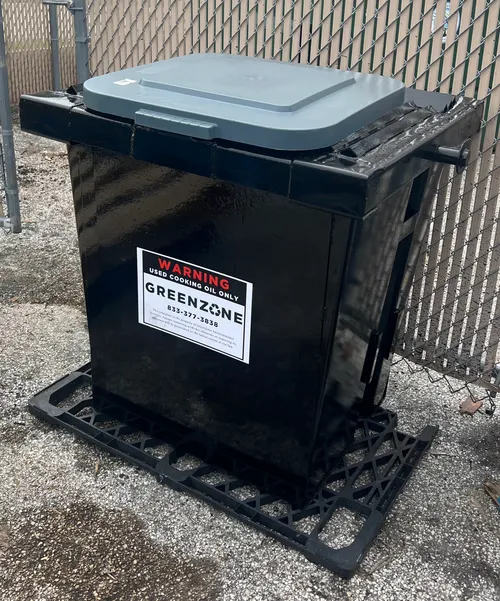
GreenZone Environmental Services is a family-owned and operated business based in Tampa, FL, specializing in the collection and recycling of used cooking oil. Since 2008, they have provided eco-friendly and reliable disposal services to a variety of food-related businesses, including restaurants, supermarkets, convenience stores, and food trucks. Their professional drivers ensure scheduled collections, and they offer secure containers for safe storage. GreenZone operates 24/7 to accommodate the needs of their customers.
GreasePros Recycling
2321 SW 57th Terrace, West Park, FL 33023
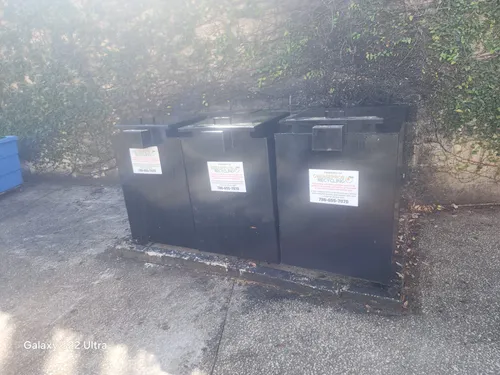
GreasePros Recycling is a used cooking oil collection company based in Miami, FL. With over 20 years of experience, they provide sustainable waste management solutions focused on used cooking oil recycling. The company serves areas including Aventura, Homestead, and Fort Lauderdale, offering both scheduled pickups and emergency oil retrieval services. GreasePros Recycling is committed to environmental stewardship and actively engages with local businesses and communities to promote responsible disposal practices.
Jacksonville Grease Trap Cleaning
Jacksonville, FL
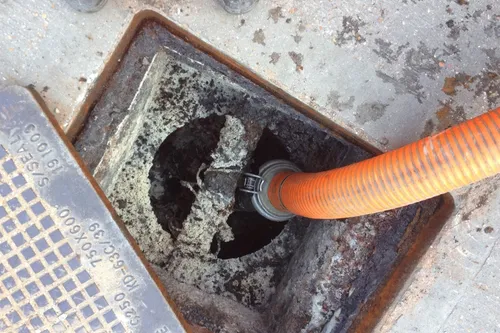
Jacksonville Grease Trap Cleaning provides grease trap pumping, cleaning, and interceptor services for commercial kitchens, restaurants, schools, and cafeterias in Jacksonville, FL. Serving a 20-mile radius including neighborhoods like New Town, Springfield, and Downtown, they handle all sizes of grease traps and interceptors. The company uses hydro-jet technology for thorough cleaning and ensures compliance with local health codes by managing maintenance records and disposal documentation. With over a decade of experience, they offer after-hours and emergency pumping services to support business continuity.
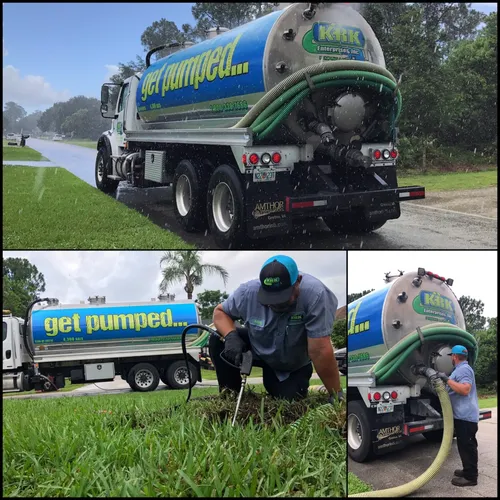
KRK Pumping and Plumbing
3102 Enterprise Rd, Fort Pierce, FL 34982
KRK Pumping and Plumbing provides grease trap repair, clogged drain cleaning, and used cooking oil collection services in Port St Lucie, FL, and throughout Florida. With over 20 years of experience, they offer a wide range of services including grease and oil recycling, backflow certification, hydro-jetting, septic tank maintenance, and video camera inspections. Their use of advanced technology such as vacuum trucks and video inspections helps quickly diagnose and resolve plumbing issues. KRK also offers 24/7 emergency services to address urgent drainage and sewer problems.
Banyan Environmental Group Inc
1550 NW 24th Ave, Pompano Beach, FL 33069
Banyan Environmental Group Inc is a family-owned company based in Fort Lauderdale, FL, offering a range of environmental services across Florida. Their services include storm drain maintenance, grease trap cleaning and repair, septic tank services, used cooking oil recycling, and power washing. They provide 24/7 availability for both routine maintenance and emergency needs, with capabilities such as high-pressure line jetting and bulk pickup of used cooking oil.
Florida's Regulatory Framework for Used Oil
The primary rules for used cooking oil collection and transport in Florida are found in Chapter 62-705 of the Florida Administrative Code (F.A.C.) and relevant state statutes. The FDEP classifies used cooking oil as "grease waste" and oversees its management from the point of generation to final recycling or disposal.
A central tenet of the law is the prohibition of disposal into sewers, septic systems, surface waters, or landfills. Florida Statute 403.751 makes it unlawful to discharge used oil in a manner that causes pollution of land or waters 1. Furthermore, transporters who move more than 500 gallons of used oil per year must obtain a certification from the FDEP. This licensing ensures that haulers are qualified to handle and transport the material safely to approved recycling facilities, providing a crucial link in the compliant chain of custody.
Best Practices for Storage and Handling
Safe and compliant storage is the foundation of any used oil program. Following these practices minimizes risks, maintains a clean kitchen environment, and ensures the oil remains suitable for recycling.
- Containers: Oil must be stored in dedicated, commercial-grade containers that are structurally sound, leak-proof, and equipped with tight-sealing lids 2. These are often provided by your collection service.
- Location: Designate a secure storage area, preferably on an impervious surface like concrete, away from food preparation zones, heat sources, and storm drains. The area should be clean to prevent contamination of the oil.
- Labeling: All containers must be clearly labeled (e.g., "Used Cooking Oil Only") to prevent accidental misuse or contamination with other liquids.
- Spill Preparedness: Have absorbent materials like pads or granules readily available. In the event of a spill, immediate action is required: stop the leak, contain the spread, and clean it up thoroughly using the absorbents 3 4.
- Never Pour Down Drains: This bears repeating. Disposing of oil or grease-laden wastewater into sinks or floor drains is a direct violation and a major cause of "fatbergs" that clog municipal sewer systems 5.
The Collection and Transportation Process
Partnering with a certified hauler is the most reliable way to ensure compliance. A professional service will handle the logistics, documentation, and environmentally sound repurposing of your used oil.
Scheduled Pickups: Most services establish a regular pickup schedule-often every two to four weeks-based on your kitchen's volume 6 7. This consistency prevents overfilling and storage problems.
Manifest System: For each pickup, the hauler should provide a service manifest or receipt. This document is critical for compliance, detailing the quantity of oil collected, the date, and the hauler's certification number. Florida law requires generators to retain copies of these manifests for at least one year for inspection purposes 8 9.
From Collection to Biofuel: After collection, the oil is transported to a processing facility where it is filtered and purified. The end product is primarily used as a feedstock for biodiesel, a cleaner-burning renewable fuel. This process ensures the oil is diverted from waste streams and given a productive second life.
Find the perfect used cooking oil collection companies for your needs
Get personalized recommendations and expert advice
Understanding Costs and Potential Value
The financial model for used cooking oil collection in Florida typically operates in one of two ways. Some services charge a flat monthly fee for regular pickups, which often ranges from $20 to $50. This model simplifies budgeting and ensures reliable service regardless of monthly volume fluctuations.
Alternatively, pricing may be based on the volume collected. Rates for collection can be around $0.25 to $0.50 per gallon 10. Importantly, depending on market conditions and the quality of your oil, some businesses may actually earn a rebate or payment for their used oil. Payments to generators can range from $0.10 to $0.50 per gallon, potentially translating to an extra $20 to $120 or more per month for a busy kitchen 11. The value is tied to the commodity price for biodiesel feedstock and the purity of the oil, underscoring the importance of proper storage to prevent contamination.
Local Ordinances and Additional Compliance
While state regulations provide the baseline, individual counties and municipalities in Florida may have additional requirements or local ordinances concerning grease waste management. For instance, some areas may have more frequent inspection schedules or specific mandates for grease trap maintenance alongside oil collection 12. It is essential to check with your local water or public works department to understand any supplementary rules that apply to your business location. A reputable collection service will often be familiar with these local variations and can help guide you.
Benefits of a Compliant Recycling Program
Implementing a structured used cooking oil collection program extends beyond mere compliance. The environmental benefits are significant, directly protecting Florida's delicate aquatic ecosystems and reducing the strain on public wastewater systems 13 14. From an operational standpoint, it promotes kitchen safety by reducing slip hazards and pest attraction associated with improper storage. Financially, it can turn a waste product into a minor revenue stream or, at minimum, a managed cost. Finally, it enhances a restaurant's brand by demonstrating a commitment to sustainability and responsible environmental stewardship, a value increasingly important to customers.
Frequently asked questions
Sources
Footnotes
-
The 2025 Florida Statutes - Online Sunshine - https://www.leg.state.fl.us/statutes/index.cfm?App_mode=Display_Statute&Search_String=&URL=0400-0499/0403/Sections/0403.751.html ↩
-
Restaurant Fryer Oil Disposal Florida - GreasePros Recycling - https://www.greaseprosrecycling.com/fryer-oil-disposal-florida/ ↩
-
Florida Used Oil Disposal Regulations 2025 Compliance Guide - https://www.greaseprosrecycling.com/florida-used-oil-disposal-regulations/ ↩
-
Used Oil Management Fact Sheet - https://floridadep.gov/sites/default/files/Used%20Oil%20Management%203%20Panel%20Bro_11.14.18_0.pdf ↩
-
How to Dispose of Used Cooking Oil in Florida | Guide 2025 - https://greaseconnections.com/used-cooking-oil-disposal-florida/ ↩
-
Restaurant Grease Recycling Florida: Best Practices & Compliance - https://www.greaseprosrecycling.com/restaurant-grease-recycling-florida/ ↩
-
Used Oil Disposal for Florida Restaurants: Best Practices - https://www.greaseprosrecycling.com/used-oil-disposal/ ↩
-
Used Oil Pickup Florida: What Restaurants Should Know - https://www.greaseprosrecycling.com/used-oil-pickup-florida/ ↩
-
Chapter 403 Section 767 - 2016 Florida Statutes - https://www.flsenate.gov/Laws/Statutes/2016/0403.767 ↩
-
Grease Pickup Service Near Me | Florida's Guide to Used Oil ... - https://www.greaseprosrecycling.com/grease-pickup-service-near-me/ ↩
-
Used Cooking Oil Collection & Grease Pickup Hillsborough - https://greaseconnections.com/locations/fl/hillsborough/ ↩
-
Grease Recycling Program Florida: Stay Kitchen Compliant - https://www.greaseprosrecycling.com/grease-recycling-program-fl/ ↩
-
Grease Waste - Florida Department of Environmental Protection - https://floridadep.gov/waste/permitting-compliance-assistance/content/grease-waste ↩
-
How to Implement a Used Cooking Oil Recycling Program - https://www.fcs-inc.org/implement-a-used-cooking-oil-recycling-program/ ↩