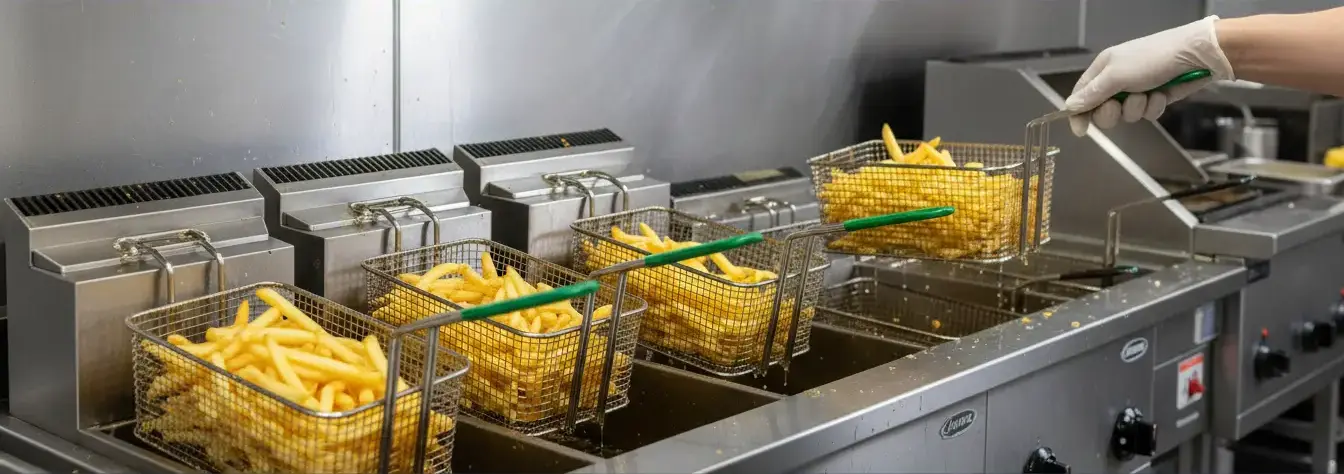
Find the Best Used Cooking Oil Collection Companies for Your Business
No obligation • Fast responses • Nationwide coverage

Why you can trust Restaurant Waste Disposal
Restaurant Waste Disposal is a leading U.S. resource for comparing restaurant composting, food-waste recycling, grease trap cleaning, and used cooking oil collection services. Our editorial team researches providers, checks credentials, and organizes unbiased information so operators can make informed decisions. Companies cannot pay to change ratings or placement.
Search providers near you
Top Used Cooking Oil Collection Companies in Tampa, Florida Ranked
For Tampa's bustling restaurant industry, managing used cooking oil (UCO) is a critical operational and environmental responsibility. Proper grease trap and waste oil collection is not just about cleanliness; it's a mandated process with strict local and state regulations. By partnering with a licensed hauler, Tampa food service establishments can transform a waste product into valuable biodiesel, ensure compliance with health codes, and often turn a cost center into a potential revenue stream. This guide outlines the essential steps, rules, and benefits of establishing a reliable used cooking oil recycling program in Tampa.
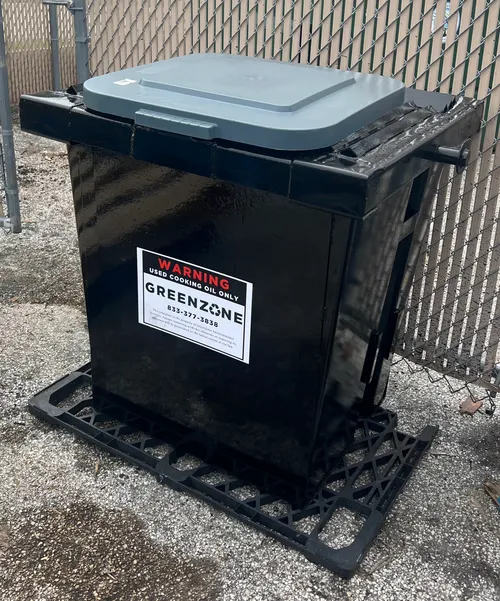
GreenZone Environmental Services
Tampa, FL
GreenZone Environmental Services is a family-owned and operated business based in Tampa, FL, specializing in the collection and recycling of used cooking oil. Since 2008, they have provided eco-friendly and reliable disposal services to a variety of food-related businesses, including restaurants, supermarkets, convenience stores, and food trucks. Their professional drivers ensure scheduled collections, and they offer secure containers for safe storage. GreenZone operates 24/7 to accommodate the needs of their customers.
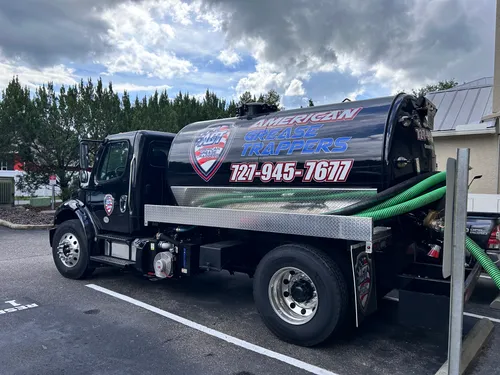
American Grease Trappers
Tampa, FL
American Grease Trappers is a business-to-business service based in Tampa, FL, specializing in used cooking oil collection. The company focuses on reliable grease pickup and safe disposal to help kitchens stay clean and compliant with regulations. With over 10 years of experience, their team uses state-of-the-art equipment and extensive knowledge to manage grease collection efficiently.
DAR PRO Solutions
1001 Orient Rd, Tampa, FL 33619
DAR PRO Solutions is a used cooking oil collection company based in Tampa, FL. They specialize in collecting used cooking oil from local businesses to support recycling and proper disposal efforts.
Tampa's Regulatory Landscape for Grease Management
Navigating the rules is the first step to a compliant and efficient grease recycling program. In Florida, used cooking oil is classified as a grease waste, and its handling is regulated by the Florida Department of Environmental Protection (DEP)1.
Mandatory Use of Licensed Haulers Restaurants in Tampa are legally required to use Florida DEP-licensed haulers for the removal of used cooking oil and grease trap waste 2. Disposing of oil down drains, toilets, or into garbage disposals is strictly prohibited and can lead to significant fines from both environmental and public health authorities. These rules are designed to prevent sewer blockages and environmental contamination.
Documentation and Tracking Every pickup must be documented with a proper manifest, which serves as a tracking receipt. This paperwork is crucial for proving compliance during health inspections and DEP audits. Inspectors routinely check for proper storage, container labeling, and maintenance records, making meticulous documentation a key part of your operational routine.
Best Practices for On-Site Storage and Handling
Safe and compliant storage begins in your kitchen. Proper handling minimizes mess, reduces pest attraction, and ensures the oil remains suitable for high-value recycling.
Cooling and Initial Processing Always allow oil to cool completely before handling to prevent burns and fires. Once cooled, the oil should be strained to remove food particles, which helps maintain the quality of the oil for recycling and prevents clogs in your storage containers 3.
Secure Container Storage Licensed providers typically supply sturdy, leak-proof containers for storage. These containers must be kept sealed and stored in a designated, secure area away from storm drains and sanitary sewer access points 4. Proper storage prevents spills that could lead to environmental violations and keeps your facility clean.
Scheduling and Managing Your Pickup Service
The frequency of your used oil collection depends on your kitchen's volume. High-volume establishments like large restaurants or fast-food franchises may require weekly pickups, while smaller cafes might schedule bi-weekly or monthly service. Regular pickups are essential to prevent overflow, odors, and pest issues, all of which are critical for passing health inspections.
Working with a provider that offers flexible scheduling and no-contract options can be advantageous, especially for seasonal businesses or those testing different service levels. Clear communication with your hauler about your production volume ensures you get a pickup schedule that keeps your operation running smoothly without unnecessary service calls.
The Recycling Journey: From Fryer to Fuel
Once collected, your used cooking oil begins a transformative journey. Licensed haulers transport the oil to specialized rendering or processing facilities.
Processing into Raw Materials At the facility, the oil undergoes filtration and cleaning to remove impurities. The resulting product is a clean feedstock5. This feedstock is a primary ingredient in the production of biodiesel, a renewable, cleaner-burning alternative to petroleum diesel 6. It can also be used in the creation of other products like lubricants or, in some cases, components for animal feed5.
Environmental and Economic Impact Recycling used cooking oil into biodiesel significantly reduces greenhouse gas emissions compared to fossil fuels. For a Tampa restaurant, participating in this cycle is a tangible sustainability achievement that can enhance your brand's environmental profile. It represents a circular economy model where waste is converted into valuable energy.
Find the perfect used cooking oil collection companies for your needs
Get personalized recommendations and expert advice
Understanding Costs and Potential Value
The financial model for used cooking oil collection in Tampa can vary. It's not always a straightforward service fee.
Potential for Rebates or Payment Many collection services offer their pickups for free or even provide a rebate or cash payment to the restaurant, depending on the volume and quality of oil collected7. This turns a waste product into a minor revenue stream. The payment is based on the market value of the recycled oil as a commodity for biodiesel production.
Fee-Based Services For lower-volume producers or those with specific service requirements, a fee-based structure may apply8. It's important to get clear quotes from providers that detail all potential charges. Some companies offset these fees by providing the storage containers and maintenance at no extra cost.
Selecting a Service Provider in Tampa
Choosing the right partner is crucial for reliable, compliant service. Tampa has several established providers, including Grease Connections, Eazy Grease, Grease Pros Recycling, Grand Natural, and Mahoney Environmental 9 10 11.
When evaluating providers, confirm their Florida DEP license status first. Ask about their pickup scheduling flexibility, container provisioning, and documentation processes. Inquire about their pricing model-whether it's fee-based, rebate-based, or a hybrid-and if they offer no-contract terms12 13. A provider that clearly explains the manifest system and compliance requirements can be a valuable partner in navigating regulations.
Benefits Beyond Compliance
While adhering to the law is the primary driver, an effective used oil program offers broader advantages. It significantly reduces the risk of costly kitchen drain clogs and sewer backups, which are often caused by improper grease disposal14. It enhances your facility's safety by removing a slippery, flammable waste product from the premises. Furthermore, a robust recycling program is a powerful story for customers who increasingly support businesses with verifiable environmental practices15. It's an operational efficiency that supports both your bottom line and your community.
Frequently asked questions
Sources
Footnotes
-
Grease Waste | Florida Department of Environmental Protection - https://floridadep.gov/waste/permitting-compliance-assistance/content/grease-waste ↩
-
Florida Used Oil Disposal Regulations 2025 Compliance Guide - https://www.greaseprosrecycling.com/florida-used-oil-disposal-regulations/ ↩
-
How to Dispose of Used Cooking Oil in Florida | Guide 2025 - https://greaseconnections.com/used-cooking-oil-disposal-florida/ ↩
-
Grease Recycling Program Florida: Stay Kitchen Compliant - https://www.greaseprosrecycling.com/grease-recycling-program-fl/ ↩
-
What happens with the used oil from restaurants and fast-food ... - https://www.quora.com/What-happens-with-the-used-oil-from-restaurants-and-fast-food-chains-Is-there-any-sort-of-recycling ↩ ↩2
-
Cypress's Restaurant & Commercial KITCHEN Grease Collection & Used Cooking OIL PICK UP - https://thegreasecompany.com/cookingoilcollectioncypress.html ↩
-
Grease Pickup Service Near Me | Florida's Guide to Used Oil ... - https://www.greaseprosrecycling.com/grease-pickup-service-near-me/ ↩
-
Nearest Used Cooking Oil Recycling in Tampa | Guide - https://greaseconnections.com/nearest-used-cooking-oil-recycling-tampa-guide/ ↩
-
Used Cooking Oil Pick Up and Recycling Services in Tampa, FL - https://www.mahoneyes.com/waste-oil-pickup-recycling-tampa-fl/ ↩
-
Used Cooking Oil Pickup and Recycling Tampa - Grand Natural - https://www.grandnatural.com/locations/used-cooking-oil-recycling-in-tampa.html ↩
-
Used Cooking Oil Recycling & Free Pickup in Tampa - https://greaseconnections.com/locations/fl/hillsborough/tampa/ ↩
-
Used Cooking Oil Collection in Tampa, FL - Eazy Grease - https://eazygrease.com/used-cooking-oil-collection-tampa-fl/ ↩
-
Used Oil Pickup Florida: What Restaurants Should Know - https://www.greaseprosrecycling.com/used-oil-pickup-florida/ ↩
-
Proper Disposal of Fats, Oils, and Grease - https://www.bwsc.org/sites/default/files/2019-01/currents_2016_6_nov_dec.pdf ↩
-
Restaurant Grease Recycling: Save Money & Boost Sustainability - https://www.greaseprosrecycling.com/restaurant-grease-recycling/ ↩