
Find the Best Used Cooking Oil Collection Companies for Your Business
No obligation • Fast responses • Nationwide coverage

Why you can trust Restaurant Waste Disposal
Restaurant Waste Disposal is a leading U.S. resource for comparing restaurant composting, food-waste recycling, grease trap cleaning, and used cooking oil collection services. Our editorial team researches providers, checks credentials, and organizes unbiased information so operators can make informed decisions. Companies cannot pay to change ratings or placement.
Search providers near you
Top Used Cooking Oil Collection Companies in Jacksonville, Florida Ranked
For restaurants in Jacksonville, managing used cooking oil (UCO) is a critical operational and environmental responsibility. Proper collection and recycling of this grease waste are not just about cleanliness; they are mandated by Florida law to protect the city's sewer infrastructure from costly and disruptive blockages. By partnering with a licensed hauler, Jacksonville food service establishments can transform a waste product into a valuable resource for biodiesel production, often turning a compliance necessity into a potential revenue stream or cost-neutral service. This guide outlines the essential steps, local regulations, and benefits of establishing a reliable used cooking oil management program.
Jacksonville Grease Trap Cleaning
Jacksonville, FL
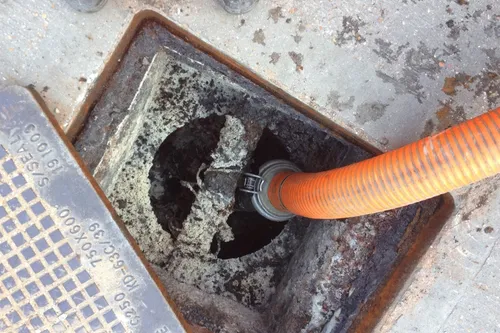
Jacksonville Grease Trap Cleaning provides grease trap pumping, cleaning, and interceptor services for commercial kitchens, restaurants, schools, and cafeterias in Jacksonville, FL. Serving a 20-mile radius including neighborhoods like New Town, Springfield, and Downtown, they handle all sizes of grease traps and interceptors. The company uses hydro-jet technology for thorough cleaning and ensures compliance with local health codes by managing maintenance records and disposal documentation. With over a decade of experience, they offer after-hours and emergency pumping services to support business continuity.
GreaseMan Services of the First Coast Inc.
11215 St Johns Industrial Pkwy N # 13, Jacksonville, FL 32246
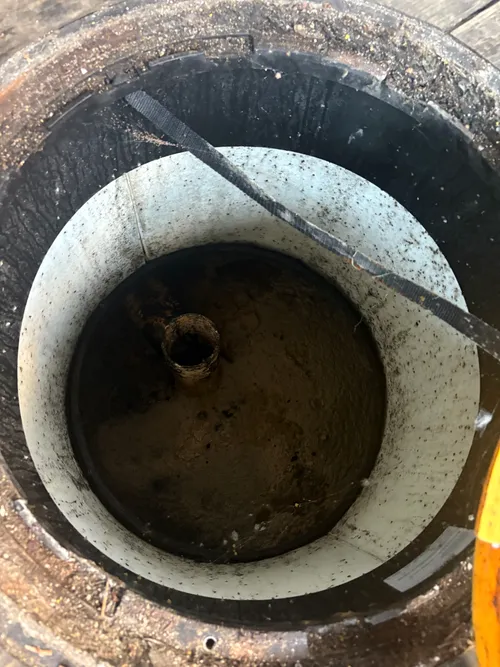
GreaseMan Services of the First Coast Inc. is based in Jacksonville, FL, specializing in used cooking oil collection and grease trap cleaning. The company serves local businesses by managing grease waste to support environmental compliance and operational efficiency.
Alpha & Omega Grease Service
Jacksonville, FL
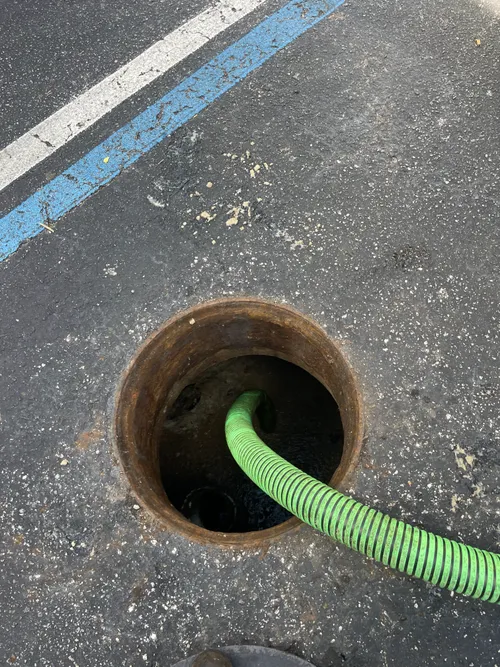
Alpha & Omega Grease Service provides grease trap cleaning and used cooking oil collection in Jacksonville, FL. They handle emergency situations efficiently, helping businesses resume operations quickly. The company offers monthly service plans to maintain grease trap functionality and oil collection needs.
Premier Grease
323 Beverly Ln, Jacksonville, FL 32254
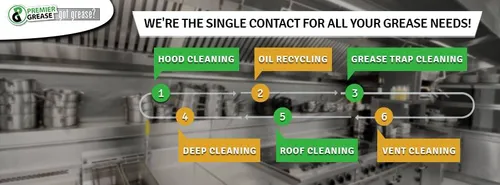
Premier Grease is a grease management company based in Jacksonville, FL, offering services including kitchen exhaust system cleaning, grease trap cleaning, used cooking oil collection, and a filter exchange program. They help restaurants maintain compliance with safety and environmental standards while managing used cooking oil for recycling into biodiesel. Their services also include roof cleaning and vent cleaning to prevent fire hazards and property damage. Premier Grease emphasizes local ownership and accountability with GPS tracking of their service vehicles.
A.G.G. Pumping Services
Jacksonville, FL
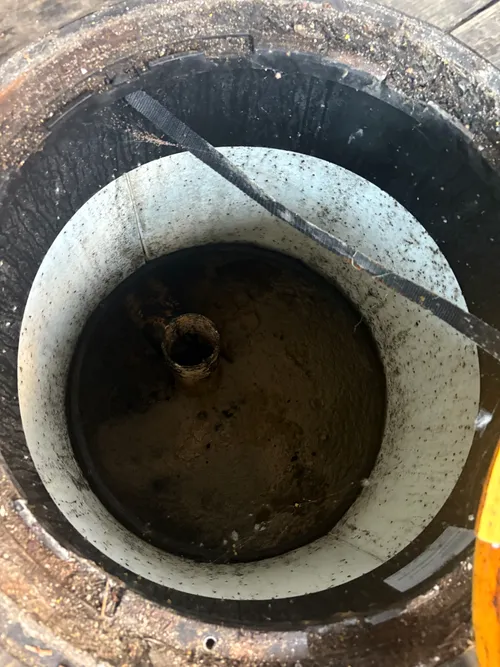
A.G.G. Pumping Services provides grease trap pumping and maintenance for businesses in Jacksonville, FL, and surrounding areas. They handle waste transportation of grease and fatty oils to treatment facilities and offer 24/7 emergency services. The company employs licensed and experienced technicians and is certified as a JEA Preferred Hauler. Regular maintenance helps prevent issues such as foul odors, backups, contamination, and potential business closures.
Understanding Jacksonville's Grease Waste Regulations
Compliance begins with understanding the rules. In Florida, used cooking oil and grease trap waste are regulated under Chapter 62-705 of the Florida Administrative Code, enforced by the Florida Department of Environmental Protection (FDEP). Jacksonville restaurants must use state-licensed haulers for the collection and transportation of this material. These haulers are required to provide a manifest-a legal document tracking the oil from your restaurant to its recycling destination-which you must keep on file as proof of proper disposal. Disposing of grease by pouring it down sinks, drains, or toilets is illegal and a primary cause of sewer overflows, which can lead to significant fines from local utilities like JEA.
Best Practices for On-Site Oil Storage
Safe and compliant storage is the foundation of an effective oil collection system. Proper handling prevents accidents, deters theft, and ensures efficient pickups.
- Cool and Strain: Always allow oil to cool below 120°F before handling. Strain out food solids to keep the oil cleaner, which can improve its recycling value and reduce odors 1.
- Use Approved Containers: Licensed collectors typically provide dedicated, leak-proof storage containers, such as 55-gallon drums or larger stationary tanks. Using the provided equipment is key to a smooth service.
- Secure the Location: Place containers on a concrete pad, away from storm drains and building entrances. Ensure lids are lockable to prevent unauthorized access and to secure your asset.
- Separate from Grease Traps: Remember, used cooking oil from fryers is different from grease interceptor (trap) waste. They are collected separately, often by the same provider but using different equipment and schedules. Interceptors over 51 gallons generally require monthly pumping, while larger ones may be serviced quarterly 2 3.
The Collection and Recycling Process
A seamless collection process keeps your kitchen running smoothly and ensures your waste is diverted from landfills.
- Scheduled Pickup: Your hauler will establish a regular collection schedule-be it weekly, bi-weekly, or monthly-based on your volume. They will arrive with a specialized truck to pump or swap out your full containers.
- From Waste to Resource: The collected oil is transported to a processing facility. Here, it is cleaned and converted into valuable products, primarily biodiesel-a renewable fuel-as well as animal feed supplements and industrial lubricants.
- Documentation for Compliance: Upon each pickup, you will receive a manifest from the hauler. Retaining these records is crucial for demonstrating compliance during health or environmental inspections.
Benefits of a Professional Collection Service
Engaging a professional for your used fryer oil disposal offers advantages that go beyond simply checking a regulatory box.
- Regulatory Compliance and Risk Reduction: Professional services guarantee that handling, transportation, and recycling meet all FDEP and local Jacksonville standards, shielding your business from potential fines for improper disposal.
- Environmental Leadership: Recycling used cooking oil into biodiesel significantly reduces greenhouse gas emissions compared to fossil fuels. Promoting your restaurant's commitment to this green initiative can enhance your brand image with environmentally conscious customers 4.
- Operational Cleanliness and Safety: Regular, professional removal of used oil eliminates the hazard of on-site storage and the mess of DIY disposal attempts, contributing to a safer, cleaner kitchen environment.
Find the perfect used cooking oil collection companies for your needs
Get personalized recommendations and expert advice
Cost Structure and Potential Value
A common question from restaurant managers is about cost. The model for used cooking oil collection in Jacksonville is designed to be accessible and often financially beneficial.
Many licensed haulers offer their collection services at little to no direct cost to the restaurant. They provide the storage containers, pumps, and regular pickups for free because the used oil itself has value as a feedstock for biodiesel 5 6. In fact, restaurants can often receive a cash rebate or payment based on the volume of oil collected, with rates fluctuating with commodity markets but sometimes reaching up to $0.50 per gallon 7 8. This potential revenue can offset the cost of related services like grease trap cleaning or, in some cases, provide a small income stream. Ultimately, when compared to the cost of fines for illegal dumping or plumbing repairs from clogs, a professional collection service is a cost-effective solution 9.
Choosing a Service Provider in Jacksonville
Selecting the right partner is essential. Look for a provider that is fully licensed by the FDEP to transport grease waste in Florida. Established local companies such as Clean Energy Biofuels, Grease Connections, Eazy Grease, and Grand Natural operate in the Duval County area 10. When evaluating providers, consider their service reliability, the clarity of their manifesting process, and their commitment to converting the oil into renewable fuel. A good provider will conduct a site assessment to recommend the right container size and pickup frequency for your specific operation.
Frequently asked questions
Sources
Footnotes
-
How to Dispose of Used Cooking Oil in Florida | Guide 2025 - https://greaseconnections.com/used-cooking-oil-disposal-florida/ ↩
-
Restaurant Fryer Oil Disposal Florida - GreasePros Recycling - https://www.greaseprosrecycling.com/fryer-oil-disposal-florida/ ↩
-
Jacksonville.gov - Service Standards - https://www.jacksonville.gov/swguide ↩
-
What happens with the used oil from restaurants and fast-food ... - https://www.quora.com/What-happens-with-the-used-oil-from-restaurants-and-fast-food-chains-Is-there-any-sort-of-recycling ↩
-
Jacksonville Used Cooking Oil Disposal Guide - https://greaseconnections.com/jacksonville-used-cooking-oil-disposal-guide/ ↩
-
Grease Pickup Service Near Me | Florida's Guide to Used Oil ... - https://www.greaseprosrecycling.com/grease-pickup-service-near-me/ ↩
-
Grease Waste | Florida Department of Environmental Protection - https://floridadep.gov/waste/permitting-compliance-assistance/content/grease-waste ↩
-
Duval County | Cooking-Oil Recycling & Grease Pickup - https://greaseconnections.com/locations/fl/duval/ ↩
-
Restaurant fryer oil Jacksonville FL Services - Eazy Grease - https://eazygrease.com/restaurant-fryer-oil-disposal-jacksonville-fl/ ↩
-
Jacksonville FL Used Cooking Oil Collector | Clean Energy Biofuels - https://cleanenergybiofuels.com/florida/jacksonville-fl-used-cooking-oil-collector/ ↩