Find the Best Used Cooking Oil Collection Companies for Your Business
No obligation • Fast responses • Nationwide coverage

Why you can trust Restaurant Waste Disposal
Restaurant Waste Disposal is a leading U.S. resource for comparing restaurant composting, food-waste recycling, grease trap cleaning, and used cooking oil collection services. Our editorial team researches providers, checks credentials, and organizes unbiased information so operators can make informed decisions. Companies cannot pay to change ratings or placement.
Search providers near you
Top Used Cooking Oil Collection Companies in Tamarac, Florida Ranked
For restaurants and food service businesses in Tamarac, managing used cooking oil (UCO) is more than just a routine cleanup task-it's a critical component of operational efficiency, regulatory compliance, and environmental responsibility. Proper collection and recycling of this waste stream are governed by specific Florida state laws and local codes designed to protect sewer systems and promote sustainability. By partnering with a licensed hauler, Tamarac establishments can transform a waste product into valuable biodiesel, often turning a disposal cost into a potential revenue stream while ensuring they meet all legal requirements for grease and oil management.
GreasePros Recycling
2321 SW 57th Terrace, West Park, FL 33023
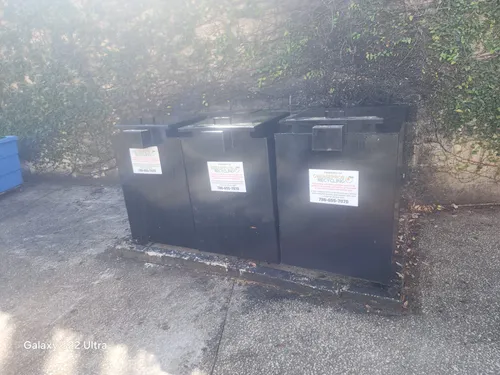
GreasePros Recycling is a used cooking oil collection company based in Miami, FL. With over 20 years of experience, they provide sustainable waste management solutions focused on used cooking oil recycling. The company serves areas including Aventura, Homestead, and Fort Lauderdale, offering both scheduled pickups and emergency oil retrieval services. GreasePros Recycling is committed to environmental stewardship and actively engages with local businesses and communities to promote responsible disposal practices.
Banyan Environmental Group Inc
1550 NW 24th Ave, Pompano Beach, FL 33069
Banyan Environmental Group Inc is a family-owned company based in Fort Lauderdale, FL, offering a range of environmental services across Florida. Their services include storm drain maintenance, grease trap cleaning and repair, septic tank services, used cooking oil recycling, and power washing. They provide 24/7 availability for both routine maintenance and emergency needs, with capabilities such as high-pressure line jetting and bulk pickup of used cooking oil.
Grease Connections
2217 NW 7th St, Miami, FL 33125
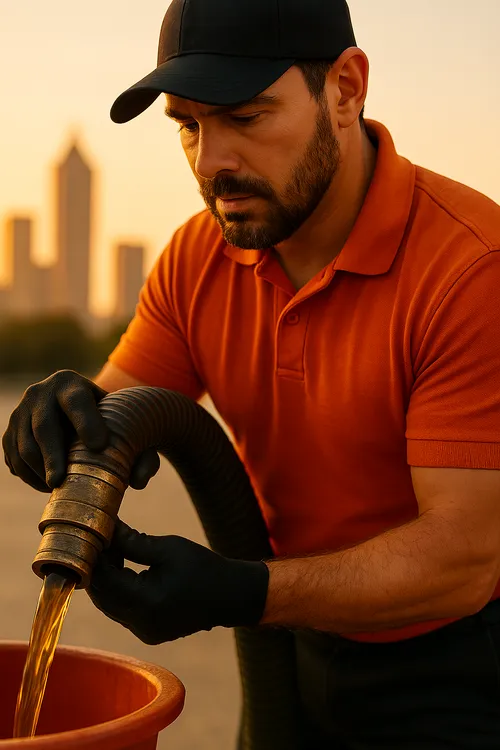
Grease Connections is a used cooking oil collection company based in Miami, FL, serving Florida, Georgia, and New Jersey. They collect used cooking oil from restaurants and industrial facilities and deliver it to U.S. processors who convert it into biodiesel and renewable aviation fuel. The company offers licensed pickups with double-walled vacuum tanks to prevent spills and provides detailed compliance reports for environmental regulations. Their service includes optional RFID-enabled containers for real-time tracking and audit-ready paperwork. Grease Connections operates a fully compliant program that supports sustainability and helps clients avoid fines related to oil disposal.

Mahoney Environmental
3370 NW 37th St, Miami, FL 33142
Mahoney Environmental provides used cooking oil collection, recycling, and grease trap cleaning services for foodservice businesses in Miami, FL. They serve a variety of clients including restaurants, bars, hotels, and universities by offering regular used cooking oil pickups and environmentally friendly recycling processes. Their services also include grease trap installation, cleaning, maintenance, and emergency 24/7 cleanup to help businesses comply with municipal regulations. Mahoney Environmental installs automated cooking oil handling systems to improve safety and efficiency in commercial kitchens. As a licensed EPA recycler, they process collected oil into renewable diesel, sustainable aviation fuel, and other products.
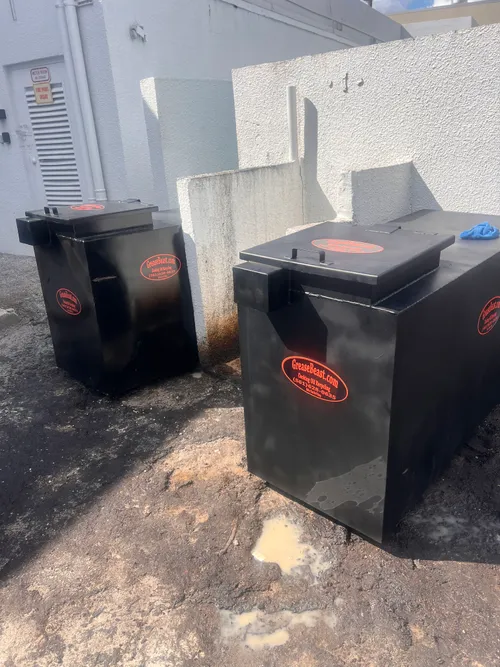
Grease Beast LLC
West Palm Beach, FL
Grease Beast LLC is a used cooking oil collection company based in West Palm Beach, FL. They serve South Florida restaurants, hotels, catering services, and shopping centers by providing free used cooking oil pickup with supplied containers and personalized collection schedules. The company processes the oil by cleaning and testing it before recycling, contributing to local environmental sustainability. With nearly two decades of experience, Grease Beast is committed to supporting the community and promoting eco-friendly waste management.
Understanding Florida's Regulatory Landscape for Grease and Oil
Florida has implemented clear regulations to ensure used cooking oil and grease trap waste are handled safely and responsibly. The cornerstone of this framework is Senate Bill 1110 (SB 1110), which took effect in July 2022. This law significantly strengthens the rules for grease haulers and the restaurants they serve.
Key provisions that impact Tamarac businesses include:
- Mandatory Use of Licensed Haulers: It is illegal for any restaurant to have its grease trap waste or used fryer oil collected by an unlicensed entity. Only haulers permitted by the Florida Department of Environmental Protection (FDEP) are authorized for this work.
- Ban on "Pump and Return": The law explicitly prohibits the illegal practice of "pump and return," where a hauler might pump out a grease interceptor and then illegally redeposit the waste back into the same or another restaurant's interceptor. This practice can lead to severe blockages and regulatory penalties 1.
- Detailed Record-Keeping: Restaurants are required to maintain detailed service manifests for a minimum of one year. These manifests, provided and signed by the licensed hauler at each pickup, serve as proof of proper disposal and are a primary document for compliance inspections.
These state-level rules work in tandem with local Tamarac and Broward County Fats, Oils, and Grease (FOG) management programs. These local codes typically mandate regular cleaning and maintenance of grease traps and interceptors to prevent sewer overflows and backups2.
Best Practices for On-Site Oil Storage and Handling
Before collection even occurs, how you handle and store your used oil on-site is crucial for safety, quality, and compliance. Proper protocols help maintain the oil's value for recyclers and prevent accidents or code violations.
- Safe Cooling and Transfer: Always allow cooking oil to cool completely before handling. Transfer the cooled oil into a dedicated, secure storage container-never pour it down drains, into trash compactors, or onto the ground.
- Choosing the Right Container: Storage containers should be durable, non-reactive (such as stainless steel or approved plastic), and have airtight, tight-fitting lids. Many professional collection services provide lockable containers or drums as part of their service to prevent contamination and theft3.
- Ideal Storage Location: Store your collection container in a cool, dark place, away from direct sunlight and heat sources. This helps prevent the oil from spoiling or developing off-odors, preserving its quality for recycling.
- Security Measures: Used cooking oil has value on the commodities market, making it a target for theft. Consider placing containers in well-lit areas, using locked enclosures, or installing security cameras to deter unauthorized siphoning4.
- Scheduling Frequency: Work with your hauler to determine an optimal pickup schedule based on your volume of oil production. High-volume kitchens with large fryers will need more frequent service to avoid overflow, while smaller operations may schedule less often5.
The Professional Collection and Recycling Process
When a licensed hauler arrives for a scheduled pickup, they follow a defined process that ensures traceability and proper recycling from your back door to the biofuel refinery.
- Manifest Completion: The driver will complete the state-required service manifest, detailing the quantity of oil collected, the date, and the hauler and generator information. You should receive a copy for your records6.
- Secure Transport: The oil is pumped from your storage container into the hauler's specialized tanker truck. These trucks are designed to safely transport liquid wastes to permitted facilities.
- Processing at a Recycling Facility: The hauler delivers the aggregated used cooking oil to a permitted recycling or transfer facility. Here, the oil undergoes initial processing, which typically involves centrifugation and filtering to remove food particles and water.
- Transformation into Biofuel: The cleaned UCO is then sold to biodiesel refineries. Through a chemical process called transesterification, the used oil is converted into clean-burning biodiesel (B100), a renewable fuel that powers vehicles, fleets, and machinery7 8.
Find the perfect used cooking oil collection companies for your needs
Get personalized recommendations and expert advice
Cost Structures and Potential Revenue for Restaurants
The financial model for used cooking oil collection in Tamarac can vary, but it often presents an opportunity to offset costs or even generate income. Most reputable service providers structure their offerings to be accessible and beneficial to restaurants.
- Free Service Models: Many collection companies provide their services at no direct charge to the restaurant. They cover their costs through the revenue generated from selling the recycled oil to biofuel producers. This model often includes the free provision of storage containers and regularly scheduled pickups9 10.
- Revenue-Generating Programs: For restaurants that produce a consistent volume of high-quality, uncontaminated oil, some haulers offer payment. This can be a flat monthly fee or a rate per gallon collected (prices fluctuate with the commodities market). This turns a waste stream into a minor revenue source11.
- Fee-Based Services: In some cases, particularly for lower volumes or complex service locations, a hauler may charge a service fee. It's important to get clear quotes and understand what is included, such as container maintenance, spill cleanup, and compliance documentation.
- Cost Offset: Even without direct payment, proper recycling eliminates the cost and liability of improper disposal, potential sewer fines, and grease trap problems, representing a significant operational savings.
Choosing a Reliable Collection Partner in Tamarac
Selecting the right hauler is a key business decision. Look for a provider that demonstrates a commitment to compliance, reliability, and customer service.
- Verify Licensing: Always ask for proof of a valid Florida Department of Environmental Protection (FDEP) license. This is your first and most important check for compliance12 13.
- Review Service Agreements: Understand the terms of service, including pickup frequency, what happens if you need an extra pickup, who is responsible for container repairs, and how manifests are provided.
- Ask About Sustainability: Inquire about the final destination of your oil. A reputable hauler will be transparent about their partnership with biodiesel producers and can explain the environmental benefits of their recycling chain.
- Check References and Reliability: A provider with a long history of service in South Florida will understand local codes and have a proven track record of dependable pickups, which is essential for avoiding storage overflows.
Implementing a professional used cooking oil collection system is a smart move for any Tamarac food service business. It ensures regulatory compliance, contributes to a cleaner local environment, supports the circular economy by creating renewable fuel, and can improve your bottom line. By understanding the regulations and best practices, you can establish a safe, efficient, and beneficial waste management process.
Frequently asked questions
Sources
Footnotes
-
Florida Restaurants Now Facing Stronger Regulations For Grease ... - https://www.tampa.gov/news/florida-restaurants-now-facing-stronger-regulations-grease-disposal-102321 ↩
-
Is Cooking Oil Recycling Mandatory? Florida, GA & NJ Rules - https://greaseconnections.com/is-cooking-oil-recycling-mandatory-florida-ga-nj-rules/ ↩
-
Restaurant Oil Disposal: Explained - Eazy Grease - https://eazygrease.com/how-do-restaurants-get-rid-of-their-oil/ ↩
-
Grease Pickup Service Near Me | Florida's Guide to Used Oil ... - https://www.greaseprosrecycling.com/grease-pickup-service-near-me/ ↩
-
Used Cooking Oil (UCO) Collection Service For Restaurants - https://thegreasecompany.com/blog/restaurant-used-cooking-oil-collection/ ↩
-
Grease Waste | Florida Department of Environmental Protection - https://floridadep.gov/waste/permitting-compliance-assistance/content/grease-waste ↩
-
What is The Process of Recycling Used Cooking Oil - https://bakercommodities.com/blog/2023/07/24/how-technology-recycles-used-cooking-oil/ ↩
-
Where to Recycle Used Cooking Oil in Florida - Grease Connections - https://greaseconnections.com/where-to-recycle-used-cooking-oil-in-florida/ ↩
-
Cooking Oil Recycling & Grease | Palm Beach County, FL - https://greaseconnections.com/locations/fl/palm-beach/ ↩
-
Used Cooking Oil Collection & Grease Pickup Hillsborough - https://greaseconnections.com/locations/fl/hillsborough/ ↩
-
Restaurant Used Cooking Oil: Disposal, Recycling & Revenue Guide - https://greaseconnections.com/restaurant-used-cooking-oil-disposal-recycling-revenue-guide/ ↩
-
Restaurant Grease Recycling Florida: Best Practices & Compliance - https://www.greaseprosrecycling.com/restaurant-grease-recycling-florida/ ↩
-
Used Oil Disposal for Florida Restaurants: Best Practices - https://www.greaseprosrecycling.com/used-oil-disposal/ ↩