Find the Best Used Cooking Oil Collection Companies for Your Business
No obligation • Fast responses • Nationwide coverage

Why you can trust Restaurant Waste Disposal
Restaurant Waste Disposal is a leading U.S. resource for comparing restaurant composting, food-waste recycling, grease trap cleaning, and used cooking oil collection services. Our editorial team researches providers, checks credentials, and organizes unbiased information so operators can make informed decisions. Companies cannot pay to change ratings or placement.
Search providers near you
Top Used Cooking Oil Collection Companies in Sanford, Florida Ranked
For restaurants and commercial kitchens in Sanford, managing used cooking oil (UCO) is more than just a cleaning task-it's a regulated process with significant environmental and financial implications. Proper grease trap maintenance and oil recycling are critical for compliance with Florida state law and local sewer ordinances, helping to prevent costly clogs, fines, and environmental damage. By partnering with a licensed hauler, Sanford businesses can transform a waste product into valuable biodiesel, contributing to a circular economy while ensuring their operations run smoothly and legally. This guide outlines the essential steps, regulations, and benefits of establishing a reliable used cooking oil collection system.
Understanding Florida and Sanford Regulations
Navigating the legal landscape is the first step to compliant grease management. Florida state law, specifically Statute 403.0741, mandates that all commercial used cooking oil must be collected by a state-licensed hauler 1. This is not a suggestion-it's a requirement for any food service establishment generating this type of waste. The law is designed to ensure that grease and oils are properly tracked from your kitchen to their final destination, whether that's recycling into biofuel or approved disposal.
In Sanford, these state regulations are reinforced by local sewer use ordinances focused on FOG (Fats, Oils, and Grease). Pouring used fryer oil down the drain is a direct violation that can lead to severe sewer blockages, environmental contamination, and significant penalties. The cornerstone of compliance is the manifest system. Every time a hauler picks up your used oil, they must provide you with a detailed service manifest. This document is your legal proof of proper disposal, and you are required to keep these records on file. Failure to maintain manifests or using an unlicensed collector can result in hefty fines and even operational shutdowns.
The Step-by-Step Collection Process
A streamlined grease collection process protects your kitchen and ensures efficiency. Here's how it typically works:
- Cooling and Storage: After use, oil must be allowed to cool to a safe temperature (generally below 120°F) before being transferred. This prevents burns, reduces fire risk, and avoids damaging plastic collection containers. The cooled oil is then carefully poured or scraped into a dedicated, leak-proof storage container.
- Secure Container Placement: Your hauler will typically provide a specialized, lidded bin or barrel for storage. This container should be kept in a clean, designated area-often outdoors but covered-that is accessible for pickup but secure from pests and unauthorized access 2. Proper labeling is also a key requirement.
- Scheduled Pickup: Based on your kitchen's volume, you and your hauler will establish a pickup schedule. High-volume restaurants may require weekly service, while others might be on a bi-weekly or monthly schedule. The hauler's truck will arrive, safely collect the full container, and often replace it with an empty, clean one.
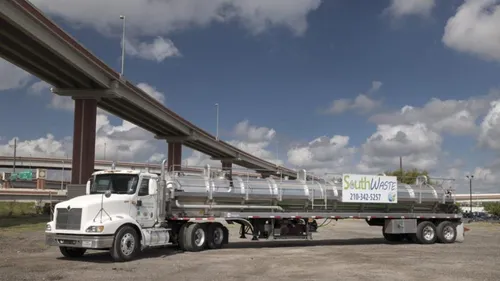
- Transportation and Recycling: The licensed hauler transports the collected UCO to a processing facility. Here, the material is rendered and purified to be reborn as biodiesel, a renewable fuel, or other products like animal feed or soap. This step closes the loop, turning waste into a resource.
Best Practices for Kitchen Compliance
Adhering to best practices minimizes risks and keeps your operation running without interruption.
- Never Pour Grease Down Drains: This is the cardinal rule. Even small amounts can solidify in pipes, leading to backups, expensive plumbing emergencies, and violations 3.
- Use Hauler-Provided Equipment: Reputable providers supply industry-standard containers that are designed for safe storage and easy handling. Using improper containers can lead to spills and compliance issues.
- Maintain Impeccable Records: File every service manifest you receive. In the event of an inspection, these documents are your first line of defense, proving due diligence and legal disposal 4 5.
- Train Your Staff: Ensure all kitchen staff understand the cooling, transfer, and storage procedures. Proper training prevents accidents and maintains the integrity of your recycling stream.
- Keep the Storage Area Clean: A tidy pickup area prevents spills from attracting pests and shows a commitment to proper waste management during inspections.
Find the perfect used cooking oil collection companies for your needs
Get personalized recommendations and expert advice
Financial and Environmental Benefits
Implementing a professional used cooking oil program isn't just about compliance; it offers tangible advantages. Financially, the model can vary. Many haulers offer free pickup services for businesses generating consistent, significant volumes of oil, as the value of the recycled material offsets their collection costs 6 7. In some cases, particularly for very high-volume producers, arrangements may even include cash-back rebates or revenue-sharing models 8. For smaller kitchens, a modest service fee may apply. Regardless of the pricing structure, the cost is almost always outweighed by the avoidance of potential fines, sewer repair fees, and the positive environmental impact.
Environmentally, recycling used cooking oil is a clear win. Diverting this material from landfills and sewers reduces pollution and strain on municipal wastewater treatment systems 9. Most importantly, when UCO is converted into biodiesel, it directly displaces fossil fuels, lowering greenhouse gas emissions and contributing to renewable energy goals 10. For a Sanford business, this is a practical way to enhance sustainability credentials and demonstrate community responsibility.
Choosing a Licensed Hauler in Sanford
Your choice of service provider is critical. Always verify that a hauler is licensed by the state of Florida to transport used cooking oil. A legitimate provider will be transparent about their licensing and the manifest process. Look for a company with a strong local reputation for reliability-consistent, on-time pickups are essential to prevent overflow and mess. Inquire about their recycling partners to ensure the oil is being processed into biodiesel or other approved products, not simply dumped. A good hauler acts as a partner, helping you navigate regulations and optimize your collection schedule for efficiency.
Frequently asked questions
Sources
Footnotes
-
The 2025 Florida Statutes - Online Sunshine - https://www.leg.state.fl.us/Statutes/index.cfm?App_mode=Display_Statute&Search_String=&URL=0400-0499/0403/Sections/0403.0741.html ↩
-
Florida Used Oil Disposal Regulations 2025 Compliance Guide - https://www.greaseprosrecycling.com/florida-used-oil-disposal-regulations/ ↩
-
Pretreatment | Sanford, FL - https://sanfordfl.gov/government/public-works-utilities/water_and_sewer/fog-fat-oil-and-grease/ ↩
-
Grease Pickup Service Near Me | Florida's Guide to Used Oil ... - https://www.greaseprosrecycling.com/grease-pickup-service-near-me/ ↩
-
How to Dispose of Used Cooking Oil in Florida | Guide 2025 - https://greaseconnections.com/used-cooking-oil-disposal-florida/ ↩
-
Grease Recycling Program Florida: Stay Kitchen Compliant - https://www.greaseprosrecycling.com/grease-recycling-program-fl/ ↩
-
Used Cooking Oil (UCO) Collection Service For Restaurants - https://thegreasecompany.com/blog/restaurant-used-cooking-oil-collection/ ↩
-
Restaurant Used Cooking Oil: Disposal, Recycling & Revenue Guide - https://greaseconnections.com/restaurant-used-cooking-oil-disposal-recycling-revenue-guide/ ↩
-
Grease Waste | Florida Department of Environmental Protection - https://floridadep.gov/waste/permitting-compliance-assistance/content/grease-waste ↩
-
Used Cooking Oil Disposal: Complete Guide to Grease Pickups - https://greaseconnections.com/used-cooking-oil-disposal-guide-grease-pickups/ ↩