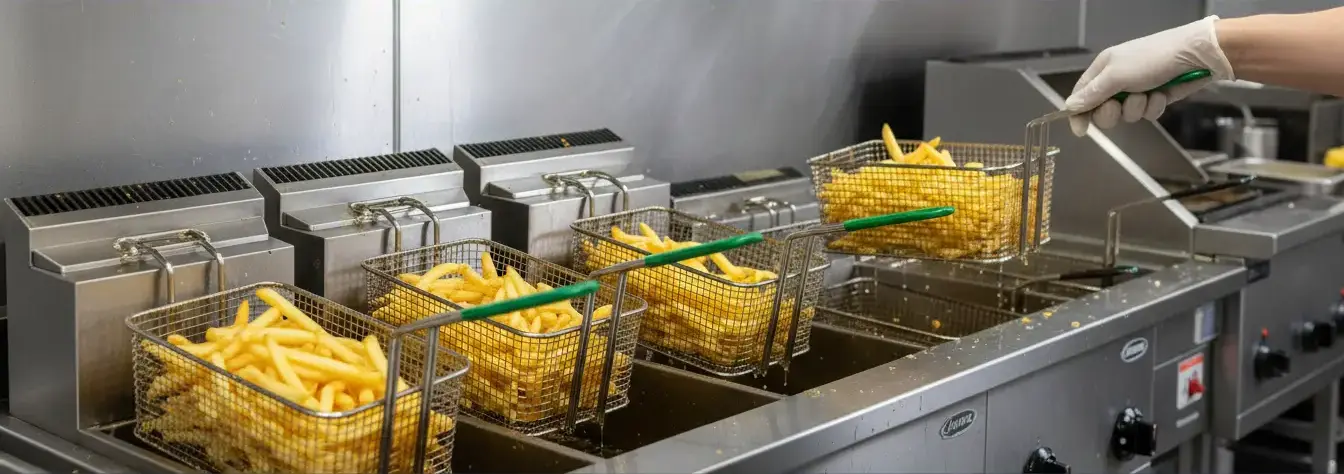
Find the Best Used Cooking Oil Collection Companies for Your Business
No obligation • Fast responses • Nationwide coverage

Why you can trust Restaurant Waste Disposal
Restaurant Waste Disposal is a leading U.S. resource for comparing restaurant composting, food-waste recycling, grease trap cleaning, and used cooking oil collection services. Our editorial team researches providers, checks credentials, and organizes unbiased information so operators can make informed decisions. Companies cannot pay to change ratings or placement.
Search providers near you
Top Used Cooking Oil Collection Companies in Plantation, Florida Ranked
For restaurants in Plantation, managing used cooking oil (UCO) is a critical operational and environmental responsibility. Proper grease trap and oil collection services are not just about cleanliness; they are mandated by Florida state and local regulations to protect the sewer system and the environment. By partnering with a licensed hauler, your establishment can transform a waste product into a valuable resource for biodiesel production, often at no cost and with potential for revenue. This guide outlines the essential steps, legal requirements, and benefits of establishing a compliant and efficient used cooking oil recycling program in Plantation.
GreasePros Recycling
2321 SW 57th Terrace, West Park, FL 33023
GreasePros Recycling is a used cooking oil collection company based in Miami, FL. With over 20 years of experience, they provide sustainable waste management solutions focused on used cooking oil recycling. The company serves areas including Aventura, Homestead, and Fort Lauderdale, offering both scheduled pickups and emergency oil retrieval services. GreasePros Recycling is committed to environmental stewardship and actively engages with local businesses and communities to promote responsible disposal practices.
Banyan Environmental Group Inc
1550 NW 24th Ave, Pompano Beach, FL 33069
Banyan Environmental Group Inc is a family-owned company based in Fort Lauderdale, FL, offering a range of environmental services across Florida. Their services include storm drain maintenance, grease trap cleaning and repair, septic tank services, used cooking oil recycling, and power washing. They provide 24/7 availability for both routine maintenance and emergency needs, with capabilities such as high-pressure line jetting and bulk pickup of used cooking oil.
Grease Connections
2217 NW 7th St, Miami, FL 33125
Grease Connections is a used cooking oil collection company based in Miami, FL, serving Florida, Georgia, and New Jersey. They collect used cooking oil from restaurants and industrial facilities and deliver it to U.S. processors who convert it into biodiesel and renewable aviation fuel. The company offers licensed pickups with double-walled vacuum tanks to prevent spills and provides detailed compliance reports for environmental regulations. Their service includes optional RFID-enabled containers for real-time tracking and audit-ready paperwork. Grease Connections operates a fully compliant program that supports sustainability and helps clients avoid fines related to oil disposal.
Mahoney Environmental
3370 NW 37th St, Miami, FL 33142
Mahoney Environmental provides used cooking oil collection, recycling, and grease trap cleaning services for foodservice businesses in Miami, FL. They serve a variety of clients including restaurants, bars, hotels, and universities by offering regular used cooking oil pickups and environmentally friendly recycling processes. Their services also include grease trap installation, cleaning, maintenance, and emergency 24/7 cleanup to help businesses comply with municipal regulations. Mahoney Environmental installs automated cooking oil handling systems to improve safety and efficiency in commercial kitchens. As a licensed EPA recycler, they process collected oil into renewable diesel, sustainable aviation fuel, and other products.
Grease Beast LLC
West Palm Beach, FL
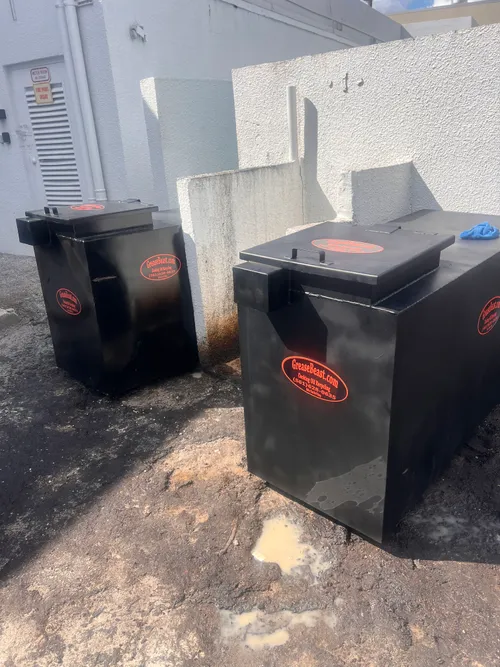
Grease Beast LLC is a used cooking oil collection company based in West Palm Beach, FL. They serve South Florida restaurants, hotels, catering services, and shopping centers by providing free used cooking oil pickup with supplied containers and personalized collection schedules. The company processes the oil by cleaning and testing it before recycling, contributing to local environmental sustainability. With nearly two decades of experience, Grease Beast is committed to supporting the community and promoting eco-friendly waste management.
Understanding Florida and Plantation Regulations
Compliance begins with understanding the rules. In Florida, restaurants are legally required to use licensed grease haulers for the removal of both used cooking oil and grease interceptor waste 1. It is prohibited to clean your own grease trap or dump grease and oil down drains, into storm sewers, or with regular trash 1 2. These regulations are enforced to prevent costly and unsanitary sewer blockages, known as fatbergs, and to minimize environmental harm.
A key component of compliance is the manifest system. Every time a licensed hauler collects your used oil or grease, they must provide you with a signed service manifest, which acts as a detailed receipt. Florida law requires you to keep these manifests on-site for at least one year. Health inspectors and regulatory officials will ask to see these documents during inspections to verify that you are using a licensed service and disposing of waste properly 3. Failure to comply can result in significant fines and operational disruptions.
Setting Up Your Oil Collection System
Implementing a proper grease recycling program starts with correct storage and handling on your premises.
Proper Storage Practices: Used cooking oil must be cooled to below 120°F before handling 4. It should be scraped or poured into dedicated, leak-proof containers provided by your hauler. These containers must be clearly labeled, kept securely closed, and stored in a cool, clean, and accessible location-either indoors or in a well-ventilated outdoor area 5. The storage area should have spill containment measures in place. This not only ensures safety and hygiene but is also a critical point of inspection for health officials.
Working with a Licensed Hauler: Your first step is to select a licensed used cooking oil collection service provider. Reputable companies operating in the Plantation and South Florida area include Greasepros Recycling, Eazy Grease, and Grease Connections 6. These providers will typically supply the storage tanks or containers at no upfront cost. Together, you will establish a pickup schedule based on your kitchen's oil production volume, ensuring your containers never overflow.
The Collection and Recycling Process
A well-run UCO collection service follows a streamlined process that minimizes hassle for your staff.
- Preparation: Kitchen staff cool the oil, filter out food solids, and transfer it to the designated collection container.
- Scheduled Pickup: On the appointed day, the hauler's technician arrives and pumps the oil from your storage tank into their specialized collection truck.
- Documentation: You receive a signed manifest detailing the quantity collected, the date, and the hauler's information. File this document immediately.
- Transport & Processing: The hauler transports the oil to a permitted recycling facility. There, it is filtered and purified to become a primary feedstock for biodiesel, a clean-burning renewable fuel 7 8.
This closed-loop process ensures that your waste is diverted from landfills and given a productive second life, contributing to a circular economy.
Find the perfect used cooking oil collection companies for your needs
Get personalized recommendations and expert advice
Financial and Operational Benefits
Engaging a professional used cooking oil collection service offers tangible advantages beyond mere compliance.
Cost Structure and Potential Revenue: Many collection services in Florida offer their tanks, setup, and regular pickups for free 9 10. The business model for these haulers is based on the value of the recycled oil. In many cases, they share this value with you, the restaurant. It is common for establishments to earn a monthly revenue stream, which can range from $40 to over $120 depending on the volume of oil your kitchen generates 9 11 12. This turns a disposal cost into a minor profit center.
Operational and Brand Advantages: A professional program significantly reduces the risk of grease-related plumbing emergencies, foul odors, and pest infestations in your storage areas. It enhances overall kitchen hygiene and safety for your staff. Furthermore, promoting your participation in a recycling program strengthens your brand's image as an environmentally responsible business, a quality increasingly valued by customers. You directly support the production of domestic renewable energy, reducing reliance on fossil fuels.
Maintaining Compliance and Best Practices
Staying compliant is an ongoing effort. Regularly train your kitchen staff on the correct procedures for handling and storing used oil. Designate a specific, safe area for the collection container and enforce its use. Most importantly, maintain an organized file of all your pickup manifests in a location known to managers. Proactively schedule service if you notice your container is filling faster than usual, such as during peak seasons, to avoid any overflow or compliance lapse.
By adhering to these guidelines and partnering with a reliable service, your Plantation restaurant can master used cooking oil management. You'll ensure regulatory compliance, improve operational efficiency, contribute to environmental sustainability, and potentially add a new revenue line-all from what was once considered mere waste.
Frequently asked questions
Sources
Footnotes
-
Grease Waste | Florida Department of Environmental Protection - https://floridadep.gov/waste/permitting-compliance-assistance/content/grease-waste ↩ ↩2
-
Is Cooking Oil Recycling Mandatory? Florida, GA & NJ Rules - https://greaseconnections.com/is-cooking-oil-recycling-mandatory-florida-ga-nj-rules/ ↩
-
Florida Restaurants Now Facing Stronger Regulations For Grease ... - https://www.tampa.gov/news/florida-restaurants-now-facing-stronger-regulations-grease-disposal-102321 ↩
-
Used Cooking Oil Disposal: Complete Guide to Grease Pickups - https://greaseconnections.com/used-cooking-oil-disposal-guide-grease-pickups/ ↩
-
How to Dispose of Used Cooking Oil in Florida | Guide 2025 - https://greaseconnections.com/used-cooking-oil-disposal-florida/ ↩
-
Cooking Oil Recycling in Florida - Eazy Grease - https://eazygrease.com/cooking-oil-recycling-florida/ ↩
-
Used Cooking Oil (UCO) Collection Service For Restaurants - https://thegreasecompany.com/blog/restaurant-used-cooking-oil-collection/ ↩
-
Restaurant Used Cooking Oil: Disposal, Recycling & Revenue Guide - https://greaseconnections.com/restaurant-used-cooking-oil-disposal-recycling-revenue-guide/ ↩
-
Grease Pickup Service Near Me | Florida's Guide to Used Oil ... - https://www.greaseprosrecycling.com/grease-pickup-service-near-me/ ↩ ↩2
-
Grease Recycling Program Florida: Stay Kitchen Compliant - https://www.greaseprosrecycling.com/grease-recycling-program-fl/ ↩
-
Cooking Oil Recycling & Grease | Palm Beach County, FL - https://greaseconnections.com/locations/fl/palm-beach/ ↩
-
Used Oil Disposal for Florida Restaurants: Best Practices - https://www.greaseprosrecycling.com/used-oil-disposal/ ↩