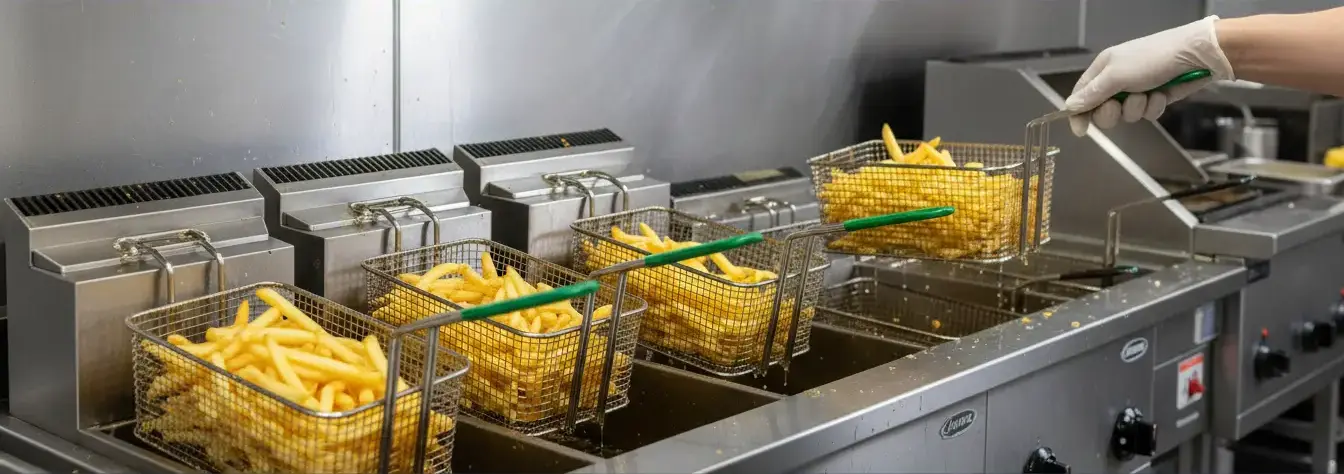
Find the Best Used Cooking Oil Collection Companies for Your Business
No obligation • Fast responses • Nationwide coverage

Why you can trust Restaurant Waste Disposal
Restaurant Waste Disposal is a leading U.S. resource for comparing restaurant composting, food-waste recycling, grease trap cleaning, and used cooking oil collection services. Our editorial team researches providers, checks credentials, and organizes unbiased information so operators can make informed decisions. Companies cannot pay to change ratings or placement.
Search providers near you
Top Used Cooking Oil Collection Companies in Ocoee, Florida Ranked
For restaurants and food service businesses in Ocoee, managing used cooking oil (UCO) is far more than a simple cleanup task-it's a critical operational, environmental, and regulatory responsibility. Properly handling waste oil and grease is essential for maintaining a clean kitchen, preventing costly plumbing disasters, and ensuring full compliance with Florida's stringent environmental laws. Fortunately, a well-established system of licensed collection services exists to transform this potential liability into a streamlined, often cost-effective, and environmentally positive process. By partnering with a reputable hauler, Ocoee businesses can ensure their used oil is safely collected and recycled into valuable products like biodiesel, contributing to a circular economy right here in Central Florida.
Understanding Florida's Regulatory Landscape
Navigating the rules for grease and oil disposal is the first step for any compliant Ocoee restaurant. Florida law, enforced by the Department of Environmental Protection (DEP), has clear mandates designed to protect sewer systems and the environment.
- Strict Prohibition on Drain Disposal: It is illegal to pour used cooking oil or grease down any drain, including sinks, floor drains, or toilets. Florida Statute 403.751 explicitly prohibits this practice, which can lead to severe sewer blockages, environmental contamination, and significant fines for your business 1.
- Licensed Haulers Only: The removal of grease trap waste and used cooking oil must be performed by a state-licensed grease hauler. Using an unlicensed service puts your business at risk of non-compliance.
- Mandatory Service Manifests: For every collection, your hauler must provide a detailed service manifest. This document, signed by both the hauler and a representative from your business, serves as a legal record of the transfer. Florida regulations require you to keep these manifests on-site for at least one year to prove proper disposal.
- Secure Storage Requirements: Before collection, used oil must be stored properly. This typically means using a dedicated, sealable container or a provided storage tank made of a non-reactive material like stainless steel. Storage areas should be cool, secure, and well-ventilated to prevent accidents and pests 2.
The Step-by-Step Process of Oil Collection & Recycling
Implementing a reliable used cooking oil management system is straightforward and integrates seamlessly into kitchen operations.
- Cooling and Initial Handling: After frying, allow the oil to cool completely to a safe temperature (below 120°F is a common guideline) before handling. This prevents burns and damage to storage containers. Scrape out any large food particles or solid fats.
- Secure Storage: Transfer the cooled oil into your designated collection container. Most professional services provide these containers or larger outdoor storage tanks (ranging from 40 to over 300 gallons) at no cost, ensuring safe and tidy on-site storage.
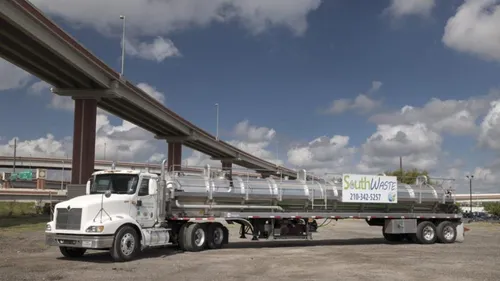
- Scheduled Pickup: Your licensed collection service will establish a pickup schedule-weekly, bi-weekly, or monthly-based on your oil volume. They will pump the oil from your storage tank into their specialized truck. Many companies coordinate UCO collection with routine grease trap cleaning visits for added convenience.
- Transport and Recycling: The hauler transports the collected oil to a state-permitted recycling facility. Here, the used cooking oil begins its second life. It is processed and refined into a variety of sustainable products, primarily renewable biofuels like biodiesel and sustainable aviation fuel (SAF), but also items like animal feed additives and soaps 3.
The Business Case: Cost Savings and Potential Revenue
Beyond compliance, a professional used cooking oil collection service can positively impact your bottom line. Many restaurants are surprised to learn that this "waste" product holds value.
- Free Equipment and Collection: A common model for businesses generating consistent volumes of oil (often around 40 gallons or more per pickup cycle) is free service. Providers frequently supply the storage tank, perform regular pickups, and handle all transportation at no charge to the restaurant, eliminating disposal costs 4 5.
- Potential for Payment: Some collectors operate on a revenue-sharing model, paying restaurants for their used oil. While rates fluctuate with the commodities market, payments can range from $0.10 to $0.50 per gallon. For a busy Ocoee restaurant, this could translate to an extra $60 to $120 or more per month, effectively turning a waste stream into a minor revenue source 6 7.
- Bundled Service Savings: Many providers offer both grease trap cleaning and used oil collection. Bundling these essential services can lead to discounted rates, simplified scheduling with a single provider, and comprehensive compliance documentation.
Choosing a Service Provider in Ocoee
When selecting a used cooking oil collection partner, due diligence is key. Look for providers with a strong local presence in Orange County and a proven track record.
- Verify Licensing: Always ask for proof of their Florida DEP waste hauler license. This is non-negotiable for your compliance 8.
- Evaluate Service Offerings: Consider providers that offer free tanks, flexible scheduling, and clear communication. Companies like Grease Connections, Eazy Grease, and Mahoney Environmental are examples of established services operating in the Florida market 9 10.
- Review the Contract: Understand the terms of service, including pickup frequency, what happens if your oil volume changes, and who is responsible for equipment maintenance.
Find the perfect used cooking oil collection companies for your needs
Get personalized recommendations and expert advice
The Environmental Impact of Recycling in Ocoee
Participating in a used cooking oil recycling program allows Ocoee businesses to make a tangible local environmental contribution. When UCO is recycled into biodiesel, it burns cleaner than petroleum diesel, reducing greenhouse gas emissions and particulate matter. This supports Florida's and the nation's growing renewable energy goals. By choosing a certified recycler, you ensure your oil is processed responsibly and doesn't end up in landfills or, worse, contaminating local waterways and soil. It's a simple operational choice with a powerful positive ripple effect.
Maintaining Compliance and Best Practices
To stay in good standing and avoid issues, adopt these ongoing best practices:
- Train Your Staff: Ensure all kitchen employees understand the importance of not pouring oil down drains and know the correct procedure for disposing of cooled oil.
- Keep Impeccable Records: File every service manifest promptly and have them readily available for inspection. A well-organized log is your best defense in an audit.
- Communicate with Your Hauler: Notify your service provider if your oil production significantly increases or decreases, or if you notice any issues with your storage tank. A good partnership is built on clear communication.
- Schedule Regular Grease Trap Maintenance: Remember that used oil collection is separate from, though complementary to, grease interceptor cleaning. Both are legally required for most food service establishments to prevent fats, oils, and grease (FOG) from entering the public sewer system 11.
By understanding the regulations, processes, and benefits, Ocoee restaurant owners and managers can transform used cooking oil management from a chore into a strategic, compliant, and environmentally responsible part of their business operations.
Frequently asked questions
Sources
Footnotes
-
Is Cooking Oil Recycling Mandatory? Florida, GA & NJ Rules - https://greaseconnections.com/is-cooking-oil-recycling-mandatory-florida-ga-nj-rules/ ↩
-
Used Cooking Oil (UCO) Collection Service For Restaurants - https://thegreasecompany.com/blog/restaurant-used-cooking-oil-collection/ ↩
-
Grease Waste | Florida Department of Environmental Protection - https://floridadep.gov/waste/permitting-compliance-assistance/content/grease-waste ↩
-
Used Cooking Oil Collection | Orange County | Free Pickups - https://greaseconnections.com/locations/fl/orange/ ↩
-
Cooking Oil Recycling in Florida - Eazy Grease - https://eazygrease.com/cooking-oil-recycling-florida/ ↩
-
Used Cooking Oil Disposal: Complete Guide to Grease Pickups - https://greaseconnections.com/used-cooking-oil-disposal-guide-grease-pickups/ ↩
-
Grease Collection Service: What is it - https://www.grandnaturalinc.com/blog/what-is-grease-collection-service.html ↩
-
Oil Pickup Company Florida: Questions to Ask First Slug - https://www.greaseprosrecycling.com/oil-pickup-company-florida/ ↩
-
Used Cooking Oil Pickup and Recycling Services in Orlando, FL - https://www.mahoneyes.com/waste-oil-pickup-recycling-orlando-fl/ ↩
-
Used Cooking Oil Collection in Orlando, FL - Eazy Grease - https://eazygrease.com/used-cooking-oil-collection-orlando-fl/ ↩
-
Florida Restaurants Now Facing Stronger Regulations For Grease ... - https://www.tampa.gov/news/florida-restaurants-now-facing-stronger-regulations-grease-disposal-102321 ↩