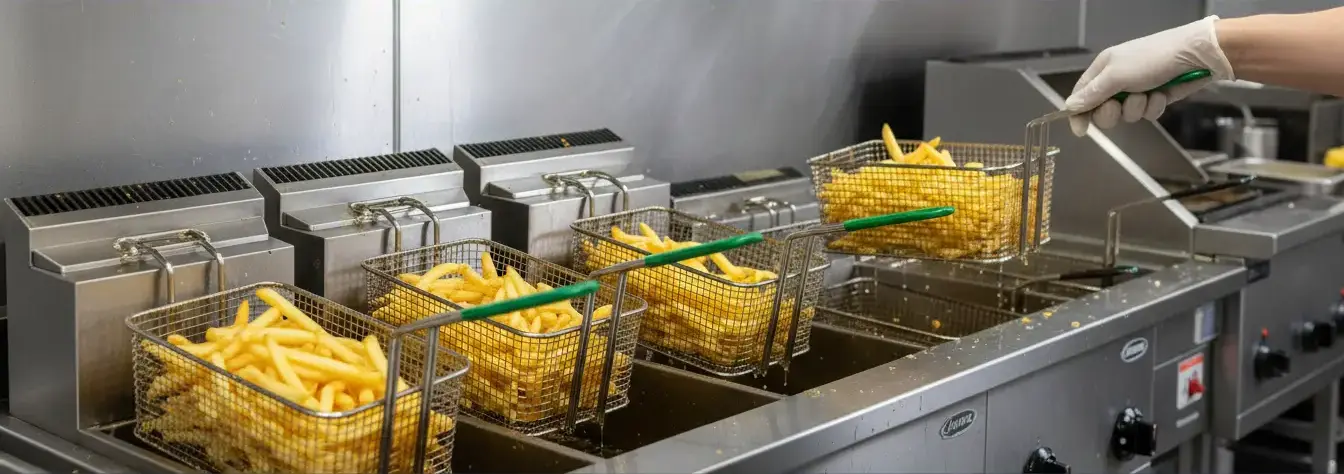
Find the Best Used Cooking Oil Collection Companies for Your Business
No obligation • Fast responses • Nationwide coverage

Why you can trust Restaurant Waste Disposal
Restaurant Waste Disposal is a leading U.S. resource for comparing restaurant composting, food-waste recycling, grease trap cleaning, and used cooking oil collection services. Our editorial team researches providers, checks credentials, and organizes unbiased information so operators can make informed decisions. Companies cannot pay to change ratings or placement.
Search providers near you
Top Used Cooking Oil Collection Companies in Miami Beach, Florida Ranked
For restaurants and food service establishments in Miami Beach, managing used cooking oil (UCO) is a critical operational and environmental responsibility. Proper collection and recycling of this waste stream are not just best practices but are mandated by a combination of Florida state and Miami-Dade County regulations. By partnering with a licensed hauler, businesses can transform a waste product into a valuable resource, contributing to the production of biodiesel and other renewable products while ensuring full compliance with local laws. This process helps protect the city's infrastructure, supports sustainability goals, and can even provide a potential revenue stream for your establishment.
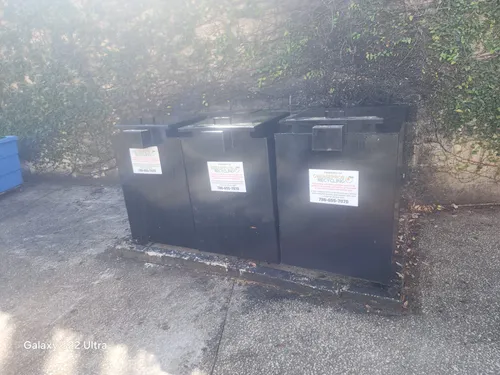
GreasePros Recycling
2321 SW 57th Terrace, West Park, FL 33023
GreasePros Recycling is a used cooking oil collection company based in Miami, FL. With over 20 years of experience, they provide sustainable waste management solutions focused on used cooking oil recycling. The company serves areas including Aventura, Homestead, and Fort Lauderdale, offering both scheduled pickups and emergency oil retrieval services. GreasePros Recycling is committed to environmental stewardship and actively engages with local businesses and communities to promote responsible disposal practices.
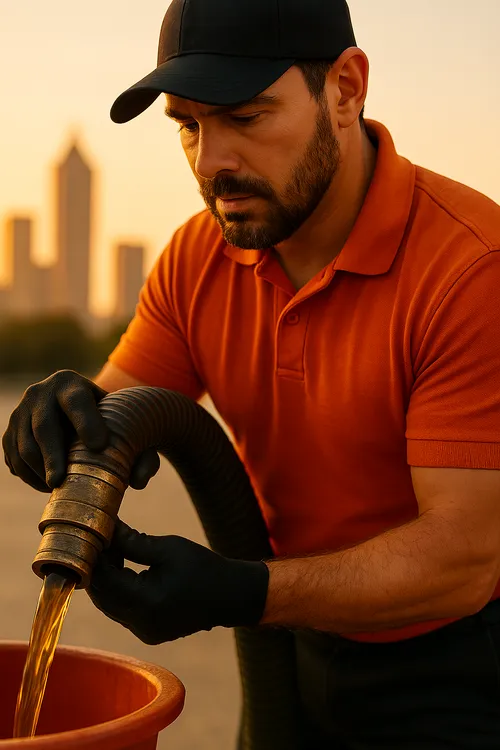
Grease Connections
2217 NW 7th St, Miami, FL 33125
Grease Connections is a used cooking oil collection company based in Miami, FL, serving Florida, Georgia, and New Jersey. They collect used cooking oil from restaurants and industrial facilities and deliver it to U.S. processors who convert it into biodiesel and renewable aviation fuel. The company offers licensed pickups with double-walled vacuum tanks to prevent spills and provides detailed compliance reports for environmental regulations. Their service includes optional RFID-enabled containers for real-time tracking and audit-ready paperwork. Grease Connections operates a fully compliant program that supports sustainability and helps clients avoid fines related to oil disposal.

Mahoney Environmental
3370 NW 37th St, Miami, FL 33142
Mahoney Environmental provides used cooking oil collection, recycling, and grease trap cleaning services for foodservice businesses in Miami, FL. They serve a variety of clients including restaurants, bars, hotels, and universities by offering regular used cooking oil pickups and environmentally friendly recycling processes. Their services also include grease trap installation, cleaning, maintenance, and emergency 24/7 cleanup to help businesses comply with municipal regulations. Mahoney Environmental installs automated cooking oil handling systems to improve safety and efficiency in commercial kitchens. As a licensed EPA recycler, they process collected oil into renewable diesel, sustainable aviation fuel, and other products.

Grease Busters Miami
10700 SW City Center Blvd #5258, Pembroke Pines, FL 33025
Grease Busters Miami is a used cooking oil collection company based in Miami, FL. They specialize in collecting and recycling used cooking oil from various commercial clients in the area. The company focuses on environmentally responsible disposal and efficient service tailored to local businesses.
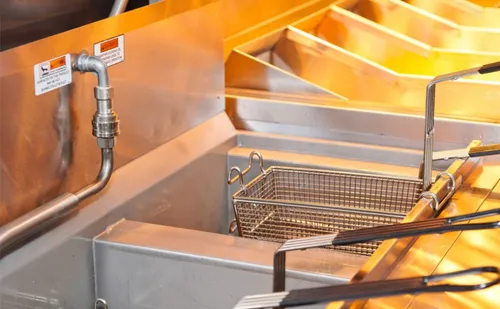
Restaurant Technologies
4009 SW 30th Ave Suite 500, Davie, FL 33312
Restaurant Technologies is a company based in Pembroke Pines, FL, specializing in used cooking oil collection and management for commercial kitchens and foodservice businesses. They offer an automatic, closed-loop system that delivers fresh cooking oil and collects used oil safely and efficiently. Their services include bulk cooking oil delivery, filtration, recycling, and installation of back-of-house tanks connected to fryers for easy oil management. The company operates a depot in Miami and focuses on sustainability by providing end-to-end hazardous waste disposal solutions that reduce manual handling risks and improve kitchen safety.
Understanding Local Regulations for Grease Disposal
Navigating the regulatory landscape is the first step in establishing a compliant used cooking oil management program. In Miami Beach, food service establishments operate under the jurisdiction of both the Florida Department of Environmental Protection (FDEP) and the Miami-Dade County Department of Environmental Resources Management (DERM).
A foundational requirement is the Grease Discharge Operating Permit (GDO), which all food service establishments must obtain from Miami-Dade DERM 1. This permit is central to the county's efforts to control fats, oils, and grease (FOG) and prevent sewer blockages. The regulations strictly prohibit the disposal of used oil or grease down any drain, sink, or toilet. A simple best practice is to wipe cookware with a paper towel to remove excess grease before washing and to store all cooled oil in dedicated, sealed containers.
Crucially, you must use a hauler that is both licensed by the State of Florida and certified by Miami-Dade County for used cooking oil collection 2. These licensed providers are authorized to handle the material and will supply you with the necessary documentation-known as manifests-that prove proper disposal. Florida law requires you to maintain these service manifests on-site for a minimum of one year for inspection 3.
The Step-by-Step Collection and Recycling Process
Implementing a smooth UCO collection system involves several key stages, from on-site storage to final recycling.
1. Storage and Containerization: Your chosen service provider will typically supply the storage equipment. This can range from sealed drums or barrels for indoor or outdoor use to more advanced, automated handling systems. Companies like Mahoney Environmental offer "Direct Connect" systems that pipe oil directly from fryers to a secure storage container, minimizing handling and spill risk.
2. Scheduling and Pickup: Collection frequency is tailored to your volume of oil production. High-volume restaurants may require weekly pickups, while others might schedule bi-weekly or monthly service. A licensed driver will collect the containers, often weighing the oil on-site to track volume.
3. Transportation and Processing: The collected oil is transported to a processing facility. Here, it undergoes filtration to remove food particles and water. The purified oil is a prime feedstock for the creation of biodiesel, a renewable fuel, or other products like industrial lubricants. This process completes the circular economy, diverting waste from landfills and reducing fossil fuel dependence.
4. Reporting and Compliance: Modern service providers often integrate digital reporting. Data from your pickups can sync to an online FOG management portal, giving you instant access to compliance records, pickup history, and volume reports-all invaluable during a regulatory inspection.
Financial and Operational Benefits for Your Business
A well-managed used cooking oil program is far from a cost center. In fact, it can positively impact your bottom line and operational safety.
- Cost Structure: Unlike many waste streams, used cooking oil collection in Miami Beach is often provided free of charge. For establishments generating significant volume, many providers will actually pay you for your oil through rebates or direct payments 4 5. This turns a disposal headache into a minor revenue stream.
- Significant Savings: The financial shift is dramatic. Instead of paying traditional waste removal fees of $50-$100 or more per month for grease trap cleaning and oil disposal, a restaurant can earn between $18-$48 per month for its oil 6 7. This swing can result in annual savings or earnings in the thousands.
- Risk Mitigation: Proper storage and regular pickup drastically reduce the risk of on-site spills, slips, and falls. It also eliminates the severe risk of clogged drains and costly plumbing emergencies or sewer surcharge fines from improper disposal.
- Brand Enhancement: Promoting your participation in a recycling program strengthens your brand's commitment to sustainability, an increasingly important factor for both local customers and visitors to Miami Beach.
Find the perfect used cooking oil collection companies for your needs
Get personalized recommendations and expert advice
Choosing a Service Provider in Miami Beach
Selecting the right partner is essential for compliance and service quality. Look for providers that emphasize their local licenses and offer comprehensive support.
- Grease Connections: This provider highlights free pickup, payment for oil, no long-term contracts, and supplies detailed compliance reporting for inspectors 8.
- GreasePros Recycling: A licensed hauler that offers free containers and pickup services, and handles the intricacies of local compliance documentation.
- DAR PRO Solutions / Mahoney Environmental: These national providers with local service offer reliable collection and are known for advanced, automated oil handling systems that streamline operations for high-volume kitchens 9 10.
When evaluating providers, confirm their Miami-Dade DERM certification, understand their fee or payment structure, review their reporting capabilities, and ensure they supply the proper manifests after each collection.
Best Practices for On-Site Management
Beyond hiring a service, daily practices ensure a safe and efficient system:
- Cool Before Handling: Always allow oil to cool completely before transferring it to a storage container to prevent burns and fires.
- Use Designated Containers: Never use makeshift containers. Use only the sealed, purpose-built containers provided by your hauler.
- Prevent Contamination: Keep lids tightly closed to keep out rainwater and debris, which can degrade the oil's value for recycling.
- Train Your Staff: Ensure all kitchen staff are trained on proper oil disposal procedures to prevent accidental drain disposal.
- Maintain Records: File every service manifest digitally or physically in an easily accessible location for the required one-year period.
The Environmental Impact of Recycling UCO
The journey of used cooking oil from a Miami Beach restaurant fryer doesn't end at the pickup. Its recycling has a profound positive environmental impact. Once processed, the oil is converted into biodiesel, a cleaner-burning alternative to petroleum diesel. This process significantly reduces greenhouse gas emissions and particulate matter pollution 11 12. By participating in a recycling program, your business directly contributes to a circular economy, reducing reliance on landfills and fossil fuel extraction. It's a tangible step toward the sustainability goals shared by many businesses and residents in the Miami Beach community.
Frequently asked questions
Sources
Footnotes
-
Fats, Oils, and Grease | Miami Beach - Rising Above - https://www.mbrisingabove.com/your-business/environmental-regulations/fats-oils-and-grease/ ↩
-
Restaurant Grease Recycling Florida: Best Practices & Compliance - https://www.greaseprosrecycling.com/restaurant-grease-recycling-florida/ ↩
-
Grease Waste | Florida Department of Environmental Protection - https://floridadep.gov/waste/permitting-compliance-assistance/content/grease-waste ↩
-
Used Cooking Oil Recycling & Grease Pickup in Miami-Dade - https://greaseconnections.com/locations/fl/miami-dade/ ↩
-
Used Oil Collection Downtown & Brickell | Free Pickup + Cash - https://greaseconnections.com/locations/fl/miami-dade/downtown-brickell/ ↩
-
Grease Pickup Service Near Me | Florida's Guide to Used Oil ... - https://www.greaseprosrecycling.com/grease-pickup-service-near-me/ ↩
-
Used Oil Disposal for Florida Restaurants: Best Practices - https://www.greaseprosrecycling.com/used-oil-disposal/ ↩
-
Miami Beach Cooking Oil Recycling & Grease Pickup - https://greaseconnections.com/locations/fl/miami-dade/miami-beach/ ↩
-
Used Cooking Oil Pickup and Recycling Services in Miami, FL - https://www.mahoneyes.com/waste-oil-pickup-recycling-miami-fl/ ↩
-
Used cooking oil collection in Miami with DAR PRO Solutions - https://www.darlingii.com/darpro/locations/miami ↩
-
Grease Recycling in Miami: From Fryer to Biodiesel - https://www.greaseprosrecycling.com/grease-recycling-in-miami/ ↩
-
What happens with the used oil from restaurants and fast-food ... - https://www.quora.com/What-happens-with-the-used-oil-from-restaurants-and-fast-food-chains-Is-there-any-sort-of-recycling ↩