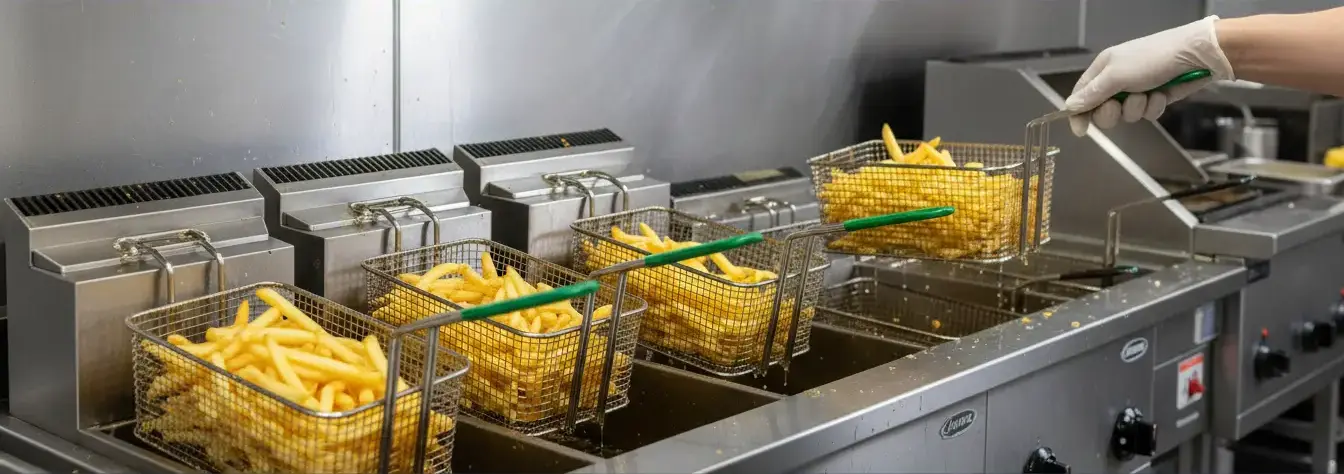
Find the Best Used Cooking Oil Collection Companies for Your Business
No obligation • Fast responses • Nationwide coverage

Why you can trust Restaurant Waste Disposal
Restaurant Waste Disposal is a leading U.S. resource for comparing restaurant composting, food-waste recycling, grease trap cleaning, and used cooking oil collection services. Our editorial team researches providers, checks credentials, and organizes unbiased information so operators can make informed decisions. Companies cannot pay to change ratings or placement.
Search providers near you
Top Used Cooking Oil Collection Companies in Margate, Florida Ranked
For restaurant owners and kitchen managers in Margate, establishing a reliable system for used cooking oil (UCO) collection is a critical operational and environmental responsibility. Proper management of fats, oils, and grease (FOG) is not just about cleanliness; it's a legal requirement under Florida state law designed to protect the city's sewer infrastructure from costly blockages and backups. By partnering with a licensed hauler for grease trap cleaning and oil recycling, your business can turn a waste product into a potential revenue stream while ensuring full compliance with local and state regulations. This guide outlines the essential steps, from understanding the legal framework to selecting a service provider, to help you navigate the process smoothly and effectively.
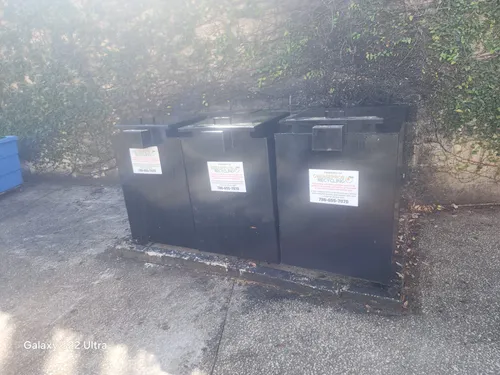
GreasePros Recycling
2321 SW 57th Terrace, West Park, FL 33023
GreasePros Recycling is a used cooking oil collection company based in Miami, FL. With over 20 years of experience, they provide sustainable waste management solutions focused on used cooking oil recycling. The company serves areas including Aventura, Homestead, and Fort Lauderdale, offering both scheduled pickups and emergency oil retrieval services. GreasePros Recycling is committed to environmental stewardship and actively engages with local businesses and communities to promote responsible disposal practices.
Banyan Environmental Group Inc
1550 NW 24th Ave, Pompano Beach, FL 33069
Banyan Environmental Group Inc is a family-owned company based in Fort Lauderdale, FL, offering a range of environmental services across Florida. Their services include storm drain maintenance, grease trap cleaning and repair, septic tank services, used cooking oil recycling, and power washing. They provide 24/7 availability for both routine maintenance and emergency needs, with capabilities such as high-pressure line jetting and bulk pickup of used cooking oil.
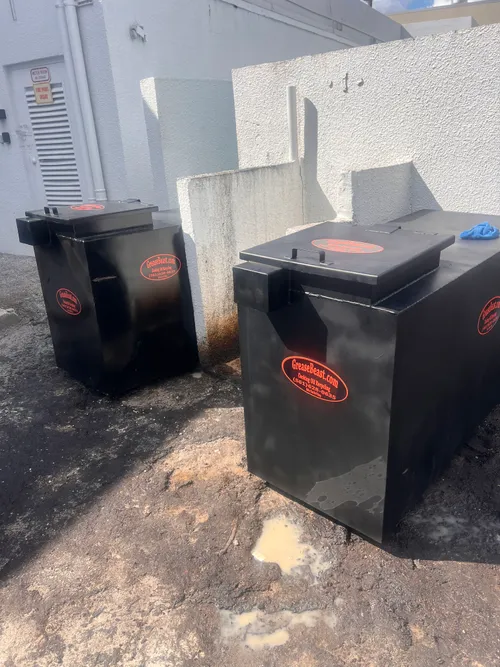
Grease Beast LLC
West Palm Beach, FL
Grease Beast LLC is a used cooking oil collection company based in West Palm Beach, FL. They serve South Florida restaurants, hotels, catering services, and shopping centers by providing free used cooking oil pickup with supplied containers and personalized collection schedules. The company processes the oil by cleaning and testing it before recycling, contributing to local environmental sustainability. With nearly two decades of experience, Grease Beast is committed to supporting the community and promoting eco-friendly waste management.

Grease Busters Miami
10700 SW City Center Blvd #5258, Pembroke Pines, FL 33025
Grease Busters Miami is a used cooking oil collection company based in Miami, FL. They specialize in collecting and recycling used cooking oil from various commercial clients in the area. The company focuses on environmentally responsible disposal and efficient service tailored to local businesses.
Restaurant Technologies
4009 SW 30th Ave Suite 500, Davie, FL 33312
Restaurant Technologies is a company based in Pembroke Pines, FL, specializing in used cooking oil collection and management for commercial kitchens and foodservice businesses. They offer an automatic, closed-loop system that delivers fresh cooking oil and collects used oil safely and efficiently. Their services include bulk cooking oil delivery, filtration, recycling, and installation of back-of-house tanks connected to fryers for easy oil management. The company operates a depot in Miami and focuses on sustainability by providing end-to-end hazardous waste disposal solutions that reduce manual handling risks and improve kitchen safety.
Understanding FOG Regulations in Florida and Margate
Florida has implemented stringent regulations governing the disposal of grease waste, and Margate enforces these rules to safeguard its public works systems. The cornerstone of this regulatory framework is Florida Senate Bill 1110, which mandates specific practices for commercial establishments 1. The law explicitly prohibits "pump and return" methods, where waste is temporarily removed and then returned to a grease trap or interceptor. Instead, it requires that all contents be fully removed and transported to a permitted disposal or recycling facility 2.
For your restaurant in Margate, this means you are legally obligated to use a licensed grease waste hauler for all grease interceptor cleanings and used oil collection. These licensed providers are required to supply you with a manifest document for every service, detailing the volume of waste collected and its final destination. This paperwork is your proof of compliant disposal and should be kept on file. The City of Margate's Public Works department emphasizes that partial cleanings or simple skimming of grease traps are not acceptable; interceptors must be completely pumped out to prevent FOG from entering the sewer lines.
The Importance of Proper Grease Trap and Oil Management
Failing to manage kitchen grease properly can lead to severe and expensive consequences. When FOG is poured down drains, it cools and solidifies inside pipes, gradually creating blockages that can cause:
- Sewer backups into your restaurant or neighboring businesses.
- Costly emergency plumbing repairs and service interruptions.
- Significant fines from the city for violating sewer use ordinances.
- Environmental harm from sewer overflows into local waterways.
Conversely, a proactive management program offers multiple benefits. Beyond avoiding problems, it contributes to your establishment's sustainability goals. Collected used cooking oil is almost always recycled into valuable products like biodiesel, a renewable fuel. This circular process means your kitchen waste is directly supporting green energy initiatives. Furthermore, a clean and well-maintained grease management system is a mark of a professional, responsible food service operation.
How Used Cooking Oil Collection Services Work
Engaging a professional collection service simplifies compliance and creates a turnkey system for your staff. The process typically begins with a free consultation and site walk-through from a provider. During this visit, a representative will assess your kitchen's volume of oil production, the location and condition of your grease trap, and your current storage practices. They will then recommend an appropriate collection schedule and container size.
The service provider will supply you with dedicated, sealed collection containers (often barrels or bins) designed to store used oil safely. Many modern services equip these containers with QR codes or tracking systems to monitor fill levels and service history. They will also provide basic training for your kitchen staff on proper oil disposal procedures to prevent contamination and ensure safety. Based on your usage, the hauler will establish a regular pickup schedule-whether weekly, bi-weekly, or monthly-to ensure your containers never overflow.
Find the perfect used cooking oil collection companies for your needs
Get personalized recommendations and expert advice
Storage Best Practices for Used Cooking Oil
Safe and compliant storage is a key component of the collection process. While your service provider will supply appropriate containers, proper onsite handling is your responsibility. Always allow oil to cool completely before transferring it to a storage container. Use durable, sealable containers provided by your hauler to prevent leaks, spills, and odors. Clearly label all containers as "Used Cooking Oil" to avoid confusion.
Store these containers in a cool, dry, and accessible location, preferably on an impervious surface like concrete 3. It is highly advisable to use secondary containment, such as a spill pallet, to catch any potential leaks and prevent environmental contamination. This area should be secure, well-lit, and away from high-traffic zones to minimize trip hazards for your staff and the collection crew.
Evaluating Costs and Potential Revenue
The cost structure for used cooking oil collection can vary based on your restaurant's specific needs. Many providers offer free setup, bin delivery, and staff training as part of their service package. The primary fee is typically associated with the scheduled pickup service, which is influenced by the frequency of collection and the volume of oil you generate 4.
However, this cost can be offset or even turned into a source of revenue. Because used cooking oil has value as a feedstock for biodiesel and other products, many collection companies offer rebate programs. These programs provide quarterly payments to your business based on the market value of the oil you've recycled 5. The rebate amount fluctuates with commodity prices, but it effectively transforms a waste disposal line item into a potential income stream. When comparing service quotes, be sure to inquire about any rebate or incentive programs offered.
Choosing a Licensed Collection Provider in Margate
Selecting the right partner is crucial for compliance and operational ease. Your first step should be to verify that any hauler you consider is fully licensed by the state of Florida to transport grease waste and provide the required manifests 6. It's wise to get quotes from several reputable providers to compare service levels, schedules, and cost structures.
During your evaluation, ask specific questions:
- Can you provide proof of state licensing and insurance?
- Do you offer a free onsite assessment?
- What type of containers and tracking technology do you provide?
- How do you handle emergency or extra pickups?
- What is your process for providing disposal manifests?
- Do you offer a rebate program for the recycled oil?
Providers like Grease Connections and Grease Pros service the Margate area and exemplify the full-service model, offering collection, recycling, and rebate options 7 8. Ultimately, the goal is to find a reliable partner who makes the process seamless for your team and ensures your restaurant remains in full compliance with all Fats, Oils, and Grease (FOG) regulations 9.
Frequently asked questions
Sources
Footnotes
-
Florida Restaurants Now Facing Stronger Regulations For Grease ... - https://www.tampa.gov/news/florida-restaurants-now-facing-stronger-regulations-grease-disposal-102321 ↩
-
The 2025 Florida Statutes - Online Sunshine - https://www.leg.state.fl.us/Statutes/index.cfm?App_mode=Display_Statute&Search_String=&URL=0400-0499/0403/Sections/0403.0741.html ↩
-
Used Cooking Oil (UCO) Collection Service For Restaurants - https://thegreasecompany.com/blog/restaurant-used-cooking-oil-collection/ ↩
-
Used Cooking Oil Pickup vs Drop-Off-What's Best for Restaurants? - https://www.greaseprosrecycling.com/used-cooking-oil-pickup-vs-drop-off/ ↩
-
Restaurant Used Cooking Oil: Disposal, Recycling & Revenue Guide - https://greaseconnections.com/restaurant-used-cooking-oil-disposal-recycling-revenue-guide/ ↩
-
Grease Waste | Florida Department of Environmental Protection - https://floridadep.gov/waste/permitting-compliance-assistance/content/grease-waste ↩
-
Margate Cooking Oil Recycling | Free Pickups & Rebates - https://greaseconnections.com/locations/fl/broward/margate/ ↩
-
Grease Pickup Service Near Me | Florida's Guide to Used Oil ... - https://www.greaseprosrecycling.com/grease-pickup-service-near-me/ ↩
-
Fats, Oils, and Grease (FOG) Regulations - Margate, FL - https://www.margatefl.com/969/Fats-Oils-and-Grease-FOG-Regulations ↩