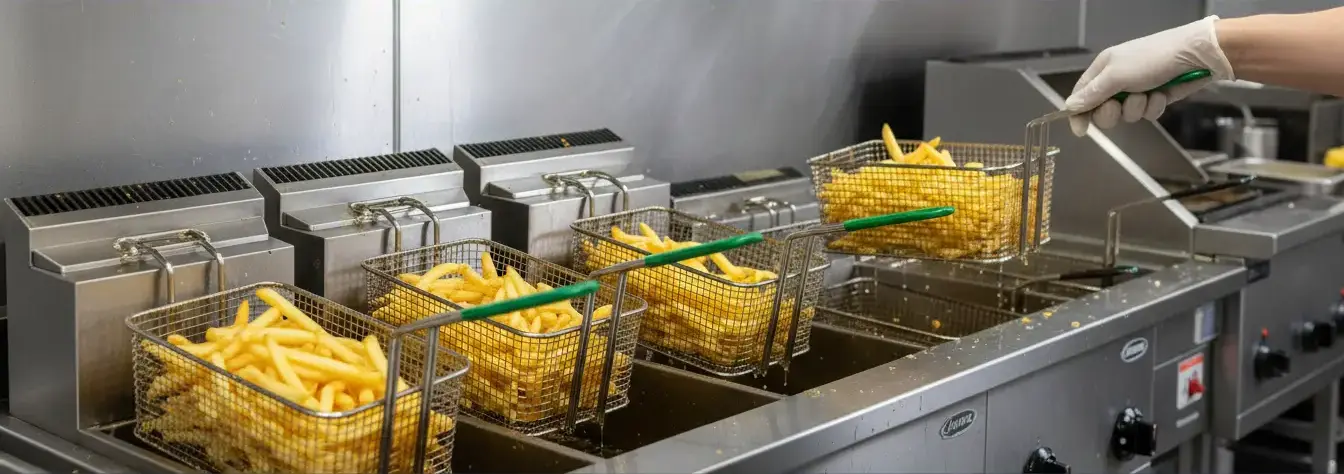
Find the Best Used Cooking Oil Collection Companies for Your Business
No obligation • Fast responses • Nationwide coverage

Why you can trust Restaurant Waste Disposal
Restaurant Waste Disposal is a leading U.S. resource for comparing restaurant composting, food-waste recycling, grease trap cleaning, and used cooking oil collection services. Our editorial team researches providers, checks credentials, and organizes unbiased information so operators can make informed decisions. Companies cannot pay to change ratings or placement.
Search providers near you
Top Used Cooking Oil Collection Companies in Fort Pierce, Florida Ranked
For restaurants, food trucks, and commercial kitchens in Fort Pierce, managing used cooking oil (UCO) is a critical operational task that intersects with legal compliance, environmental responsibility, and even potential revenue. Proper grease trap and fryer oil disposal isn't just about cleanliness; it's a regulated process under Florida law designed to protect public infrastructure and health. By partnering with a licensed collection service, local businesses can transform a waste product into valuable biodiesel, ensure they meet all state and local mandates, and streamline their back-of-house operations. This guide outlines everything you need to know about compliant UCO collection and recycling specific to the Fort Pierce area.
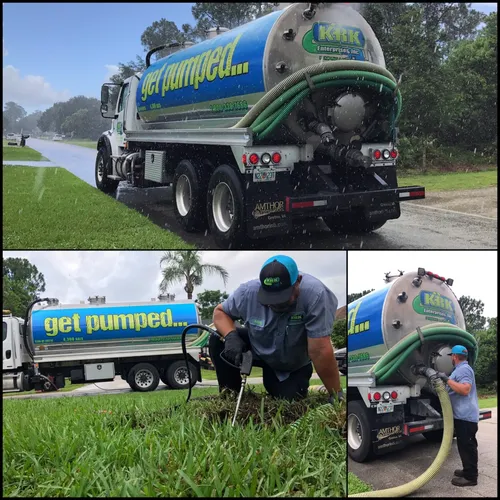
KRK Pumping and Plumbing
3102 Enterprise Rd, Fort Pierce, FL 34982
KRK Pumping and Plumbing provides grease trap repair, clogged drain cleaning, and used cooking oil collection services in Port St Lucie, FL, and throughout Florida. With over 20 years of experience, they offer a wide range of services including grease and oil recycling, backflow certification, hydro-jetting, septic tank maintenance, and video camera inspections. Their use of advanced technology such as vacuum trucks and video inspections helps quickly diagnose and resolve plumbing issues. KRK also offers 24/7 emergency services to address urgent drainage and sewer problems.
KRK Enterprises Inc
Stuart, FL 34994
KRK Enterprises Inc is a service provider based in Port St Lucie, FL, specializing in grease trap repair, clogged drain cleaning, and used cooking oil collection. Serving Fort Pierce, Port St Lucie, and throughout Florida, they offer a wide range of services including grease and oil removal, backflow certification, commercial drain cleaning, drain field maintenance, hydro-jetting, lift station solutions, septic tank services, video camera inspections, and Vactor truck wastewater removal. Established in 1985, KRK Enterprises brings over 20 years of experience and uses advanced technology such as video camera inspections and vacuum trucks to diagnose and resolve plumbing issues efficiently. They provide 24/7 emergency services to address urgent drainage and grease trap problems at any time.
Understanding Florida and Fort Pierce Regulations
Navigating the legal landscape is the first step for any food service business. Florida Statute 403.742 establishes the foundational rules for grease waste management statewide, including in Fort Pierce. This law explicitly bans the illegal practice of "pump and return," where waste grease or graywater is pumped from a trap and returned to it. More broadly, it mandates that all grease and used cooking oil must be handled by a licensed hauler. Perhaps most importantly, restaurants are required to maintain signed service manifests from their hauler for a minimum of one year as proof of compliant disposal.
A cardinal rule, enforced to prevent sewer blockages and environmental harm, is that pouring used fryer oil or grease down any drain is strictly illegal 1. Violations can lead to significant fines and damage to the municipal sewer system. While state law provides the baseline, local municipal codes can be more stringent. It's advisable for Fort Pierce businesses to check with local authorities to ensure they meet any specific city requirements related to grease interceptor maintenance and used oil storage1.
Best Practices for On-Site Storage and Handling
Safe and compliant storage begins the moment the oil leaves the fryer. Always allow used cooking oil to cool completely, ideally below 120°F, before handling or transferring it to prevent serious burns 2.
- Use Proper Containers: Oil should be stored in dedicated, leak-proof containers made of non-reactive materials like stainless steel or heavy-duty plastic. All containers must be clearly labeled (e.g., "USED COOKING OIL") and have tight-sealing lids to prevent spills, odors, and pests3.
- Choose a Secure Location: Designate a storage area that is cool, dark, and well-ventilated, away from direct heat sources or sunlight which can accelerate oil degradation4. For outdoor storage bins, ensure they have secure, locking lids to prevent tampering or theft. The area should also have secondary containment, such as a spill pallet, to manage any accidental leaks.
- Coordinate with Your Hauler: Most professional used cooking oil collection services will provide you with standardized, clean containers or bins as part of their service. They are designed for easy pickup and transport, ensuring a seamless handoff.
The Professional Collection and Recycling Process
Engaging a professional service simplifies compliance and contributes to a circular economy. The process typically follows these steps:
- Service Sign-Up: You contact a licensed used cooking oil collection company that services the Fort Pierce area. Reputable providers will verify their Florida Department of Environmental Protection (DEP) compliance, licensing, and insurance coverage (often requiring at least $1 million in liability insurance) to protect your business5 6.
- Container Delivery & Scheduling: The provider will assess your oil production volume and deliver appropriate collection containers. Together, you'll establish a pickup schedule-whether weekly, bi-weekly, or monthly-that matches your kitchen's output to avoid overflows.
- Scheduled Pickup: On the agreed-upon day, a trained technician will arrive, safely collect the full containers, replace them with clean ones if needed, and provide you with a signed service manifest. Some modern services even offer fill-level monitoring and real-time alerts to optimize pickup timing7.
- Transformation into Biofuel: The collected oil is transported to a processing facility. There, it is filtered to remove food particles and water. The purified oil is then converted through a chemical process called transesterification into biodiesel, a cleaner-burning renewable fuel, or other products like industrial lubricants8 9.
Find the perfect used cooking oil collection companies for your needs
Get personalized recommendations and expert advice
Cost Structure and Benefits for Your Business
The financial model for used cooking oil collection can vary. Some programs may charge a service fee, while others operate on a revenue-sharing or buy-back model where restaurants are paid for their high-quality oil, as it is a feedstock for valuable biodiesel 10. Many providers offer free setup, container delivery, and maintenance as part of their service10 11. When evaluating costs, consider the total value:
- Avoid Fines: Proactive, compliant management helps you avoid costly penalties for illegal disposal or non-compliance with manifest laws.
- Enhance Sustainability: Recycling your UCO directly supports the production of renewable energy, reducing fossil fuel dependence and your operation's carbon footprint. This is a powerful point for sustainability reporting and appealing to eco-conscious customers.
- Improve Safety and Operations: Professional removal eliminates the hazards and mess of in-house oil handling, reduces pest attraction, and keeps your kitchen and storage areas cleaner and safer12 13.
Choosing a Service Provider in Fort Pierce
Selecting the right partner is crucial. Don't hesitate to ask potential providers key questions: Are you licensed with the Florida DEP? Can you provide proof of insurance? What is your service area and reliability record in St. Lucie County? Do you provide all necessary documentation and manifests for my records? A trustworthy company will be transparent about their process, pricing, and environmental partnerships.
By implementing a professional used cooking oil collection system, Fort Pierce restaurants turn a mandatory waste duty into an operational advantage. It ensures regulatory peace of mind, contributes to a greener community, and reflects a modern, responsible business ethos.
Frequently asked questions
Sources
Footnotes
-
Florida Restaurants Now Facing Stronger Regulations For Grease ... - https://www.tampa.gov/news/florida-restaurants-now-facing-stronger-regulations-grease-disposal-102321 ↩ ↩2
-
How to Dispose of Used Cooking Oil in Florida | Guide 2025 - https://greaseconnections.com/used-cooking-oil-disposal-florida/ ↩
-
Grease Pickup Service Near Me | Florida's Guide to Used Oil ... - https://www.greaseprosrecycling.com/grease-pickup-service-near-me/ ↩
-
Used Cooking Oil Disposal: Complete Guide to Grease Pickups - https://greaseconnections.com/used-cooking-oil-disposal-guide-grease-pickups/ ↩
-
Is Cooking Oil Recycling Mandatory? Florida, GA & NJ Rules - https://greaseconnections.com/is-cooking-oil-recycling-mandatory-florida-ga-nj-rules/ ↩
-
Oil Pickup Company Florida: Questions to Ask First - https://www.greaseprosrecycling.com/oil-pickup-company-florida/ ↩
-
Used Cooking Oil Recycling Company & Grease Disposal Services - https://eazygrease.com/ ↩
-
Used Oil Pickup Florida: What Restaurants Should Know - https://www.greaseprosrecycling.com/used-oil-pickup-florida/ ↩
-
What happens with the used oil from restaurants and fast-food ... - https://www.quora.com/What-happens-with-the-used-oil-from-restaurants-and-fast-food-chains-Is-there-any-sort-of-recycling ↩
-
Restaurant Grease Recycling: Save Money & Boost Sustainability - https://www.greaseprosrecycling.com/restaurant-grease-recycling/ ↩ ↩2
-
Used Cooking Oil Pickup Orlando: Grease Pros Recycling - https://www.greaseprosrecycling.com/used-cooking-oil-pickup-orlando/ ↩
-
Restaurant Fryer Oil Disposal Florida: Safe & Compliant Methods - https://www.greaseprosrecycling.com/fryer-oil-disposal-florida/ ↩
-
Used Cooking Oil (UCO) Collection Service For Restaurants - https://thegreasecompany.com/blog/restaurant-used-cooking-oil-collection/ ↩