
Find the Best Used Cooking Oil Collection Companies for Your Business
No obligation • Fast responses • Nationwide coverage

Why you can trust Restaurant Waste Disposal
Restaurant Waste Disposal is a leading U.S. resource for comparing restaurant composting, food-waste recycling, grease trap cleaning, and used cooking oil collection services. Our editorial team researches providers, checks credentials, and organizes unbiased information so operators can make informed decisions. Companies cannot pay to change ratings or placement.
Search providers near you
Top Used Cooking Oil Collection Companies in Davie, Florida Ranked
For restaurant owners and food service operators in Davie, managing used cooking oil (UCO) is a critical operational task that intersects with environmental responsibility, regulatory compliance, and potential cost recovery. Proper grease and oil management is not just about disposal; it's a structured process involving licensed collection, recycling into products like biodiesel, and strict adherence to Florida state regulations. Navigating the requirements for storage, manifests, and choosing a reliable service provider ensures your business runs smoothly while protecting local infrastructure from costly clogs and environmental harm.
Implementing a compliant UCO program involves understanding Florida Department of Environmental Protection (FDEP) rules, establishing safe handling procedures, and partnering with a certified hauler. This guide outlines the essential steps for Davie businesses to manage their grease waste effectively, from the back door to the recycling facility.
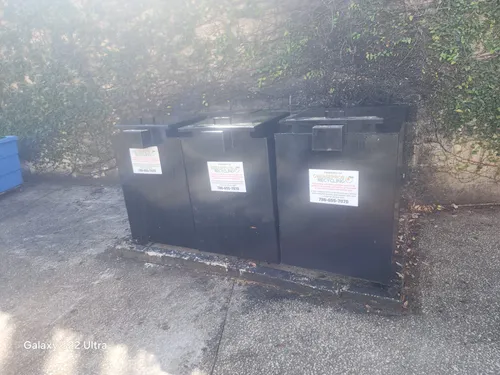
GreasePros Recycling
2321 SW 57th Terrace, West Park, FL 33023
GreasePros Recycling is a used cooking oil collection company based in Miami, FL. With over 20 years of experience, they provide sustainable waste management solutions focused on used cooking oil recycling. The company serves areas including Aventura, Homestead, and Fort Lauderdale, offering both scheduled pickups and emergency oil retrieval services. GreasePros Recycling is committed to environmental stewardship and actively engages with local businesses and communities to promote responsible disposal practices.
Banyan Environmental Group Inc
1550 NW 24th Ave, Pompano Beach, FL 33069
Banyan Environmental Group Inc is a family-owned company based in Fort Lauderdale, FL, offering a range of environmental services across Florida. Their services include storm drain maintenance, grease trap cleaning and repair, septic tank services, used cooking oil recycling, and power washing. They provide 24/7 availability for both routine maintenance and emergency needs, with capabilities such as high-pressure line jetting and bulk pickup of used cooking oil.
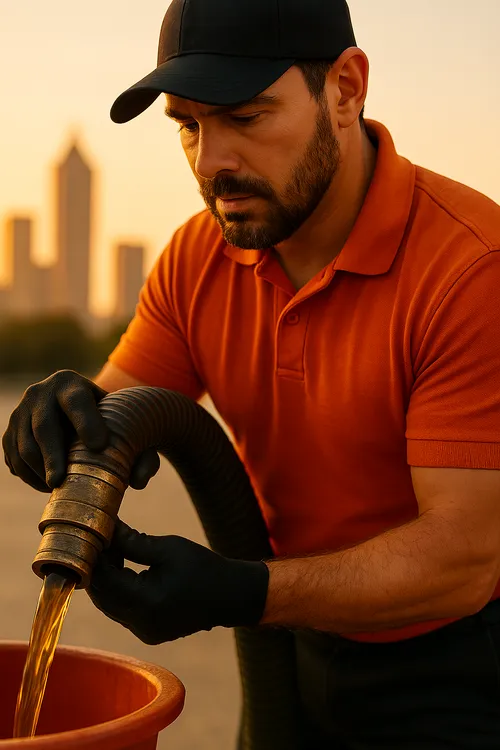
Grease Connections
2217 NW 7th St, Miami, FL 33125
Grease Connections is a used cooking oil collection company based in Miami, FL, serving Florida, Georgia, and New Jersey. They collect used cooking oil from restaurants and industrial facilities and deliver it to U.S. processors who convert it into biodiesel and renewable aviation fuel. The company offers licensed pickups with double-walled vacuum tanks to prevent spills and provides detailed compliance reports for environmental regulations. Their service includes optional RFID-enabled containers for real-time tracking and audit-ready paperwork. Grease Connections operates a fully compliant program that supports sustainability and helps clients avoid fines related to oil disposal.
Mahoney Environmental
3370 NW 37th St, Miami, FL 33142
Mahoney Environmental provides used cooking oil collection, recycling, and grease trap cleaning services for foodservice businesses in Miami, FL. They serve a variety of clients including restaurants, bars, hotels, and universities by offering regular used cooking oil pickups and environmentally friendly recycling processes. Their services also include grease trap installation, cleaning, maintenance, and emergency 24/7 cleanup to help businesses comply with municipal regulations. Mahoney Environmental installs automated cooking oil handling systems to improve safety and efficiency in commercial kitchens. As a licensed EPA recycler, they process collected oil into renewable diesel, sustainable aviation fuel, and other products.
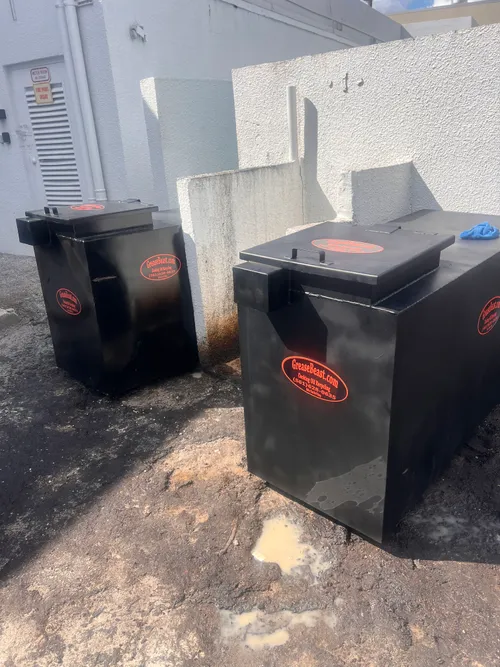
Grease Beast LLC
West Palm Beach, FL
Grease Beast LLC is a used cooking oil collection company based in West Palm Beach, FL. They serve South Florida restaurants, hotels, catering services, and shopping centers by providing free used cooking oil pickup with supplied containers and personalized collection schedules. The company processes the oil by cleaning and testing it before recycling, contributing to local environmental sustainability. With nearly two decades of experience, Grease Beast is committed to supporting the community and promoting eco-friendly waste management.
Florida and Local Regulations for Grease Waste
In Florida, used cooking oil and grease are classified as commercial grease waste, and their management is governed by state law. The FDEP mandates that any business generating this type of waste must use a licensed transporter for its removal. These regulations, found in Chapter 62-705 of the Florida Administrative Code, are designed to prevent fats, oils, and grease (FOG) from entering sewer systems, where they can solidify and cause significant blockages and sanitary sewer overflows.
Key compliance requirements include:
- Licensed Haulers Only: You must contract with an FDEP-permitted used cooking oil collection service. Verifying a hauler's license status is your first step toward compliance.
- Manifest Documentation: Every single pickup must be documented with a service manifest. This legal document details the date, quantity, generator (your restaurant), transporter, and final recycling facility. Both you and the hauler are required to retain these manifests for at least one year for audit purposes 1.
- Grease Trap Maintenance: Separate from liquid oil collection, grease interceptors (traps) must be pumped and cleaned regularly-typically every 60 days or when 25% full-to prevent FOG from entering wastewater2 3.
The Grease Recycling Process: From Fryer to Fuel
When you partner with a professional collection service, your used oil begins a journey that transforms waste into valuable resources. The standard workflow is straightforward but crucial for environmental sustainability.
First, cooled oil is collected from your secure storage containers by the licensed hauler. The oil is then transported to an FDEP-permitted processing facility. There, it undergoes filtration to remove food particles and water. The purified oil is now a feedstock for several industries, most notably biodiesel production. Biodiesel is a cleaner-burning, renewable fuel alternative to petroleum diesel. This circular economy model means the oil from your Davie kitchen can help power vehicles with a lower carbon footprint.
Best Practices for On-Site Storage and Handling
Safe and proper storage at your facility is the foundation of an efficient grease collection program. It ensures employee safety, prevents pests and odors, and facilitates smooth pickups.
- Cool Completely: Always allow oil to cool below 120°F before transferring it to a storage container. This minimizes burn risk and prevents damage to plastic containers.
- Use Approved Containers: Store oil in dedicated, sealable containers provided or approved by your collection company. These are typically durable, lidded barrels or drums.
- Designate a Storage Area: Place containers in a secure, well-ventilated location, such as near a rear delivery door. The area should have secondary containment (like a spill pallet) to catch any accidental leaks and must be clearly marked4.
- Prevent Contamination: Never mix used cooking oil with other liquids, chemicals, or solid waste. Most importantly, never pour grease or oil down sinks, floor drains, or into storm drains.
Find the perfect used cooking oil collection companies for your needs
Get personalized recommendations and expert advice
Understanding Costs and Potential Revenue
The financial model for used cooking oil collection can vary. Many services structure their pricing based on your establishment's volume and frequency of generation.
- Free Pickup Services: It is common for providers to offer free collection for restaurants with lower volumes of oil (often under 100 gallons per month). The recycler's revenue comes from selling the processed feedstock, making this a cost-neutral solution for many smaller eateries5.
- Rebate Programs: For high-volume producers, such as large restaurants or institutional kitchens generating 300+ gallons monthly, rebate programs may be available. These can offer a per-gallon payment back to your business, turning a waste stream into a minor revenue source6.
- Fee-Based Services: In some cases, particularly for very small quantities, specialized equipment needs, or inconsistent pickup schedules, a service fee may apply. Always clarify the pricing structure with your provider before signing a contract.
Choosing a Reliable Collection Partner in Davie
Selecting the right used cooking oil collection company is a strategic decision. Beyond basic pickup, a good partner acts as a compliance advisor. When evaluating providers, ask key questions: Are they fully licensed and permitted by the FDEP? Can they provide consistent, on-schedule service? Do they supply all necessary equipment and documentation, including detailed manifests? A local company familiar with Davie's specific business landscape and regulatory environment, like Grease Pros Recycling, can offer tailored solutions and reliable support7 8 9.
A dependable service ensures you never have to worry about overfull containers, missed pickups, or lapses in your mandatory paperwork. This reliability allows you to focus on your core business operations with peace of mind.
The Environmental and Community Impact
Proper used cooking oil collection has a positive ripple effect far beyond your restaurant's back door. By ensuring your grease is recycled, you directly contribute to reducing greenhouse gas emissions through biodiesel production10. You also play a vital role in protecting Davie's municipal sewer systems, preventing backups that can lead to expensive repairs, service disruptions, and potential environmental contamination of local waterways11. Responsible management is a key part of sustainable business practice for the South Florida community.
Frequently asked questions
Sources
Footnotes
-
Restaurant Grease Recycling Florida: Best Practices & Compliance - https://www.greaseprosrecycling.com/restaurant-grease-recycling-florida/ ↩
-
Used Cooking Oil Disposal: Complete Guide to Grease Pickups - https://greaseconnections.com/used-cooking-oil-disposal-guide-grease-pickups/ ↩
-
Is Cooking Oil Recycling Mandatory? Florida, GA & NJ Rules - https://greaseconnections.com/is-cooking-oil-recycling-mandatory-florida-ga-nj-rules/ ↩
-
Where to Recycle Used Cooking Oil in Florida - Grease Connections - https://greaseconnections.com/where-to-recycle-used-cooking-oil-in-florida/ ↩
-
Used Cooking Oil (UCO) Collection Service For Restaurants - https://thegreasecompany.com/blog/restaurant-used-cooking-oil-collection/ ↩
-
Restaurant Used Cooking Oil: Disposal, Recycling & Revenue Guide - https://greaseconnections.com/restaurant-used-cooking-oil-disposal-recycling-revenue-guide/ ↩
-
Grease Pickup Service Near Me | Florida's Guide to Used Oil ... - https://www.greaseprosrecycling.com/grease-pickup-service-near-me/ ↩
-
Reliable Grease Collection Services in Davie, FL - https://www.greaseprosrecycling.com/grease-collection-services-davie-fl/ ↩
-
Oil Pickup Company Florida: Questions to Ask First Slug - https://www.greaseprosrecycling.com/oil-pickup-company-florida/ ↩
-
How to Implement a Used Cooking Oil Recycling Program - https://www.fcs-inc.org/implement-a-used-cooking-oil-recycling-program/ ↩
-
Grease Waste | Florida Department of Environmental Protection - https://floridadep.gov/waste/permitting-compliance-assistance/content/grease-waste ↩