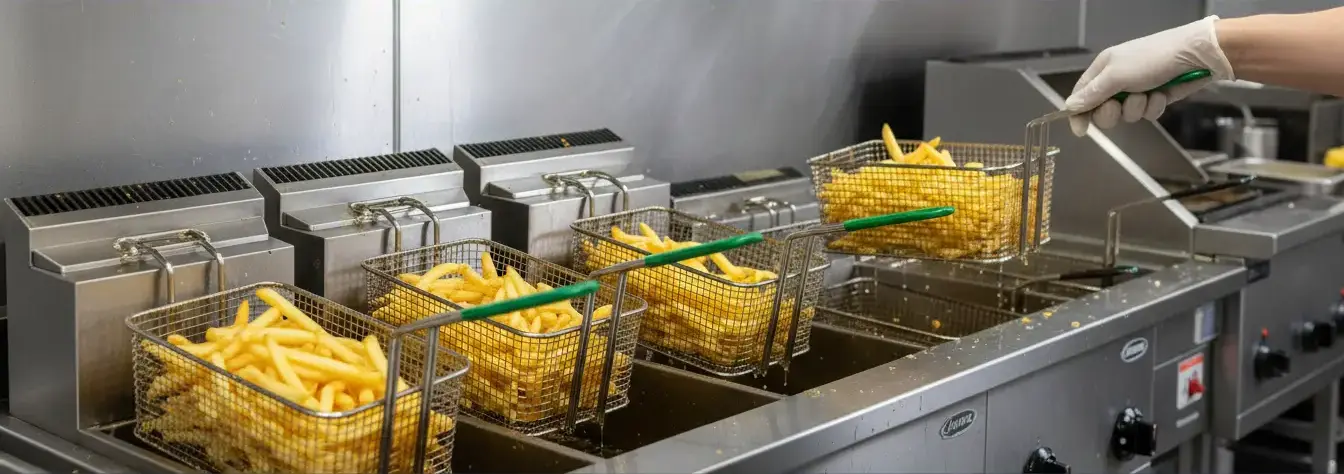
Find the Best Used Cooking Oil Collection Companies for Your Business
No obligation • Fast responses • Nationwide coverage

Why you can trust Restaurant Waste Disposal
Restaurant Waste Disposal is a leading U.S. resource for comparing restaurant composting, food-waste recycling, grease trap cleaning, and used cooking oil collection services. Our editorial team researches providers, checks credentials, and organizes unbiased information so operators can make informed decisions. Companies cannot pay to change ratings or placement.
Search providers near you
Top Used Cooking Oil Collection Companies in Cutler Bay, Florida Ranked
For restaurants and food service establishments in Cutler Bay, managing used cooking oil (UCO) is a critical operational and environmental responsibility. Proper collection and recycling of this waste stream are not only mandated by local and state regulations but also present an opportunity for sustainability and potential cost recovery. Partnering with a licensed hauler ensures your kitchen remains compliant with Miami-Dade County's strict Fats, Oils, and Grease (FOG) codes, prevents costly sewer blockages, and contributes to the circular economy by transforming waste into renewable biodiesel. This guide outlines the essential steps, legal requirements, and benefits of establishing a reliable used cooking oil collection program in Cutler Bay.
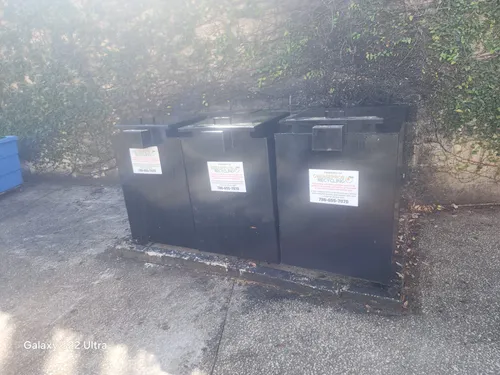
GreasePros Recycling
2321 SW 57th Terrace, West Park, FL 33023
GreasePros Recycling is a used cooking oil collection company based in Miami, FL. With over 20 years of experience, they provide sustainable waste management solutions focused on used cooking oil recycling. The company serves areas including Aventura, Homestead, and Fort Lauderdale, offering both scheduled pickups and emergency oil retrieval services. GreasePros Recycling is committed to environmental stewardship and actively engages with local businesses and communities to promote responsible disposal practices.
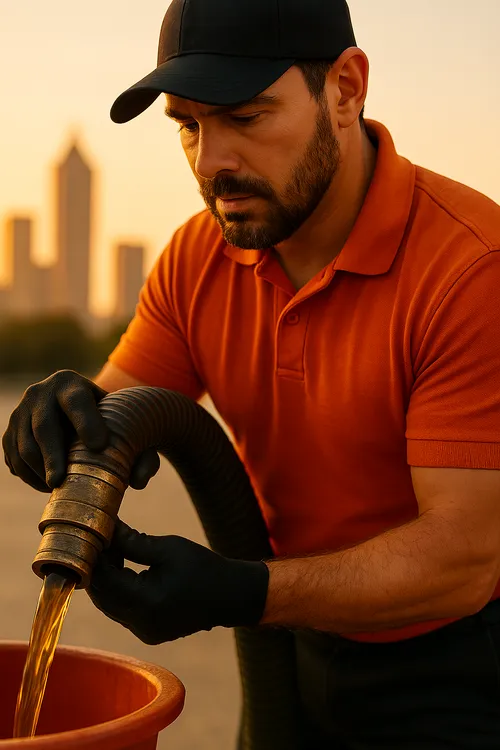
Grease Connections
2217 NW 7th St, Miami, FL 33125
Grease Connections is a used cooking oil collection company based in Miami, FL, serving Florida, Georgia, and New Jersey. They collect used cooking oil from restaurants and industrial facilities and deliver it to U.S. processors who convert it into biodiesel and renewable aviation fuel. The company offers licensed pickups with double-walled vacuum tanks to prevent spills and provides detailed compliance reports for environmental regulations. Their service includes optional RFID-enabled containers for real-time tracking and audit-ready paperwork. Grease Connections operates a fully compliant program that supports sustainability and helps clients avoid fines related to oil disposal.

Mahoney Environmental
3370 NW 37th St, Miami, FL 33142
Mahoney Environmental provides used cooking oil collection, recycling, and grease trap cleaning services for foodservice businesses in Miami, FL. They serve a variety of clients including restaurants, bars, hotels, and universities by offering regular used cooking oil pickups and environmentally friendly recycling processes. Their services also include grease trap installation, cleaning, maintenance, and emergency 24/7 cleanup to help businesses comply with municipal regulations. Mahoney Environmental installs automated cooking oil handling systems to improve safety and efficiency in commercial kitchens. As a licensed EPA recycler, they process collected oil into renewable diesel, sustainable aviation fuel, and other products.
Grease Busters Miami
10700 SW City Center Blvd #5258, Pembroke Pines, FL 33025
Grease Busters Miami is a used cooking oil collection company based in Miami, FL. They specialize in collecting and recycling used cooking oil from various commercial clients in the area. The company focuses on environmentally responsible disposal and efficient service tailored to local businesses.
Understanding Local Regulations for Grease and Oil
Compliance is the foundation of any waste management plan. In Cutler Bay, as part of Miami-Dade County, food service establishments must adhere to specific rules governing grease trap maintenance and used oil collection.
- Mandatory Use of Licensed Haulers: Florida law requires that all used cooking oil and grease trap waste be collected and transported only by state-licensed haulers. Working with an unlicensed provider can result in significant fines and liability.
- Grease Trap Maintenance: Miami-Dade County Code (Section 24-42.6) mandates that gravity grease interceptors be cleaned when the grease accumulation reaches 25% of the trap's volume or at a minimum of every 60 days1 2. It is illegal for a hauler to practice "pump and return," where waste is pumped out and then returned to the interceptor for settling3.
- Manifest Tracking: Haulers are required to provide a detailed service manifest for each pickup. Restaurants must keep these signed manifests on-site for at least one year as proof of proper disposal for health inspectors and regulatory audits.
Adhering to these regulations helps protect the local sewer infrastructure from clogs and overflows, which can lead to environmental damage and substantial municipal fines for your business.
The Step-by-Step Collection Process
Implementing a seamless used cooking oil collection system involves a few key steps, often managed in partnership with your service provider.
- Cool and Transfer: Always allow fryer oil to cool below 120°F before handling to ensure safety. The oil is then carefully drained from fryers into a dedicated storage container4.
- Secure Storage: Your hauler will typically provide a leak-proof, lockable storage tank or container. These can be placed in a secure outdoor location or within a storage room. Locking mechanisms are crucial for preventing theft and unauthorized dumping.
- Scheduled Pickup: Based on your kitchen's volume, your provider will establish a pickup schedule-whether weekly, bi-weekly, or monthly. Many offer automated scheduling or on-call services for flexibility.
- Professional Collection: A technician will arrive, pump the used oil from your container into their specialized truck, and leave you with a clean, empty container ready for the next cycle. They handle all the heavy lifting and potential mess5.
- Documentation: The technician will complete the necessary paperwork, including the waste manifest. Ensure you receive and file your copy for your records, completing the chain of custody.
From Waste to Resource: The Recycling Journey
Once collected, your used cooking oil begins a new life. Reputable haulers transport the oil to processing facilities where it undergoes filtration to remove food particles and water. The purified oil is then converted into valuable products, primarily biodiesel-a cleaner-burning renewable fuel for diesel engines.
This recycling process creates a powerful environmental and economic loop:
- Environmental Protection: Diverting oil from landfills and sewers reduces pollution and strain on wastewater treatment plants6.
- Renewable Energy Production: The biodiesel produced helps offset the use of fossil fuels, lowering overall carbon emissions7 8.
- Kitchen Compliance: A consistent recycling program is a key component of passing routine health and fire safety inspections9.
Find the perfect used cooking oil collection companies for your needs
Get personalized recommendations and expert advice
Financial Considerations: Cost, Revenue, and Value
A well-managed used cooking oil program can positively impact your bottom line. The financial model often depends on your establishment's monthly oil output.
- Free Pickup Services: It is common for providers to offer free collection services to businesses that generate significant volumes of used oil, often starting at around 100 gallons per month10. This eliminates a waste disposal cost.
- Potential for Revenue or Rebates: For larger producers, many collection companies offer revenue-sharing programs. Payments can range from approximately $0.10 to over $0.65 per gallon, depending on market conditions and your consistent volume11 12. This revenue can directly offset other operational costs.
- Overall Value: Even without a direct payment, the value of free, compliant waste removal, reduced risk of sewer fines, and the positive environmental story for your customers contributes significant intangible value to your business.
Choosing a Service Provider in Cutler Bay
Selecting the right partner is crucial. Look for a provider that demonstrates a clear commitment to compliance, reliability, and customer service.
- Verify Licensing: Always ask for proof of their Florida Department of Environmental Protection (FDEP) license to transport grease waste13.
- Review Service Offerings: Ensure they provide appropriate, secure containers and offer a pickup schedule that matches your needs. Ask about their process for manifests and documentation.
- Understand the Agreement: Clarify the terms of service, including any fees, revenue-sharing details, and the protocol for emergency or extra pickups.
- Ask About Sustainability: Inquire where their collected oil is processed and what it is turned into. A transparent provider will be proud to share their recycling partners and environmental impact.
By establishing a professional used cooking oil collection system, Cutler Bay restaurants can turn a mandatory waste duty into a streamlined, compliant, and potentially rewarding part of their daily operations.
Frequently asked questions
Sources
Footnotes
-
Grease Waste | Florida Department of Environmental Protection - https://floridadep.gov/waste/permitting-compliance-assistance/content/grease-waste ↩
-
Is Cooking Oil Recycling Mandatory? Florida, GA & NJ Rules - https://greaseconnections.com/is-cooking-oil-recycling-mandatory-florida-ga-nj-rules/ ↩
-
Florida Restaurants Now Facing Stronger Regulations For Grease ... - https://www.tampa.gov/news/florida-restaurants-now-facing-stronger-regulations-grease-disposal-102321 ↩
-
Used Oil Pickup Florida: What Restaurants Should Know - https://www.greaseprosrecycling.com/used-oil-pickup-florida/ ↩
-
Used Cooking Oil Disposal: Complete Guide to Grease Pickups - https://greaseconnections.com/used-cooking-oil-disposal-guide-grease-pickups/ ↩
-
Restaurant Grease Pick Up & Disposal Services in Miami FL - https://www.mahoneyes.com/fryer-oil-disposal-recycling-miami-fl/ ↩
-
Cooking Oil Recycling in Florida - Eazy Grease - https://eazygrease.com/cooking-oil-recycling-florida/ ↩
-
Restaurant Oil Recycling: Step-By-Step - https://ecooilrecycling.com/restaurant-oil-recycling-step-by-step/ ↩
-
Grease Recycling Program Florida: Stay Kitchen Compliant - https://www.greaseprosrecycling.com/grease-recycling-program-fl/ ↩
-
Grease Pickup Service Near Me | Florida's Guide to Used Oil ... - https://www.greaseprosrecycling.com/grease-pickup-service-near-me/ ↩
-
Used Cooking Oil Recycling & Grease Pickup in Miami-Dade - https://greaseconnections.com/locations/fl/miami-dade/ ↩
-
Restaurant Used Cooking Oil: Disposal, Recycling & Revenue Guide - https://greaseconnections.com/restaurant-used-cooking-oil-disposal-recycling-revenue-guide/ ↩
-
Florida Used Oil Disposal Regulations 2025 Compliance Guide - https://www.greaseprosrecycling.com/florida-used-oil-disposal-regulations/ ↩