Find the Best Used Cooking Oil Collection Companies for Your Business
No obligation • Fast responses • Nationwide coverage

Why you can trust Restaurant Waste Disposal
Restaurant Waste Disposal is a leading U.S. resource for comparing restaurant composting, food-waste recycling, grease trap cleaning, and used cooking oil collection services. Our editorial team researches providers, checks credentials, and organizes unbiased information so operators can make informed decisions. Companies cannot pay to change ratings or placement.
Search providers near you
Top Used Cooking Oil Collection Companies in Clermont, Florida Ranked
For restaurants and food service establishments in Clermont, managing used cooking oil (UCO) is more than just a kitchen chore-it's a regulated component of waste management with significant environmental and financial implications. Proper grease collection and recycling are mandated by Florida state law, requiring businesses to partner with licensed haulers for safe disposal and documented compliance. By implementing a structured oil recycling program, Clermont eateries can transform a waste product into valuable biodiesel, avoid regulatory penalties, and potentially unlock rebates, all while supporting local sustainability efforts. This guide outlines the essential steps, legal requirements, and benefits of establishing a reliable used cooking oil collection system for your operation.
Understanding Florida and Clermont Regulations for Grease Waste
Navigating the legal landscape is the first critical step for any restaurant. In Florida, the disposal of grease and used cooking oil is strictly regulated by the Florida Department of Environmental Protection (FDEP). State law, including statutes like Senate Bill 1110, explicitly prohibits the improper disposal of grease waste into landfills, storm drains, or sewage systems. Instead, businesses must contract with a state-licensed grease hauler to transport the waste to an approved recycling or processing facility.
Key compliance requirements include:
- Licensed Haulers: You must use a FDEP-permitted transporter for all grease and used cooking oil removal.
- Service Manifests: Each collection must be documented with a manifest from your hauler. Florida law requires you to keep these manifests onsite for at least one year as proof of proper disposal 1.
- Proper Storage: Oil must be stored in dedicated, secure containers to prevent leaks, spills, and contamination.
- Grease Trap Maintenance: Separate from UCO collection, your facility's grease interceptor traps also require regular servicing. Local codes, similar to those in Miami-Dade County, often mandate cleaning at least every 60 days or when the trap is 25% full2 3. While Clermont's specific municipal waste page focuses on residential services4, commercial establishments are bound by these overarching state and county health regulations.
Failure to comply can result in significant fines and environmental violations. Partnering with a reputable collection service is the simplest way to ensure your restaurant meets all these obligations seamlessly.
The Step-by-Step Process for Restaurant Oil Recycling
Establishing a used cooking oil pickup service is a straightforward process designed for convenience. Here's how it typically works from setup to recycling:
1. Provider Setup and Tank Installation The process begins when you contact a licensed collection company. They will assess your kitchen's volume output and space constraints to recommend an appropriate storage solution. Providers typically supply and install secure collection bins or tanks at your facility free of charge. These containers range from 40 to over 300 gallons and can be placed indoors or in a secure outdoor location that is easily accessible for pickup trucks.
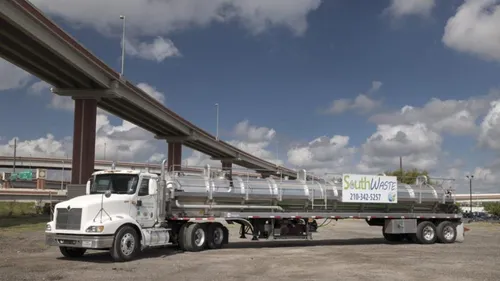
2. Safe Storage and Collection Once your storage bin is in place, kitchen staff can safely dispose of cooled, used oil into it. It's crucial to keep the bin's lid closed and the area clean to prevent pests and odors. Your service provider will establish a pickup schedule-whether weekly, bi-weekly, or monthly-based on your production volume5. Trained technicians will then collect the oil, often during off-hours to minimize disruption to your business, using specialized vacuum trucks that safely transfer the oil for transport.
3. Recycling and Transformation The collected oil is not dumped; it begins a new life. The hauler transports it to a processing facility where it is filtered and purified. The primary end product is biodiesel, a renewable, cleaner-burning fuel. It can also be refined into ingredients for animal feed, cosmetics, and industrial lubricants. This closed-loop process ensures the oil is diverted from landfills and contributes to a circular economy.
Financial and Environmental Benefits for Your Business
Implementing a professional used cooking oil collection program offers tangible advantages beyond mere compliance.
Potential Cost Savings and Revenue Many collection services structure their pricing to benefit high-volume producers. It is common for providers to offer free pickup and bin rental if your restaurant generates a sufficient minimum volume per collection (often around 40 gallons) 6. For larger quantities, some companies offer rebate programs or cash-back incentives based on the market value of the recycled oil7 8. While fees may apply for smaller volumes or specific service tiers, the overall model is designed to be cost-neutral or potentially revenue-generating for the restaurant, turning a waste expense into an asset.
Significant Environmental Impact The environmental benefits are clear and align with the values of many Clermont residents and visitors. Recycling used cooking oil into biodiesel reduces reliance on fossil fuels and lowers greenhouse gas emissions9. It also prevents grease from clogging municipal sewer lines, which can cause costly backups and environmental contamination. By choosing recycling, your restaurant actively reduces its carbon footprint and supports statewide sustainability goals.
Operational Simplicity and Safety A managed service simplifies back-of-house operations. It provides a safe, designated method for disposing of hot oil, reducing the risk of employee burns, slips, and improper disposal. It also eliminates the mess and hazard of storing waste oil in makeshift containers. With regular, reliable pickups, you ensure your kitchen remains clean, compliant, and efficient.
Find the perfect used cooking oil collection companies for your needs
Get personalized recommendations and expert advice
Choosing a Used Cooking Oil Collector in Clermont
Selecting the right service partner is essential for reliable compliance and service. Look for providers that are fully licensed and permitted by the FDEP to transport grease waste in Florida10 11. Experience serving the Central Florida and Clermont restaurant community is a major plus, as local providers understand regional regulations and logistics. Evaluate their service offerings: do they provide free, sturdy containers? Is their scheduling flexible? Can they provide clear documentation and manifests for your records? Transparency in pricing and any potential rebate structure is also key. Reputable local and national companies like Greasepros Recycling, Eazy Grease, and The Grease Company operate in the Florida market, offering the necessary services to Clermont businesses12 13 14.
Best Practices for On-Site Grease Management
To maximize the efficiency and safety of your oil recycling program, follow these operational best practices:
- Cool Before Disposal: Always allow oil to cool completely before transferring it to the storage bin to prevent burns and container damage.
- Avoid Contamination: Do not mix used cooking oil with water, food solids, or other liquids. Contaminated oil is harder and less valuable to recycle.
- Secure the Bin: Keep the collection bin locked and in a secure area to prevent unauthorized dumping or theft, which is a growing concern for valuable UCO.
- Maintain Records: File every service manifest promptly and keep them organized for the required one-year period. This is your first line of defense during a compliance inspection.
- Communicate with Staff: Train all kitchen employees on the proper oil disposal procedure to ensure consistency and safety.
By integrating these practices, you protect your business, empower your staff, and ensure the quality of the oil you contribute to the recycling stream.
Frequently asked questions
Sources
Footnotes
-
The 2025 Florida Statutes - Online Sunshine - https://www.leg.state.fl.us/Statutes/index.cfm?App_mode=Display_Statute&Search_String=&URL=0400-0499/0403/Sections/0403.0741.html ↩
-
Used Cooking Oil Disposal: Complete Guide to Grease Pickups - https://greaseconnections.com/used-cooking-oil-disposal-guide-grease-pickups/ ↩
-
Is Cooking Oil Recycling Mandatory? Florida, GA & NJ Rules - https://greaseconnections.com/is-cooking-oil-recycling-mandatory-florida-ga-nj-rules/ ↩
-
Garbage and Recycling | Clermont, FL - https://www.clermontfl.gov/268/Garbage-and-Recycling ↩
-
Grease Collection Service: What is it - https://www.grandnaturalinc.com/blog/what-is-grease-collection-service.html ↩
-
Restaurant Used Cooking Oil: Disposal, Recycling & Revenue Guide - https://greaseconnections.com/restaurant-used-cooking-oil-disposal-recycling-revenue-guide/ ↩
-
Used Oil Pickup Florida: What Restaurants Should Know - https://www.greaseprosrecycling.com/used-oil-pickup-florida/ ↩
-
Restaurant Oil Recycling: Step-By-Step - https://ecooilrecycling.com/restaurant-oil-recycling-step-by-step/ ↩
-
How to Dispose of Used Cooking Oil in Florida | Guide 2025 - https://greaseconnections.com/used-cooking-oil-disposal-florida/ ↩
-
Grease Waste | Florida Department of Environmental Protection - https://floridadep.gov/waste/permitting-compliance-assistance/content/grease-waste ↩
-
Restaurant Grease Recycling Florida: Best Practices ... - https://www.greaseprosrecycling.com/restaurant-grease-recycling-florida/ ↩
-
Grease Pickup Service Near Me | Florida's Guide to Used Oil ... - https://www.greaseprosrecycling.com/grease-pickup-service-near-me/ ↩
-
Cooking Oil Recycling in Florida - Eazy Grease - https://eazygrease.com/cooking-oil-recycling-florida/ ↩
-
Used Cooking Oil (UCO) Collection Service For Restaurants - https://thegreasecompany.com/blog/restaurant-used-cooking-oil-collection/ ↩