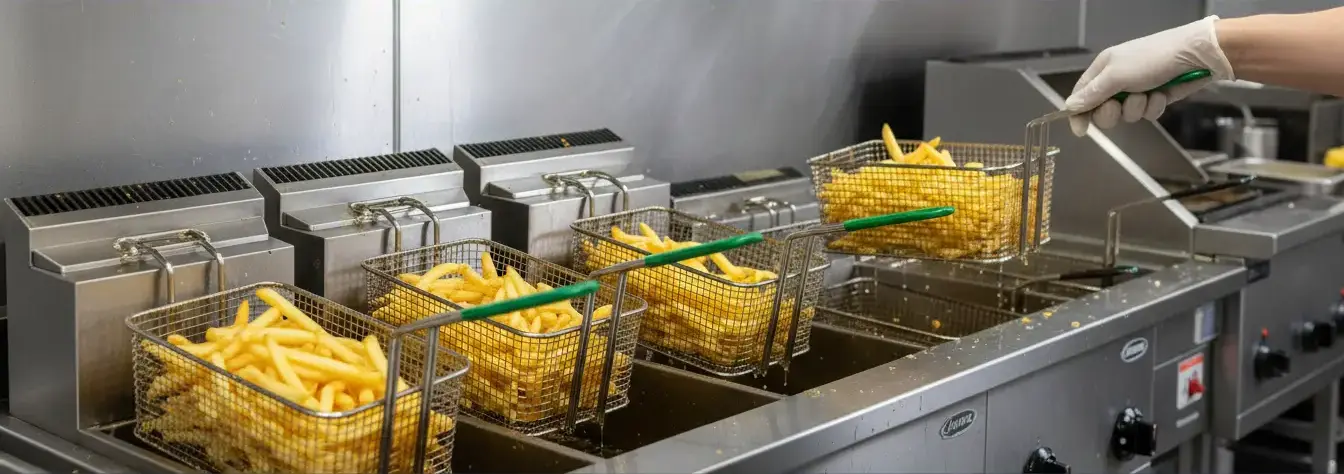
Find the Best Used Cooking Oil Collection Companies for Your Business
No obligation • Fast responses • Nationwide coverage

Why you can trust Restaurant Waste Disposal
Restaurant Waste Disposal is a leading U.S. resource for comparing restaurant composting, food-waste recycling, grease trap cleaning, and used cooking oil collection services. Our editorial team researches providers, checks credentials, and organizes unbiased information so operators can make informed decisions. Companies cannot pay to change ratings or placement.
Search providers near you
Top Used Cooking Oil Collection Companies in Bonita Springs, Florida Ranked
For restaurants in Bonita Springs, managing used cooking oil (UCO) and fats, oils, and grease (FOG) is a critical operational task governed by a combination of state and local environmental regulations. Proper grease trap servicing and oil recycling are not just about cleanliness; they are legal requirements designed to protect the local sewer infrastructure and the delicate Southwest Florida ecosystem. By partnering with a licensed hauler for reliable grease collection, food service establishments can ensure compliance, enhance safety, and contribute to a circular economy where waste is transformed into valuable resources like biodiesel fuel.
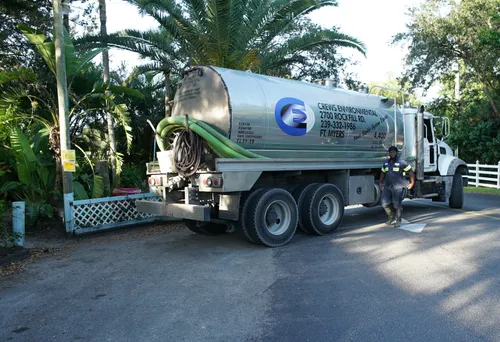
Understanding Local and State Regulations
Navigating the regulatory landscape is the first step for any restaurant managing its kitchen waste. In Bonita Springs, which is part of Lee County, operators must comply with both Florida Department of Environmental Protection (DEP) rules and county-specific programs.
Florida DEP Mandates: The state requires that all FOG waste be handled by licensed haulers and taken to permitted recycling or disposal facilities. A cornerstone of this system is the manifest document, which details the quantity collected, the hauler's information, and the final destination of the oil. Restaurants are legally obligated to keep a copy of this manifest on file for at least one year. This "cradle-to-grave" tracking ensures accountability throughout the recycling chain.
Lee County's FOG Program: Local rules reinforce these state mandates. Lee County's Fats, Oils, and Grease (F.O.G.) program is specifically designed to prevent sewer blockages and overflows, which can lead to costly repairs and environmental damage. The program mandates that food service establishments use approved haulers not only for used cooking oil pickup but also for regular grease interceptor cleaning. Disposing of FOG down drains, into storm sewers, or engaging in illegal practices like "pump and return" (returning waste to the interceptor) can result in significant penalties 1.
Best Practices for On-Site Storage and Handling
Safe and compliant storage is essential before a hauler arrives for collection. Proper handling protects your staff, your property, and the environment.
- Use Approved Containers: Licensed haulers typically provide dedicated, leak-proof, and clearly labeled containers or wheeled bins for storing used fryer oil2 3. These should be placed in a designated, well-ventilated area away from heat sources and building entrances.
- Cool Before Transfer: Always allow cooking oil to cool below 120°F before filtering or transferring it to storage containers. This simple step prevents serious burns and avoids damaging plastic storage bins4.
- Secure the Area: Keep the storage area tidy and the containers sealed to prevent spills, odors, and access by pests or unauthorized individuals.
The Collection and Recycling Process
A professional used cooking oil collection service streamlines what can be a messy and complex process into a simple, scheduled event.
- Scheduled Pickup: Your provider will establish a regular collection schedule based on your oil volume, ensuring bins are never overfull.
- Documentation at Pickup: Upon collection, the driver will typically scan or fill out the required manifest, providing you with a copy for your records. This step is your proof of compliant disposal.
- Transport to Processing: The collected oil is transported in specialized trucks to a state-permitted facility5.
- Transformation into Biofuel: At the facility, the used vegetable oil is filtered and processed. The primary end product is biodiesel, a renewable, cleaner-burning fuel that powers vehicles and equipment 6. This process completes the circular economy, turning a waste product into a valuable energy resource.
Find the perfect used cooking oil collection companies for your needs
Get personalized recommendations and expert advice
Evaluating Service Providers and Cost Structures
Choosing the right partner for your grease trap cleaning and oil recycling needs is crucial. Look for a provider with a strong local reputation, clear evidence of state licensing, and a commitment to environmental compliance.
Understanding Costs and Rebates: The cost structure for used cooking oil collection in Bonita Springs can vary. Many services offer free pickup for establishments generating consistent volumes of oil, as the recycler profits from converting the material into biodiesel7. For larger volumes or higher-quality oil, some providers may even offer a rebate program, paying a small fee per gallon back to the restaurant7. Alternatively, some fee-for-service models may apply, particularly if oil volume is low or contaminated. It's important to discuss all potential fees and rebates upfront with your service provider.
Key Provider Attributes: A reputable hauler will not only handle the physical collection but will also be a resource for compliance, helping you understand manifest requirements and storage best practices8. They should provide reliable, on-time service with clean and professional equipment.
Environmental and Community Impact
Proper used cooking oil disposal has a direct positive impact on the Bonita Springs community and beyond. When FOG is poured down drains, it cools, hardens, and causes major blockages in both private plumbing and public sewer lines9. These blockages can lead to sanitary sewer overflows (SSOs), which are costly for municipal utilities and can contaminate local waterways, including the Imperial River and estuaries leading to the Gulf of Mexico.
By ensuring your oil is collected and recycled, you are directly preventing this pollution. Furthermore, the conversion to biodiesel reduces reliance on fossil fuels, lowers greenhouse gas emissions, and supports the growing green energy sector10. It's a responsible choice that aligns with the environmental values important to many Southwest Florida residents and visitors.
Maintaining Compliance and Avoiding Pitfalls
Staying compliant is an ongoing responsibility. Beyond selecting a licensed hauler, restaurant managers should:
- Maintain Impeccable Records: Keep all grease interceptor cleaning logs and oil collection manifests organized and easily accessible for at least one year for potential inspections11 12.
- Train Your Staff: Ensure all kitchen employees understand the importance of not pouring grease down sinks and are trained on safe, cool-oil handling procedures for transferring oil to storage bins.
- Communicate with Your Hauler: Report any issues like missed pickups, leaking containers, or changes in your oil production volume promptly. A good service partner will work with you to adjust schedules and solve problems.
- Stay Informed: Regulations can be updated. Your hauler or local utility (Lee County Utilities) can be a resource for any changes to the F.O.G. program or state rules.
Implementing a robust used cooking oil management program is a smart business practice. It mitigates regulatory risk, reduces potential plumbing emergencies, and demonstrates a commitment to sustainable operations. For Bonita Springs restaurants, it's an essential part of doing business in an environmentally sensitive region.
Frequently asked questions
Sources
Footnotes
-
Florida Restaurants Now Facing Stronger Regulations For Grease ... - https://www.tampa.gov/news/florida-restaurants-now-facing-stronger-regulations-grease-disposal-102321 ↩
-
Used Cooking Oil Recycling in Florida, New Jersey & Georgia - https://greaseconnections.com/ ↩
-
Used Cooking Oil Disposal: Complete Guide to Grease Pickups - https://greaseconnections.com/used-cooking-oil-disposal-guide-grease-pickups/ ↩
-
Restaurant Fryer Oil Disposal Florida: Safe & Compliant Methods - https://www.greaseprosrecycling.com/fryer-oil-disposal-florida/ ↩
-
Grease Waste | Florida Department of Environmental Protection - https://floridadep.gov/waste/permitting-compliance-assistance/content/grease-waste ↩
-
Used Oil Disposal for Florida Restaurants: Best Practices - https://www.greaseprosrecycling.com/used-oil-disposal/ ↩
-
Restaurant Used Cooking Oil: Disposal, Recycling & Revenue Guide - https://greaseconnections.com/restaurant-used-cooking-oil-disposal-recycling-revenue-guide/ ↩ ↩2
-
Restaurant Grease Recycling Florida: Best Practices & Compliance - https://www.greaseprosrecycling.com/restaurant-grease-recycling-florida/ ↩
-
F.O.G. Program (Fats, Oils, Grease) - Lee County Southwest Florida - https://www.leegov.com/utilities/customer-resource-center/fog-program ↩
-
How to Implement a Used Cooking Oil Recycling Program - https://www.fcs-inc.org/implement-a-used-cooking-oil-recycling-program/ ↩
-
Grease Pickup Service Near Me | Florida's Guide to Used Oil ... - https://www.greaseprosrecycling.com/grease-pickup-service-near-me/ ↩
-
Florida Used Oil Disposal Regulations 2025 Compliance Guide - https://www.greaseprosrecycling.com/florida-used-oil-disposal-regulations/ ↩