Find the Best Used Cooking Oil Collection Companies for Your Business
No obligation • Fast responses • Nationwide coverage

Why you can trust Restaurant Waste Disposal
Restaurant Waste Disposal is a leading U.S. resource for comparing restaurant composting, food-waste recycling, grease trap cleaning, and used cooking oil collection services. Our editorial team researches providers, checks credentials, and organizes unbiased information so operators can make informed decisions. Companies cannot pay to change ratings or placement.
Search providers near you
Top Used Cooking Oil Collection Companies in Apopka, Florida Ranked
For restaurants and food service establishments in Apopka, managing used cooking oil is a critical operational and environmental responsibility. Proper grease and oil collection is not just about cleanliness; it's a mandatory component of the city's Fats, Oils, and Grease (FOG) management program, designed to protect the local sewer infrastructure. By partnering with a licensed hauler for professional used cooking oil pickup, Apopka businesses can ensure regulatory compliance, contribute to the circular economy by recycling oil into biodiesel, and potentially turn a waste product into a source of revenue.
Understanding Apopka's Oil & Grease Management Program
The City of Apopka enforces a Non-Residential Grease Management Program that all food service businesses must follow 1. This program is designed to prevent FOG from entering and clogging the public sewer system, which can lead to costly backups and environmental damage. Compliance involves several key steps, and failure to adhere can result in significant fines.
Key program requirements include:
- Mandatory Participation: All non-residential users, including restaurants, cafeterias, and bakeries, are required to participate in the program.
- Regular Grease Trap Maintenance: Grease interceptors or traps must be pumped and cleaned by a licensed professional at least every 90 days, and proper documentation (manifests) must be kept on file.
- Prohibition on Drain Disposal: It is illegal to pour used cooking oil, grease, or food scraps down sinks, floor drains, or outdoor storm sewers. The use of sink strainers is a fundamental best practice.
- Use of Licensed Haulers: Used cooking oil and grease trap waste may only be transported by state-licensed haulers who provide a manifest tracking the waste from your facility to its final recycling or disposal destination.
Best Practices for On-Site Oil Management
Before a collection service arrives, proper handling and storage at your facility are essential for safety, efficiency, and compliance.
Safe Cooling and Handling Always allow used cooking oil to cool completely before transferring it-ideally below 120°F to prevent burns and damage to storage containers. Establish a dedicated, safe area for oil to cool before staff members handle it for disposal.
Secure Storage Solutions Store cooled oil in dedicated, sealable containers provided by your collection service. These containers should be kept in a designated area, which can be indoors or outdoors. If stored outside, containers must have secure, locking lids to prevent spills, contamination, and access by pests or unauthorized persons 2.
Scheduling Consistent Pickups Work with your provider to establish a regular pickup schedule that matches your oil production volume. For most busy restaurants, this typically means service every 2 to 4 weeks 3. Consistent pickups prevent overflows, reduce odors, and ensure you always have empty containers ready for use.
The Grease Recycling Journey: From Fryer to Fuel
Professional used cooking oil collection is the first step in a valuable recycling pipeline. Here's what typically happens after a hauler picks up your oil:
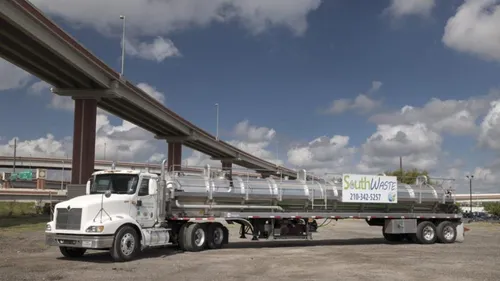
- Collection: A licensed hauler pumps the used oil from your secure storage container into their specialized truck.
- Transportation & Documentation: The hauler transports the oil to a permitted recycling facility, providing you with a manifest for your records as required by law 4.
- Recycling & Repurposing: At the facility, the oil is cleaned and processed. The primary end product is biodiesel, a renewable, cleaner-burning fuel. It can also be refined into ingredients for animal feed, industrial lubricants, and other bio-based products.
This process transforms a potential waste problem into a resource, supporting Florida's sustainability goals and reducing reliance on fossil fuels.
Find the perfect used cooking oil collection companies for your needs
Get personalized recommendations and expert advice
Cost Structure and Potential Revenue
A common question from restaurant owners is about the cost of used cooking oil collection. The model in Apopka and surrounding Orange County is often favorable to businesses, with many services offering low-cost or even revenue-generating options.
Free Pickup and Payment Programs Many established collection services offer free pickup and may even pay restaurants for their used oil. Payments are typically based on volume, with rates fluctuating with market prices for recycled oil and biodiesel. Some providers report paying between $0.10 to $0.50 per gallon, which can translate to an extra $60 to $120 or more per month for an average restaurant 5 6 7.
Volume-Based Models Your potential earnings or costs are directly tied to how much oil you generate:
- High-Volume Producers: Restaurants producing over 500 gallons per month may qualify for higher per-gallon rates or more favorable contract terms.
- Lower-Volume Establishments: Businesses generating under 100 gallons per month often benefit from free collection and container service, though they may not receive a payment. The primary value is compliant, hassle-free waste removal.
Service Inclusions Reputable providers usually include the loan of storage containers and equipment at no upfront charge. They handle all logistics, documentation, and ensure the oil is recycled in accordance with Florida Department of Environmental Protection (FDEP) regulations.
Choosing a Service Provider in Apopka
Selecting the right partner for your grease trap and used oil needs is crucial. Look for a provider that demonstrates full compliance and reliability.
Verifying Licenses and Insurance Always confirm that a hauler is licensed by the State of Florida to transport grease and used cooking oil 8. They should also carry adequate insurance to protect your business in the rare event of a spill or accident on your property.
Evaluating Service Reliability Research the company's reputation for punctuality and customer service. Consistent, on-time pickups are vital to avoid operational disruptions. Ask for references from other local restaurants.
Understanding the Contract Review the service agreement carefully. It should clearly outline pickup frequency, payment terms (if any), who supplies and maintains containers, the process for handling manifests, and the protocol for emergency service calls.
Maintaining Compliance and Avoiding Fines
Staying on the right side of Apopka's regulations requires ongoing diligence. Keep detailed records of every grease trap pumping and used oil pickup. The manifest documents provided by your hauler are your legal proof of proper disposal and must be retained for inspection 9 10. Train all kitchen staff on proper oil cooling and disposal procedures to prevent accidental drain contamination. Schedule regular inspections of your grease trap and storage area to identify potential issues before they become violations.
The Environmental and Community Impact
By responsibly recycling your used cooking oil, your restaurant contributes positively beyond mere compliance. The production of biodiesel from used oil significantly reduces greenhouse gas emissions compared to petroleum diesel 11. Furthermore, by preventing FOG from entering sewers, you help protect local waterways like the Wekiva River Basin and reduce the risk of sanitary sewer overflows in the community, which protects public health and avoids costly public works repairs.
Frequently asked questions
Sources
Footnotes
-
Non-Residential Grease Management | Apopka, FL - https://www.apopka.gov/714/Non-Residential-Grease-Management ↩
-
Restaurant Grease Recycling Florida: Best Practices ... - https://www.greaseprosrecycling.com/restaurant-grease-recycling-florida/ ↩
-
Used Cooking Oil Disposal: Complete Guide to Grease Pickups - https://greaseconnections.com/used-cooking-oil-disposal-guide-grease-pickups/ ↩
-
Grease Waste | Florida Department of Environmental Protection - https://floridadep.gov/waste/permitting-compliance-assistance/content/grease-waste ↩
-
Used Cooking Oil Collection | Orange County | Free Pickups - https://greaseconnections.com/locations/fl/orange/ ↩
-
Used Cooking Oil Pickup Orlando: Grease Pros Recycling - https://www.greaseprosrecycling.com/used-cooking-oil-pickup-orlando/ ↩
-
Restaurant Used Cooking Oil: Disposal, Recycling & Revenue Guide - https://greaseconnections.com/restaurant-used-cooking-oil-disposal-recycling-revenue-guide/ ↩
-
Florida Used Oil Disposal Regulations 2025 Compliance Guide - https://www.greaseprosrecycling.com/florida-used-oil-disposal-regulations/ ↩
-
Grease Best Management Practices - Apopka, FL - https://www.apopka.gov/719/Grease-Best-Management-Practices ↩
-
How to Dispose of Used Cooking Oil in Florida | Guide 2025 - https://greaseconnections.com/used-cooking-oil-disposal-florida/ ↩
-
Used Cooking Oil (UCO) Collection Service For Restaurants - https://thegreasecompany.com/blog/restaurant-used-cooking-oil-collection/ ↩