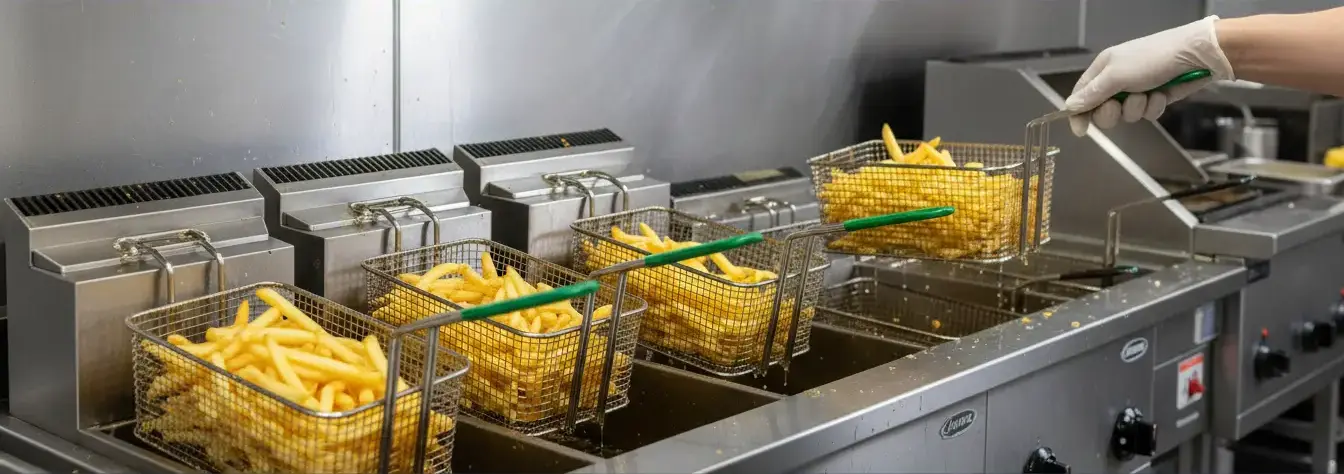
Find the Best Used Cooking Oil Collection Companies for Your Business
No obligation • Fast responses • Nationwide coverage

Why you can trust Restaurant Waste Disposal
Restaurant Waste Disposal is a leading U.S. resource for comparing restaurant composting, food-waste recycling, grease trap cleaning, and used cooking oil collection services. Our editorial team researches providers, checks credentials, and organizes unbiased information so operators can make informed decisions. Companies cannot pay to change ratings or placement.
Search providers near you
Top Used Cooking Oil Collection Companies in Altamonte Springs, Florida Ranked
For restaurants and food service businesses in Altamonte Springs, managing used cooking oil (UCO) is more than just a kitchen chore-it's a regulated environmental responsibility with potential financial benefits. Proper grease collection and recycling are mandated by Florida state law, requiring businesses to partner with licensed haulers for safe disposal and transformation into biodiesel. This process not only ensures compliance with strict Department of Environmental Protection (DEP) rules but can also turn a waste product into a source of revenue. Navigating the local requirements for secure storage, manifest tracking, and certified recycling is essential for any commercial kitchen's operational and environmental strategy.
Understanding Florida's Used Cooking Oil Regulations
Compliance begins with understanding the legal framework. Florida has clear statutes (FS 403.742 and 403.751) that govern grease waste, making proper UCO recycling mandatory for food service establishments. The core principle is a complete ban on improper disposal. Pouring used fryer oil down drains, into storm sewers, or mixing it with regular solid waste for landfill disposal is illegal 1. These actions can lead to severe sewer blockages, environmental contamination, and significant fines for your business.
The state mandates that all used cooking oil must be collected and transported by a licensed hauler to a permitted recycling or processing facility. A critical component of this system is the manifest. Each time your oil is collected, you should receive a signed service manifest from the hauler. Florida law requires restaurants to keep these manifests on file for at least one year as verifiable proof of compliant disposal. This paperwork trail is your first line of defense during a regulatory inspection, demonstrating that your kitchen's grease is being handled responsibly and recycled into products like biodiesel.
Best Practices for On-Site Oil Storage and Handling
Before oil is ever picked up, proper on-site management is crucial for safety, efficiency, and compliance. The first step is allowing the oil to cool sufficiently after use. Hot oil is a burn hazard and can damage collection containers; it should cool below 120°F before being transferred.
Storage is the next critical link. Used oil must be kept in dedicated, leak-proof containers. Most professional collection services provide these containers-typically sturdy drums or larger outdoor collection tanks-at no cost as part of their service. These containers should be placed in a designated, secure area, away from food preparation zones and protected from the elements. A cool, covered location helps maintain oil quality and prevents rainwater from contaminating the oil or causing overflow 2 3. Establishing a consistent internal process for transferring cooled oil from fryers to these storage containers minimizes spills and keeps your kitchen clean and safe.
Finally, your storage setup should align with your pickup schedule. Collection frequency-whether weekly, bi-weekly, or monthly-should be based on your kitchen's volume of oil production to prevent overfilling and potential spills. A reliable provider will work with you to determine the optimal schedule and container size for your operation.
The Grease Collection and Recycling Process Explained
Partnering with a professional service streamlines the entire lifecycle of your used cooking oil. The process typically follows a clear, efficient path from your kitchen to becoming renewable fuel.
- Service Setup: A licensed provider will assess your needs and install appropriate collection equipment on your property. This often includes providing and maintaining the storage tank or bins at no upfront cost to your business 4 5.
- Scheduled Collection: On a pre-arranged schedule, a trained hauler will visit your location to pump or collect the accumulated oil. Many services use automated systems for quick and clean pickups 6.
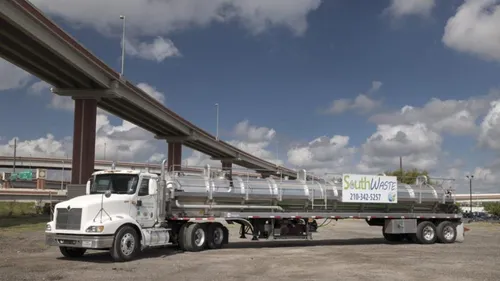
- Transportation & Processing: The collected oil is transported in specialized trucks to a permitted recycling facility. There, it undergoes filtering to remove food particles and water before being processed into raw material for biodiesel production.
- Compliance Completion: The hauler provides you with a service manifest for each pickup. This document completes the chain of custody, offering you the necessary record to prove compliant, environmentally sound recycling 7 8.
Find the perfect used cooking oil collection companies for your needs
Get personalized recommendations and expert advice
Financial Considerations: Cost vs. Potential Revenue
A common misconception is that used cooking oil disposal is a pure cost center. In reality, the financial model for UCO collection in Altamonte Springs often balances service costs with the inherent value of the oil as a commodity.
Many reputable collection companies offer free basic services. This typically includes the provision, installation, and maintenance of the collection tank, as well as the scheduled pickups themselves. The service provider's revenue comes from selling the collected oil to biodiesel refiners.
For restaurants that generate large volumes of high-quality, uncontaminated oil, this can translate into direct potential revenue. Some providers offer rebate programs or direct payments based on the quantity and quality of oil collected 9. While payments can vary based on market prices and volume, they can sometimes offset or even exceed disposal costs, with some estimates for consistent producers ranging from $60 to $120 or more per month 10 9. It's important to discuss the specific financial terms-whether it's a free service, a fee-for-service, or a revenue-sharing model-with any provider you consider.
Getting Started with a Provider in Altamonte Springs
To initiate service and ensure compliance, your next step is to connect with a licensed used cooking oil recycler that operates in the Seminole County area. When contacting providers, be prepared to discuss your average weekly oil volume, your current storage situation, and your desired pickup frequency. Specify that your business is located in Altamonte Springs to receive accurate information on service availability and local compliance nuances.
Reputable providers will be transparent about their Florida DEP licensing, their manifesting process, and their pricing or revenue-sharing structure. They should conduct a site assessment to recommend the right equipment and schedule for your kitchen's needs. By choosing a licensed and experienced partner, you turn a regulatory obligation into a seamless, sustainable part of your business operations.
Frequently asked questions
Sources
Footnotes
-
Florida Used Oil Disposal Regulations 2025 Compliance Guide - https://www.greaseprosrecycling.com/florida-used-oil-disposal-regulations/ ↩
-
Used Cooking Oil Disposal: Complete Guide to Grease Pickups - https://greaseconnections.com/used-cooking-oil-disposal-guide-grease-pickups/ ↩
-
Used Oil Disposal for Florida Restaurants: Best Practices - https://www.greaseprosrecycling.com/used-oil-disposal/ ↩
-
Cooking Oil Recycling in Florida - Eazy Grease - https://eazygrease.com/cooking-oil-recycling-florida/ ↩
-
Cooking Oil Collection in Orlando FL | Free Grease Pickups - https://greaseconnections.com/locations/fl/orange/orlando/ ↩
-
Used Cooking Oil (UCO) Collection Service For Restaurants - https://thegreasecompany.com/blog/restaurant-used-cooking-oil-collection/ ↩
-
Grease Waste | Florida Department of Environmental Protection - https://floridadep.gov/waste/permitting-compliance-assistance/content/grease-waste ↩
-
Is Cooking Oil Recycling Mandatory? Florida, GA & NJ Rules - https://greaseconnections.com/is-cooking-oil-recycling-mandatory-florida-ga-nj-rules/ ↩
-
Restaurant Used Cooking Oil Recycling & Disposal Guide - https://greaseconnections.com/restaurant-used-cooking-oil-disposal-recycling-revenue-guide/ ↩ ↩2
-
Grease Pickup Service Near Me | Florida's Guide to Used Oil ... - https://www.greaseprosrecycling.com/grease-pickup-service-near-me/ ↩