
Find the Best Grease Trap Cleaning Companies for Your Business
No obligation • Fast responses • Nationwide coverage

Why you can trust Restaurant Waste Disposal
Restaurant Waste Disposal is a leading U.S. resource for comparing restaurant composting, food-waste recycling, grease trap cleaning, and used cooking oil collection services. Our editorial team researches providers, checks credentials, and organizes unbiased information so operators can make informed decisions. Companies cannot pay to change ratings or placement.
Search providers near you
Top Grease Trap Cleaning Companies in Suffolk, Virginia Ranked
For any restaurant or food service establishment in Suffolk, Virginia, maintaining a clean and compliant grease trap or interceptor is not just a matter of kitchen hygiene-it's a legal requirement. Local health and building codes mandate that all facilities producing greasy waste have properly functioning grease management systems and keep detailed maintenance logs for inspection. Failure to adhere to these regulations can result in significant fines and even business interruption. This guide outlines the essential information Suffolk restaurant owners and managers need to know about grease interceptor cleaning, local compliance standards, and best practices for protecting their business and the city's sewer infrastructure.
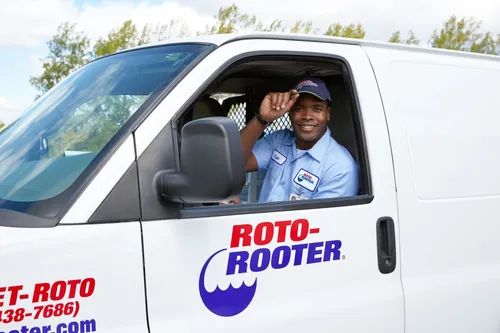
Roto-Rooter Plumbing & Water Cleanup
2680 Production Rd, Virginia Beach, VA 23454
Roto-Rooter Plumbing & Water Cleanup provides commercial plumbing and water cleanup services in Virginia Beach, VA. They serve a variety of commercial facilities including hotels, healthcare centers, and defense sector locations. Their services include grease trap pumping and cleaning, high-pressure water jetting (hydro-jetting), sewer and water line excavation, backflow inspection and repair, and emergency plumbing support. Roto-Rooter offers 24/7 emergency plumbing with same-day service to address urgent plumbing issues. They also specialize in drain cleaning using equipment like drain snakes and hydro-jetting, and provide water heater repairs and installations for traditional, tankless, and solar models. Sewer pipe restoration and excavation services are available, including video camera inspections and trenchless repair methods. Additionally, they install and service various water softeners and filtration systems to improve water quality. Roto-Rooter is fully licensed and insured, serving Virginia Beach and surrounding areas.
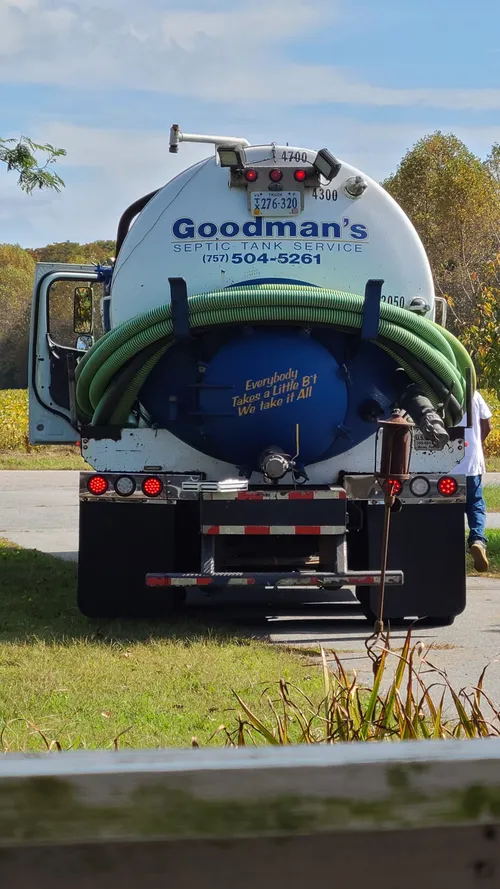
Goodman's Septic Tank Svc
Virginia Beach, VA
Goodman's Septic Tank Svc is a family-owned and operated company based in Virginia Beach, VA, specializing in septic tank and grease trap cleaning. Established in 2010, they serve both residential and commercial clients in Suffolk and nearby areas. Their services include septic tank cleaning and pumping, pump service and repairs, plumbing sewer and drain cleaning, and grease trap cleaning. The company offers 24-hour septic service to address urgent needs and prevent further damage to plumbing and yards.
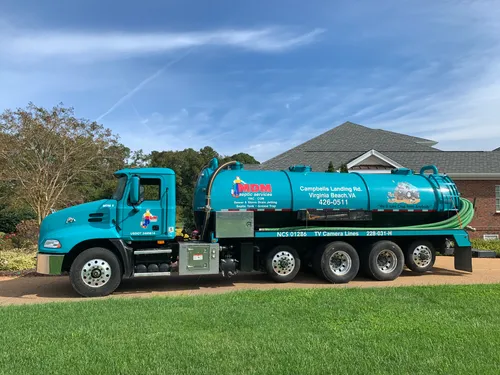
MDM Septic Services, Inc.
937 Fentress Airfield Rd, Chesapeake, VA 23322
MDM Septic Services, Inc. provides grease trap cleaning and septic maintenance services in Virginia Beach, VA. They handle a range of needs including pump and hauls, sewer backups, slow drains, and vacuum truck services. Serving the Hampton Roads area and parts of North Carolina, the company offers specialized capabilities such as handling marine MSD/CHT systems and drilling slurry. Their team is fully insured and holds multiple certifications relevant to their field.
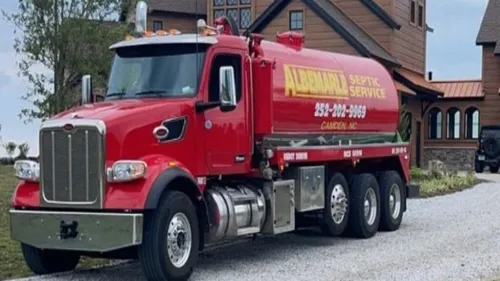
Albemarle Septic Service
Suffolk, VA
Albemarle Septic Service is a family-owned company based in Suffolk, VA, offering septic and grease trap cleaning services. Serving Elizabeth City, NC, and surrounding communities, they provide septic tank pumping, inspections, repairs, and system installations. Their team includes Grade IV certified professionals licensed in both North Carolina and Virginia. With years of experience, Albemarle Septic Service is available 24/7 for emergency septic needs.
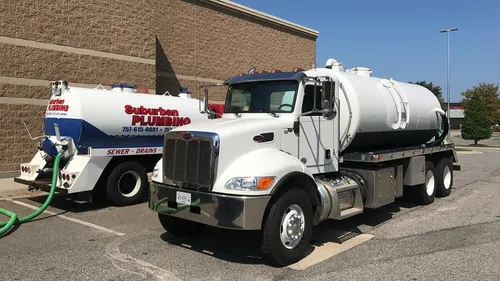
Suburban Plumbing
160 Wellman St Ste C, Norfolk, VA 23502
Suburban Plumbing is a locally-owned, family-run business providing commercial and residential plumbing services in Virginia Beach, VA. They specialize in grease trap cleaning, grease basket cleaning, waste oil collection, drain cleaning, dumpster cleaning, and commercial kitchen grease removal. Their fleet of specialized vac-trucks ensures complete grease removal without mess, and they handle all required municipal compliance reports. Suburban Plumbing serves the broader Hampton Roads area, including Norfolk, Hampton, and Chesapeake. Emergency service is available to support urgent needs.
Understanding Suffolk's Grease Trap Regulations
Suffolk, like much of the Hampton Roads area, operates under strict wastewater pretreatment ordinances designed to prevent Fats, Oils, and Grease (FOG) from entering the public sewer system. When FOG cools and solidifies, it can create massive blockages in pipes, leading to costly and unsanitary sewer overflows. To combat this, local codes require any commercial kitchen to install and maintain a properly sized grease interceptor1 2.
The cornerstone of compliance is documentation. Suffolk restaurants are required to keep a maintenance log of all grease trap pumping and cleaning services for a minimum of three years. This log must be readily available for review by health inspectors or building code officials during routine or surprise inspections. Inspectors will check not only your paperwork but also the physical condition and cleanliness of the trap itself.
Determining Your Required Cleaning Frequency
How often you need to schedule grease interceptor service is not a one-size-fits-all answer; it depends entirely on your operation's volume. Local guidelines often specify that larger traps must be serviced at least every 90 days (quarterly) 3. However, for high-volume kitchens, such as busy diners or large catering facilities, monthly or even weekly cleaning of smaller under-sink grease traps may be necessary to prevent overflows and ensure compliance 4.
The best practice is to work with your licensed service provider to establish a schedule based on your specific trap size, kitchen output, and the findings from each service visit. A provider can recommend a frequency that keeps you within legal limits and prevents the buildup that leads to more expensive, intensive cleanings down the line.
The Cost of Grease Trap Service in Suffolk
Investing in regular maintenance is far more economical than dealing with the consequences of neglect. In Suffolk, the cost for a standard cleaning of a well-maintained indoor grease trap typically ranges from $175 to $475 per service5 6. This price can be influenced by several factors:
- Trap Size and Type: Larger in-ground interceptors cost more to service than smaller under-sink units.
- Accessibility: Easily accessible traps are less labor-intensive than those in cramped or difficult-to-reach locations.
- Service Scope: A routine pump-out is less costly than a full interior pressure-washing or jetting.
It's critical to understand that costs can escalate dramatically for neglected traps. If FOG is allowed to harden and accumulate, the service required shifts from a simple pump-out to a labor-intensive removal project. For severely clogged traps, costs can easily triple or more compared to routine maintenance7.
Find the perfect grease trap cleaning companies for your needs
Get personalized recommendations and expert advice
Consequences of Non-Compliance
Ignoring grease trap maintenance is a risky business decision. The penalties for non-compliance are enforced to protect public infrastructure and health. Inspectors have the authority to issue substantial fines for violations, which can include missing logs, an overfull trap, or evidence of improper grease disposal8 9. In severe or repeated cases, a business may face operational restrictions or even temporary closure until the issues are rectified. Furthermore, if your establishment is found to be the source of a sewer line blockage, you could be held liable for the city's cleanup and repair costs.
Best Practices for Kitchen Staff
A professional cleaning service is only one part of an effective grease management program. Your daily kitchen operations play a huge role. Training your staff on proper FOG disposal is essential for extending time between service calls and keeping your system running smoothly.
- Scrape, Don't Rinse: Food scraps and solids should be scraped into compost or trash bins before washing dishes.
- Use Sink Strainers: Install and consistently use strainers in all prep and dish sinks to catch solids.
- Never Pour Grease Down the Drain: Collect all cooled frying oil, pan drippings, and greasy liquids in a sealed container for proper disposal or recycling by your service provider.
Choosing a Service Provider in Suffolk
When selecting a company for grease interceptor pumping and cleaning, ensure they are licensed, insured, and familiar with Suffolk and Virginia Department of Environmental Quality regulations. A reputable provider will do more than just pump out the trap; they will provide a detailed service report documenting the volume of waste removed, the condition of the trap, and any recommendations. This report is your primary piece of evidence for compliance, so it should be filed immediately into your maintenance log10 11. Establishing a regular service contract with a trusted provider is the most reliable way to ensure consistent compliance, avoid emergency fees, and protect your business from regulatory penalties.
Frequently asked questions
Sources
Footnotes
-
Grease Trap Cleaning | Norfolk - Hampton Roads - Virginia Beach - https://suburbanplumbingco.com/grease-trap-cleaning/ ↩
-
§ 52.50 GREASE TRAPS REQUIRED. - https://codelibrary.amlegal.com/codes/dietrichid/latest/dietrich_id/0-0-0-623 ↩
-
Essential Grease Trap Maintenance Guide For Virginia Beach ... - https://www.myshyft.com/blog/grease-trap-cleaning-virginia-beach-virginia/ ↩
-
Grease Trap Maintenance: How Often Should This Be Scheduled? - https://ace1965.com/2024/07/grease-trap-maintenance-how-often-should-this-be-scheduled/ ↩
-
Restaurant Grease Trap & Interceptor Cleaning Cost - https://greasemanagement.org/pricing.html ↩
-
How Much Does a Proper Grease Trap Cleaning Cost? - https://hulseyenvironmental.com/how-much-does-a-proper-grease-trap-cleaning-partner-cost/ ↩
-
Ultimate Grease Trap Pumping Cost Guide: Essential Money-Saving ... - https://www.texwaywastewater.com/grease-trap-pumping-cost/ ↩
-
Grease Trap Regulations and Compliance: What You Need to ... - https://www.texwaywastewater.com/grease-trap-regulations-and-compliance/ ↩
-
Grease Trap Service Suffolk County | Mr. Pump - https://mrpumpcesspoolny.com/grease-trap-service-suffolk-county.php ↩
-
How to Clean a Grease Trap (and How Often You Should) - https://greaseconnections.com/how-to-clean-a-grease-trap-and-how-often-you-should/ ↩
-
Commercial Grease Trap Services | Suffolk VA - https://www.jandjgreaseservice.com/commercial-grease-trap-services-suffolk-virginia ↩