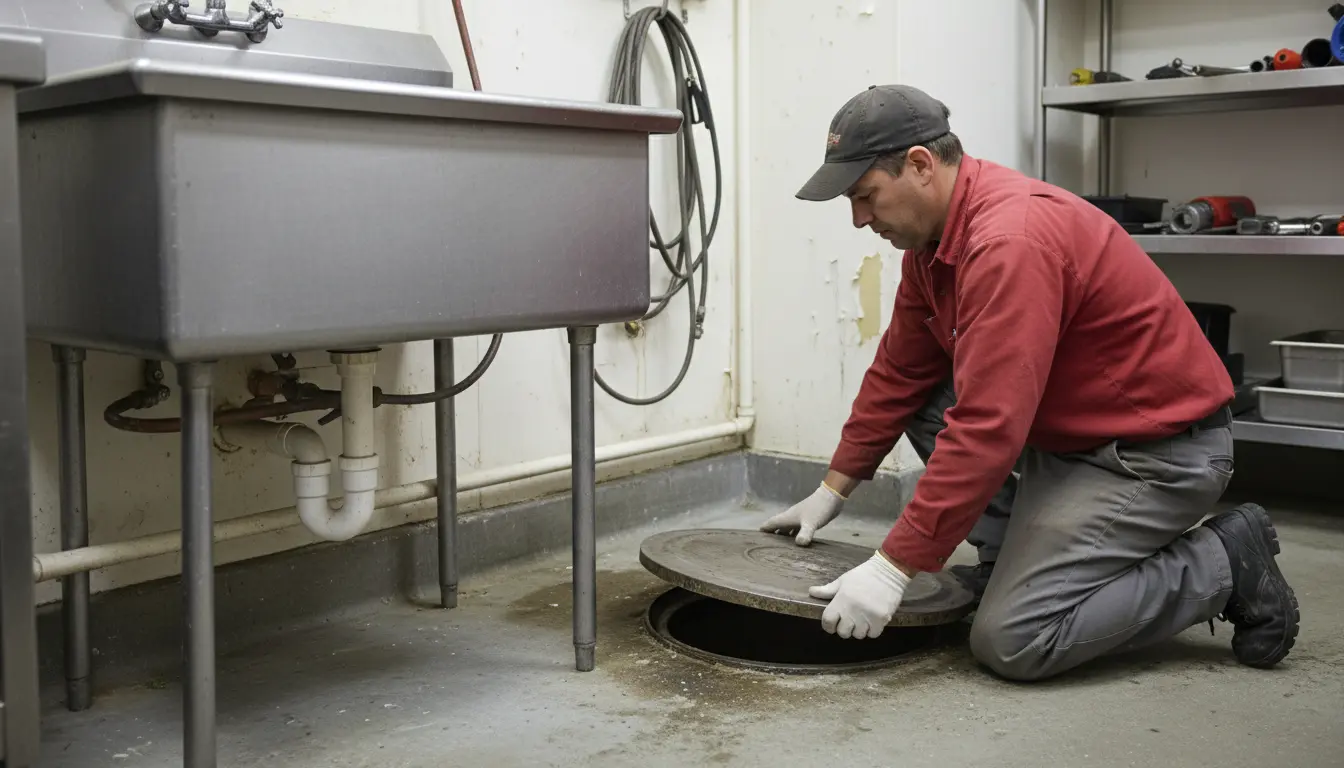
Find the Best Grease Trap Cleaning Companies for Your Business
No obligation • Fast responses • Nationwide coverage

Why you can trust Restaurant Waste Disposal
Restaurant Waste Disposal is a leading U.S. resource for comparing restaurant composting, food-waste recycling, grease trap cleaning, and used cooking oil collection services. Our editorial team researches providers, checks credentials, and organizes unbiased information so operators can make informed decisions. Companies cannot pay to change ratings or placement.
Search providers near you
Top Grease Trap Cleaning Companies in Richmond, Virginia Ranked
For restaurant owners and food service operators in Richmond, proper grease trap cleaning is not just a maintenance task-it's a critical legal and environmental responsibility. The City of Richmond, through its Pretreatment Department, enforces strict regulations on Fats, Oils, and Grease (FOG) management to protect the municipal sewer system from costly blockages and environmental damage. Adhering to a consistent cleaning schedule with a licensed professional is the most effective way to ensure compliance, avoid significant fines and surcharges, and keep your kitchen operations running smoothly. Understanding the specific local codes and best practices is essential for any food service business in the River City.
Zoom Drain
3514 Mayland Ct, Richmond, VA 23233
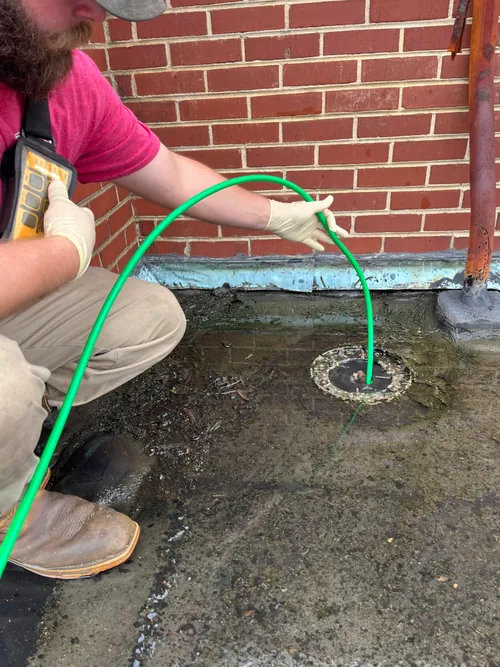
Zoom Drain is a drain and sewer cleaning company based in Richmond, VA, serving both residential and commercial customers in Richmond and surrounding areas including Chesterfield, Glen Allen, Henrico, Mechanicsville, Midlothian, and Moseley. They specialize in drain and sewer repairs, grease trap maintenance, and sump pump installation and repair. The company uses advanced tools such as hydro jetters and camera inspections to diagnose and clear clogs efficiently. Zoom Drain offers flat-rate pricing and planned maintenance programs to help customers maintain their wastewater systems. They also provide specialized services for the food and hospitality sectors and have a contractor referral program. The company is known for clear communication and transparency in their work.
ASAP Waste Solutions
4010 Anita Ave, Midlothian, VA 23112
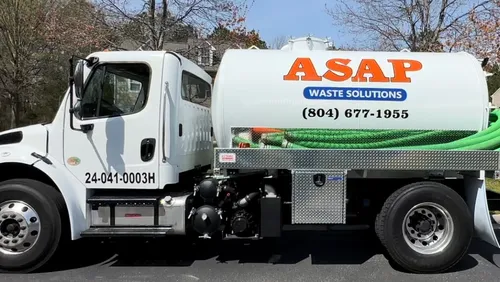
ASAP Waste Solutions is based in Richmond, VA, providing commercial septic and grease trap cleaning services. They specialize in handling fatty foods, vegetable oil, septic systems, and septic maintenance. The company emphasizes environmental health and safety while educating clients about waste management. Their team is experienced in grease trap cleaning and septic system maintenance, aiming to support environmental waste education.
Richmond's FOG Regulations and Compliance
Richmond's sewer system is protected by clear ordinances designed to prevent FOG from entering and congealing in the pipes. The city's discharge limit for FOG is 100 mg/l, a standard that businesses must consistently meet. Compliance is monitored by the city's Pretreatment Department, which conducts inspections through monitoring manholes near business districts and can perform random checks. Enforcement actions for high FOG levels can include substantial surcharges on your water bill and direct fines, making proactive management a financial imperative.
Virginia state law provides the baseline requirement, mandating that grease traps and interceptors be cleaned when the FOG and solids accumulate to 25% of the trap's capacity, or at a minimum frequency of every 90 days, whichever comes first 1. Richmond enforces this standard, and your specific cleaning schedule may need to be more frequent depending on your volume of cooking and dishwashing. It is crucial to maintain records of all cleaning and pumping services as proof of compliance during city inspections.
Key Prohibited Practices
To stay in compliance, Richmond restaurants must avoid several common but prohibited practices:
- No Additives: The use of emulsifiers, degreasers, enzymes, or chemicals to break down grease in the trap is strictly forbidden. These products simply pass the grease further down the sewer line where it can solidify and cause blockages.
- No Hot Water Flushing: Similarly, flushing a trap with hot water or steam is not an acceptable cleaning method and is prohibited by code 2.
- Proper Disposal: Grease and food scraps must never be poured down drains. Best practices include scraping plates thoroughly, using sink strainers, and collecting used cooking oil for proper recycling.
The Cost of Service vs. The Cost of Non-Compliance
Investing in regular grease trap maintenance is far less expensive than dealing with the consequences of neglect. Pricing for scheduled pumping and cleaning services in Richmond typically ranges from $250 to $400 per service, depending on the size and accessibility of your trap and your establishment's usage levels 3.
Contrast this with the costs of non-compliance:
- Emergency Service: A reactive call for an emergency clean-out or to address a severe backup can cost between $800 and $1,200 per visit 4 5.
- City Surcharges and Fines: The Pretreatment Department imposes surcharges for wastewater with high FOG content, which can add hundreds or thousands of dollars to your annual utility costs 6. Direct fines for code violations are an additional penalty.
- Major Repairs: A complete sewer line blockage or damage caused by accumulated FOG can lead to repairs costing thousands of dollars, not to mention the lost revenue from a forced business closure.
A disciplined, scheduled cleaning plan is a predictable operating expense that protects against these unpredictable and substantial financial risks, potentially saving a restaurant thousands of dollars annually.
Find the perfect grease trap cleaning companies for your needs
Get personalized recommendations and expert advice
Choosing a Service Provider and Preparing for Service
When selecting a company for grease interceptor cleaning in Richmond, verify that they are licensed and fully insured. A reputable provider will understand local and state codes, provide detailed service reports for your records, and can help you determine the optimal cleaning frequency for your specific operation. They should also handle all the proper disposal of the collected FOG waste in accordance with environmental regulations.
To ensure efficient and effective service, restaurant managers should:
- Ensure Accessibility: Grease traps must be easily accessible for cleaning and maintenance. Clear the area around the trap access points before the service technician arrives 7 8.
- Maintain Records: Keep a dedicated log of all cleaning dates, the volume of waste removed, and the service provider's details. This log is your first line of defense during an inspection.
- Train Staff: Educate all kitchen staff on proper FOG disposal practices. Simple steps like using scrapers and collection bins for used oil are frontline defenses for your grease trap.
Beyond the Trap: A Comprehensive FOG Management Plan
Effective grease management extends beyond just trap cleaning. Implementing a full plan minimizes what enters the trap, reduces cleaning frequency, and enhances compliance.
- Used Cooking Oil Recycling: Partner with a service to regularly collect and recycle your used fryer oil. This keeps it out of your trap entirely and is often a separate, valuable service.
- Dry-Wiping: Encourage staff to dry-wipe pots, pans, and dishes before rinsing to remove the majority of grease.
- Regular Maintenance Checks: Have your service provider inspect the condition of your trap, inlet/outlet baffles, and connecting pipes during each cleaning to catch small issues before they become major problems 9.
Local Variations in Central Virginia
While this guide focuses on Richmond city proper, it's important to note that surrounding localities in Central Virginia-such as Henrico County, Chesterfield County, or Hanover County-may have slight variations in their specific ordinances or enforcement procedures. Always contact your local water or sewer authority to confirm the exact rules applicable to your business address.
Frequently asked questions
Sources
Footnotes
-
12VAC5-421-2530. Grease trap. - https://law.lis.virginia.gov/admincode/title12/agency5/chapter421/section2530/ ↩
-
12.18.030.2 - Fats, oils, and grease. - Richmond, CA - https://www.ci.richmond.ca.us/DocumentView.aspx?DID=5611 ↩
-
Grease Trap Cleaning and Inspection Services - Lyttle Companies - https://www.lyttleco.com/services/grease-trap-services/ ↩
-
Ultimate Grease Trap Pumping Cost Guide: Essential Money-Saving ... - https://www.texwaywastewater.com/grease-trap-pumping-cost/ ↩
-
The Ultimate Guide to Restaurant Grease Trap Cleaning - https://mokherplumbing.com/ultimate-guide-restaurant-grease-trap-cleaning/ ↩
-
Virginia Restaurant Grease & Used Cooking Oil Services - https://grease-cycle.com/virginia/ ↩
-
City of Richmond Pretreament Department Environmental ... - RVA.gov - https://www.rva.gov/sites/default/files/2019-04/FatsOilsGrease_Facts_English.pdf ↩
-
§ 59.083 GREASE TRAPS AND GREASE INTERCEPTORS. - https://codelibrary.amlegal.com/codes/richmondin/latest/richmond_in/0-0-0-3704 ↩
-
Grease Trap Cleaning & Pumping: Your Ultimate Commercial Guide - https://elvisservicecompany.com/news/the-ultimate-guide-to-grease-trap-cleaning-pumping-everything-your-business-needs-to-know/ ↩