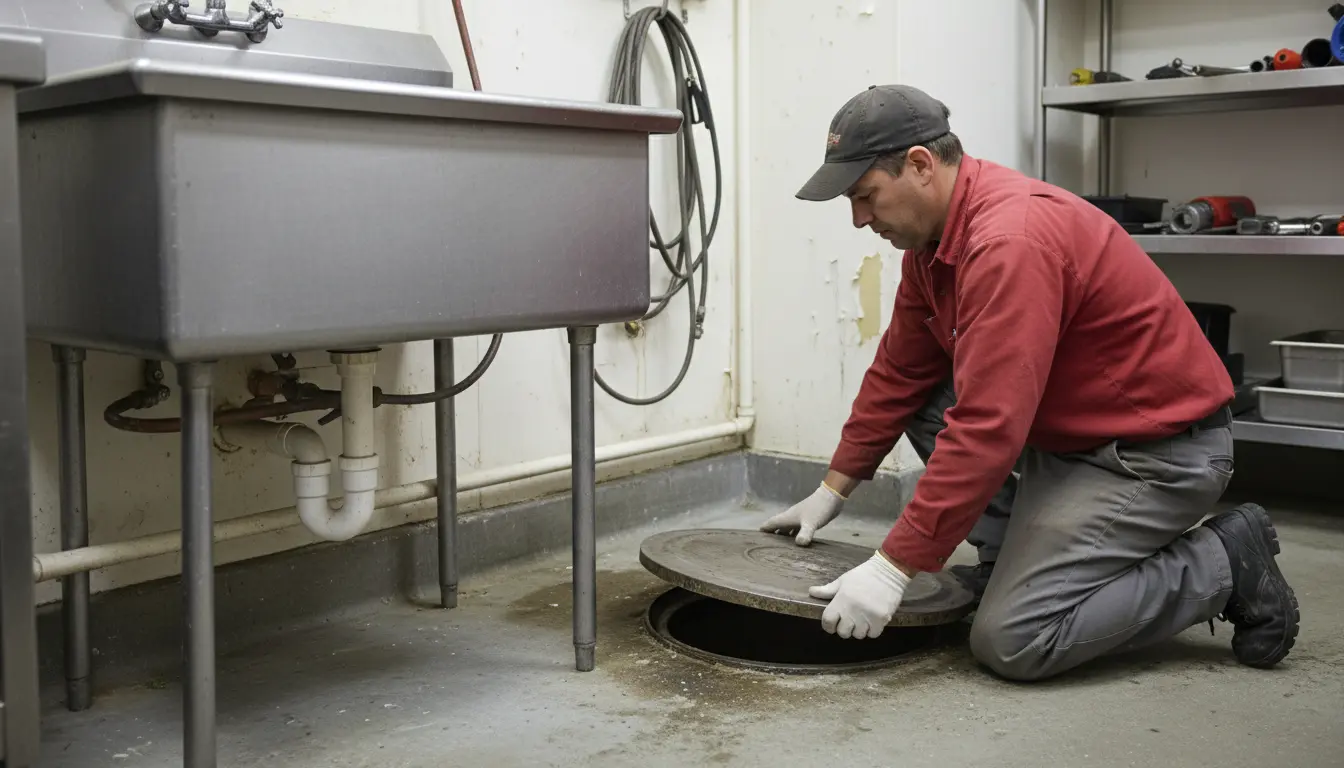
Find the Best Grease Trap Cleaning Companies for Your Business
No obligation • Fast responses • Nationwide coverage

Why you can trust Restaurant Waste Disposal
Restaurant Waste Disposal is a leading U.S. resource for comparing restaurant composting, food-waste recycling, grease trap cleaning, and used cooking oil collection services. Our editorial team researches providers, checks credentials, and organizes unbiased information so operators can make informed decisions. Companies cannot pay to change ratings or placement.
Search providers near you
Top Grease Trap Cleaning Companies in Blacksburg, Virginia Ranked
For restaurant owners and kitchen managers in Blacksburg, maintaining a clean and compliant grease trap is a critical, non-negotiable part of daily operations. Proper grease interceptor maintenance is not just about avoiding unpleasant odors or clogs; it's a legal requirement enforced by Virginia state health codes and local Montgomery County authorities. Failing to adhere to strict cleaning schedules and record-keeping can result in significant fines, emergency service costs, and even the risk of being shut down. This guide provides essential information on navigating the regulations, costs, and best practices for effective FOG (Fats, Oils, and Grease) management specific to the Blacksburg area.
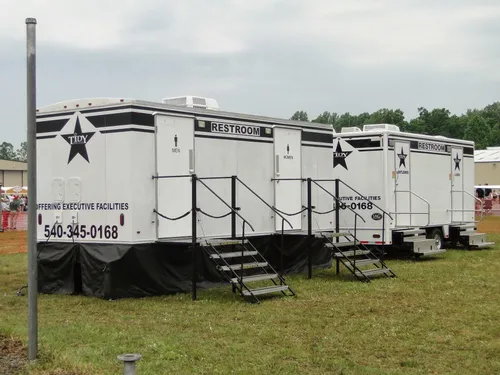
Tidy Services
2011 Cook Dr, Salem, VA 24153
Tidy Services is a family-owned business based in Roanoke, VA, offering a range of portable sanitation and waste management solutions. Their services include portable restrooms, restroom trailers, roll-off dumpsters, septic tank cleaning, grease trap cleaning, and temporary fencing rentals. Since 1994, they have served Southwest Virginia, providing thorough grease trap cleaning to help restaurants maintain clean and efficient operations. The company emphasizes environmental protection and sanitary solutions in their work.
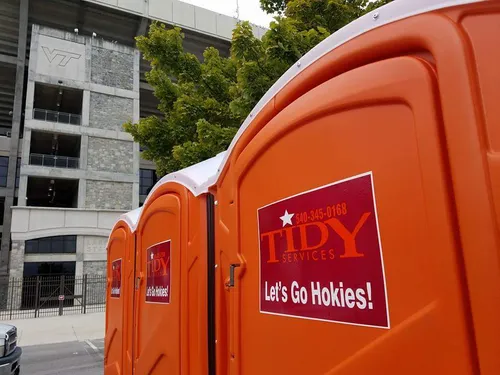
Tidy Services
3209 Business Center Rd, Christiansburg, VA 24073
Tidy Services is a family-owned business based in Blacksburg, VA, offering a range of sanitation and waste management solutions. Since 1994, they have provided services including portable restrooms, restroom trailers, roll-off dumpsters, septic tank cleaning, and grease trap cleaning. Their grease trap cleaning service helps restaurant owners maintain clean and efficient kitchens by removing stubborn grease build-up. Tidy Services serves the Southwest Virginia area with a focus on environmental protection and sanitary solutions.
Understanding Virginia and Blacksburg Grease Trap Regulations
Compliance starts with knowing the law. In Blacksburg, food service establishments must follow the Virginia State Health Code, specifically 12VAC5-421-2530, which governs grease trap requirements 1. This code, enforced by local health department inspectors, sets the baseline for all operations.
Key legal requirements include:
- Accessibility: Your grease trap or interceptor must be easily accessible for cleaning and inspection at all times.
- Complete FOG Removal: During service, the trap must be fully cleaned of all accumulated food solids, fats, oils, and grease.
- Meticulous Record Keeping: You are required to maintain detailed service records for every cleaning. These logs are your primary proof of compliance during a health inspection and should be kept for a minimum of three years.
- Proper Waste Disposal: Waste removed from the trap is strictly prohibited from being poured down any drain or sewer.
- Correct Installation: The code specifies details on proper installation, including pipe distances and the types of traps used. Notably, S-traps are generally prohibited as they can siphon dry, allowing sewer gases to enter the building2 3.
Navigating these codes can be complex, and local amendments may apply. Your first action step should be to contact the Town of Blacksburg or the Montgomery County Health Department to confirm specific local ordinances and inspection protocols 4.
The Importance of Regular Cleaning Schedules
How often should your grease trap be serviced? There is no one-size-fits-all answer, as frequency depends entirely on your kitchen's volume of FOG production. However, Virginia law mandates that traps be cleaned as often as necessary to prevent grease carryover into the public sewer system5.
For most Blacksburg restaurants, common service intervals are:
- Monthly or Quarterly: This is a standard schedule for many established kitchens with properly sized interceptors.
- Weekly: Older, smaller traps or establishments with very high-volume cooking (like certain fry-heavy cuisines) may require weekly pump-outs to prevent overflows 6.
- As Indicated by Inspection: Health inspectors will check the accumulation during routine visits and can mandate more frequent cleanings if the trap is more than 25% full of FOG and solids.
A preventative, scheduled maintenance plan is always more cost-effective than reacting to an emergency. An overflowing or severely clogged trap can lead to sewage backups, unpleasant odors that drive customers away, and immediate "emergency service" fees from your provider7 8.
What to Expect: Service Costs in the Blacksburg Area
The cost for professional grease trap pumping in Blacksburg varies based on the size of your interceptor, the frequency of service, and the service provider. Based on regional data, restaurants can expect the following price ranges9 10 11:
- Basic Pump-Out (e.g., for a smaller 500-1000 gallon trap): Typically between $175 and $400+ per visit.
- Larger or More Complex Systems: Interceptors that are larger, harder to access, or require more labor-intensive cleaning will cost more per service.
- Service Contracts: Many providers offer discounted rates for restaurants that sign up for regular, scheduled maintenance plans. This not only manages costs but ensures compliance.
Remember, investing in routine cleaning is far cheaper than the potential fines from a health code violation or the lost revenue from an operational shutdown.
Find the perfect grease trap cleaning companies for your needs
Get personalized recommendations and expert advice
The Health Inspection: Your Compliance Checkpoint
Local health inspectors are your primary point of enforcement. During routine inspections, they will:
- Physically inspect the grease trap for proper installation and accessibility.
- Check the level of FOG and solid accumulation inside the trap.
- Request your maintenance records to verify a consistent cleaning schedule.
Your detailed service logs are your best defense. A well-kept logbook from a licensed professional service demonstrates a commitment to compliance and can swiftly resolve any questions an inspector might have. Without these records, you may be issued a violation, which can lead to fines and a mandatory cleaning order at your expense.
Best Practices for Kitchen Staff Training
Technology and professional services are only part of the solution. Proper kitchen practices significantly reduce the strain on your grease interceptor and extend time between necessary cleanings.
Key staff training points include:
- Scrape, Don't Rinse: All plates, pots, and pans should be thoroughly scraped into trash or compost bins before being sent to the dish pit.
- Use Drain Screens: Install and regularly clean sink strainers to catch food solids.
- Never Pour Grease Down the Drain: Designate a container for collecting cooled fryer oil and cooking grease for proper disposal or recycling by a licensed service.
- Understand the System: Ensure key staff know the location of the grease trap and the importance of keeping the area clear for service access.
Choosing a Professional Service Provider
When selecting a company for grease interceptor maintenance in Blacksburg, look for:
- Proper Licensing and Insurance: Ensure they are licensed to handle and transport FOG waste in Virginia.
- Detailed Documentation: They must provide a written service report after every cleaning, noting the date, volume removed, and the condition of the trap. This is your legal documentation.
- Local Knowledge: A provider familiar with Montgomery County inspectors and local codes can be an invaluable partner.
- Comprehensive Service: Some providers offer bundled services, including used cooking oil collection, which can streamline your waste management.
Taking a proactive approach to grease trap maintenance protects your business, your community's sewer infrastructure, and your bottom line.
Frequently asked questions
Sources
Footnotes
-
2VAC5-585-2530. Grease trap. - Virginia Law - https://law.lis.virginia.gov/admincode/title2/agency5/chapter585/section2530/ ↩
-
APPENDIX A Grease Trap and Interceptor Requirements Definitions - https://fcwsd.org/documents/728/Appendix_A_Grease_Trap_Requirements.pdf ↩
-
The Ultimate Guide to S-Traps - Hammerpedia - https://www.hammerpedia.com/s-traps/ ↩
-
How Often Should You Clean Your Grease Trap? - https://envirowaste.com.au/clean-your-grease-trap/ ↩
-
12VAC5-421-2530. Grease trap. - Virginia Law - https://law.lis.virginia.gov/admincode/title12/agency5/chapter421/section2530/ ↩
-
FAQs • Can you recommend a maintenance schedule? - https://www.jamescitycountyva.gov/Faq.aspx?QID=219 ↩
-
How to Clean a Grease Trap (and How Often You Should) - https://greaseconnections.com/how-to-clean-a-grease-trap-and-how-often-you-should/ ↩
-
Restaurant Grease Trap Cleaning FAQs - Mahoney Environmental - https://www.mahoneyes.com/restaurant-grease-trap-cleaning-faqs/ ↩
-
The Cost To Clean A Grease Trap For Restaurants - https://thegreasecompany.com/blog/greasetrapcleaningcost/ ↩
-
Ultimate Grease Trap Pumping Cost Guide: Essential Money ... - https://www.texwaywastewater.com/grease-trap-pumping-cost/ ↩
-
Grease Trap Cleaning Prices | Guide on the Industry Average - https://grease-cycle.com/grease-trap-pumping-cost/ ↩