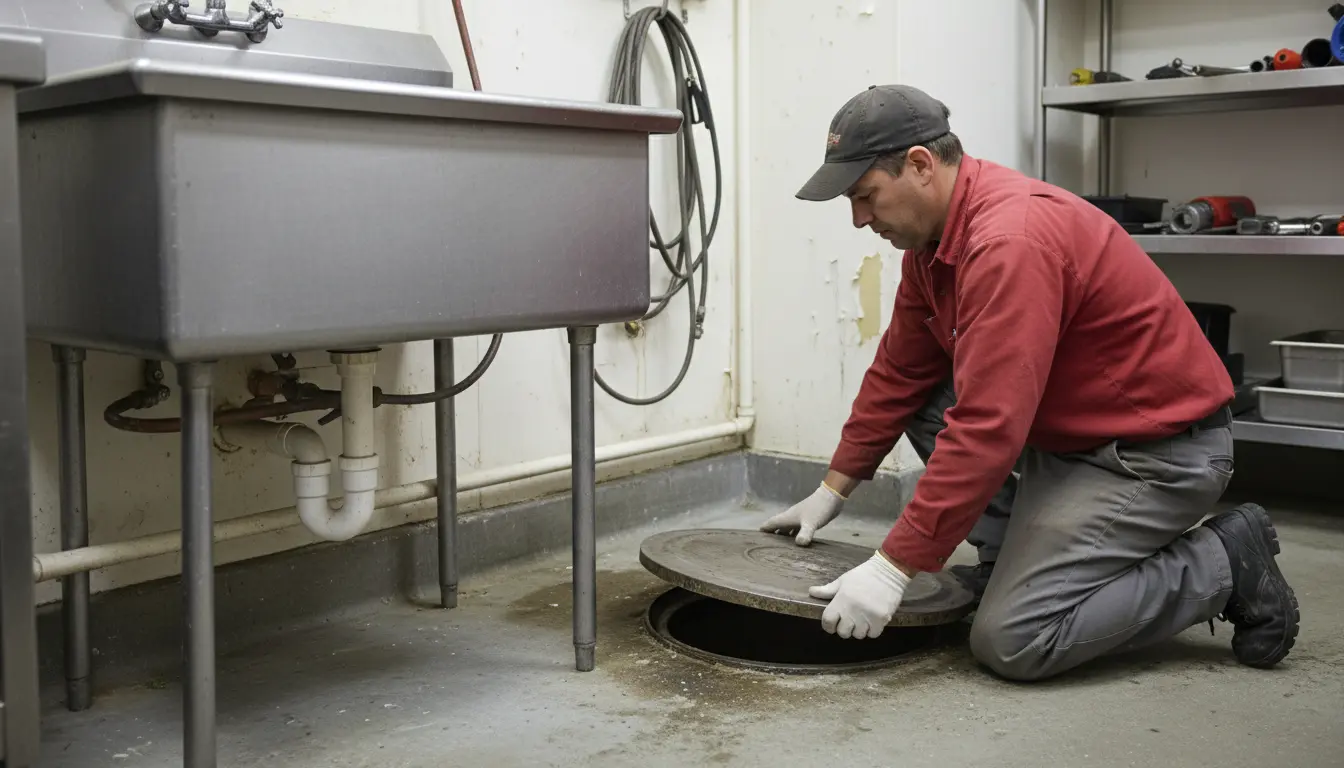
Find the Best Grease Trap Cleaning Companies for Your Business
No obligation • Fast responses • Nationwide coverage

Why you can trust Restaurant Waste Disposal
Restaurant Waste Disposal is a leading U.S. resource for comparing restaurant composting, food-waste recycling, grease trap cleaning, and used cooking oil collection services. Our editorial team researches providers, checks credentials, and organizes unbiased information so operators can make informed decisions. Companies cannot pay to change ratings or placement.
Search providers near you
Top Grease Trap Cleaning Companies in Hampton, Virginia Ranked
For restaurant owners and food service operators in Hampton, managing fats, oils, and grease (FOG) is a critical operational and legal responsibility. The city enforces a specific FOG Ordinance designed to protect the public sewer system from blockages and costly overflows. Compliance isn't just about avoiding fines; it's about being a responsible business in the community. This guide details the local requirements, best practices, and practical considerations for effective grease interceptor maintenance to keep your kitchen running smoothly and in full compliance with Hampton regulations.
Proper grease trap and interceptor servicing is essential for preventing sewer backups, which can lead to severe environmental issues and disruptive-and expensive-repairs for the city and your business. Hampton's code mandates strict cleaning schedules, record-keeping, and the use of approved waste haulers. Understanding these rules is the first step in developing a reliable maintenance plan that safeguards your operations and contributes to the health of Hampton's infrastructure.
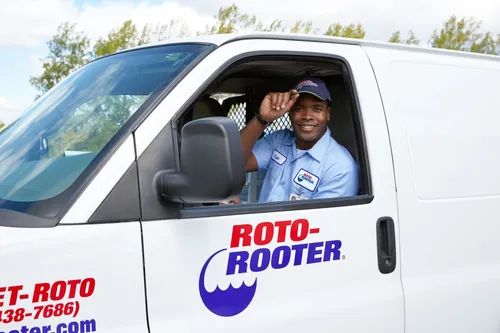
Roto-Rooter Plumbing & Water Cleanup
2680 Production Rd, Virginia Beach, VA 23454
Roto-Rooter Plumbing & Water Cleanup provides commercial plumbing and water cleanup services in Virginia Beach, VA. They serve a variety of commercial facilities including hotels, healthcare centers, and defense sector locations. Their services include grease trap pumping and cleaning, high-pressure water jetting (hydro-jetting), sewer and water line excavation, backflow inspection and repair, and emergency plumbing support. Roto-Rooter offers 24/7 emergency plumbing with same-day service to address urgent plumbing issues. They also specialize in drain cleaning using equipment like drain snakes and hydro-jetting, and provide water heater repairs and installations for traditional, tankless, and solar models. Sewer pipe restoration and excavation services are available, including video camera inspections and trenchless repair methods. Additionally, they install and service various water softeners and filtration systems to improve water quality. Roto-Rooter is fully licensed and insured, serving Virginia Beach and surrounding areas.
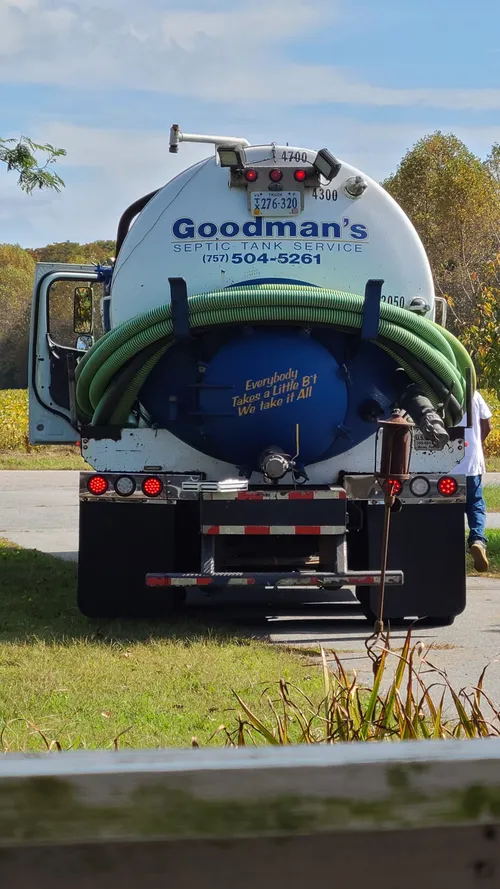
Goodman's Septic Tank Svc
Virginia Beach, VA
Goodman's Septic Tank Svc is a family-owned and operated company based in Virginia Beach, VA, specializing in septic tank and grease trap cleaning. Established in 2010, they serve both residential and commercial clients in Suffolk and nearby areas. Their services include septic tank cleaning and pumping, pump service and repairs, plumbing sewer and drain cleaning, and grease trap cleaning. The company offers 24-hour septic service to address urgent needs and prevent further damage to plumbing and yards.
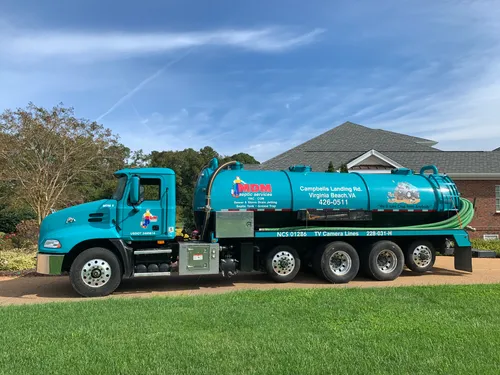
MDM Septic Services, Inc.
937 Fentress Airfield Rd, Chesapeake, VA 23322
MDM Septic Services, Inc. provides grease trap cleaning and septic maintenance services in Virginia Beach, VA. They handle a range of needs including pump and hauls, sewer backups, slow drains, and vacuum truck services. Serving the Hampton Roads area and parts of North Carolina, the company offers specialized capabilities such as handling marine MSD/CHT systems and drilling slurry. Their team is fully insured and holds multiple certifications relevant to their field.
Forrest Sewer Pump Service
553 S Birdneck Rd Suite 218, Virginia Beach, VA 23451
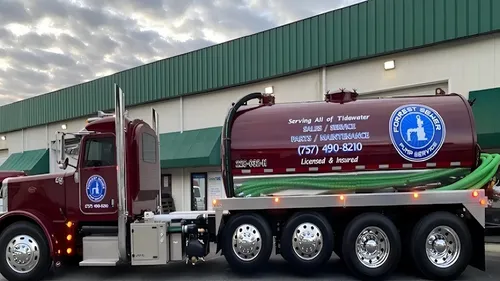
Forrest Sewer Pump Service is a locally owned company in Virginia Beach, VA, providing sewer pump repairs, grease trap cleaning, and emergency pumping services. Serving both commercial and residential clients, their licensed technicians handle pump station maintenance, electrical repairs, and line jetting. With over 30 years of experience, they serve Virginia Beach, Chesapeake, Williamsburg, and surrounding areas. The company holds certifications as Onsite Sewage System Installer and Operator, ensuring professional and compliant service.
Suburban Plumbing
160 Wellman St Ste C, Norfolk, VA 23502
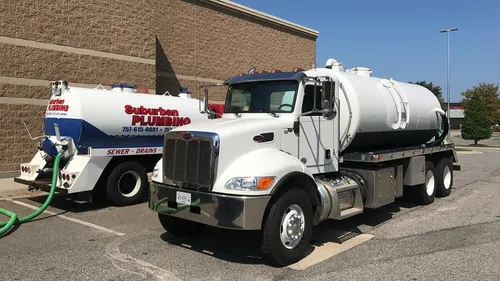
Suburban Plumbing is a locally-owned, family-run business providing commercial and residential plumbing services in Virginia Beach, VA. They specialize in grease trap cleaning, grease basket cleaning, waste oil collection, drain cleaning, dumpster cleaning, and commercial kitchen grease removal. Their fleet of specialized vac-trucks ensures complete grease removal without mess, and they handle all required municipal compliance reports. Suburban Plumbing serves the broader Hampton Roads area, including Norfolk, Hampton, and Chesapeake. Emergency service is available to support urgent needs.
Understanding Hampton's FOG Ordinance
Hampton's FOG program is administered under the city's Sewers and Sewage Disposal code (Article V.). The primary goal is to prevent grease from commercial kitchens from entering and congealing in the public sewer lines. The ordinance applies to all food service establishments, including restaurants, cafeterias, bakeries, and any facility that produces grease-laden wastewater.
Key authorities, including the Hampton Roads Planning District Commission (HRPDC) and the Hampton Roads Sanitation District (HRSD), work with the city to enforce these standards. The rules are clear and non-negotiable, with defined consequences for non-compliance, making it imperative for business owners to familiarize themselves with the specifics.
Mandatory Cleaning Frequencies
Your required cleaning schedule depends on the type and size of your grease control device.
- Indoor Grease Traps: These are typically smaller units located inside your kitchen. Hampton requires these to be cleaned a minimum of once per week.. This weekly schedule is a baseline; if the unit reaches capacity sooner, it must be serviced immediately.
- Outdoor Grease Interceptors (GCDs): Larger, in-ground units outside the building have a different standard. They must be pumped and cleaned at least every 90 days (quarterly) as a minimum requirement 1.
It's crucial to note that these are minimum frequencies. The most important rule, often called the "25% rule," overrides the calendar.
The Critical 25% Rule
Regardless of whether it's been a week or 90 days, you must clean your grease trap or interceptor when the combined volume of fats, oils, grease, and settled solids reaches 25% of the unit's liquid capacity 2 3. Allowing grease and solids to exceed this level drastically reduces the device's effectiveness, allowing FOG to escape into the sewer line. Regular visual checks are necessary to monitor this level and schedule service before you hit the limit.
Approved Haulers and Record-Keeping
You cannot hire just any waste removal company for this task. Hampton mandates that all grease waste must be removed by a hauler certified by the Hampton Roads Planning District Commission and approved by HRSD 4. Using an unapproved service is a violation of the ordinance.
Furthermore, you are required to maintain detailed records of every cleaning service. This includes:
- Receipts or invoices from the hauler.
- The date of service.
- The volume of waste removed.
- The disposal method or location.
- These records must be kept on-site for a minimum of three years and be made available to city inspectors upon request.
Find the perfect grease trap cleaning companies for your needs
Get personalized recommendations and expert advice
Compliance and Enforcement in Hampton
City officials conduct inspections of food service facilities to ensure adherence to the FOG Ordinance. These inspections will verify your cleaning schedule, examine the condition and accessibility of your grease control device, and review your maintenance records.
Non-compliance can lead to significant consequences. Enforcement actions typically begin with notices of violation but can escalate to substantial fines and, in persistent cases, restrictions on your business operations 5. Proactive maintenance is far less costly than dealing with the penalties and potential reputational damage of a violation.
Cost Considerations for Grease Trap Service in Hampton
The cost of grease trap pumping and cleaning in Hampton varies based on several factors, including the type and size of your unit, its accessibility, and how regularly it is serviced. Prices can fluctuate, but general ranges based on industry standards are:
- Regular Indoor Grease Trap Cleaning: For a standard indoor trap cleaned on a consistent weekly or bi-weekly schedule, costs typically range from $175 to $475 per service. The final price often depends on the actual FOG content and how easy it is for the hauler to access the unit.
- Outdoor Grease Interceptor Cleaning: Servicing a large outdoor interceptor on a quarterly basis generally falls in the range of $325 to $1,040 per cleaning 6.
- Infrequently Serviced Traps: If a trap has been neglected and exceeds the 25% rule significantly, the cleaning job becomes more complex. In these cases, costs can triple or more compared to regular maintenance pricing 7. This is because the hauler may need to make multiple trips, handle extreme buildup, or perform additional cleaning to restore the unit to proper function.
Investing in regular service is a clear financial advantage, preventing much higher emergency or remediation costs down the line.
Best Practices for Hampton Restaurants
Beyond mere compliance, adopting these best practices will ensure your kitchen operates efficiently and avoids FOG-related issues.
- Schedule Weekly Visual Inspections: Don't wait for your scheduled pump-out. Designate a staff member to check your indoor trap weekly to ensure it hasn't reached the 25% capacity limit 8.
- Partner with a Certified, Local Hauler: Establish a service contract with an HRSD/HRPDC-approved hauler who understands Hampton's specific regulations. A reliable partner will help you maintain the correct schedule and provide proper documentation.
- Organize Your Records Diligently: Keep a dedicated logbook or digital folder for all grease trap service records. Having this information organized and readily available makes inspections quick and stress-free.
- Train Your Kitchen Staff: Educate your team on what should and should not go down the drain. Scraping plates into the trash, using sink strainers, and minimizing the use of garbage disposals can significantly reduce the load on your grease trap, extending time between services and improving efficiency.
- Ensure Easy Access: Make sure your grease trap or interceptor is always accessible for service. Clear any stored items, equipment, or debris that could block a hauler's access, as this can delay service and lead to violations.
Frequently asked questions
Sources
Footnotes
-
FATS, OILS AND GREASE (FOG) Hampton, Virginia, Code of ... - https://www.hampton.gov/DocumentCenter/View/3422/Ordinance-and-Response?bidId= ↩
-
SEWERS AND SEWAGE DISPOSAL ARTICLE V. - Hampton.gov - https://www.hampton.gov/DocumentCenter/View/830/hampton-fog-ordinance?bidId= ↩
-
Commercial Facilities FOG Program - Hampton.gov - https://www.hampton.gov/DocumentCenter/View/8837/Commercial-Facilities-FOG-Program-PDF?bidId= ↩
-
How to Clean a Grease Trap (and How Often You Should) - https://greaseconnections.com/how-to-clean-a-grease-trap-and-how-often-you-should/ ↩
-
Essential Grease Trap Maintenance Guide For Virginia Beach ... - Shyft - https://www.myshyft.com/blog/grease-trap-cleaning-virginia-beach-virginia/ ↩
-
How Much Does a Proper Grease Trap Cleaning Cost? - https://hulseyenvironmental.com/how-much-does-a-proper-grease-trap-cleaning-partner-cost/ ↩
-
Restaurant Grease Trap & Interceptor Cleaning Cost - https://greasemanagement.org/pricing.html ↩
-
Restaurants: Grease Control - askHRgreen.org - https://askhrgreen.org/gtk-gtd/restaurants-grease-control/ ↩