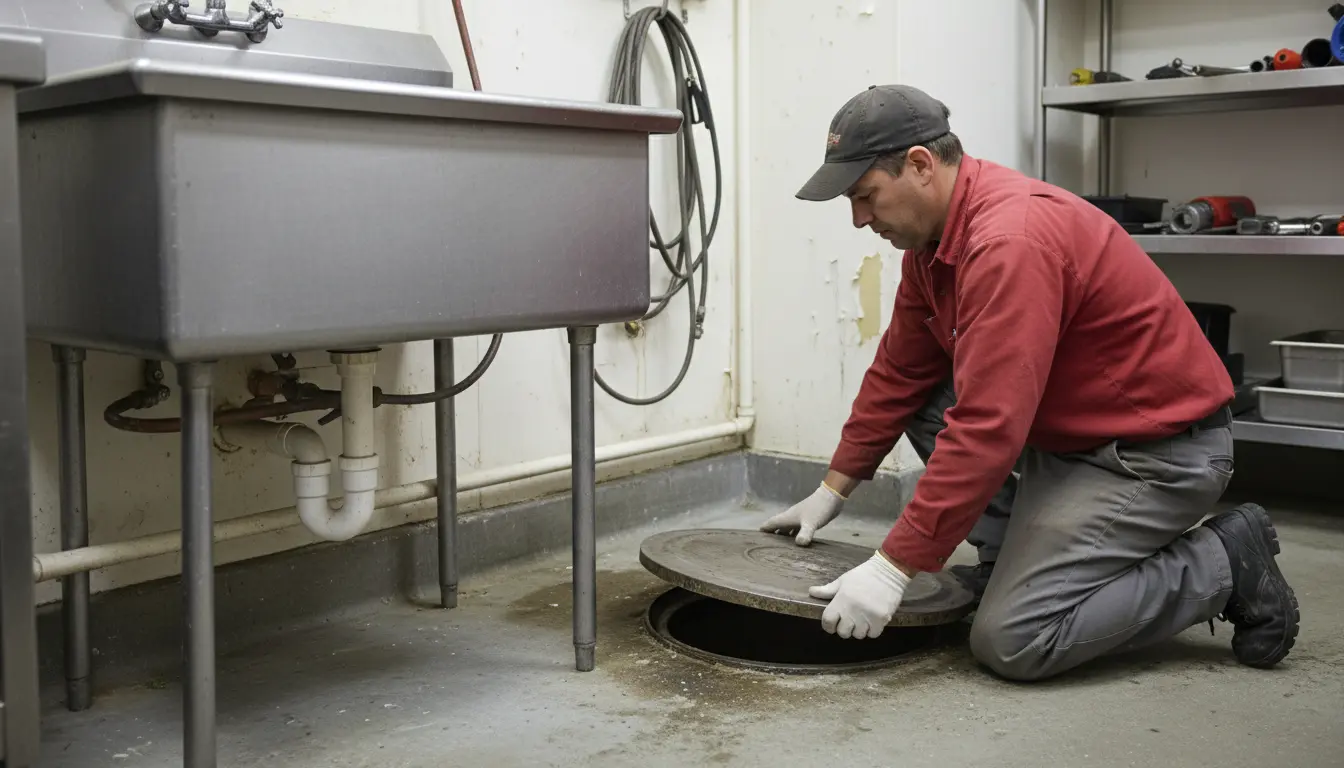
Find the Best Grease Trap Cleaning Companies for Your Business
No obligation • Fast responses • Nationwide coverage

Why you can trust Restaurant Waste Disposal
Restaurant Waste Disposal is a leading U.S. resource for comparing restaurant composting, food-waste recycling, grease trap cleaning, and used cooking oil collection services. Our editorial team researches providers, checks credentials, and organizes unbiased information so operators can make informed decisions. Companies cannot pay to change ratings or placement.
Search providers near you
Top Grease Trap Cleaning Companies in Bartlett, Tennessee Ranked
For any restaurant or food service establishment (FSE) in Bartlett, managing fats, oils, and grease (FOG) is a critical operational and legal responsibility. Proper grease trap and interceptor maintenance is not just about avoiding clogs; it's a mandated requirement by local Bartlett ordinances, Shelby County regulations, and the Tennessee Department of Environment & Conservation (TDEC). Neglecting this duty can lead to severe sewer backups, environmental harm, and significant fines from enforcement authorities like the local Public Works department or Memphis Light, Gas & Water (MLGW). Establishing a consistent cleaning schedule with a certified provider is the cornerstone of compliance, protecting your business from costly disruptions and ensuring the community's wastewater system runs smoothly.
ABC Plumbing & Septic Service
741 Lee Creek Rd, Byhalia, MS 38611
ABC Plumbing & Septic Service has been providing pumping and drain services since 1950. Based near Memphis, TN, they serve residential, commercial, and industrial customers with a wide range of services including grease trap cleaning, hydrojetting, video inspection, and septic tank maintenance. The company offers 24/7 emergency service and is known for its expertise in septic system installation and treatment plant servicing. With over 70 years in the industry, ABC Plumbing & Septic Service operates with a focus on integrity and craftsmanship.
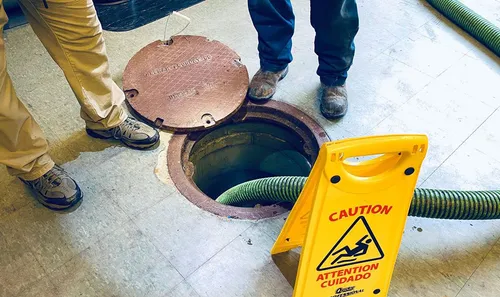
Mid-South Septic and Plumbing
11284 Gulf Stream Rd, Arlington, TN 38002
Mid-South Septic and Plumbing is a local provider of septic, grease trap, and drain services based in Memphis, TN. Serving residential, commercial, municipal, and industrial clients, they offer comprehensive septic system care including pumping, inspections, preventative maintenance, and repairs. The company is part of Wind River Environmental's Family of Brands, combining national resources with local expertise to serve the Mid-South area. Established in the early 1999s, Mid-South Septic and Plumbing operates 24/7 to support timely wastewater management and system maintenance.
Ace Grease Service
Transfer Station, 7240 Craft-Goodman Rd, Olive Branch, MS 38654
Ace Grease Service is a family-owned company based in Memphis, TN, specializing in used cooking oil collection and grease trap cleaning. With over 31 years of experience, they serve a variety of clients including restaurants, hotels, hospitals, and food manufacturing plants. The company collects and recycles used cooking oil into products like plastics, soaps, livestock feed, and biodiesel fuel. Ace Grease Service operates a fleet of advanced trucks and equipment, providing service across nine states in the Midwest.
Midsouth Septic Service
75 Culver Way, Somerville, TN 38068
Midsouth Septic Service provides septic, grease trap, and drain services in Memphis, TN, and the surrounding Mid-South area. Serving residential, commercial, municipal, and industrial clients, they offer comprehensive septic system maintenance including pumping, inspections, preventative care, and repairs. As part of Wind River Environmental's family of brands, they combine national resources with local expertise to support a wide range of septic and wastewater needs. The company has been serving the region since the early 1999 and offers 24/7 availability for urgent service requests.
Understanding Local Grease Trap Regulations
Bartlett restaurants must adhere to a layered set of rules governing grease control. At the state level, TDEC provides the overarching framework, requiring all FSEs to install and maintain grease interceptors to prevent FOG from entering the public sewer system. Locally, these state guidelines are enforced through city codes and potentially through the sewer authority, which for many in the Memphis metro area is MLGW.
Key compliance points include:
- Mandatory Installation: Grease traps or interceptors are required for virtually all food service operations, with sizing based on the establishment's water usage and FOG production 1.
- Proof of Service: It's not enough to just have the service performed. You must obtain and retain detailed cleaning manifests from your service provider. These documents are your primary proof of compliance during inspections and must be kept on file for several years as per TDEC guidance.
- Enforcement Actions: Failure to comply can result in written violations, substantial fines, and in extreme cases, a discontinuation of sewer service until the issue is rectified.
Determining Your Required Cleaning Frequency
How often should you have your grease interceptor pumped? The standard rule of thumb for most Bartlett restaurants is every 1 to 3 months. However, this isn't a one-size-fits-all schedule. Your specific frequency is determined by several factors, and the local inspector or your service provider can help you establish a compliant plan.
High-volume kitchens, such as those in busy diners or large catering facilities, will almost certainly require monthly service to handle their heavy FOG output 2. Establishments with smaller traps or lower output may be on a 90-day cycle. The critical factor is preventing FOG from exceeding 25% of the trap's liquid capacity, as exceeding this limit significantly reduces effectiveness and risks clogs 2. Regular professional cleaning is the only reliable way to stay within this limit and avoid emergency situations.
The Inspection Process: What to Expect
Local authorities conduct periodic inspections to ensure compliance with FOG ordinances. These inspections can be scheduled or unannounced, so maintaining ongoing records is essential 3.
During an inspection, an official will typically:
- Request to see your grease trap cleaning manifests for the past 12-24 months.
- Physically inspect the condition and location of your grease interceptor.
- Check for any signs of bypassing, leaks, or improper disposal of grease.
- Review your staff training practices on proper grease handling (e.g., no pouring grease down sinks).
Having organized, readily available manifests from a reputable service provider is the fastest way to pass an inspection. A lack of records is often treated as evidence of non-compliance.
Cost Factors for Grease Interceptor Service
Investing in regular maintenance is far more cost-effective than dealing with the fines and repair costs of neglect. Service prices in the Bartlett area vary based on several key factors.
- Routine Pumping Cost: For a standard, accessible grease trap serviced on a regular schedule, restaurants can expect to pay between $125 and $250 per service visit 4.
- Emergency or One-Time Cleaning: If a trap is severely neglected or requires emergency service outside a regular contract, prices can jump to $190 to $400 or more due to the increased labor and disposal complexity 5 6.
- What Influences Price: The final cost is affected by the size and gallon capacity of your interceptor, its physical location (indoor vs. outdoor, ease of access), the volume of grease and solids to be removed, and your chosen service frequency (contracts often offer better rates) 7.
Find the perfect grease trap cleaning companies for your needs
Get personalized recommendations and expert advice
Choosing a Certified Service Provider in Bartlett
Not all pumping companies are equal. For compliance and peace of mind, it's crucial to select a local provider familiar with Bartlett and Shelby County's specific codes. A certified, licensed hauler will provide the detailed manifests you need for your records, ensuring the collected FOG is disposed of or recycled at approved facilities, as required by law 8.
When vetting providers, ask:
- Are you licensed and insured to operate in Bartlett and Shelby County?
- Do you provide a detailed, signed manifest upon each service?
- What is your typical response time for emergency services?
- Can you help us determine the optimal cleaning schedule for our volume?
Building a Proactive Compliance Plan
Staying ahead of grease trap requirements involves more than just hiring a pumper. Implement these best practices to create a comprehensive FOG management plan:
- Confirm Local Ordinances: Start by contacting the Bartlett Public Works Department or MLGW Sewer Authority to get a copy of the specific local codes that apply to your address 9.
- Schedule Regular Service: Based on your kitchen's output, establish a regular pumping schedule (monthly, bi-monthly, or quarterly) with a certified provider and stick to it religiously.
- Maintain Impeccable Records: Create a dedicated file or digital folder for all grease trap manifests. These are legal documents that prove your compliance 10.
- Train Your Staff: Educate every kitchen employee on proper FOG disposal practices. This includes scraping plates into trash bins, using drain screens, and never pouring grease or oil down any drain 11.
Taking these steps transforms grease trap maintenance from a reactive chore into a streamlined part of your restaurant's operational excellence, safeguarding your business from fines and contributing to the health of Bartlett's infrastructure.
Frequently asked questions
Sources
Footnotes
-
Memphis City Codes Chapter 33-112: Food - Assets Service - https://assets.speakcdn.com/assets/2820/Appendices_FOG.pdf ↩
-
How to Clean a Grease Trap (and How Often You Should) - https://greaseconnections.com/how-to-clean-a-grease-trap-and-how-often-you-should/ ↩ ↩2
-
Grease Trap Regulations and Compliance: What You Need to ... - https://www.texwaywastewater.com/grease-trap-regulations-and-compliance/ ↩
-
The Ultimate Guide to Restaurant Grease Trap Cleaning - https://mokherplumbing.com/ultimate-guide-restaurant-grease-trap-cleaning/ ↩
-
Ultimate Grease Trap Pumping Cost Guide: Essential Money-Saving ... - https://www.texwaywastewater.com/grease-trap-pumping-cost/ ↩
-
Grease Trap Cleaning Prices | Guide on the Industry Average - https://grease-cycle.com/grease-trap-pumping-cost/ ↩
-
The Cost To Clean A Grease Trap For Restaurants - https://thegreasecompany.com/blog/greasetrapcleaningcost/ ↩
-
Grease Trap Cleaning in Bartlett TN - https://greasetrapcleaningmemphis.com/bartlett-tn.html ↩
-
Grease Trap Cleaning in Bartlett TN | Grease Interceptor Pumping - https://greasetrapcleaninggermantowntn.com/bartlett-tn.html ↩
-
APPENDIX A (Grease Trap Hauler Manifest) - TN.gov - https://www.tn.gov/content/dam/tn/environment/water/documents/APPENDICES.pdf ↩
-
TENNESSEE OIL AND GREASE CONTROL GUIDANCE DOCUMENT - https://cleanwatersocal.org/media/acfupload/reference/Tennessee_Guidance_Doc.pdf ↩