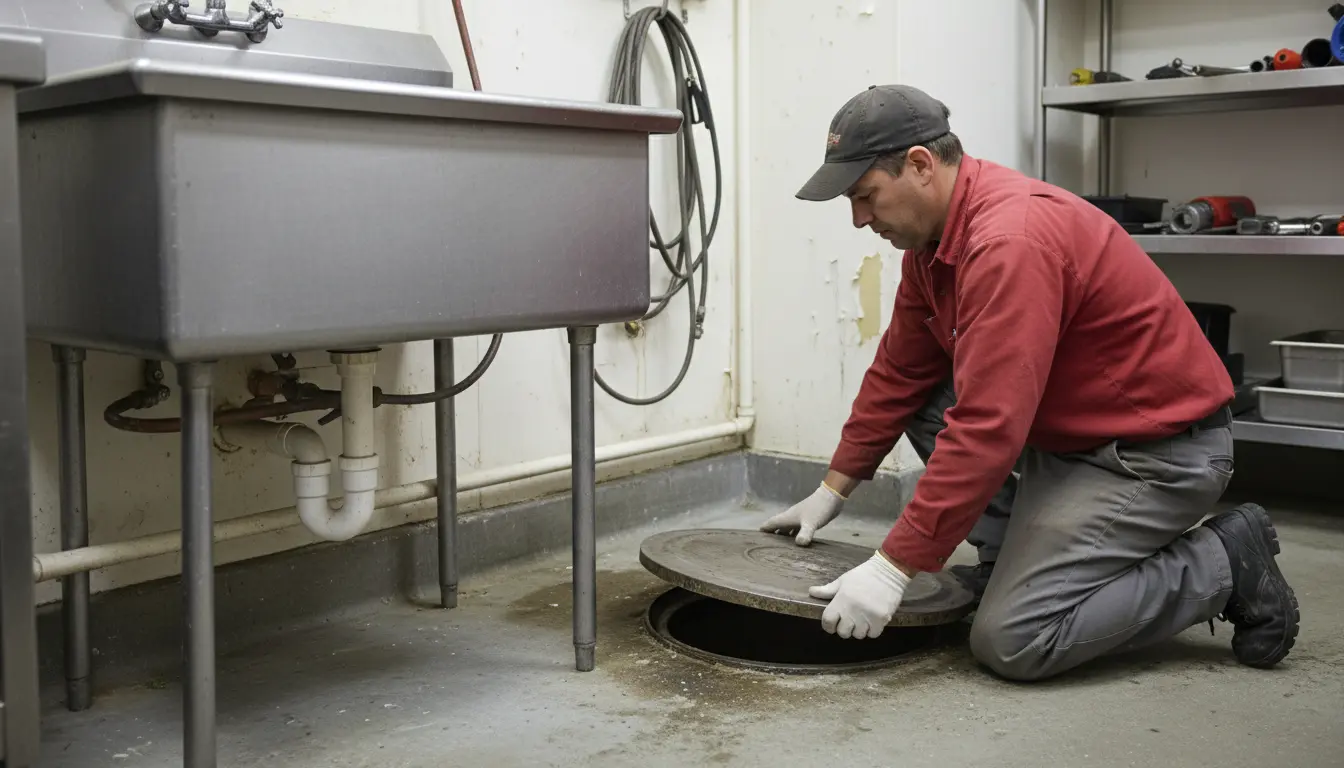
Find the Best Grease Trap Cleaning Companies for Your Business
No obligation • Fast responses • Nationwide coverage

Why you can trust Restaurant Waste Disposal
Restaurant Waste Disposal is a leading U.S. resource for comparing restaurant composting, food-waste recycling, grease trap cleaning, and used cooking oil collection services. Our editorial team researches providers, checks credentials, and organizes unbiased information so operators can make informed decisions. Companies cannot pay to change ratings or placement.
Search providers near you
Top Grease Trap Cleaning Companies in Nashville, Tennessee Ranked
For any restaurant or food service establishment in Nashville, managing fats, oils, and grease (FOG) is a critical operational and legal responsibility. Proper grease trap and interceptor maintenance is not just about preventing clogs in your own kitchen plumbing; it's a mandated part of protecting the city's sewer system from costly blockages and environmental damage. Metro Water Services (MWS) enforces strict regulations, and non-compliance can lead to significant fines and operational disruptions. Understanding the local rules, required documentation, and the value of proactive service is essential for running a compliant and efficient business in Music City.
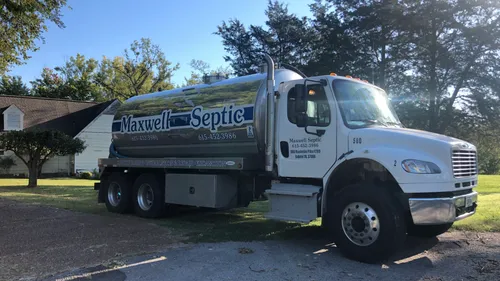
Maxwell Septic Pumping
1120 Dickerson Pike, Nashville, TN 37207
Maxwell Septic Pumping provides septic and grease trap cleaning services in Nashville, TN. They offer pumping, inspection, and repair services, including tank repairs and leeching field installations. Customers note their ability to handle challenging grease trap cleanings and appreciate their scheduling flexibility.
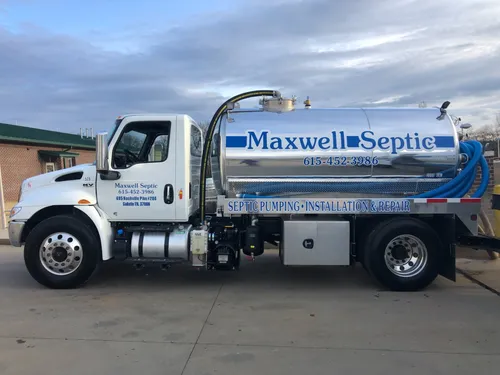
Maxwell Septic Pumping
744 Airport Rd, Gallatin, TN 37066
Maxwell Septic Pumping is a grease trap cleaning company serving Nashville, TN. They specialize in pumping and cleaning grease interceptors and traps, providing thorough and efficient service. Customers have noted their ability to complete cleaning tasks quickly, often within a few hours.
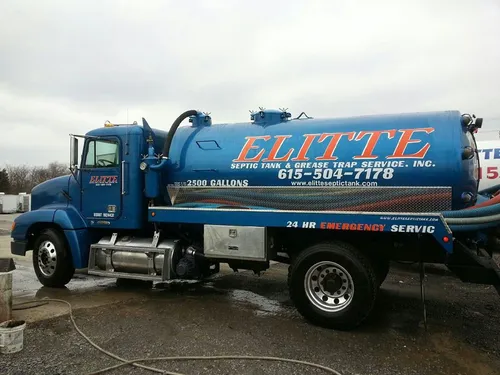
Elitte Septic Tank & Grease Trap Service, Inc.
1035 Bradley Dr, Springfield, TN 37172
Elitte Septic Tank & Grease Trap Service, Inc. provides septic tank pumping, grease trap cleaning, and line installation services in Nashville, TN. The company handles locating and repairing septic tanks, including excavation and line installation, and offers grease trap maintenance for commercial clients. Customers have noted their ability to manage emergency service calls and complex repairs such as broken lids and rerouting plumbing lines. The team is experienced in working under challenging conditions and maintaining clean work sites.
Ace Grease Service
Transfer Station, 1039 Slaters Creek Rd Nashville, 1039 Slaters Creek Rd, Goodlettsville, TN 37072
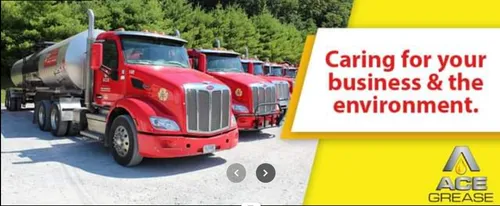
Ace Grease Service is a family-owned company based in Nashville, TN, with over 31 years of experience in used cooking oil collection and grease trap cleaning. They serve a wide range of clients including restaurants, hotels, hospitals, penal institutions, and food manufacturing plants. The company operates a fleet of state-of-the-art trucks and equipment across nine states in the Midwest. Ace Grease Service collects and recycles used cooking oil, turning it into products like plastics, soaps, livestock feed, and biodiesel fuel. They emphasize the importance of keeping fats, oils, and grease out of the sanitary sewer system to protect the environment and public health.
Pump Co.
Nashville, TN
Pump Co. is a grease trap cleaning company based in Nashville, TN, specializing in commercial grease and septic tank clearing as well as drain cleaning. They help businesses maintain continuous operations by ensuring grease traps and septic systems are cleared and compliant with local regulations. Pump Co. services grease traps of all sizes, including underground grease interceptors, and provides bi-annual septic pumping to prevent sewage overflow. They also offer expert drain cleaning using advanced technology to keep commercial drain pipes clear and operational. Monthly service subscriptions are available to maintain grease traps and interceptors year-round.
Understanding Nashville's Grease Control Regulations
Nashville's regulations are designed to prevent FOG from entering the public sewer lines, where it can solidify and cause major blockages, sewer overflows, and expensive cleanup operations. The primary authority overseeing these rules is Metro Water Services. Compliance hinges on a few key pillars: cleaning frequency, proper documentation, using licensed haulers, and passing inspections.
The cornerstone of the cleaning rule is the "25% rule." You are required to have your grease trap or interceptor cleaned when the combined volume of FOG and settled solids reaches 25% of the unit's capacity 1. However, MWS also sets minimum cleaning intervals that you must follow regardless of the accumulation level:
- Grease Traps (typically smaller, undersink units): Must be serviced at least every 30 days.
- Grease Interceptors (larger, often underground units): Must be serviced at least every 90 days.
High-volume kitchens, especially those preparing foods like fried chicken, fish, or large quantities of rice and pasta, may find they need service more frequently than these minimums to stay under the 25% threshold.
The Critical Role of Documentation and Recordkeeping
If an MWS inspector visits your establishment, your paperwork will be their first point of review. Maintaining meticulous records is a non-negotiable part of compliance. You are required to keep the following documents onsite for a minimum of three years:
- Cleaning Logs: A detailed log for each trap or interceptor, noting the date of service, the name of the licensed hauler, the volume of waste removed, and the disposal location.
- Service Manifests: The signed manifest from every pumping service, provided by your hauler. This is a legal document tracking the waste from your site to its approved disposal facility.
- Annual Certification (Form B): For undersink grease traps, an annual inspection and certification (using MWS Form B) is required to verify the unit is in good working condition and properly sized for your establishment 2.
Having these records organized and readily available demonstrates due diligence and can streamline the inspection process.
Choosing a Licensed Service Provider in Nashville
You cannot use just any waste hauler for grease trap cleaning in Nashville. To ensure proper disposal and compliance, you must contract with a hauler that holds a valid license from the Tennessee Department of Environment and Conservation (TDEC) and is registered with Metro Water Services3. Using an unlicensed provider can result in violations for your business, as there is no guarantee the waste was handled legally.
When evaluating grease interceptor cleaning services, look for providers that:
- Can show proof of their TDEC license and MWS registration.
- Provide detailed, signed manifests after each service.
- Offer scheduled maintenance programs to help you avoid emergency situations.
- Understand local codes and can advise on compliance questions.
Find the perfect grease trap cleaning companies for your needs
Get personalized recommendations and expert advice
What to Expect During an MWS Inspection
Metro Water Services conducts both routine and random inspections to enforce the grease control program. An inspector may arrive unannounced to:
- Review your cleaning logs and service manifests.
- Inspect the physical condition and maintenance level of your grease control equipment.
- Verify the annual certification for undersink traps.
- Check for any evidence of grease bypassing the system or being improperly disposed of.
Failure to produce required records or evidence of poor maintenance constitutes a violation. It's crucial to foster an open, cooperative relationship with inspectors and view their visits as an opportunity to ensure your operations are up to standard.
Costs of Grease Trap Maintenance and Non-Compliance
Investing in regular maintenance is far more cost-effective than dealing with the consequences of neglect. Service costs in Nashville vary based on the size and type of your unit, its accessibility, and how frequently it is serviced.
- Undersink Grease Traps: A standard pumping service for a common undersink trap typically ranges from $115 to $475 per service.
- Underground Grease Interceptors: Pumping a larger in-ground interceptor is more involved, with costs generally ranging from $325 to $1,040 for a routine cleaning 4.
- Emergency Service: If a trap overflows or causes a backup, emergency service calls can cost significantly more, often $800 to $1,200 or higher, due to after-hours premiums and the urgency of the work 5.
The financial risk of non-compliance, however, can dwarf even emergency service fees. Violations can lead to penalties starting around $50 per day, escalating to fines of $10,000 or more, and can even jeopardize your business license with the city 6 7 8. Proactive, scheduled maintenance is the most reliable strategy to avoid these steep costs and operational headaches.
Best Practices for Grease Trap Management
Beyond scheduling regular pump-outs, kitchen staff training is your first line of defense. Implementing simple best practices can extend the time between necessary services and improve overall efficiency:
- Scrape, Don't Rinse: Scrape all food scraps and grease from plates, pots, and pans into the trash before washing.
- Use Strainers: Place strainers in all sink drains to catch solid food particles.
- Avoid Grease-Dissolving Chemicals: While tempting, these chemicals often just move the grease problem further down the line where it can solidify in colder pipes, creating worse blockages. They also interfere with the natural separation process in the trap.
- Post Clear Guidelines: Place signage in dishwashing areas reminding staff of proper disposal methods for FOG.
By combining staff education with a reliable, scheduled maintenance plan from a licensed provider, you transform grease trap compliance from a reactive burden into a streamlined part of your restaurant's operational excellence.
Frequently asked questions
Sources
Footnotes
-
Trap Interceptor Cleaning Log. - Nashville.gov - https://www.nashville.gov/sites/default/files/2025-10/Trap_Interceptor_Cleaning_Log.pdf?ct=1761337563 ↩
-
GREASE TRAP CERTIFICATION (Form B) - Nashville.gov - https://www.nashville.gov/sites/default/files/2025-10/MWS-Grease-TRAP-Certification-Form-B.pdf?ct=1761337495 ↩
-
Approved Grease Waste Hauler List - Nashville.gov - https://www.nashville.gov/sites/default/files/2025-10/Approved-GWH-List-050219.pdf?ct=1760366018 ↩
-
Grease Trap Pumping Cost vs. Grease Trap Maintenance Cost - https://www.stateindustrial.com/video/cost-comparison-pumping-v-chemicals-to-maintain-a-grease-trap/ ↩
-
Ultimate Grease Trap Pumping Cost Guide: Essential Money-Saving ... - https://www.texwaywastewater.com/grease-trap-pumping-cost/ ↩
-
Nashville Grease Trap Cleaning: Essential Facilities ... - Shyft - https://www.myshyft.com/blog/grease-trap-cleaning-nashville-tennessee/ ↩
-
OIL AND GREASE LIMITS - TN.gov - https://www.tn.gov/content/dam/tn/environment/water/documents/GuidanceDoc.pdf ↩
-
Grease Trap Regulations and Compliance: What You Need to Know - https://www.texwaywastewater.com/grease-trap-regulations-and-compliance/ ↩