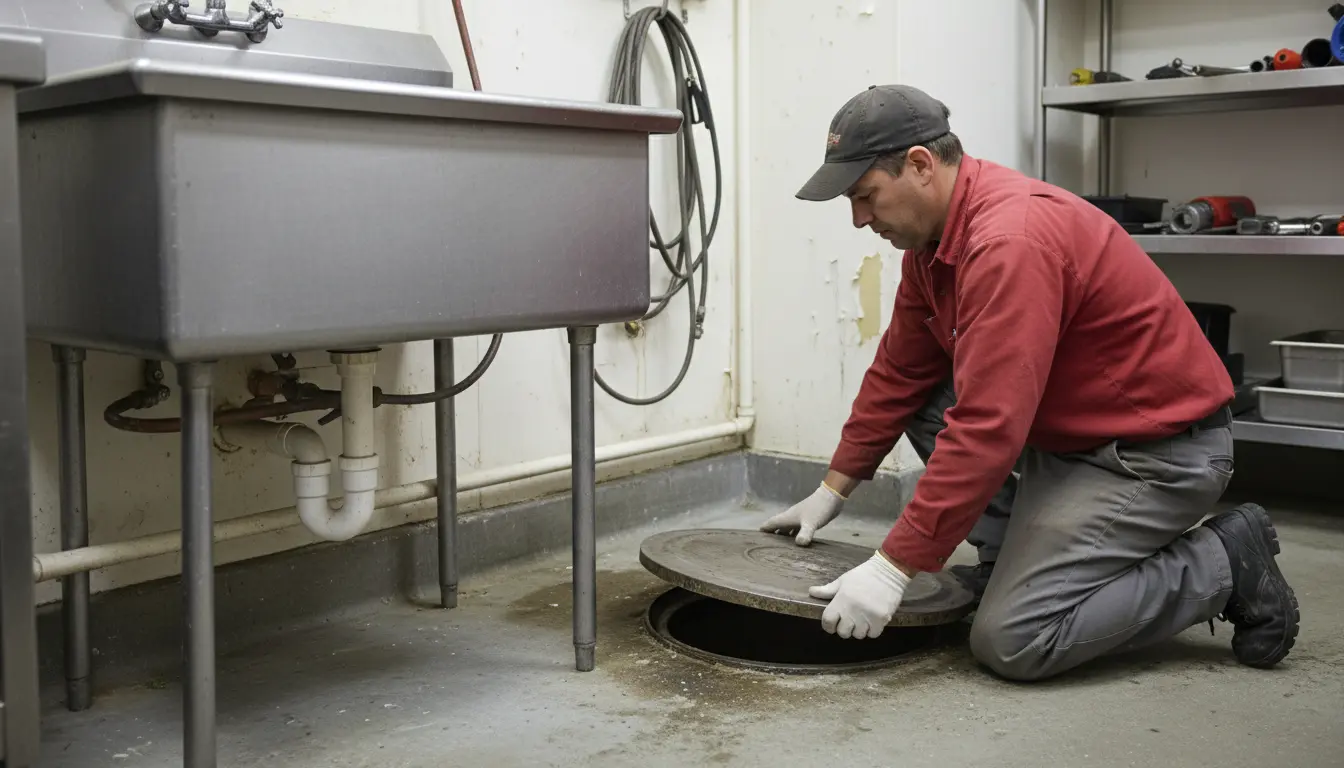
Find the Best Grease Trap Cleaning Companies for Your Business
No obligation • Fast responses • Nationwide coverage

Why you can trust Restaurant Waste Disposal
Restaurant Waste Disposal is a leading U.S. resource for comparing restaurant composting, food-waste recycling, grease trap cleaning, and used cooking oil collection services. Our editorial team researches providers, checks credentials, and organizes unbiased information so operators can make informed decisions. Companies cannot pay to change ratings or placement.
Search providers near you
Top Grease Trap Cleaning Companies in Columbia, South Carolina Ranked
For any restaurant, cafeteria, or food service establishment (FSE) in Columbia, managing fats, oils, and grease (FOG) is a critical operational and regulatory requirement. Proper grease interceptor maintenance is not just about avoiding clogs; it's a mandatory part of local sewer ordinances designed to protect the city's infrastructure from costly blockages and sanitary sewer overflows. The City of Columbia Water enforces specific engineering regulations that mandate regular cleaning, detailed record-keeping, and proper sizing of grease control devices. Establishing a consistent, professional maintenance schedule for your grease trap or interceptor is the most effective way to ensure compliance, avoid significant fines, and prevent disruptive-and expensive-emergency situations.
Skipper's Septic Service LLC
444 Clinton Church Rd, Salley, SC 29137
Skipper's Septic Service LLC offers septic system installation, maintenance, and repair for residential and commercial properties in Augusta, GA. Their services include new septic system installations, septic tank replacements, grease trap installation and cleaning, well installation, drain field repair, and septic system inspections. The company has years of experience providing code-compliant septic solutions and uses high-quality materials to ensure long-lasting results. Emergency septic services are also available.
Kleene Greene Grease Trap Cleaning
107 Rolling Creek Cir, Irmo, SC 29063
Kleene Greene Grease Trap Cleaning is a grease trap cleaning company based in Columbia, SC. They provide grease trap cleaning services to help maintain proper waste management and prevent plumbing issues. The company focuses on servicing commercial kitchens and food service establishments in the Columbia area.
Providence Environmental Inc
312 Sharpe Rd, Columbia, SC 29203
Providence Environmental Inc is based in Columbia, SC, and specializes in used cooking oil collection, grease trap cleaning, and industrial cleaning services. They serve a wide range of customers, including restaurants and government projects, across the southeastern United States. With 20 years of experience, Providence Environmental manages restaurant waste, focusing on oil and grease removal to support environmental protection and customer needs.
Complete Septic Tank LLC
1543 Swansea Rd, Pelion, SC 29123
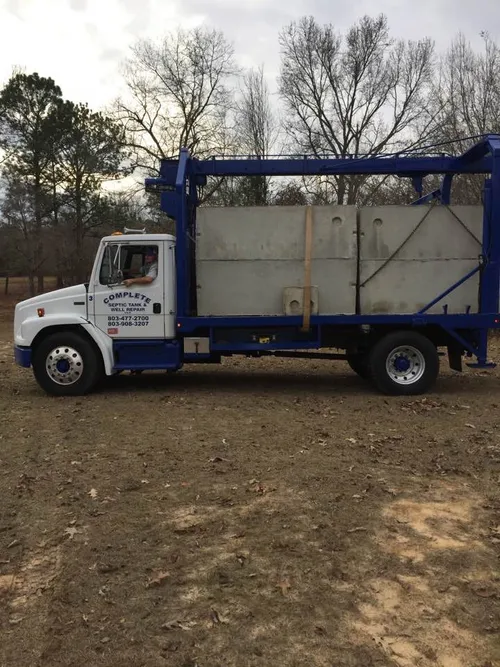
Complete Septic Tank LLC is a full-service septic service provider based in Augusta, GA. They specialize in pump-outs, installation, and repairs for residential and commercial septic systems, as well as grease trap pump-outs for restaurants and cafes. The company also offers water well installation and repair, along with septic tank and well inspections that include Letters of Inspection for home buyers and sellers. Their services cover a range of septic system needs, including addressing issues like septic tank pump-outs and drain line replacements. Complete Septic Tank LLC is known for using cutting-edge technology and conservation methods in their work.
FJ Rabon Construction
250 Kinard Rd, Lugoff, SC 29078
FJ Rabon Construction is a family-owned business based near Columbia, SC, offering grease trap cleaning, septic tank pumping, repairs, and portable toilet rentals. Serving the Columbia area, including Kershaw and Richland counties, they bring over 40 years of experience to each project. The company is fully licensed and bonded, equipped to handle septic tank installation and maintenance with proper expertise.
Understanding Columbia's FOG Control Program
The local regulatory framework for grease management is established to mitigate a common urban issue: sewer system blockages caused by congealed FOG. When grease is poured down drains, it cools and solidifies inside pipes, eventually creating severe clogs that can lead to backups into streets, businesses, and homes. To combat this, the City of Columbia Water has implemented a Fats, Oils, and Grease (FOG) Control Program under its Engineering Regulations.
This program identifies all Food Service Establishments (FSEs) as potential sources of FOG and requires their participation. The cornerstone of compliance is the proper installation, maintenance, and documentation for a grease interceptor or trap. Enforcement is carried out through a process of registration and inspections, where city inspectors verify that establishments are adhering to the rules. The goal is proactive prevention, shifting the responsibility for grease management to the source to avoid public health hazards and environmental damage.
Mandatory Requirements for Food Service Establishments
Compliance in Columbia isn't optional. The city's codes clearly outline specific obligations for every restaurant and commercial kitchen.
- Mandatory Equipment: All FSEs must have a properly functioning grease trap or grease interceptor. The type and size of the device depend on the establishment's specific operations and volume.
- Cleaning Frequency: The base legal requirement is a minimum of two cleanings per year (semi-annually). However, this is an absolute minimum. The regulations state that establishments must determine a higher frequency based on their actual grease production and usage to prevent over-accumulation. For many busy kitchens, effective maintenance often requires monthly or quarterly pump-outs.
- Documentation & Record-Keeping: This is a critical component of compliance. Owners and managers must keep a detailed, signed log or manifest of every grease interceptor cleaning and inspection on the premises. These records must be immediately available for review by a city inspector during a compliance check. Failure to produce proper documentation can result in violations.
- Prohibited Practices: It is illegal to pour grease, oils, or food solids into any drain that leads to the sanitary sewer system 1. All FOG waste must be collected in the interceptor and later properly disposed of or recycled by a licensed service provider.
The Importance of Correct Grease Interceptor Sizing
One of the most common compliance issues stems from an improperly sized unit. A trap that is too small for the kitchen's output will fill up too quickly, requiring excessively frequent service and increasing the risk of grease escaping into the sewer line. Conversely, an oversized unit may not function efficiently. The City of Columbia provides sizing guidelines to help determine the correct capacity based on factors like the number of meals served, the type of food prepared, and the number of sinks and dishwashers connected 2 3.
Sizing is typically based on the flow rate of wastewater and its grease content. Professional plumbers or grease trap service companies familiar with Columbia's codes can perform an assessment to ensure your interceptor meets both the city's specifications and your operational needs 4. Installing the right size from the beginning is a long-term investment in reliable compliance and operational smoothness.
The Real Cost of Grease Trap Maintenance
Understanding the cost structure of grease interceptor service helps in budgeting and highlights the value of preventative care. Prices are not fixed and can vary based on your trap's size, location, accessibility, and the amount of waste to be removed.
- Preventative Pumping: Scheduled, routine cleaning is the most cost-effective approach. For a standard commercial grease trap, you can expect preventative service to range from approximately $250 to over $400 per pump-out 5. This is a manageable, predictable operating expense.
- Emergency Service Costs: When a grease trap overflows, causes a backup, or leads to a city violation, the costs escalate dramatically. Emergency service calls, which often require immediate response and more intensive labor, can easily cost between $800 and $1,200 or more 6. This does not include potential fines from the city for non-compliance or the cost of business interruption.
- Annual Savings: Investing in a smart, regular maintenance schedule with a reputable provider can save a food service establishment thousands of dollars annually by completely avoiding emergency scenarios and associated penalties. The adage "an ounce of prevention is worth a pound of cure" is financially accurate in grease management.
Find the perfect grease trap cleaning companies for your needs
Get personalized recommendations and expert advice
What to Expect During a Compliance Inspection
City of Columbia Water inspectors conduct visits to verify adherence to the FOG program. Being prepared can make this process straightforward. The inspector will typically:
- Request to see your current, on-site cleaning and maintenance manifests. These should be signed by your service provider and detail the date of service, the company's information, and the volume of waste removed.
- Inspect the grease interceptor itself to ensure it is properly installed, functioning, and not overflowing or in a state of neglect.
- Check for any obvious violations, such as grease being poured into floor drains or outdoor grease storage areas that are not contained.
- Verify that your establishment has a valid registration or identification number with the program 7.
Having your records organized and your interceptor well-maintained turns an inspection into a simple formality rather than a stressful event.
Choosing a Professional Service Provider
Given the regulatory and technical complexities, partnering with a professional grease trap cleaning service is essential. A qualified provider does more than just pump out waste. They are a partner in your compliance strategy. Look for a service that:
- Provides Detailed Manifests: They should supply you with a signed, official document after every service, which serves as your proof of compliance.
- Offers Recycling Services: Responsible companies recycle the collected FOG into products like biodiesel or animal feed, ensuring environmentally sound disposal.
- Understands Local Codes: They should be familiar with Columbia's specific Engineering Regulations Part 29 and the City of West Columbia's codes to offer accurate advice on frequency and best practices 8 9.
- Can Assist with Documentation: Some providers offer digital logbooks or reminders to help you keep impeccable records.
Regular, documented maintenance using such a professional service is the cornerstone of avoiding costly fines and serious sewer issues in the Columbia area 10 11. It transforms a regulatory burden into a streamlined part of your kitchen's operational routine.
Frequently asked questions
Sources
Footnotes
-
Fats, Oils, and Grease - City of Columbia Water - https://columbiascwater.net/commercialfog/ ↩
-
Standard Grease Interceptor - City of West Columbia - https://westcolumbiasc.gov/wp-content/uploads/2016/11/Sizing-Guidelines.pdf ↩
-
Grease Trap Sizing Guide - Columbia Water - https://columbiascwater.net/wp-content/uploads/2018/08/fog-grease-trap-sizing.pdf ↩
-
Commercial Grease Interceptor Installation in Columbia, SC - https://cassellbros.com/commercial/plumbing/grease-traps/ ↩
-
Grease Trap Cleaning Prices | Guide on the Industry Average - https://grease-cycle.com/grease-trap-pumping-cost/ ↩
-
Ultimate Grease Trap Pumping Cost Guide: Essential Money-Saving ... - https://www.texwaywastewater.com/grease-trap-pumping-cost/ ↩
-
fog control program - https://ercpsd.net/wp-content/uploads/2025/03/ERCPSD-FOG-PROGRAM.pdf ↩
-
city of columbia engineering regulations part 29: fats, oils, and ... - https://columbiascwater.net/wp-content/uploads/2018/09/engreg29.pdf ↩
-
Columbia Facility Maintenance: Essential Grease Trap Cleaning ... - https://www.myshyft.com/blog/grease-trap-cleaning-columbia-south-carolina/ ↩
-
4-3-73 Grease Traps and Grease Interceptors. - https://codelibrary.amlegal.com/codes/westcolumbia/latest/wcolumbia_sc/0-0-0-1246 ↩
-
Columbia Grease Trap Cleaning | Greasecycle - https://grease-cycle.com/south-carolina/columbia-grease-trap-cleaning/ ↩