Find the Best Grease Trap Cleaning Companies for Your Business
No obligation • Fast responses • Nationwide coverage

Why you can trust Restaurant Waste Disposal
Restaurant Waste Disposal is a leading U.S. resource for comparing restaurant composting, food-waste recycling, grease trap cleaning, and used cooking oil collection services. Our editorial team researches providers, checks credentials, and organizes unbiased information so operators can make informed decisions. Companies cannot pay to change ratings or placement.
Search providers near you
Best Grease Trap Cleaning Companies in South Carolina Ranked
For restaurant owners and food service operators in South Carolina, managing fats, oils, and grease (FOG) is a critical operational and regulatory responsibility. Effective grease trap cleaning is not just about maintenance; it's a key component of environmental compliance and protecting your local sewer system from costly blockages and overflows. In South Carolina, regulations are primarily enforced at the local level by municipal water utilities and sewer districts, each with specific requirements for pumping frequency, documentation, and trap design. Understanding and adhering to these rules is essential for avoiding fines, maintaining a smooth operation, and being a good community partner.
T & N Septic Tank Co
2140 US-521, Sumter, SC 29150, Sumter, SC 29153
T & N Septic Tank Co provides residential and commercial septic system services in Sumter, SC. Their offerings include septic tank installation, repair, pumping, drain field and line work, grease trap maintenance, and land clearing. With over 60 years of experience, they handle everything from new system installations to inspections and emergency repairs. The company also offers 24/7 emergency services to assist customers whenever needed.
Oil and Grease Management
4310 Amsterdam St, North Charleston, SC 29418
Oil and Grease Management is a family-owned company based in Charleston, SC, specializing in used cooking oil collection, grease trap maintenance, hood cleaning, and line jetting. They serve restaurants and commercial kitchens throughout Charleston and the Carolinas, focusing on sustainable practices and compliance with local regulations. With over 20 years of experience, they offer comprehensive grease trap installation and repair, as well as emergency 24/7 grease and drain services. Their hydro jetting capability helps clear tough blockages and maintain smooth plumbing operations.
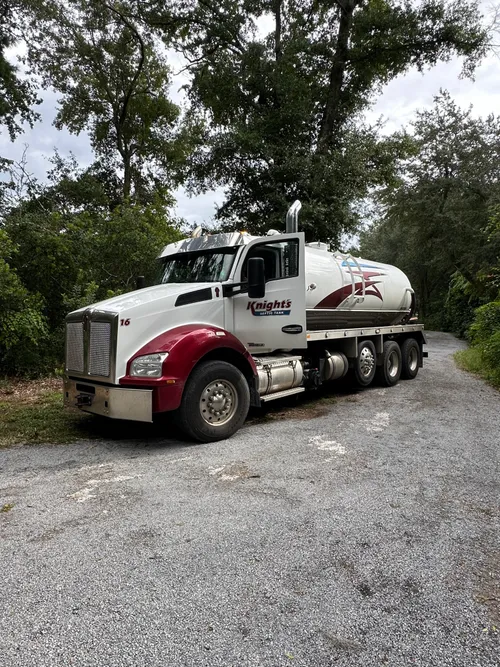
Knights Septic Tank Services
288 Hodge Rd, Summerville, SC 29483
Knights Septic Tank Services has been serving Charleston, SC, and the surrounding Lowcountry area since 1969. Founded by Bud Knight, the company started with septic tank pumping and expanded to include installation, repair, and manufacturing of precast concrete septic tanks and grease traps. Their licensed engineers and technicians offer a range of services including septic tank pumping, grease trap pumping and repair, drain-line installation, and lift station pumping. The company delivers septic tanks and grease traps to the Midlands and beyond, with pump trucks available seven days a week by appointment.
Kleene Greene Grease Trap Cleaning
107 Rolling Creek Cir, Irmo, SC 29063
Kleene Greene Grease Trap Cleaning is a grease trap cleaning company based in Columbia, SC. They provide grease trap cleaning services to help maintain proper waste management and prevent plumbing issues. The company focuses on servicing commercial kitchens and food service establishments in the Columbia area.
Dr Flush
3805 SC-417, Woodruff, SC 29388
Dr Flush is a septic service company based in Greenville, SC, offering residential and commercial grease trap cleaning and septic tank maintenance. They serve Greenville and surrounding counties including Spartanburg, Anderson, Oconee, Pickens, and Laurens. Their services include septic tank pumping, grease trap cleaning, and inspections of leach lines and filtration systems to help prevent waste system failures. Dr Flush also handles commercial applications such as car wash pits. The company emphasizes environmental safety and cost-effective septic system care. They provide prompt service and free estimates.
Understanding Local Grease Trap Regulations
The most important principle for South Carolina businesses is that rules are set by your local Public Works department or Water System. There is no single, statewide standard for grease interceptor maintenance. Instead, you must comply with the FOG program administered by the utility that services your location.
- Key Regulatory Bodies: Major utilities with established FOG programs include the Charleston Water System, the City of Columbia Water, the North Charleston Sewer District, and many other municipal systems across the state.
- The Role of DHEC: The South Carolina Department of Health and Environmental Control (DHEC) oversees general public health and environmental rules but typically does not license grease trap haulers or set specific cleaning schedules for sewer-connected establishments. Their direct permitting role is more prominent for facilities using septic systems.
- Local Permitting: Before opening or modifying your facility, you will likely need to obtain approval from your local water authority. This process often involves paying application and inspection fees and ensuring your grease trap system meets local design standards.
Required Cleaning Frequency and Standards
Local ordinances dictate how often you must have your grease trap or interceptor pumped and cleaned. Failure to meet this schedule is a common cause of violations.
- Common Pumping Schedules: Requirements vary but often mandate cleaning quarterly (four times per year) for traps in high-volume food service areas, such as those in the City of Charleston. Other jurisdictions may require semi-annual (twice yearly) pumping as a minimum 1. Your utility may require more frequent service based on your water usage and the trap's capacity.
- The 25% Rule: A widespread operational standard requires that traps be cleaned before accumulated grease and solids reach 25% of the liquid depth of the trap 2 3. Waiting longer risks grease escaping into the sewer lines.
- Documentation is Mandatory: You are required to maintain detailed, on-site logs of every inspection, cleaning, and pump-out service. These records must include dates, the volume of waste removed, the hauler's information, and the disposal location. Inspectors can request these logs at any time, and not having them can result in penalties.
System Design and Installation Requirements
Compliance starts with proper equipment. Local codes include specific rules for the installation and accessibility of grease interceptors.
- Proper Sizing: Grease traps must be appropriately sized for your facility's projected flow and wastewater characteristics. Sizing formulas are provided by local utilities. For example, establishments served by septic systems may have a minimum size requirement, such as a 1000-gallon grease interceptor.
- Accessibility: Traps must be easily accessible for servicing, inspection, and cleaning. This means clear access lids that are not buried, paved over, or obstructed by equipment.
- Pre-Treatment for High Volume: Larger facilities, such as food processors or high-volume restaurants, are often required to install larger grease interceptors or additional pre-treatment systems to protect the public sewer infrastructure.
Costs for Grease Trap Services in South Carolina
Budgeting for grease trap maintenance is a predictable operational cost. Prices vary based on trap size, location, accessibility, and the service provider.
- Routine Pumping and Cleaning: For scheduled, preventive maintenance, businesses can expect to pay between $250 and $400 per service visit. This is the most cost-effective approach.
- Regional Examples: Data from the North Myrtle Beach area shows average costs ranging from approximately $252 to $362, with some scenarios reaching up to $622 4.
- Emergency Service Premium: If a trap overflows or causes a backup, emergency pump-out and cleaning services can cost significantly more, often ranging from $800 to over $1,200 5. This highlights the financial importance of adhering to a preventive maintenance schedule.
Find the perfect grease trap cleaning companies for your needs
Get personalized recommendations and expert advice
Choosing a Qualified Service Provider
While DHEC does not license haulers, using a reputable and qualified service provider is critical for your compliance. Local utilities may have requirements for the haulers that service businesses in their jurisdiction.
- Verify Licensing and Insurance: Ensure your provider has the proper business licenses and carries adequate insurance, including general liability and environmental coverage.
- Check Disposal Practices: Responsible haulers must dispose of grease trap waste at approved facilities, such as rendering plants or wastewater treatment plants permitted to accept such waste. You can ask for documentation of proper disposal 6 7.
- Request Detailed Documentation: A professional service will provide you with a detailed, signed service report after each cleaning. This document is a vital piece of your compliance records and should be filed immediately.
Steps for Ensuring Compliance
- Identify Your Local Utility: Determine which water or sewer district services your business address and contact them for their specific FOG program manual and requirements 8.
- Review System Design: Confirm that your existing grease trap is correctly sized, permitted, and accessible according to local code. If you are planning a new build or renovation, submit plans for utility approval early in the process 9.
- Establish a Service Contract: Hire a licensed and insured grease trap cleaning company to perform service at the frequency required by your local ordinance. A set contract ensures you never miss a required service.
- Maintain Impeccable Records: Keep a dedicated binder or digital folder for all grease trap-related documents, including permits, service reports, and hauler information. This log should be readily available for inspections 10 11.
Frequently asked questions
Sources
Footnotes
-
Fats, Oil and Grease Regulations - Chapin, SC - https://www.chapinsc.com/DocumentCenter/View/1432/Fats-Oil-and-Grease-Regulations ↩
-
4-3-73 Grease Traps and Grease Interceptors. - https://codelibrary.amlegal.com/codes/westcolumbia/latest/wcolumbia_sc/0-0-0-1246 ↩
-
2021 FOG Program Standards - North Charleston Sewer District - https://ncsd.sc.gov/wp-content/uploads/2023/08/2022-FOG-Program-Standards.pdf ↩
-
Grease Trap Cleaning in North Myrtle Beach, SC - Costs 12 / 2025 - https://www.homeyou.com/sc/grease-trap-cleaning-north-myrtle-beach-costs ↩
-
Ultimate Grease Trap Pumping Cost Guide: Essential Money-Saving ... - https://www.texwaywastewater.com/grease-trap-pumping-cost/ ↩
-
Columbia Facility Maintenance: Essential Grease Trap ... - Shyft - https://www.myshyft.com/blog/grease-trap-cleaning-columbia-south-carolina/ ↩
-
An Assessment of the Restaurant Grease Collection and Rendering ... - https://energy.sc.gov/sites/energy/files/Documents/Assessment_of_Restaurant_Grease_Report-Summer_2010%20_updated.pdf ↩
-
Grease Trap Requirements | Charleston Water System, SC - Official Website - https://www.charlestonwater.com/132/Grease-Trap-Requirements ↩
-
Septic Tanks - Commercial Builder - https://des.sc.gov/permits-regulations/septic-tanks/permits-licenses/septic-tanks-commercial-builder ↩
-
Fats, Oils, and Grease - City of Columbia Water - https://columbiascwater.net/commercialfog/ ↩
-
Fats, Oil and Grease (FOG) Best Management Practices (BMP) Manual - https://www.yorkcountygov.com/DocumentCenter/View/6687/FOG-Program-Manual-And-Application-2022 ↩