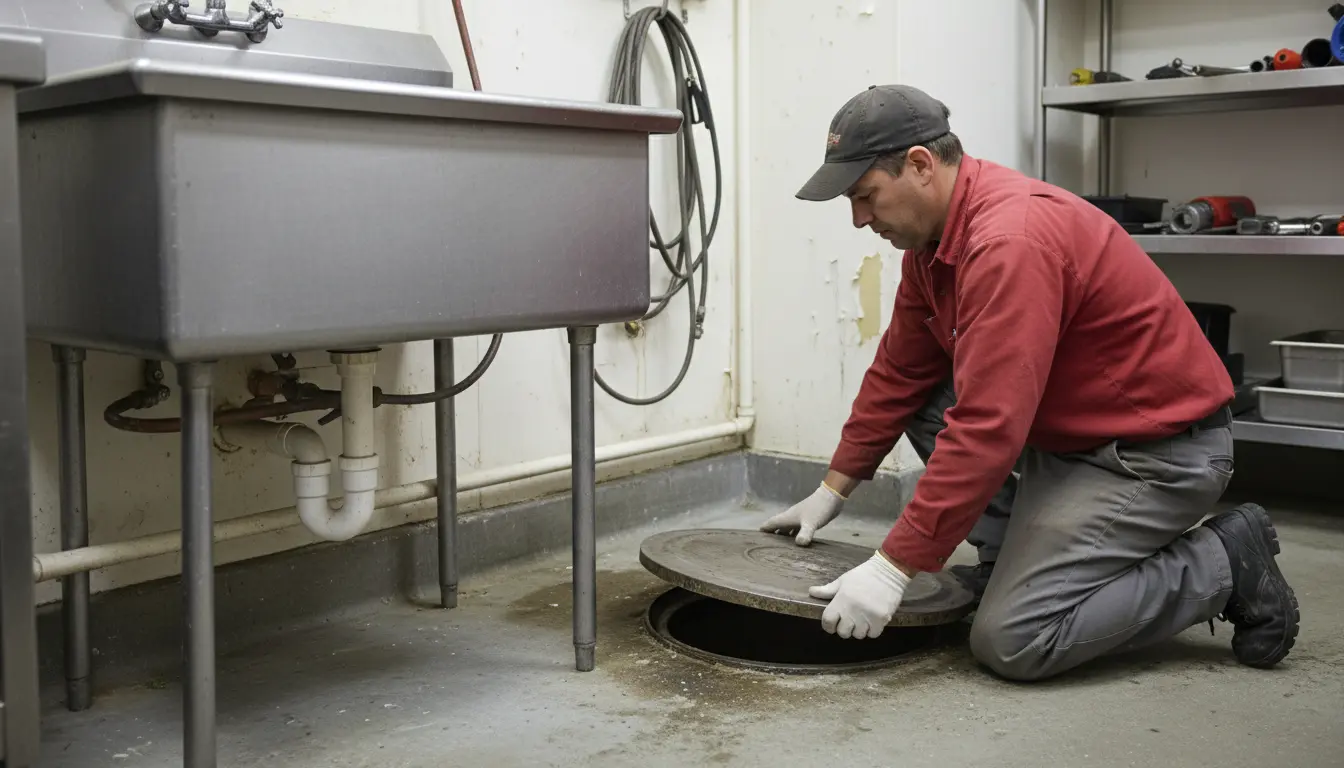
Find the Best Grease Trap Cleaning Companies for Your Business
No obligation • Fast responses • Nationwide coverage

Why you can trust Restaurant Waste Disposal
Restaurant Waste Disposal is a leading U.S. resource for comparing restaurant composting, food-waste recycling, grease trap cleaning, and used cooking oil collection services. Our editorial team researches providers, checks credentials, and organizes unbiased information so operators can make informed decisions. Companies cannot pay to change ratings or placement.
Search providers near you
Top Grease Trap Cleaning Companies in Woonsocket, Rhode Island Ranked
For every restaurant, café, and food service establishment in Woonsocket, maintaining a clean and compliant grease interceptor system is a non-negotiable part of daily operations. These essential devices, often called grease traps or grease interceptors, are your first line of defense against costly sewer blockages, unpleasant odors, and significant regulatory fines. Rhode Island, including Woonsocket, operates under strict state plumbing codes that mandate regular maintenance and cleaning of these systems. This guide provides Woonsocket food service operators with a clear understanding of local requirements, typical service costs, and best practices to ensure your business remains in good standing with local health and public works authorities.
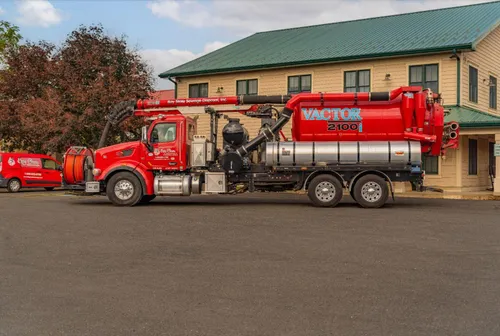
Bay State Sewage Disposal, Inc. Environmental Services Company
105 Kingman St, Lakeville, MA 02347
Bay State Sewage Disposal, Inc. Environmental Services Company is a family-owned business based near Plymouth, MA, specializing in residential and commercial septic system services. They serve southeastern Massachusetts, Rhode Island, Cape Cod, and surrounding areas, offering septic pumping, repairs, maintenance, grease trap cleaning, and sewer line services. Their capabilities include commercial vactor truck services and video drain and sewer line inspections. Established in 1984, the company provides 24/7 emergency services with fully licensed technicians.
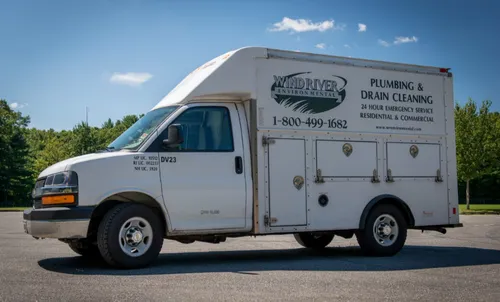
Wind River Environmental
141 Shun Pike, Johnston, RI 02919
Wind River Environmental is a grease trap cleaning and septic service provider based in Providence, RI. They serve residential, commercial, and municipal clients in Johnston and the surrounding areas, offering tailored solutions that comply with local codes and regulations. The company has a long history dating back to 1946 and provides a range of services including septic pumping, plumbing, grease trap cleaning, and system repairs. Wind River Environmental is available 24/7 to address urgent needs and supports sustainable wastewater management through its operations.
Roto-Rooter Plumbing & Water Cleanup
1195 Broad St, Providence, RI 02905
Roto-Rooter Plumbing & Water Cleanup provides comprehensive plumbing services in Providence, RI, serving both residential and commercial clients. Their offerings include floodwater cleanup, sewer and drain cleaning, water heater repair and installation, grease trap maintenance, and mold remediation. The company is equipped with advanced tools such as hydro-jetting and video camera inspections to address complex plumbing issues. Roto-Rooter has extensive experience handling plumbing challenges in older and modern buildings throughout Providence and offers 24/7 emergency services year-round.
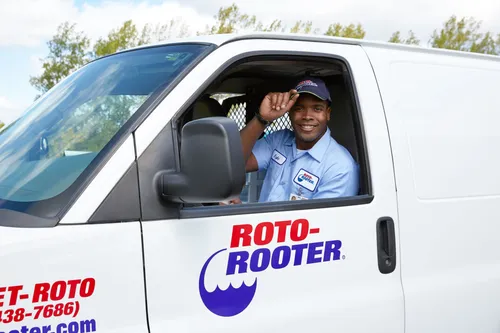
Roto-Rooter Plumbing & Water Cleanup
175 Maple St, Stoughton, MA 02072
Roto-Rooter Plumbing & Water Cleanup offers comprehensive residential and commercial plumbing services in Brockton, MA. The company specializes in sewer and drain cleaning, grease trap maintenance, water heater repair and installation, and emergency flood and water damage cleanup. They provide 24/7 availability, 365 days a year, to address urgent plumbing issues including sewer backups and burst pipes. Roto-Rooter uses advanced equipment such as high-pressure water jetting (hydro-jetting) and trenchless pipe replacement techniques for efficient sewer line repairs. Serving a broad area around Brockton, they bring extensive experience and local knowledge to their work.
Chase Harris Septic Services
85 Dudley Rd, Sutton, MA 01590
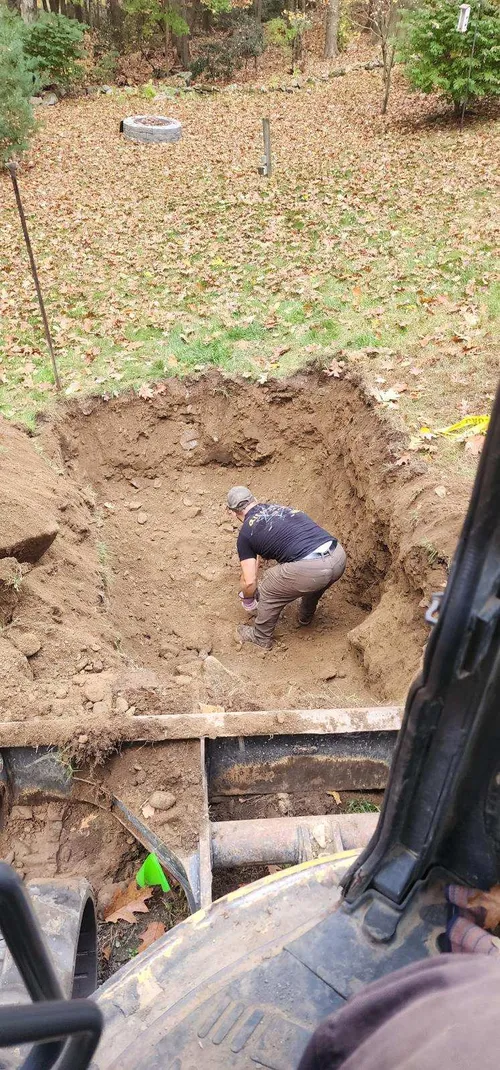
Chase Harris Septic Services is a family-owned business providing septic system solutions in Worcester, MA, and surrounding communities. They offer a range of services including septic pumping, system repairs, installations, Title 5 inspections, grease trap cleaning, portable toilet rentals, excavation, and site preparation. With decades of experience, the company ensures systems meet local codes and regulations, including Title 5 standards. Their team uses advanced equipment and techniques to maintain and repair septic systems efficiently, helping extend system life and prevent costly issues.
Understanding Local Grease Interceptor Regulations
Operating a food service business in Woonsocket means you are subject to both Rhode Island state amendments to the 2021 International Plumbing Code (IPC) and any specific local ordinances enforced by the city 1. The core rule is mandatory: any establishment that produces fats, oils, and grease (FOG) as a byproduct of cooking must have a properly sized and functioning grease interceptor or automatic grease removal device on its kitchen drainage system 1.
The key to compliance isn't just having the equipment-it's maintaining it. The standard, as referenced by regulatory bodies like the California State Water Resources Control Board, is to clean your interceptor before the accumulated FOG and solids reach 25% of the unit's liquid depth 2. Allowing buildup beyond this point causes "short-circuiting," where wastewater flows over the grease layer instead of through it, rendering the trap ineffective and allowing FOG to escape into the public sewer lines 2.
The most critical step for any Woonsocket restaurant owner is to confirm local rules directly. Always contact the Woonsocket Health Department or the Woonsocket Department of Public Works to understand their specific inspection schedules, reporting requirements, and any city-specific amendments to the state code.
The High Cost of Non-Compliance
Ignoring grease trap maintenance is a risky and expensive gamble. Local and state inspectors conduct regular checks to verify that systems are functioning correctly and that maintenance records are up-to-date. Non-compliance doesn't just result in a warning; it can lead to substantial daily fines until the violation is corrected. In severe cases, where a business is found to be repeatedly violating codes or causing a public health nuisance, authorities have the power to mandate a business closure until the issue is resolved 3.
These enforcement actions are in place to protect the city's sewer infrastructure. When FOG escapes from poorly maintained traps, it cools and solidifies inside sewer pipes, creating massive blockages that can lead to sanitary sewer overflows (SSOs). These overflows are environmental hazards and are incredibly costly for municipalities to repair. By holding each business accountable for its FOG, Woonsocket works to prevent these public health crises and infrastructure damages.
Scheduling and Frequency of Service
So, how often should you schedule grease interceptor cleaning? While the 25% rule is the technical trigger, a good rule of thumb for most busy Woonsocket restaurants is every 3 to 6 months 4. However, frequency is highly dependent on your specific operation. A high-volume diner or a pizza shop with heavy fryer use will need service more often than a small sandwich shop. The best practice is to start with a recommended schedule from a professional service provider and then adjust based on your trap's condition during each service visit.
Many professional grease trap services include a system inspection as part of their cleaning routine 5 6. This is invaluable, as the technician can assess the internal condition of your interceptor, check for wear and tear, and alert you to any potential issues before they become emergencies or compliance failures. This proactive approach is far more cost-effective than reacting to a clogged line or an inspector's violation notice.
What to Expect: Service Costs in Woonsocket
Understanding the potential costs helps in budgeting for this essential operational expense. For a standard cleaning service on a well-maintained, accessible grease trap, Woonsocket restaurant owners can expect a general price range of $175 to $475 or more per service 7 8 9.
Several key factors influence where your cost falls within this range:
- Trap Size and Type: Larger in-ground grease interceptors cost more to pump and clean than smaller under-sink units.
- Location and Accessibility: An outdoor trap in a dedicated vault is typically easier and cheaper to service than an indoor trap in a cramped basement.
- Condition and Frequency: A trap that is cleaned regularly is less labor-intensive than one that is severely clogged and overdue for service. Emergency or after-hours cleanings command a premium price 10.
- Service Provider: Rates can vary between local companies based on equipment, insurance, and the comprehensiveness of their service (e.g., disposal, cleaning, inspection, reporting).
Find the perfect grease trap cleaning companies for your needs
Get personalized recommendations and expert advice
The Importance of Meticulous Recordkeeping
One of the simplest yet most powerful tools for compliance is a detailed maintenance log. Every time your grease interceptor is serviced, you should receive a detailed report or manifest from the service provider. This document should include:
- Date and time of service
- Business name and address
- Name of the service company
- Volume of waste removed (in gallons)
- Disposal location (the licensed facility where the grease was taken)
- Technician's observations on the trap's condition
File every single one of these reports. During an inspection, being able to present a organized folder or digital record of your consistent, proactive maintenance is the strongest evidence of your compliance efforts 11. It demonstrates due diligence and can often help resolve questions from an inspector quickly.
Beyond Cleaning: Best Practices for FOG Management
Professional cleaning is essential, but what happens in your kitchen between service visits is just as important. Implementing simple source control measures can dramatically reduce the load on your grease trap and extend the time between necessary cleanings.
- Scrape, Don't Rinse: Train staff to scrape all food scraps and grease from dishes, pots, and pans into the trash or compost bin before rinsing.
- Use Collection Containers: Place grease collection containers near fryers and grills. All used fryer oil and grease from cooking surfaces should be poured into these containers for proper recycling or disposal, never down the drain.
- Install Drain Screens: Use strainers in all sink drains to catch solid food particles.
- Avoid Garbage Disposals: If possible, avoid using garbage disposals, as they emulsify fats and send fine solids into the trap, accelerating buildup.
By combining regular professional grease interceptor maintenance with diligent daily kitchen practices, Woonsocket restaurant owners can effectively manage FOG, avoid costly problems, and focus on what they do best-serving great food to the community.
Frequently asked questions
Sources
Footnotes
-
2021 International Plumbing Code (IPC) with Rhode Island ... - https://codes.iccsafe.org/s/RIPC2021P1/chapter-10-traps-interceptors-and-separators/RIPC2021P1-Ch10-Sec1003.3.1 ↩ ↩2
-
Fats, Oils and Grease (FOG) Management & Control Program - https://www.waterboards.ca.gov/rwqcb7/water_issues/programs/pretreatment/docs/intro_fog_inspections.pdf ↩ ↩2
-
Complying with Grease Trap Codes: 5 Essential Tips - https://www.unitedsewerservice.com/complying-with-local-regulations-and-codes-for-grease-trap-maintenance/ ↩
-
Grease Trap Cleaning in Woonsocket, RI - https://greasetrapcleaningnorthprovidence.com/woonsocket-ri.html ↩
-
Grease Trap Regulations and Compliance: What You Need to ... - https://www.texwaywastewater.com/grease-trap-regulations-and-compliance/ ↩
-
Grease Trap Services in Rhode Island - ProSeptic - https://prosepticri.com/grease-trap-services-in-rhode-island/ ↩
-
Grease Traps for Restaurants: The Essential Guide - https://therestaurantwarehouse.com/blogs/restaurant-equipment/grease-trap-for-restaurant-guide ↩
-
Ultimate Grease Trap Pumping Cost Guide: Essential Money-Saving ... - https://www.texwaywastewater.com/grease-trap-pumping-cost/ ↩
-
The Cost To Clean A Grease Trap For Restaurants - https://thegreasecompany.com/blog/greasetrapcleaningcost/ ↩
-
How Much Does a Proper Grease Trap Cleaning Cost? - https://hulseyenvironmental.com/how-much-does-a-proper-grease-trap-cleaning-partner-cost/ ↩
-
Grease Trap for Restaurant: The Ultimate Guide - https://therestaurantwarehouse.com/blogs/restaurant-equipment/grease-trap-for-restaurant-guide ↩