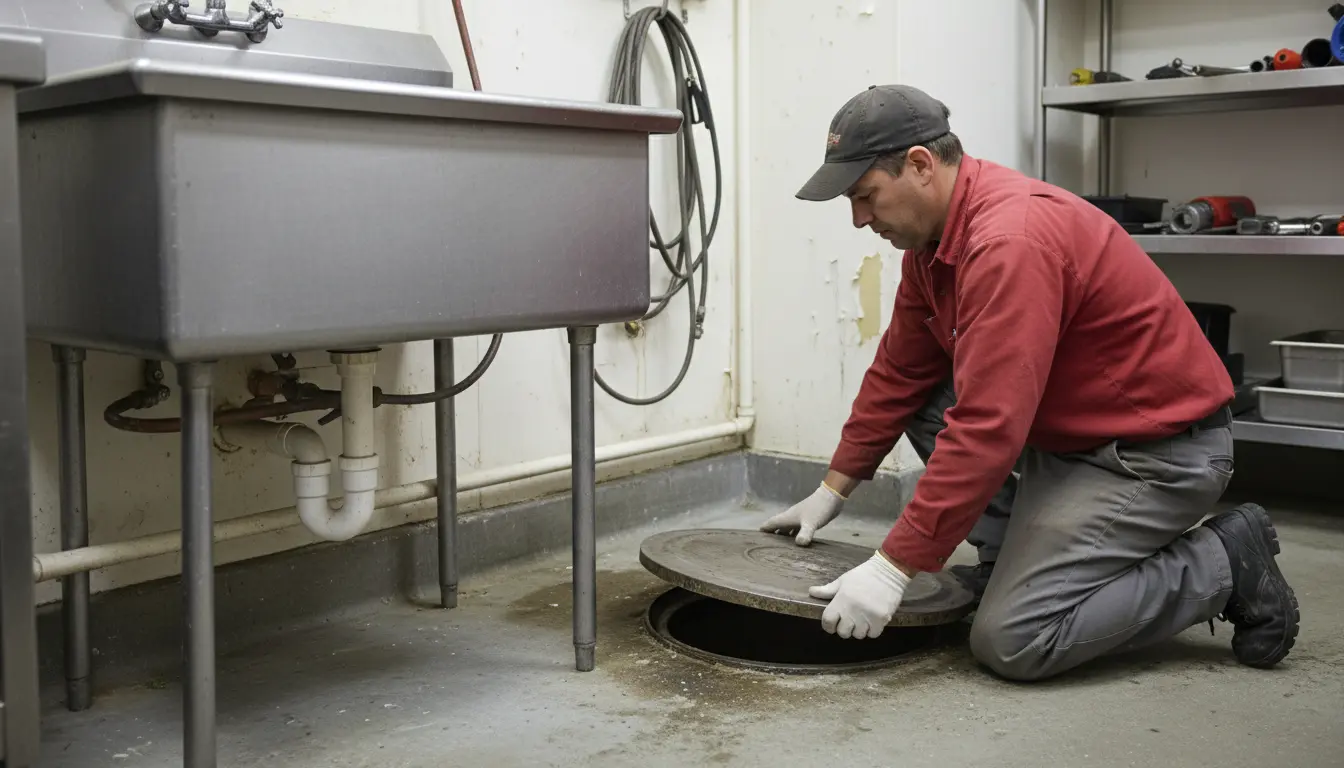
Find the Best Grease Trap Cleaning Companies for Your Business
No obligation • Fast responses • Nationwide coverage

Why you can trust Restaurant Waste Disposal
Restaurant Waste Disposal is a leading U.S. resource for comparing restaurant composting, food-waste recycling, grease trap cleaning, and used cooking oil collection services. Our editorial team researches providers, checks credentials, and organizes unbiased information so operators can make informed decisions. Companies cannot pay to change ratings or placement.
Search providers near you
Best Grease Trap Cleaning Companies in Rhode Island Ranked
For any food service establishment in Rhode Island, from Providence diners to Newport seafood shacks, effective grease trap maintenance is a critical operational and environmental responsibility. The state's dense network of sewers and its commitment to protecting Narragansett Bay mean that regulations governing fats, oils, and grease (FOG) are strictly enforced. Proper cleaning isn't just about avoiding clogs; it's a legal requirement that involves multiple layers of oversight, primarily from the Narragansett Bay Commission (NBC) and your local city or town. Understanding the specific rules for your location, the importance of regular pumping, and the associated costs is essential for maintaining compliance, preventing costly emergencies, and supporting Rhode Island's wastewater infrastructure.
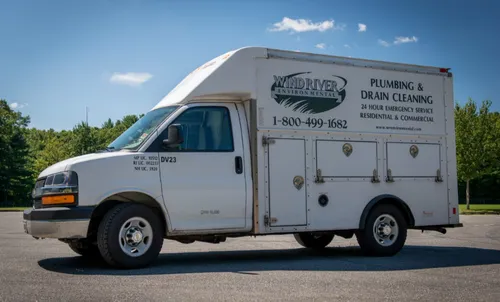
Wind River Environmental
141 Shun Pike, Johnston, RI 02919
Wind River Environmental is a grease trap cleaning and septic service provider based in Providence, RI. They serve residential, commercial, and municipal clients in Johnston and the surrounding areas, offering tailored solutions that comply with local codes and regulations. The company has a long history dating back to 1946 and provides a range of services including septic pumping, plumbing, grease trap cleaning, and system repairs. Wind River Environmental is available 24/7 to address urgent needs and supports sustainable wastewater management through its operations.
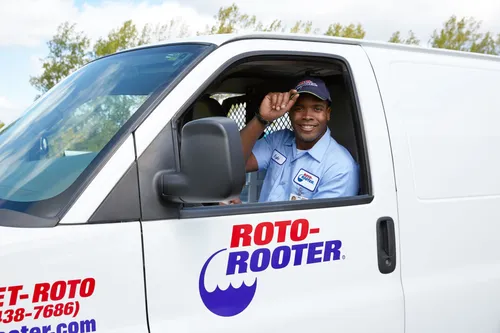
Roto-Rooter Plumbing & Water Cleanup
1195 Broad St, Providence, RI 02905
Roto-Rooter Plumbing & Water Cleanup provides comprehensive plumbing services in Providence, RI, serving both residential and commercial clients. Their offerings include floodwater cleanup, sewer and drain cleaning, water heater repair and installation, grease trap maintenance, and mold remediation. The company is equipped with advanced tools such as hydro-jetting and video camera inspections to address complex plumbing issues. Roto-Rooter has extensive experience handling plumbing challenges in older and modern buildings throughout Providence and offers 24/7 emergency services year-round.
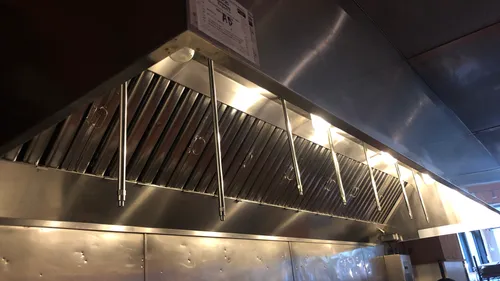
Hood Cleaning Expert
Providence, RI
Hood Cleaning Expert is a grease trap cleaning company based in Providence, RI. They provide kitchen hood and exhaust fan system cleaning services, focusing on grease removal, clogged drain clearing, and grease fire prevention. Their team is professionally trained and NFPA 96-compliant, offering 24/7 availability to support restaurant safety and compliance. Hood Cleaning Expert serves multiple locations including Providence and surrounding areas, bringing experience as former restaurant owners to their work.
Baker Commodities Inc
4 Riverdale Ct, West Warwick, RI 02893
Baker Commodities Inc is a waste management company based near Cranston, RI, offering grease collection and related services. They serve businesses in Cranston and the broader Northeast region, providing animal by-product recycling, grease trap cleaning, drain cleaning, and high-pressure power-washing with water recovery. Their services help restaurants and other institutions recycle grease and manage waste sustainably. Baker Commodities also offers emergency services available at any hour, supporting environmental sustainability through Total Grease Management® solutions.
Understanding Rhode Island's Regulatory Framework
Grease trap management in Rhode Island operates under a dual regulatory system. At the regional level, the Narragansett Bay Commission (NBC) oversees wastewater pretreatment for a significant portion of the state. The NBC requires food preparation facilities to obtain a wastewater permit as part of its Grease Control Program, which is designed to prevent FOG from entering and clogging the public sewer system. This program sets the foundational standards for grease interceptor maintenance and discharge.
Simultaneously, local city and town authorities enforce their own ordinances, which can be more stringent. For example, the City of Providence mandates a minimum cleaning frequency of every 90 days for many establishments, while South Kingstown requires permits for grease trap installation and hauler operation, along with twice-yearly inspections. Always check with both your local health or sewer department and the NBC to ensure full compliance with all applicable rules.
Key Rules and Maintenance Standards
Adhering to a few core principles will keep your facility in good standing with regulators.
- The "1/4 Rule": This is a universal best practice and often a codified requirement. Grease traps and interceptors must be cleaned when the combined FOG and solids layer reaches 25% of the unit's total volume 1 2. Allowing accumulation beyond this point drastically reduces the trap's effectiveness and increases the risk of FOG escaping into the sewer lines.
- Mandatory Cleaning Frequency: While the 1/4 rule dictates necessity, many municipalities set a maximum interval between cleanings. As noted, Providence enforces a 90-day minimum for many traps, meaning even if your trap isn't 25% full, it must still be serviced quarterly 3. Your local ordinance will specify the required schedule.
- Record-Keeping and Inspection Logs: Facilities are typically required to maintain a detailed maintenance log. This includes dates of pumping, the volume of waste removed, the hauler's information, and disposal receipts. Weekly internal inspections to check for FOG accumulation are also a standard expectation. These logs must be available for review during inspections by the NBC or local officials.
Permitting and Compliance Procedures
Navigating the permitting process is a crucial first step for any new facility or when making changes to your existing setup.
- Wastewater Permit (NBC): If your business is in the NBC service area, you must apply for a wastewater permit through their Pretreatment Program 4. This permit outlines your specific obligations for grease control.
- Local Installation & Hauling Permits: Before installing a new or replacement grease interceptor, approval is usually required from your local town or city, often through the Health Department or Sewer Board 5 6. Furthermore, the service company you hire to pump your trap must be licensed or permitted by your locality to collect and haul grease waste 6.
- Annual Pump-Out Requirement: A common condition of compliance is that grease interceptors must be fully pumped out and cleaned by a licensed hauler at least once per year, regardless of more frequent interim services 7.
Find the perfect grease trap cleaning companies for your needs
Get personalized recommendations and expert advice
Cost of Grease Trap Services in Rhode Island
The cost for professional grease trap cleaning in Rhode Island varies based on several factors, including the size and location of the trap (indoor vs. outdoor), the frequency of service, and your specific location. Establishing a regular, scheduled service contract is the most cost-effective approach.
- Scheduled, Routine Service: For a standard pump-out of an indoor grease trap, restaurants can expect costs to range from approximately $125 to $475 or more per service 8 9. The final price depends on the trap's capacity (e.g., 500-gallon vs. 1,500-gallon), how easily it can be accessed, and the terms of your service agreement.
- Emergency or One-Time Cleaning: Reacting to a problem or waiting until an inspector mandates a cleaning is far more expensive. Emergency service calls can range from $800 to $1,200 or higher per visit 10 11. This premium is due to the immediate response, potential for more difficult extraction, and the higher risk of sewer line blockages or overflows.
- Cost-Saving Strategy: The most significant way to manage costs is to implement a preventive maintenance schedule. Regular pumping prevents severe buildup, reduces the risk of emergencies, and often qualifies you for lower per-service rates under a contract. It also minimizes the risk of non-compliance fines from regulatory bodies.
Choosing a Service Provider
Selecting the right partner for grease trap maintenance is vital. Look for a licensed hauler permitted to work in your specific Rhode Island municipality. A reputable provider will understand both NBC and local regulations, help you determine the optimal service frequency, provide thorough documentation (waste manifests, receipts) for your compliance logs, and offer environmentally responsible disposal of the collected FOG. They should also be able to advise on best practices for daily kitchen operations to extend the time between necessary pump-outs.
Consequences of Non-Compliance
Failing to maintain your grease trap properly can lead to serious consequences. Environmentally, it contributes to sanitary sewer overflows (SSOs), which can pollute Narragansett Bay and local waterways. For your business, the risks include severe drain and sewer line clogs, leading to operational shutdowns, expensive plumbing repairs, and cleanup costs. Regulatory penalties from the NBC or your town can include significant fines and, in persistent cases, legal action or the revocation of operating permits.
Frequently asked questions
Sources
Footnotes
-
Restaurant Grease Trap Cleaning FAQs - https://www.mahoneyes.com/restaurant-grease-trap-cleaning-faqs/ ↩
-
How to Clean a Grease Trap (and How Often You Should) - https://greaseconnections.com/how-to-clean-a-grease-trap-and-how-often-you-should/ ↩
-
Essential Grease Trap Maintenance For Providence Facilities - Shyft - https://www.myshyft.com/blog/grease-trap-cleaning-providence-rhode-island/ ↩
-
Grease Control Program - Narrabay - https://www.narrabay.com/programs-and-initiatives/pretreatment/grease-control-program/ ↩
-
Commercial Users | South Kingstown, RI - https://www.southkingstownri.gov/364/Commercial-Users ↩
-
Grease Trap 101: Grease Hauling Permits - http://foodgreasetrappers.com/2016/02/grease-trap-101-grease-hauling-permits/ ↩ ↩2
-
In-Ground Passive Grease Interceptor - Narragansett Bay Commission - https://www.narrabay.com/programs-and-initiatives/pretreatment/proper-grease-disposal/in-ground-passive-grease-interceptor/ ↩
-
Grease Trap Cleaning Service in Johnston, RI | WRE - https://www.wrenvironmental.com/johnston-ri/business-commercial/grease-trap-cleaning/ ↩
-
How Much Does a Proper Grease Trap Cleaning Cost? - https://hulseyenvironmental.com/how-much-does-a-proper-grease-trap-cleaning-partner-cost/ ↩
-
Ultimate Grease Trap Pumping Cost Guide: Essential Money-Saving ... - https://www.texwaywastewater.com/grease-trap-pumping-cost/ ↩
-
Grease Trap Cleaning Prices | Guide on the Industry Average - https://grease-cycle.com/grease-trap-pumping-cost/ ↩