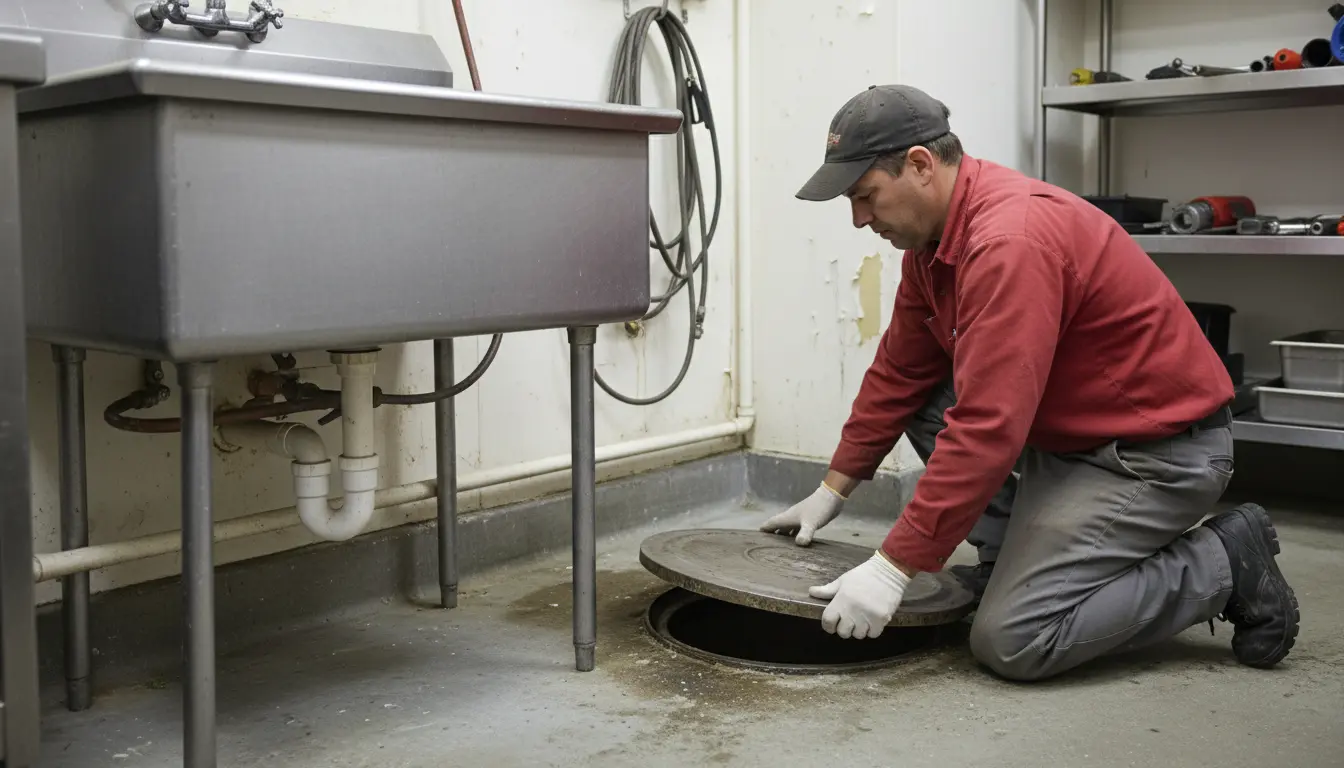
Find the Best Grease Trap Cleaning Companies for Your Business
No obligation • Fast responses • Nationwide coverage

Why you can trust Restaurant Waste Disposal
Restaurant Waste Disposal is a leading U.S. resource for comparing restaurant composting, food-waste recycling, grease trap cleaning, and used cooking oil collection services. Our editorial team researches providers, checks credentials, and organizes unbiased information so operators can make informed decisions. Companies cannot pay to change ratings or placement.
Search providers near you
Top Grease Trap Cleaning Companies in Providence, Rhode Island Ranked
For any restaurant or food service establishment in Providence, maintaining a clean and compliant grease trap isn't just a good practice-it's a legal requirement essential for protecting the city's sewer infrastructure. Proper grease interceptor maintenance prevents costly blockages, environmental damage, and significant fines from local and state authorities. This guide covers the specific regulations, best practices, and service considerations for effective grease management in Rhode Island's capital, helping your business operate smoothly and in full compliance.
Local enforcement is a collaborative effort between the Providence Public Works Department, the Health Department, and the Rhode Island Department of Environmental Management (RIDEM). Their shared goal is to minimize the introduction of Fats, Oils, and Grease (FOG) into the public sewer system, which can cause severe backups and overflows. Adherence to the state plumbing code and maintaining meticulous records are your first line of defense against violations and the operational headaches that follow.
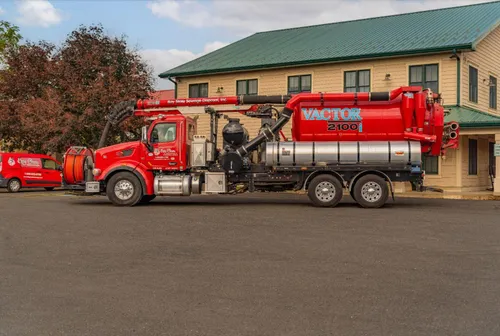
Bay State Sewage Disposal, Inc. Environmental Services Company
105 Kingman St, Lakeville, MA 02347
Bay State Sewage Disposal, Inc. Environmental Services Company is a family-owned business based near Plymouth, MA, specializing in residential and commercial septic system services. They serve southeastern Massachusetts, Rhode Island, Cape Cod, and surrounding areas, offering septic pumping, repairs, maintenance, grease trap cleaning, and sewer line services. Their capabilities include commercial vactor truck services and video drain and sewer line inspections. Established in 1984, the company provides 24/7 emergency services with fully licensed technicians.
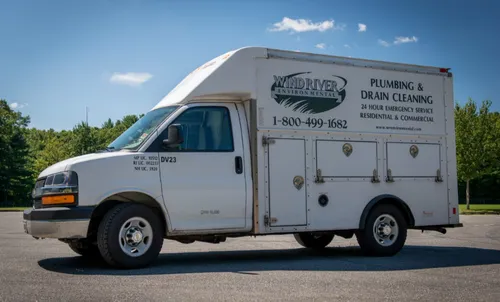
Wind River Environmental
141 Shun Pike, Johnston, RI 02919
Wind River Environmental is a grease trap cleaning and septic service provider based in Providence, RI. They serve residential, commercial, and municipal clients in Johnston and the surrounding areas, offering tailored solutions that comply with local codes and regulations. The company has a long history dating back to 1946 and provides a range of services including septic pumping, plumbing, grease trap cleaning, and system repairs. Wind River Environmental is available 24/7 to address urgent needs and supports sustainable wastewater management through its operations.
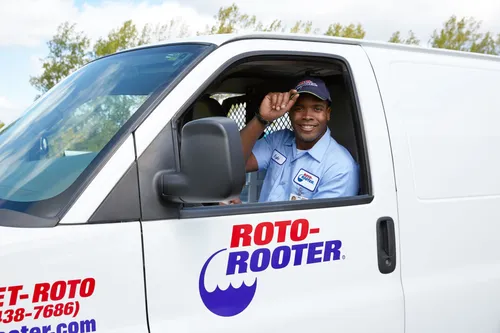
Roto-Rooter Plumbing & Water Cleanup
1195 Broad St, Providence, RI 02905
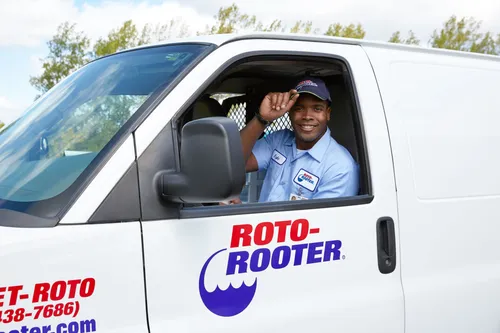
Roto-Rooter Plumbing & Water Cleanup provides comprehensive plumbing services in Providence, RI, serving both residential and commercial clients. Their offerings include floodwater cleanup, sewer and drain cleaning, water heater repair and installation, grease trap maintenance, and mold remediation. The company is equipped with advanced tools such as hydro-jetting and video camera inspections to address complex plumbing issues. Roto-Rooter has extensive experience handling plumbing challenges in older and modern buildings throughout Providence and offers 24/7 emergency services year-round.
Roto-Rooter Plumbing & Water Cleanup
175 Maple St, Stoughton, MA 02072
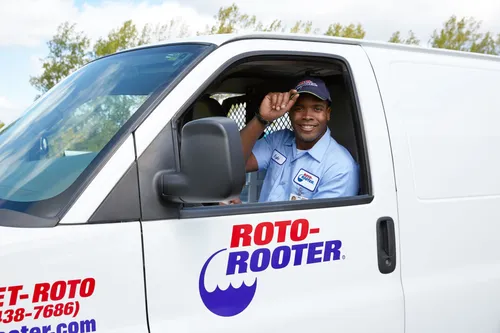
Roto-Rooter Plumbing & Water Cleanup offers comprehensive residential and commercial plumbing services in Brockton, MA. The company specializes in sewer and drain cleaning, grease trap maintenance, water heater repair and installation, and emergency flood and water damage cleanup. They provide 24/7 availability, 365 days a year, to address urgent plumbing issues including sewer backups and burst pipes. Roto-Rooter uses advanced equipment such as high-pressure water jetting (hydro-jetting) and trenchless pipe replacement techniques for efficient sewer line repairs. Serving a broad area around Brockton, they bring extensive experience and local knowledge to their work.
Roto-Rooter Plumbing & Water Cleanup
404 Nash Rd bldg f, New Bedford, MA 02746
Roto-Rooter Plumbing & Water Cleanup in New Bedford, MA, offers a wide range of plumbing services for both residential and commercial clients. Their expertise includes floodwater cleanup, sewer and drain cleaning, water heater repairs, grease trap maintenance, and mold remediation. The company uses advanced tools such as high-pressure water jetting and HD inspection cameras to address complex plumbing issues efficiently. Founded in 1935, Roto-Rooter continues to provide comprehensive plumbing solutions and offers 24/7 emergency services to handle urgent plumbing problems at any time.
Understanding Providence and Rhode Island Grease Trap Codes
The foundation of all grease trap requirements in Providence is the Rhode Island Plumbing Code (2019), specifically Chapter 10: Traps, Interceptors and Separators. This code mandates that any facility involved in food preparation must install a properly sized grease interceptor. The code specifies requirements for ready access for inspection and maintenance, proper venting, and the use of approved materials.
Beyond the state code, local ordinances enforced by Providence Public Works add another layer of compliance. These rules are designed to protect the city's specific sewer lines and wastewater treatment processes from FOG-related damage. Non-compliance isn't taken lightly; routine inspections by officials can lead to fines, mandatory emergency cleanings, and even service interruptions for repeat offenders.
Key Regulatory Requirements:
- Proper Sizing: Your interceptor must be sized according to the plumbing code based on your kitchen's fixtures and projected flow1.
- Accessibility: The trap must be easily accessible for service technicians and inspectors without obstruction2.
- Record Keeping: You are required to maintain detailed logs of all cleaning, pumping, and maintenance activities. These records should include dates, service provider information, volume of waste removed, and disposal methods.
Determining Your Cleaning Schedule and Frequency
There is no universal schedule that fits every restaurant. The required frequency for grease interceptor pumping and cleaning depends entirely on your kitchen's volume of operation and FOG output. A high-volume restaurant or one with a menu heavy in fried foods will accumulate waste much faster than a small café.
As a general rule, many Providence establishments find that monthly or quarterly service is necessary to stay ahead of accumulation and remain compliant 3. The most reliable method is to have your service provider conduct regular inspections. They can measure the level of solids and FOG in your trap and recommend a pumping schedule tailored to your actual usage, helping you avoid the need for costly emergency service.
Find the perfect grease trap cleaning companies for your needs
Get personalized recommendations and expert advice
Costs for Grease Trap Services in Providence
Understanding the cost structure for grease interceptor maintenance helps in budgeting and prevents surprises. Pricing is primarily influenced by the size of your trap (e.g., small indoor units vs. large outdoor in-ground interceptors) and the frequency of service.
- Scheduled Maintenance Pumping: For a standard, well-maintained trap cleaned on a regular schedule, restaurants can expect to pay between $250 and $400 per service4. This is the most cost-effective approach.
- Emergency or Remedial Cleaning: If a trap becomes overfull, causes a backup, or is flagged during a compliance inspection, the service becomes an emergency call. These services are more complex and can cost significantly more, typically ranging from $800 to $1,200 or higher5 6.
- Service Contracts: Many local providers offer scheduled maintenance plans, which can provide cost predictability and ensure you never miss a required cleaning7 8.
Choosing a Service Provider and Best Practices
Selecting the right partner for your grease trap maintenance is crucial. You should hire a licensed, insured, and reputable vendor familiar with Providence and Rhode Island regulations. Companies like Zoom Drain RI and ProSeptic, cited in local resources, offer comprehensive services including pumping, cleaning, compliance checks, and record-keeping assistance.
Proactive Maintenance Tips:
- Schedule Regular Inspections: Don't wait for an alarm or a smell. Proactive checks determine the optimal pumping schedule.
- Implement Kitchen Best Practices: Scrape plates thoroughly before washing, and avoid pouring grease down any drain. This reduces the load on your interceptor.
- Maintain Impeccable Records: Keep a dedicated logbook or digital file for all service reports. This documentation is your proof of compliance during a city inspection9.
- Understand Disposal: Ensure your service provider is disposing of the collected FOG at a licensed facility, as required by RIDEM regulations10.
By integrating these practices into your routine operations, you transform grease trap maintenance from a regulatory chore into a key component of your restaurant's operational efficiency and environmental stewardship.
Frequently asked questions
Sources
Footnotes
-
Chapter 10 Traps, Interceptors and Separators: Rhode Island ... - https://up.codes/viewer/rhode_island/ri-plumbing-code-2019/chapter/10/traps-interceptors-and-separators ↩
-
Grease Trap Restaurant: The Essential Guide - https://therestaurantwarehouse.com/blogs/restaurant-equipment/grease-trap-restaurant-guide ↩
-
The Ultimate Guide to Restaurant Grease Trap Cleaning - https://mokherplumbing.com/ultimate-guide-restaurant-grease-trap-cleaning/ ↩
-
Grease Trap Regulations and Compliance: What You Need to Know - https://www.texwaywastewater.com/grease-trap-regulations-and-compliance/ ↩
-
Ultimate Grease Trap Pumping Cost Guide: Essential Money-Saving ... - https://www.texwaywastewater.com/grease-trap-pumping-cost/ ↩
-
Grease Trap Pumping Service in Providence, RI | SewerMan - https://sewerman.com/providence-ri/services/grease-trap-pumping/ ↩
-
Grease Trap Cleaning Services in Providence I Zoom Drain - https://www.zoomdrain.com/rhode-island/commercial-service/grease-trap-services/ ↩
-
Grease Trap Services in Rhode Island | ProSeptic - https://prosepticri.com/grease-trap-services-in-rhode-island/ ↩
-
Complying with Grease Trap Codes: 5 Essential Tips | Business Name - https://www.unitedsewerservice.com/complying-with-local-regulations-and-codes-for-grease-trap-maintenance/ ↩
-
Commercial Users | South Kingstown, RI - https://www.southkingstownri.gov/364/Commercial-Users ↩